

Introduction: Considering the Possibilities of 60 Acres
Owning 60 acres presents an astonishing range of opportunities. With such a substantial parcel, we can shape a lifestyle, business, or retreat that truly reflects our values and ambitions. Whether our goals involve residential comfort, agricultural productivity, self-sufficiency, recreation, or conservation, 60 acres offers the space and freedom to dream—and to act.
Let us examine what it means to steward this much land, how to assess its potential, and the countless ways we can make the most of every acre.
What Does 60 Acres Really Look Like?
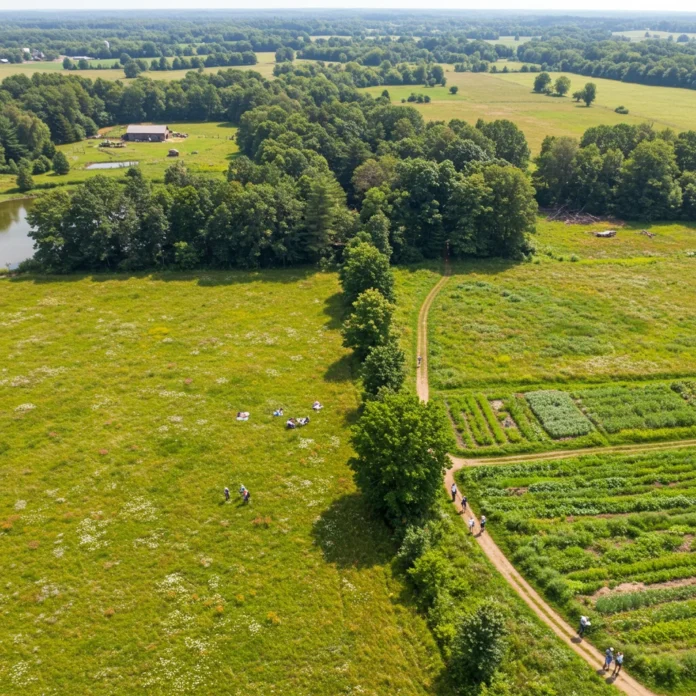
Visualizing 60 acres can be challenging. In practical terms, 60 acres is approximately 2.6 million square feet—the equivalent of about 45 football fields placed side by side. Walking the perimeter, one would cover nearly a mile. This expanse allows for an extraordinary range of uses, from sprawling pastures to dense forests, and even private lakes or recreational facilities.
The sheer scale means that the landscape can include several distinct zones, each with its own purpose and atmosphere. The wind might ripple through tall grasses in one corner, while a stand of trees offers shade and wildlife habitat elsewhere. The possibilities are as open as the horizon itself.
How to Assess Your Land’s Unique Features
Before making any plans, we must take time to understand what makes our property special. Every acre has its own topography, soil type, water sources, and microclimates. Walking the land at different times of day helps us notice sunlight patterns, prevailing winds, and the subtle sounds of nature.
We recommend mapping out natural features—such as creeks, wooded areas, or open meadows—and considering how each might support different uses. Soil testing, elevation data, and even historical land use records can all help us make informed decisions.
Understanding Zoning and Legal Considerations
Before we begin building or cultivating, we need to review zoning laws, land use regulations, and any deed restrictions that may apply to our 60 acres. These rules can affect everything from the number of dwellings allowed to the types of businesses permitted.
Consulting local planning authorities and reviewing county records ensures that our vision aligns with legal requirements. If our land is near environmentally sensitive areas, additional protections or permits may be necessary.
Planning Your Vision: Setting Goals for Your 60 Acres
Setting clear goals for our land helps us prioritize projects and allocate resources. We should consider what matters most: is it privacy, income, recreation, sustainability, or legacy? Creating a master plan—sketched on paper or using digital tools—can help us visualize how different elements will fit together.
As our ambitions take shape, we might find inspiration in stories of others who have made the most of their land, such as the unique approaches highlighted in adventures like the Treasure Hunt Adventure: Backcountry Dining Excursion, where land is transformed into unforgettable experiences.
Residential Living: Building Your Dream Home
One of the most rewarding uses for a large acreage is creating a custom home environment that reflects our lifestyle and priorities. With 60 acres, we have the space to build not just a house, but a homestead—complete with gardens, outbuildings, and sweeping views.
What Are the Best Home Types for Large Acreage?
On expansive land, we can choose from a variety of home styles: traditional farmhouses, modern eco-homes, log cabins, or even tiny homes clustered for a communal feel. The key is to select a design that harmonizes with the landscape and meets our family’s needs.
Multiple dwellings are possible, allowing for guest houses, caretaker cottages, or multi-generational living.
Designing for Sustainability and Off-Grid Living
With abundant space, we can orient our home for optimal solar gain, install geothermal systems, or rely on wind and water power. Off-grid living becomes more attainable, with room for solar panels, battery banks, and even private wells.
Materials can be sourced locally, and construction can incorporate passive design principles for year-round comfort.
How to Incorporate Outdoor Living Spaces
Outdoor kitchens, patios, fire pits, and covered porches invite us to enjoy the sights, sounds, and scents of the land. Thoughtful landscaping can create natural “rooms” for dining, relaxation, and play, all framed by the open sky.
Farming and Agriculture: Cultivating Your Land
With 60 acres, we have the scale to pursue agricultural ventures both for self-sufficiency and profit. Whether our interests lie in crop production, livestock, or specialty farming, the land provides ample opportunity for growth.
What Crops Can You Grow on 60 Acres?
The possibilities are extensive. We can cultivate row crops—such as corn, soybeans, or wheat—or focus on high-value specialty crops like lavender, berries, or organic vegetables. Soil quality, water availability, and climate will guide our choices.
- Grains and cereals
- Fruits and vegetables
- Herbs and medicinal plants
- Specialty crops (e.g., hops, hemp)
Starting a Profitable Orchard or Vineyard
Orchards and vineyards thrive on large plots, producing apples, pears, cherries, or grapes for fresh markets or value-added products. Careful site selection and soil preparation are essential for long-term success.
How to Raise Livestock on a Large Property
We can raise cattle, sheep, goats, pigs, or poultry with sufficient space for rotational grazing and natural behaviors. A mix of pasture, shelter, and water access ensures healthy animals and productive operations.
Sustainable Agriculture Practices for 60 Acres
Implementing no-till farming, cover cropping, and integrated pest management protects soil health and ecosystem balance. Sustainable practices yield long-term productivity and resilience in the face of changing conditions.
Homesteading: Achieving Self-Sufficiency
A 60-acre homestead can provide nearly everything we need for daily life—food, energy, water, and even building materials. The journey toward self-sufficiency is both practical and deeply fulfilling.
Growing Your Own Food Year-Round
With careful planning, we can produce vegetables, fruits, grains, and protein throughout all seasons. Greenhouses, cold frames, and crop rotation keep our pantry stocked regardless of the weather.
Building a Root Cellar and Food Storage Systems
A well-designed root cellar takes advantage of natural insulation to store root vegetables, preserves, and cured meats. Additional storage—such as pantries and freezers—enables us to stockpile harvests and prepare for emergencies.
How to Set Up Renewable Energy Sources
Solar arrays, wind turbines, and micro-hydro systems can all be installed with plenty of room on our land. Battery storage and backup generators ensure reliable power for essential systems.
Permaculture Design Principles for Large Plots
Permaculture offers a holistic approach to land use, emphasizing biodiversity, closed-loop systems, and minimal waste. We can incorporate food forests, swales, and wildlife corridors for a thriving, self-sustaining environment.
Recreational Opportunities on 60 Acres
Expansive land invites us to create recreational amenities that enrich daily life and attract guests. The sights, sounds, and scents of nature become the backdrop for adventure and relaxation.
Creating Hiking and Biking Trails
We can design meandering trails that wind through woods, fields, and along water features. Gentle slopes, scenic overlooks, and shaded groves make every outing memorable.
For those inspired by breathtaking landscapes, experiences like the Hilo from Oahu: Helicopter Views & Volcano Excursion highlight the joy of exploring vast natural spaces—something we can cultivate on our own land.
How to Design a Private Fishing Pond or Lake
Excavating a pond or lake supports fishing, swimming, or simply enjoying the tranquil shimmer of water. Stocking with native fish and planting aquatic vegetation creates a balanced ecosystem.
Setting Up a Personal Hunting Reserve
Designating areas for hunting supports wildlife management and offers a private retreat for outdoor enthusiasts. Responsible practices and habitat improvements ensure a healthy game population.
Building Sports Courts and Recreational Fields
We can build tennis courts, basketball hoops, soccer fields, or even a golf driving range. Open lawns double as spaces for picnics, games, or stargazing on clear nights.
Wildlife Habitat and Conservation Projects
Our land can become a sanctuary for wildlife—from songbirds to pollinators to native mammals. Conservation efforts benefit both the environment and our enjoyment of the land.
How to Restore Native Habitats
Restoring meadows, wetlands, or forests improves biodiversity and attracts native species. Removing invasive plants and reintroducing native flora are key first steps.
Encouraging Pollinators and Beneficial Wildlife
Planting wildflowers and maintaining hedgerows provides food and shelter for bees, butterflies, and birds. Water sources and nesting sites further support healthy populations.
Managing Forested Areas for Biodiversity
Selective thinning, controlled burns, and invasive species management all contribute to a thriving forest ecosystem. Trails and observation areas let us experience the vibrant life of the woods firsthand.
Water Management and Conservation
Effective water management is essential for both productivity and sustainability on large properties. We can harness, store, and protect water resources to benefit every aspect of our land.
Designing Rainwater Harvesting Systems
Gutters, cisterns, and rain gardens collect and store precipitation for irrigation and household use. These systems reduce our dependence on wells or municipal supplies.
Building and Maintaining Ponds or Streams
Constructed ponds and restored streams support irrigation, recreation, and wildlife. Regular maintenance—dredging, planting, and monitoring water quality—keeps these features healthy.
How to Prevent Soil Erosion on Large Properties
Cover crops, terracing, and buffer strips stabilize soil and prevent runoff. Healthy root systems and ground cover are vital for preserving topsoil and protecting water quality.
Outdoor Entertaining: Hosting Events and Gatherings
Our land can be the setting for memorable gatherings, from family reunions to weddings or festivals. The serenity and beauty of wide-open space create a unique atmosphere for celebration.
Creating Outdoor Kitchens and Dining Spaces
Permanent grills, wood-fired ovens, and shaded patios encourage alfresco dining. Lighting, seating, and landscaping set the mood for everything from casual barbecues to elegant dinners.
For those seeking inspiration, outdoor dining adventures—like those described in our post about the Treasure Hunt Adventure: Backcountry Dining Excursion—demonstrate how meals can become unforgettable experiences.
How to Build a Pavilion or Event Barn
A sturdy pavilion or rustic barn provides shelter for larger events. These structures can be designed for flexibility, accommodating dances, concerts, or workshops.
Planning Festivals, Retreats, or Weddings
We can host everything from seasonal festivals to yoga retreats or destination weddings. Ample parking, restroom facilities, and thoughtful logistics are key to a seamless event.
Equestrian Pursuits: Riding and Boarding Horses
For horse lovers, 60 acres offers the opportunity to create a comprehensive equestrian facility. The open space and varied terrain are ideal for riding, training, and even business ventures.
Designing Stables and Riding Arenas
Well-ventilated stables, tack rooms, and covered arenas provide comfort and safety for both horses and riders. Proper drainage and footing are essential for year-round use.
How to Set Up Horse Trails and Pastures
We can design scenic trails that wind through woods and fields, with safe fencing and rest stops along the way. Rotational grazing in well-maintained pastures promotes healthy horses and lush grass.
Starting an Equestrian Business on Your Land
Boarding, training, or offering riding lessons can generate income while sharing our passion with others. Insurance, liability waivers, and business planning are important considerations.
Income Generation: Turning 60 Acres into Profit
A property of this size presents many opportunities for income generation, from traditional agriculture to innovative hospitality. With careful planning, we can balance profit with sustainability and enjoyment.
What Are the Most Profitable Crops and Livestock?
High-value crops—such as organic vegetables, specialty fruits, or medicinal herbs—can command premium prices. Livestock options like grass-fed beef or free-range poultry may also be lucrative, depending on local markets.
How to Lease Land for Farming or Events
Leasing portions of our land to farmers, beekeepers, or event planners provides steady income without full-time management. Clear contracts and defined expectations protect both parties.
Starting a Glamping or Eco-Tourism Business
Luxury camping, tiny home rentals, or guided nature experiences appeal to travelers seeking tranquility and adventure. For those interested in unique tourism, we recommend reading about the Exclusive Big Island Helicopter: Volcano Landing Tour for inspiration on crafting unforgettable outdoor experiences.
Forestry and Timber Management
Wooded acreage can be managed for timber production, firewood, or wildlife habitat. Sustainable forestry practices support both income and ecological health.
How to Harvest Timber Sustainably
Selective harvesting, replanting, and regular assessments maintain forest health and productivity. Working with certified foresters ensures responsible management.
Setting Up a Firewood or Lumber Business
Processing and selling firewood or rough-cut lumber can be a profitable side business. Investing in equipment and marketing helps us reach local buyers.
Conservation Easements and Tax Incentives
Placing a conservation easement on our property can protect its natural character for future generations while offering financial benefits.
How to Qualify for Conservation Programs
We can partner with land trusts or government agencies to permanently preserve wildlife habitat, wetlands, or agricultural land. Each program has specific eligibility requirements and application processes.
Understanding Tax Benefits for Landowners
Conservation easements often provide property tax reductions or federal income tax deductions. Consulting a knowledgeable attorney or accountant helps us maximize these benefits.
Building Infrastructure: Roads, Fencing, and Utilities
A well-developed infrastructure is essential for comfort, convenience, and safety on large properties. Thoughtful planning reduces maintenance and enhances property value.
Planning Access Roads and Driveways
Gravel or paved roads provide reliable access to homes, fields, and outbuildings. Proper grading and drainage prevent ruts and erosion.
How to Choose the Right Fencing for Your Needs
The choice of fencing depends on intended use—livestock, wildlife exclusion, or privacy. Materials range from traditional wood to high-tensile wire or electric systems.
As experts often say:
“Good fences make good neighbors, but great fences make for peaceful, productive land.”
Bringing in Water, Power, and Internet
Wells, septic systems, and off-grid power solutions can be installed with careful planning. High-speed internet may require satellite or wireless options, especially in remote areas.
Creating Gardens and Landscaping for 60 Acres
We have the space to design spectacular gardens and landscaping that reflect both beauty and function. Each garden can be tailored to the land’s unique conditions.
Designing Flower and Vegetable Gardens
Expansive beds of perennials, annuals, and vegetables offer color and bounty throughout the growing season. Raised beds and accessible pathways make gardening a pleasure.
How to Build a Greenhouse or High Tunnel
Greenhouses and high tunnels extend the growing season, protect plants from pests, and enable us to grow delicate crops. Proper siting and ventilation are key for success.
Incorporating Native Plants for Low Maintenance
Native species thrive with minimal irrigation and fertilizer, supporting pollinators and requiring less upkeep. Wildflower meadows and naturalized borders blend seamlessly with the surrounding landscape.
Family Activities and Education on Your Land
A large property serves as a living classroom for children and adults alike. Hands-on experiences foster curiosity, resilience, and a deep connection to nature.
Creating a Nature-Based Playground
We can build play structures from natural materials, design obstacle courses, or simply let children explore the woods and meadows. The sights and sounds of the outdoors inspire creative play.
How to Set Up Outdoor Learning Spaces
Designated areas for art, science experiments, or storytelling encourage learning in every season. Benches, blackboards, and weather shelters make outdoor education accessible and enjoyable.
Starting a Family Farm School or Camp
Hosting farm camps or workshops shares knowledge about gardening, animal care, and sustainability. These programs can also generate income and build community.
Hobby Projects and Creative Spaces
With so much space, we can pursue hobbies and creative projects on a grand scale. Dedicated studios, workshops, or gathering spaces nurture our passions and talents.
Building Workshops and Studios
We can construct woodworking shops, pottery studios, or music rooms tailored to our interests. Natural light, sturdy workbenches, and storage make these spaces functional and inspiring.
How to Start a Makerspace or Community Hub
A makerspace invites friends, neighbors, or local groups to collaborate on projects. Shared tools and resources foster creativity and innovation.
Photography, Art, and Nature Observation
The beauty of 60 acres offers endless inspiration for photography, painting, or birdwatching. Early morning mist, golden sunsets, and the call of distant wildlife become part of our creative palette.
Security and Privacy Considerations
Protecting our land and loved ones is essential. Effective security strategies and privacy measures provide peace of mind without sacrificing the openness we value.
How to Protect Your Property from Trespassers
Clear signage, secure gates, and regular patrols deter unauthorized visitors. Building relationships with neighbors fosters a sense of community watchfulness.
For those with property near popular landmarks or tourist areas, tips for responsible land use—such as those featured in our article on Hawaii Volcanoes National Park Tips—are especially valuable.
Choosing Security Systems for Rural Land
Modern security cameras, motion sensors, and remote monitoring systems are effective even in remote settings. Solar-powered options provide flexibility where grid power is unavailable.
Fire Safety and Emergency Preparedness
Creating defensible space around buildings, maintaining firebreaks, and storing emergency supplies are vital. Clear evacuation routes and communication plans ensure readiness for any situation.
Seasonal Activities and Land Management
Each season brings its own joys and challenges. Proactive land management keeps our property healthy and productive all year long.
Preparing for Each Season: What to Know
Spring calls for planting and repairs, summer brings growth and harvest, autumn is for maintenance and preparation, and winter may require snow removal or sheltering livestock.
How to Manage Snow, Flooding, and Other Challenges
Equipment such as plows, pumps, and generators help us tackle adverse weather. Regular inspections and contingency plans keep us ahead of potential problems.
Long-Term Land Stewardship and Legacy Planning
Thoughtful stewardship preserves our land’s health, beauty, and value for generations. Legacy planning ensures our efforts benefit both our family and the broader community.
Creating a Land Management Plan
A written plan outlines goals, priorities, and maintenance schedules. Regular updates and recordkeeping support adaptive management as conditions and needs change.
How to Pass on or Sell Your Land Responsibly
We can work with legal and financial advisors to structure sales, trusts, or easements that honor our vision. Transparent communication with heirs or buyers ensures a smooth transition.
If you’re interested in the cultural and natural history of large landscapes, our post on Big Island Wonders: Volcanoes, Waterfalls & Hawaiian History provides a fascinating perspective on stewardship and legacy.
How to Book on Viator
If you are inspired to experience more or wish to plan your trip to unique destinations, you can find tours and book activities directly through Viator. Their platform offers a wide range of experiences—whether you are looking for adventure, educational outings, or relaxation.
Booking on Viator is straightforward: simply visit their website, search for your desired activity or destination, and follow the prompts to reserve your spot. This is an excellent way to explore new ideas for your own land or to enjoy curated experiences elsewhere.
Conclusion: Realizing Your 60 Acres of Freedom
Sixty acres grants us the space to build, grow, and connect with nature in a way few ever experience. By approaching each acre with intention and creativity, we can create a legacy of abundance, beauty, and purpose. For more ideas and inspiration on making the most of your property, visit Izase—where we celebrate the freedom and responsibility that come with stewarding the land.
“Disclaimer: This information is accurate to the best of our knowledge; however, there may be changes or mistakes. Please verify exact details on the Viator booking page.”