
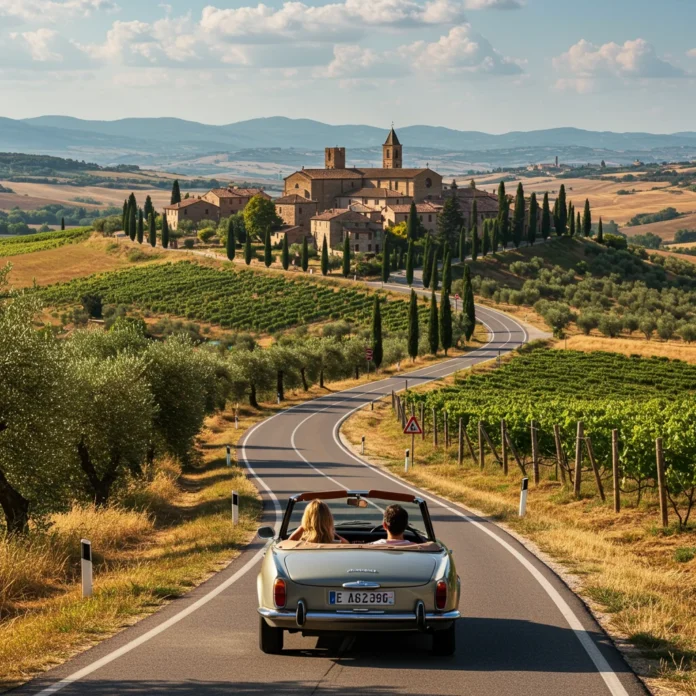

Introduction: Why Explore Tuscany’s Hidden Towns by Car?
Traveling by car from Milan to Tuscany’s hidden towns offers a rare opportunity to experience a side of Italy that many visitors overlook. The freedom of the open road allows us to set our own pace, take spontaneous detours, and truly appreciate the region’s rolling hills, medieval villages, and timeless landscapes. The journey itself becomes as rewarding as the destinations, with each turn revealing cypress-lined avenues, hilltop castles, and fields glowing in the Tuscan sun.
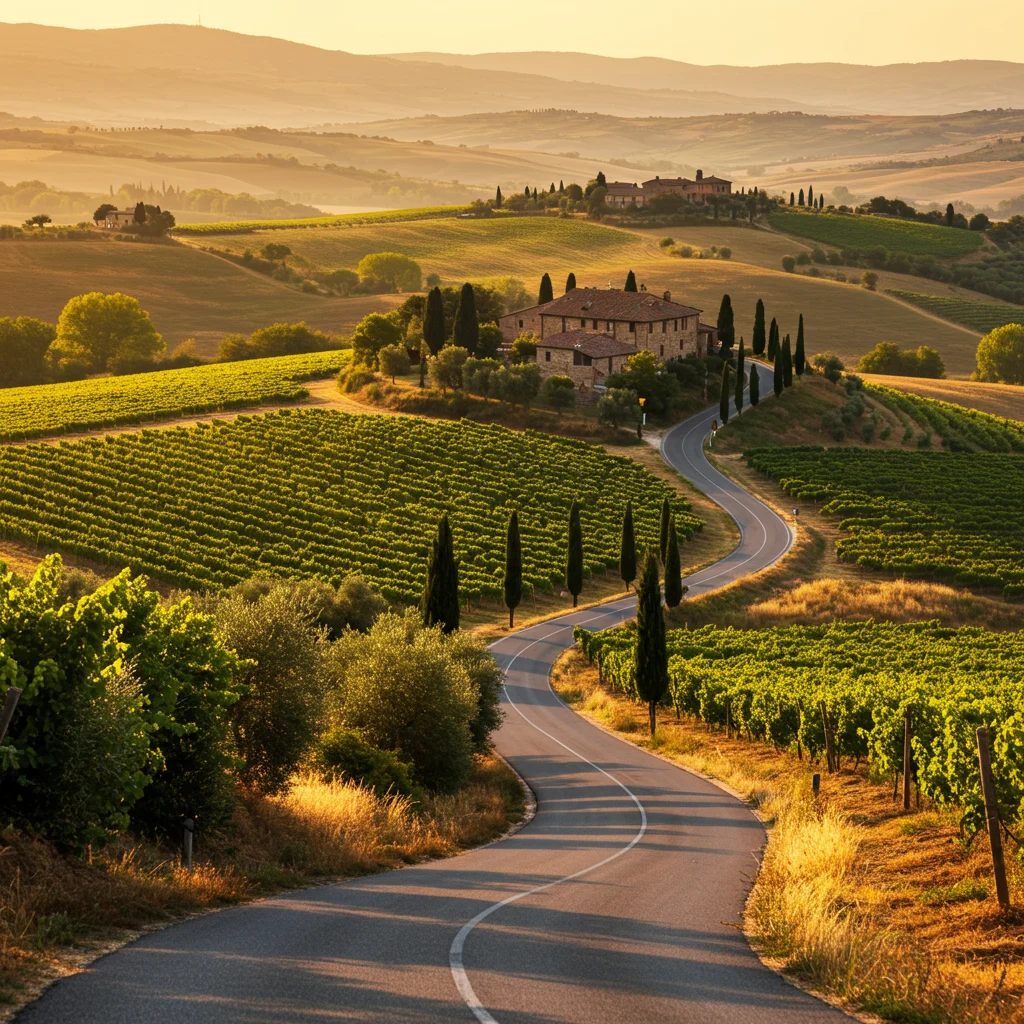
Whether we seek ancient history, culinary pleasures, or peaceful countryside, driving lets us access charming towns where local traditions thrive and crowds are few. It’s a unique way to connect with authentic Italian culture, savor regional flavors, and create unforgettable memories.
What Makes the Drive from Milan to Tuscany Unique?
The route from Milan to Tuscany stands out for its diversity of scenery and experiences. We transition from the cosmopolitan energy of Milan, through the fertile plains of Emilia-Romagna, and into the undulating landscapes of Tuscany’s heartland. Each region along the way has its own character, cuisine, and architectural treasures.
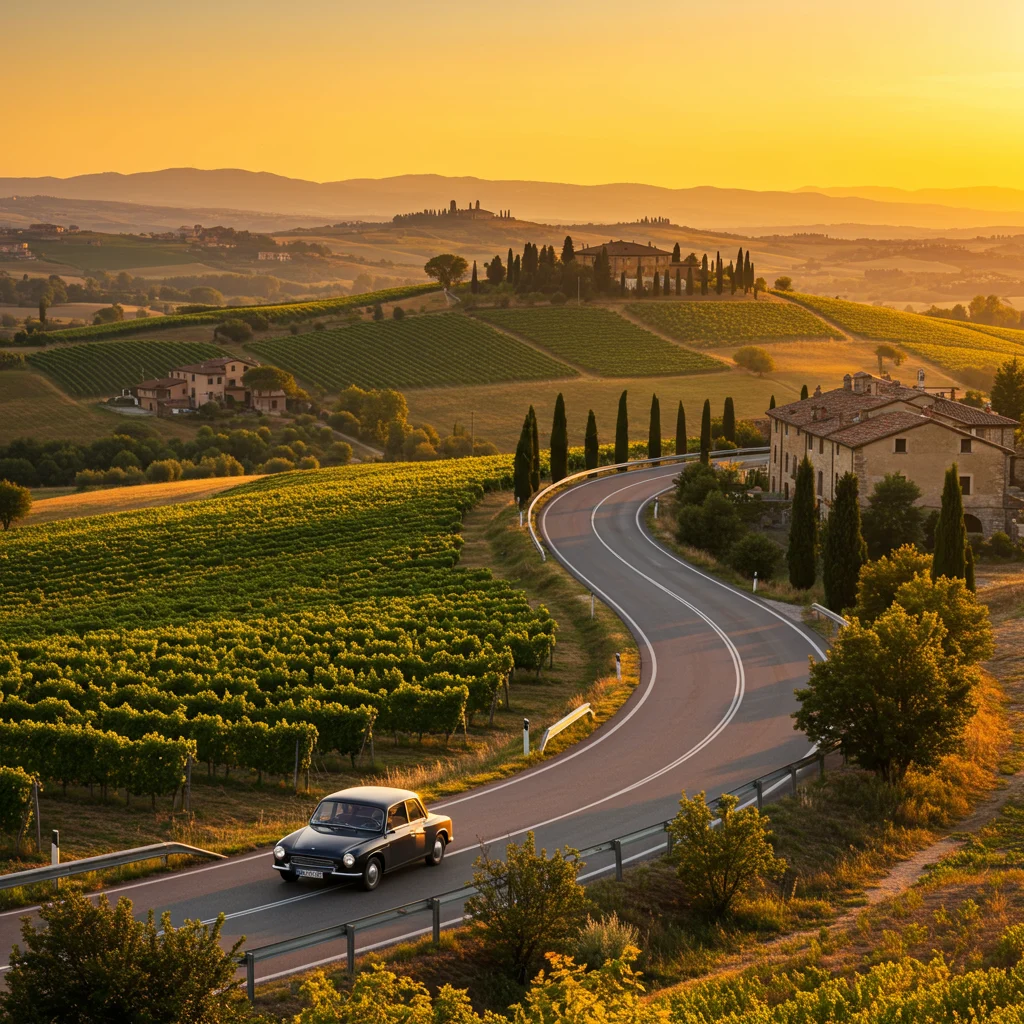
This drive rewards us with sensory delights: the scent of vineyards, the sight of ancient stone villages perched on hills, and the taste of fresh pasta or local wine enjoyed in a sunlit piazza. As we move southward, the air grows warmer and the countryside more dramatic, making every mile a visual feast.
Best Time of Year for a Scenic Drive
Choosing the right season can transform a good road trip into an extraordinary one. Spring and early autumn are ideal for a scenic drive through Tuscany, with mild temperatures, blooming wildflowers, and fewer tourists clogging the roads and towns. The light during these months is soft—perfect for photography and leisurely walks.
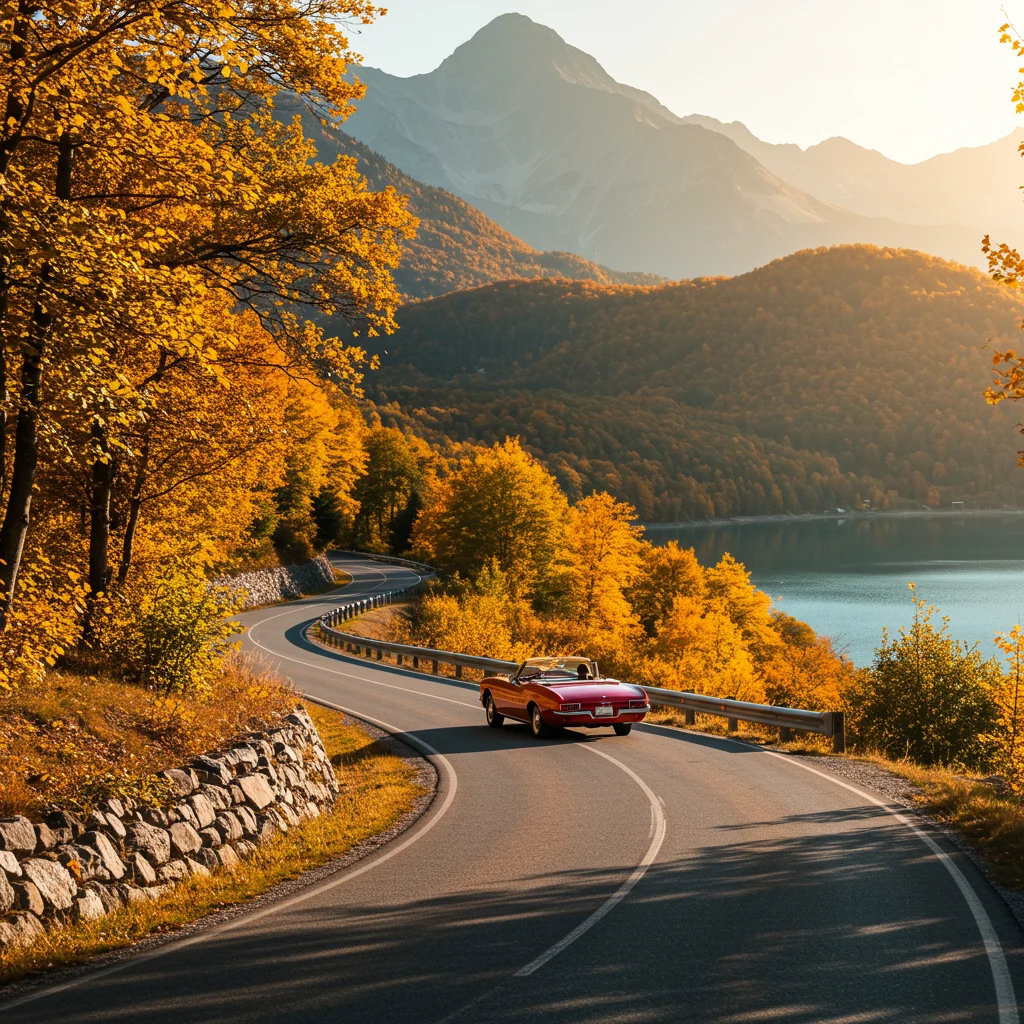
Summer brings long days and lively festivals, but also higher temperatures and more visitors. Winter, while quiet and atmospheric, may limit access to some rural areas due to weather. By planning our journey for the shoulder seasons, we enjoy both tranquility and vibrant local life.
Essential Trip Planning: What to Know Before You Go
Before setting out, it’s important to research local regulations, reserve accommodations, and map out our route. Italian highways require a toll payment, and some smaller roads may be winding or narrow. Booking a reliable rental car in advance ensures we can select the best vehicle for our needs.

We also recommend checking for festivals, market days, or special events that might enhance our visit—or impact traffic and accommodation availability. Preparing in advance allows us to make the most of every stop along the way.
How to Choose the Perfect Route from Milan to Tuscany
The journey offers several possible routes, each with its own highlights. Our choice depends on personal interests—whether we prioritize historic cities, culinary experiences, or scenic detours. The western, central, and eastern paths all offer easy access from Milan, with plenty of opportunities to discover lesser-known towns and authentic local culture.
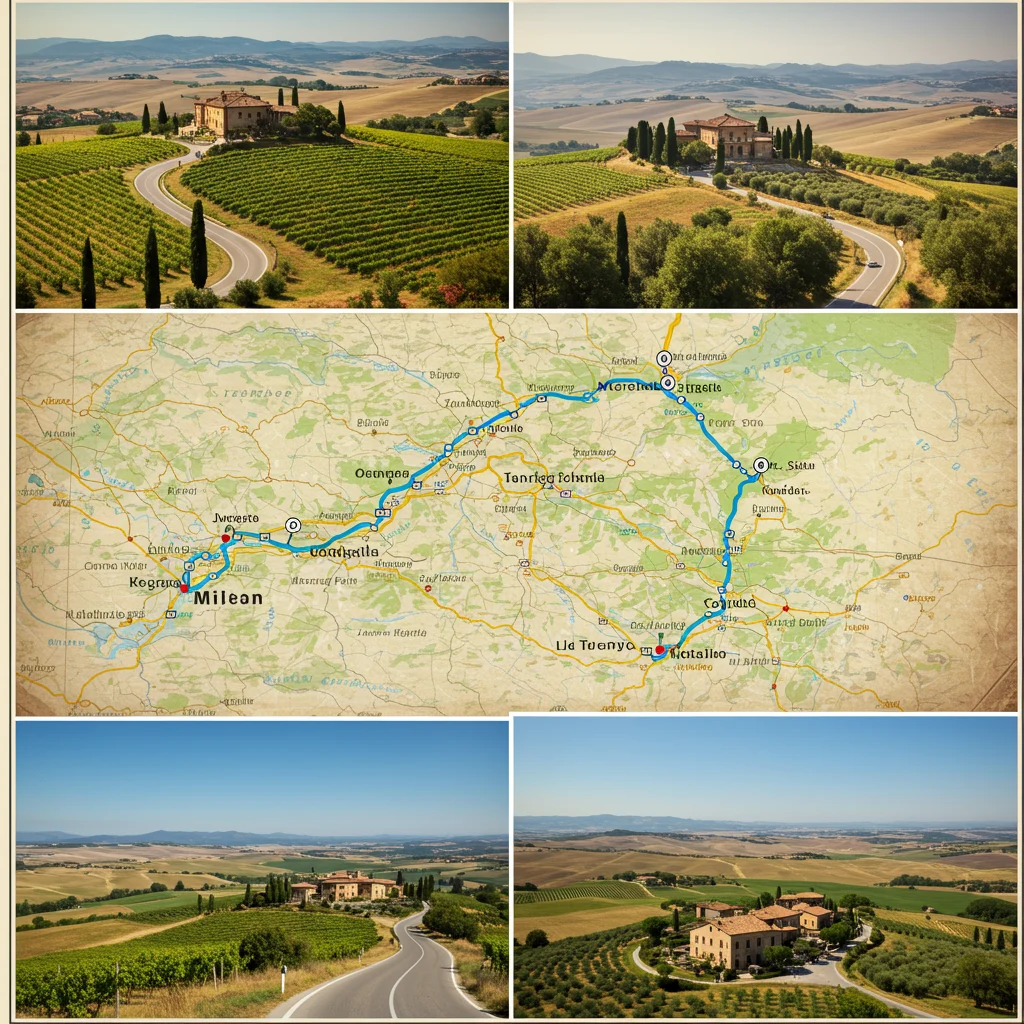
For those interested in combining food and wine with their travels, we can find inspiration in our post about the Rome to Tuscany food, wine & scenic countryside tour, which highlights many of the region’s culinary treasures along the way.
Recommended Itinerary Overview: Milan to Tuscany’s Hidden Gems
We suggest planning our itinerary around a mix of historic towns, breathtaking landscapes, and local experiences. Starting in Milan, we can select one of three main routes—each offering its own blend of art, architecture, and authentic regional flavors.
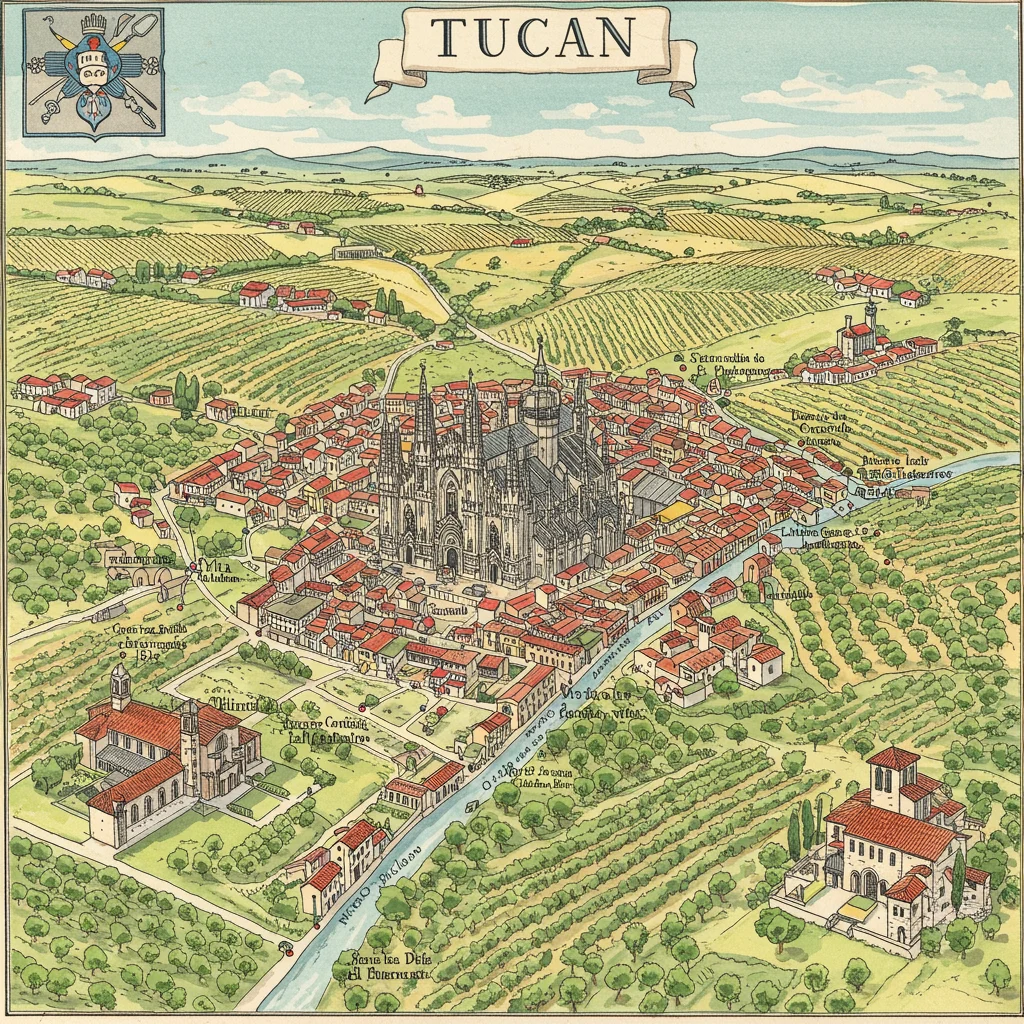
Key stops might include medieval Pavia, the gastronomic capital of Parma, or the lively streets of Bologna. Once in Tuscany, we prioritize lesser-known gems such as Fivizzano, Barga, and Montefioralle, where tradition and beauty go hand in hand.
Map Overview: Key Stops and Scenic Routes
Having a clear map is invaluable for visualizing our journey. We recommend marking major cities, picturesque villages, and scenic byways, as well as noting the locations of rest areas, gas stations, and potential detours. This allows us to maximize our time and avoid missing out on hidden treasures tucked away from the main roads.
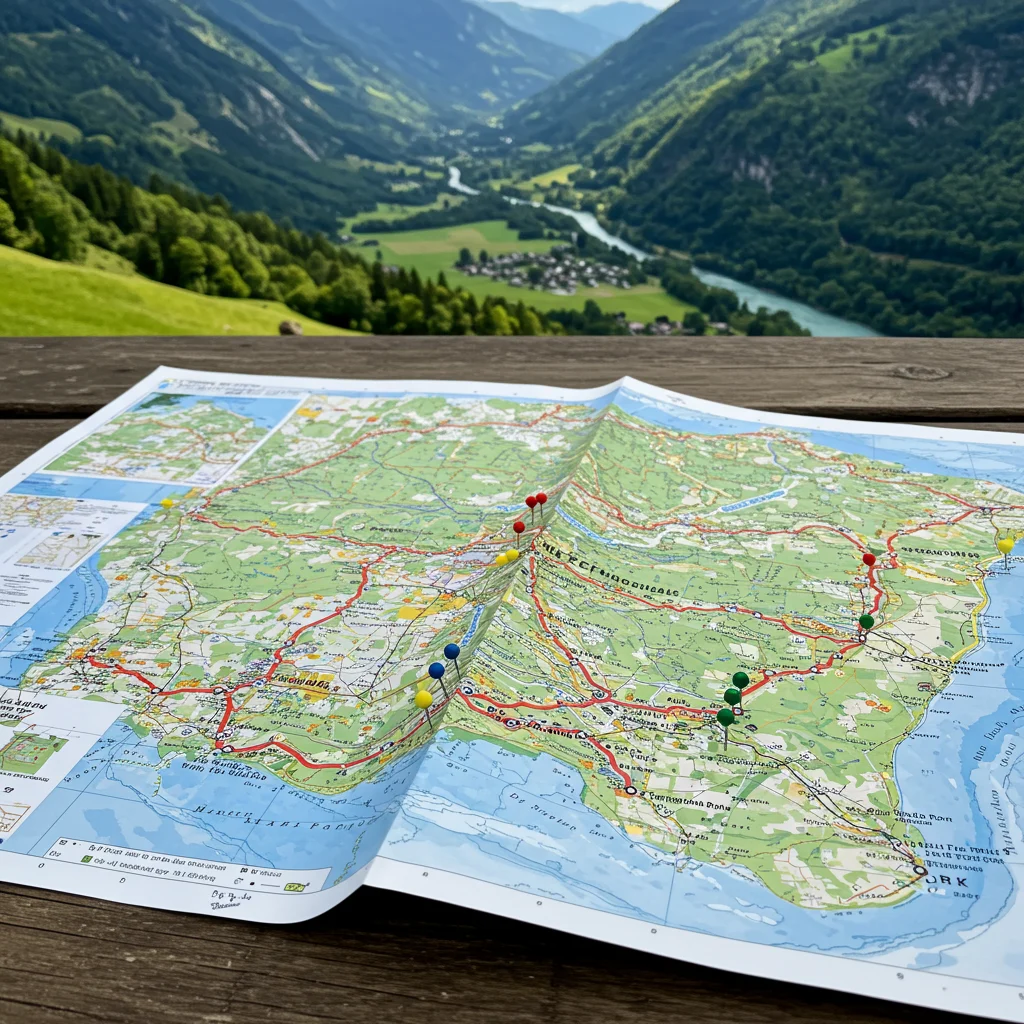
Many navigation apps also highlight points of interest and real-time traffic updates, making our drive smoother and more enjoyable.
Car Rental Tips for Italian Road Trips
Choosing the right rental car can greatly affect our comfort and flexibility. We suggest opting for a compact vehicle, which makes parking in small towns easier. Automatic transmissions are less common in Italy, so reserving one in advance is wise if we prefer not to drive manual.
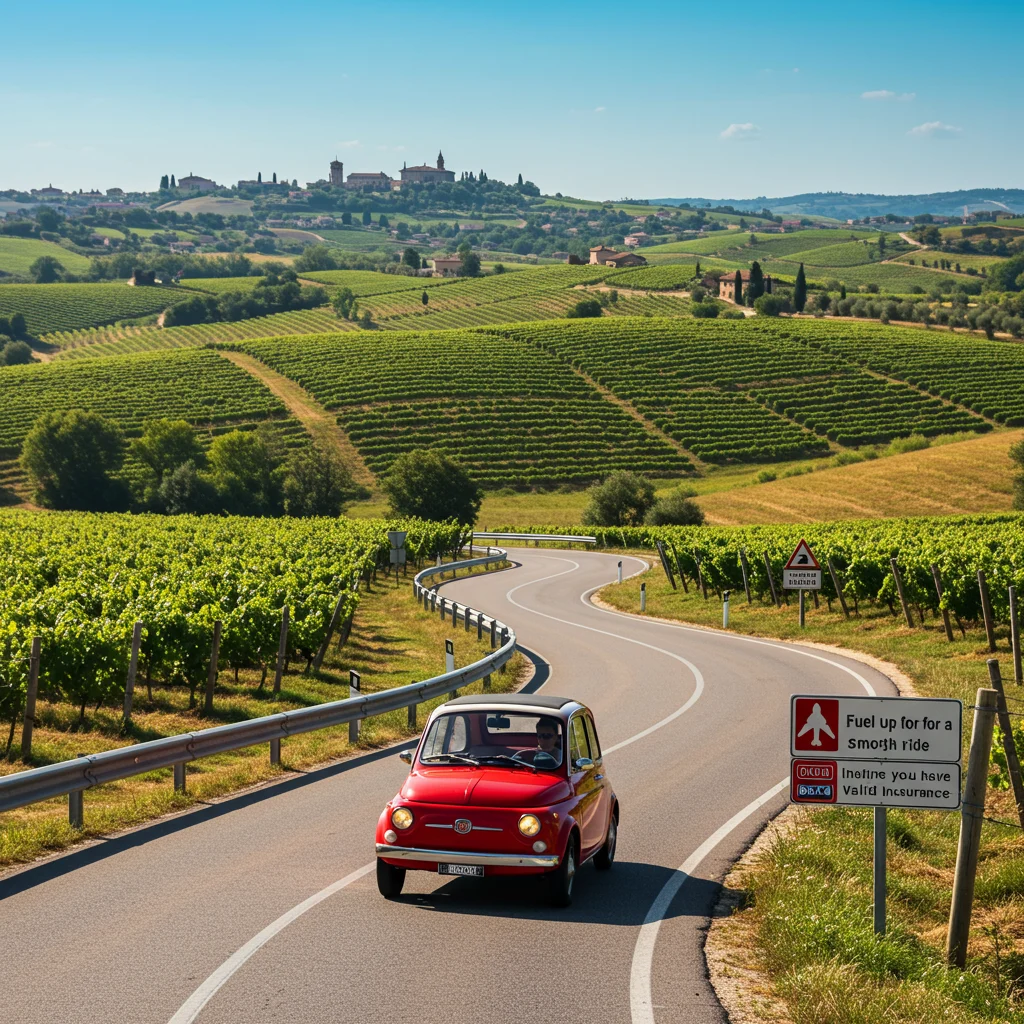
It’s essential to check insurance coverage, fuel policies, and any restrictions on driving into certain regions or countries. Inspect the car thoroughly before departure and keep all rental documents handy throughout the trip.
What Should You Pack for a Scenic Italian Road Trip?
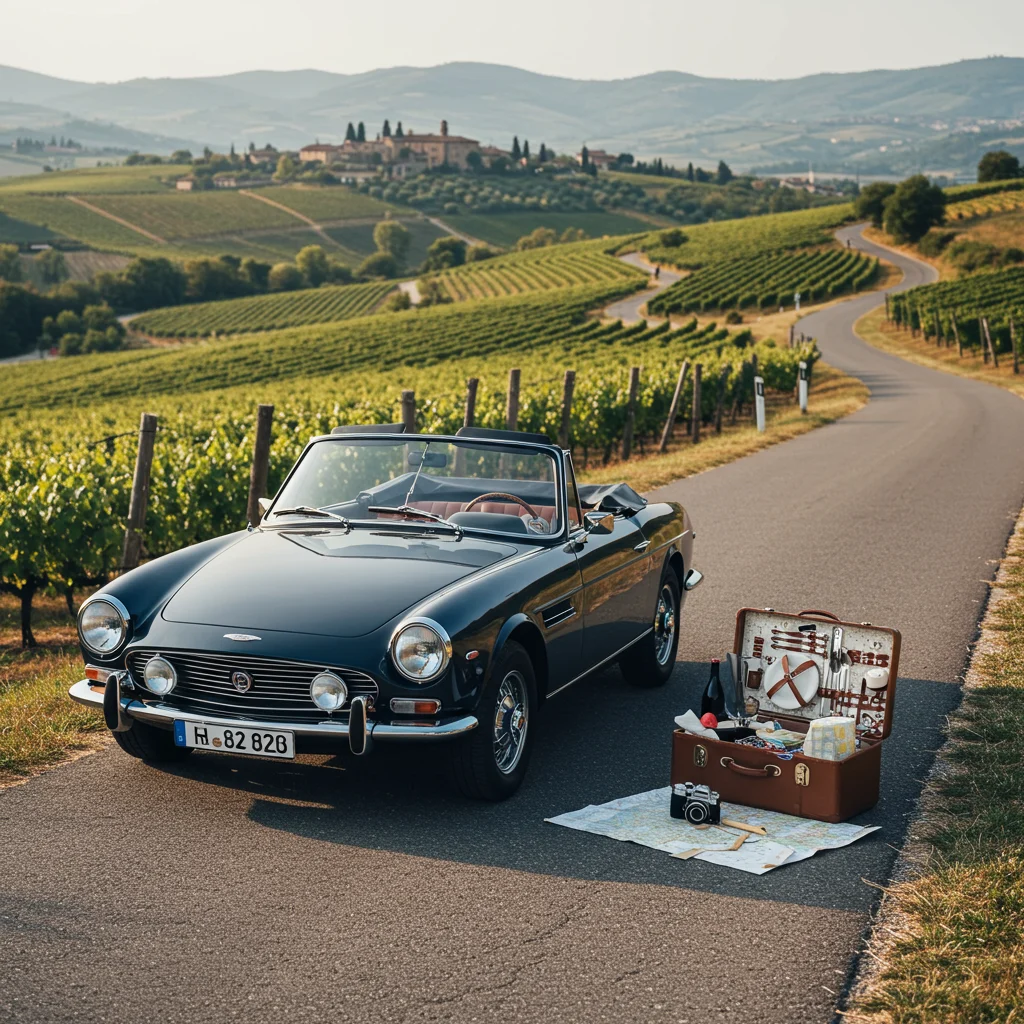
Packing efficiently ensures we’re prepared for both planned adventures and unexpected discoveries. Essentials include a valid driver’s license, passport, rental documents, and a credit card. Sunglasses, sunscreen, and a reusable water bottle help us stay comfortable under the Tuscan sun.
- Light layers for changing temperatures
- Comfortable walking shoes
- Travel guidebooks or downloaded maps
- Phone charger and power bank
- Camera for capturing stunning landscapes
We also recommend bringing a picnic blanket and snacks for impromptu roadside lunches with panoramic views.
Driving in Italy: Rules, Tips, and Local Etiquette
Italian driving rules differ from those in many other countries. We drive on the right, overtake on the left, and watch for speed cameras on highways. Roundabouts are common, and vehicles inside have the right of way. In rural areas, we may encounter cyclists, tractors, or herds of sheep—patience and caution are key.
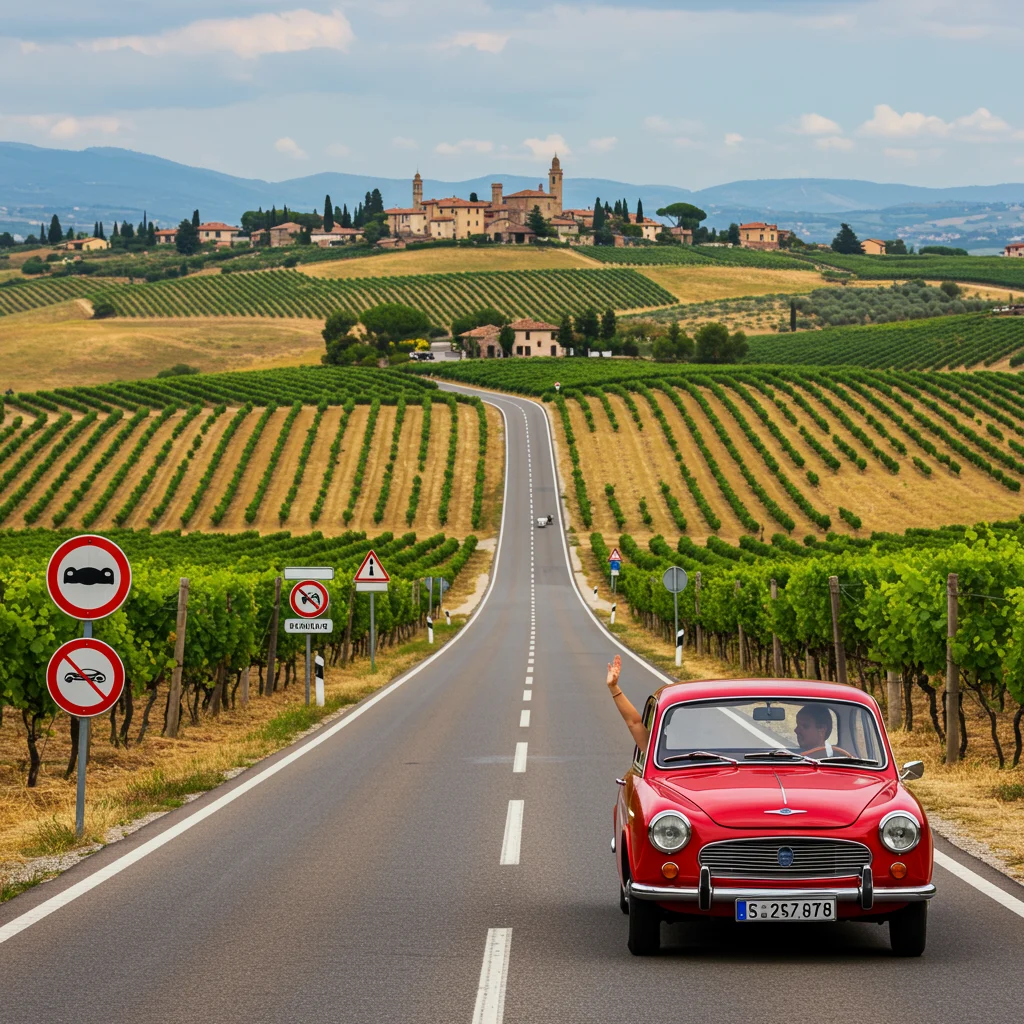
Locals appreciate courteous driving, especially in small towns where streets are narrow. Headlights must be on at all times on highways, and seat belts are mandatory. Observing these rules ensures everyone’s safety and helps us blend in seamlessly with everyday life.
Must-Have Apps and Tools for Your Journey
Technology can be a valuable ally on our Italian road trip. Navigation apps like Google Maps or Waze help us avoid traffic and find the most scenic routes. Parking apps identify available spaces in busy towns, while translation tools bridge any language gaps.

- Offline maps for rural areas
- Weather apps for planning outdoor activities
- Currency converters and expense trackers
- Travel forums for updated tips and recommendations
We also suggest downloading local event calendars to discover festivals or markets that may coincide with our visit.
Starting Point: Exploring Milan Before You Hit the Road
Before leaving Milan, we have a chance to experience the city’s world-class art, fashion, and cuisine. The Duomo di Milano impresses with its intricate spires, while the Galleria Vittorio Emanuele II offers elegant shopping beneath soaring glass ceilings. For a taste of local life, a stroll through the Brera district reveals hidden courtyards and stylish cafés.
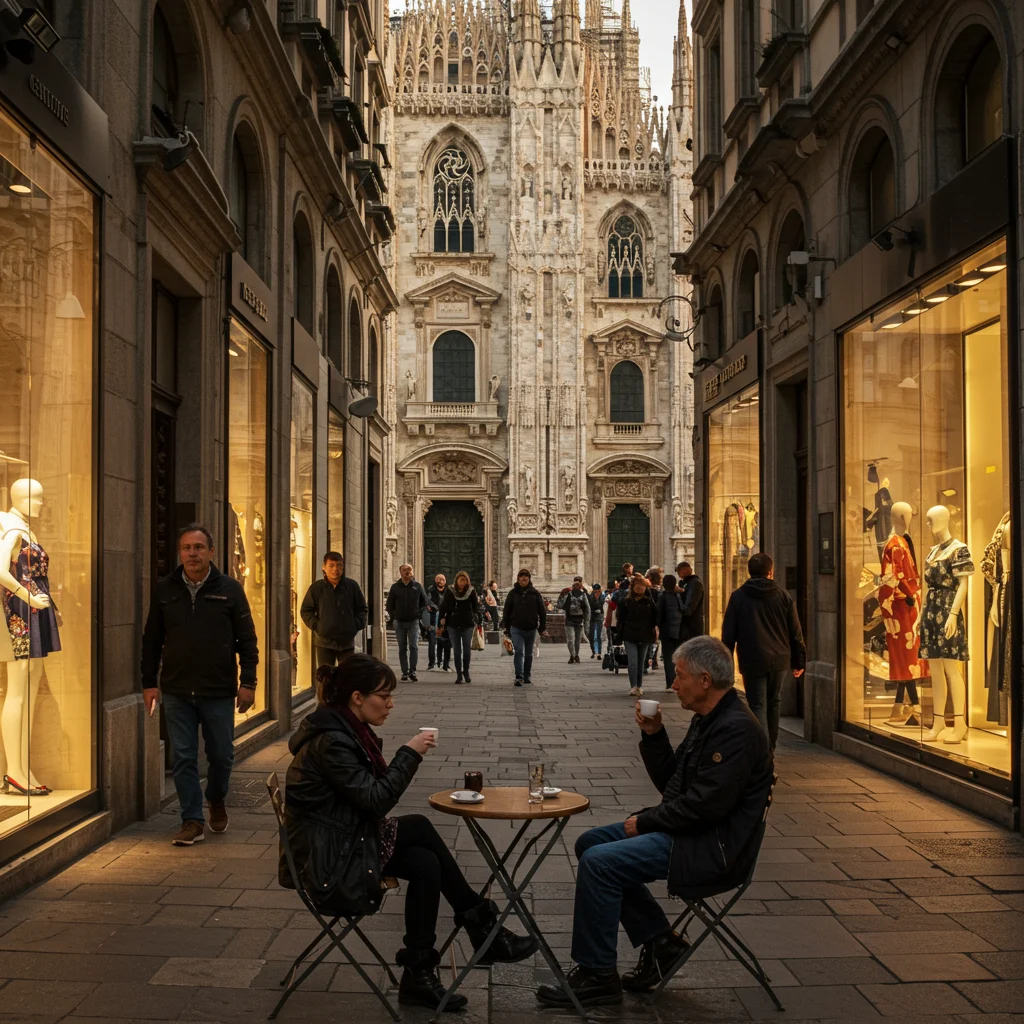
Milan’s vibrant energy and cultural richness set the tone for the adventure ahead, making it a fitting starting point for our journey south.
Suggested Route 1: The Western Path via Pavia and Piacenza
The western route leads us through the lush plains and river valleys of Lombardy and Emilia-Romagna. This path is perfect for those who appreciate medieval architecture, tranquil countryside, and authentic Italian hospitality.
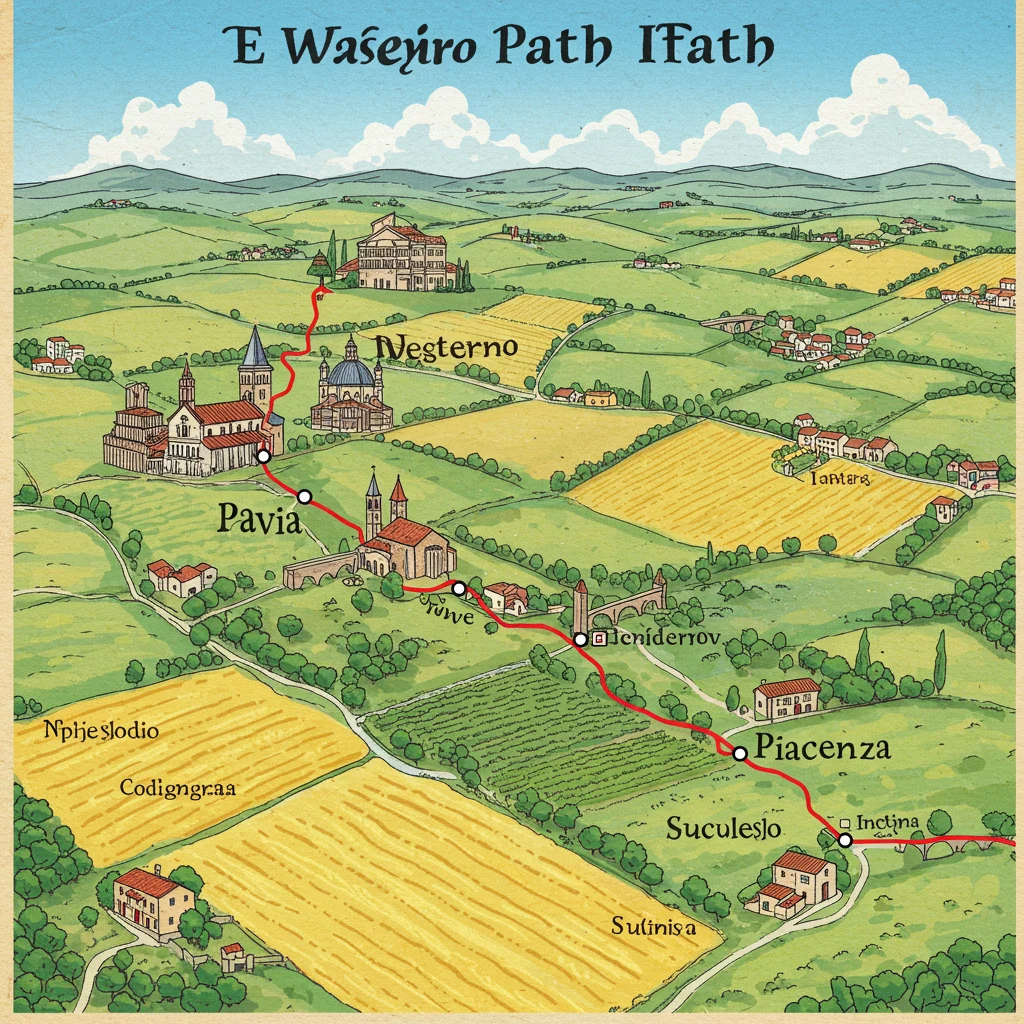
Stop 1: Discovering Pavia’s Medieval Charm
Pavia enchants with its ancient streets, Romanesque churches, and leafy riverside walks. Once a royal capital, the town exudes a quiet elegance and a sense of living history.
What to See in Pavia
Key sights include the Certosa di Pavia, a magnificent monastery adorned with marble carvings, and the historic Ponte Coperto bridge spanning the Ticino River. The university’s botanical gardens and the bustling Piazza della Vittoria invite leisurely exploration.
Best Cafés and Local Eats
Pavia’s cafés serve rich espresso and delicate pastries, often enjoyed in sun-dappled squares. For lunch, we recommend sampling risotto alla certosina or local cured meats paired with a glass of Oltrepò Pavese wine.
Stop 2: Piacenza – Gateway to Emilia-Romagna
Piacenza marks our entry into a region famed for its food and warm hospitality. The town’s elegant palaces and lively markets offer a taste of authentic Emilia-Romagna life.
Historical Landmarks in Piacenza
The Piazza Cavalli is the heart of Piacenza, flanked by the Palazzo Gotico and its striking medieval façade. The Cathedral and Basilica di Sant’Antonino showcase centuries of religious art and architecture.
Hidden Foodie Spots
We suggest seeking out trattorias serving anolini in brodo, coppa piacentina, and freshly baked focaccia. Local wine bars offer robust reds, perfect for a relaxed evening meal.
Suggested Route 2: The Central Path via Parma and Reggio Emilia
This central route is ideal for food lovers and culture seekers. The towns of Parma and Reggio Emilia are renowned for their culinary traditions, artistic heritage, and welcoming atmosphere.
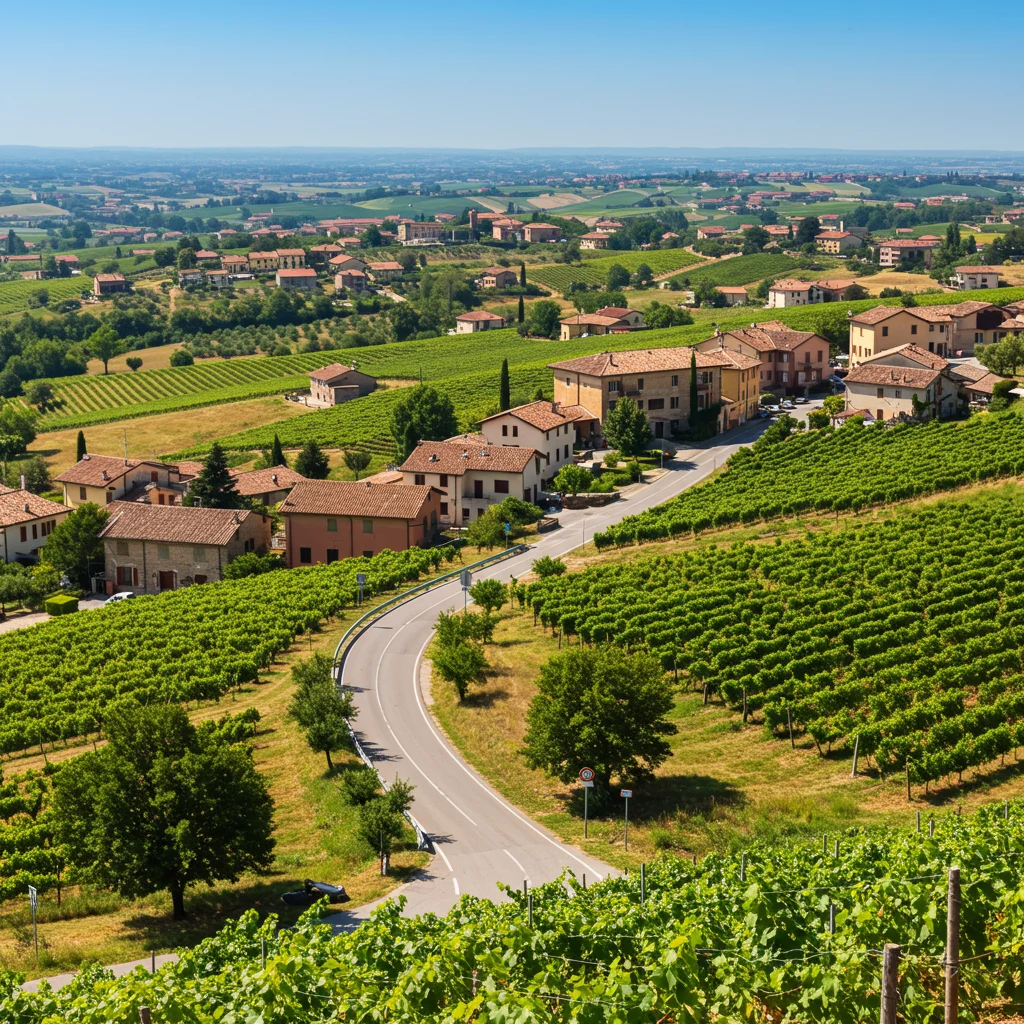
Stop 1: Parma – Beyond Parmesan Cheese
While Parma is famous for its cheese and prosciutto, the town offers much more to those who linger. Its elegant streets and historic theaters are a feast for the senses.
Cultural Highlights in Parma
We can admire the frescoes of the Cathedral and Baptistery, attend an opera at the Teatro Regio, or wander the art-filled halls of the Galleria Nazionale. The city’s parks provide a lush backdrop for afternoon strolls.
Sampling Local Cuisine
No visit to Parma is complete without tasting Parmigiano Reggiano, culatello, and tortelli d’erbetta. Food markets and family-run restaurants serve these specialties with pride and passion.
Stop 2: Reggio Emilia – A Colorful Detour
Reggio Emilia charms with its pastel-hued facades, lively piazzas, and progressive spirit. The town is less crowded than its neighbors, yet rich in culture and innovation.
What Makes Reggio Emilia Unique?
Known as the birthplace of the Italian tricolor flag, Reggio Emilia celebrates its history with engaging museums and public art. The city’s blend of tradition and creativity is evident everywhere, from its architecture to its thriving food scene.
Top Attractions to Visit
Highlights include the Teatro Municipale, the historic market square, and the Parco del Popolo. Art lovers will appreciate the city’s contemporary galleries and street art installations.
Suggested Route 3: The Eastern Path via Modena and Bologna
The eastern route rewards us with a mix of motoring heritage, culinary excellence, and vibrant city life. Modena and Bologna each offer their own distinct flavor and personality.
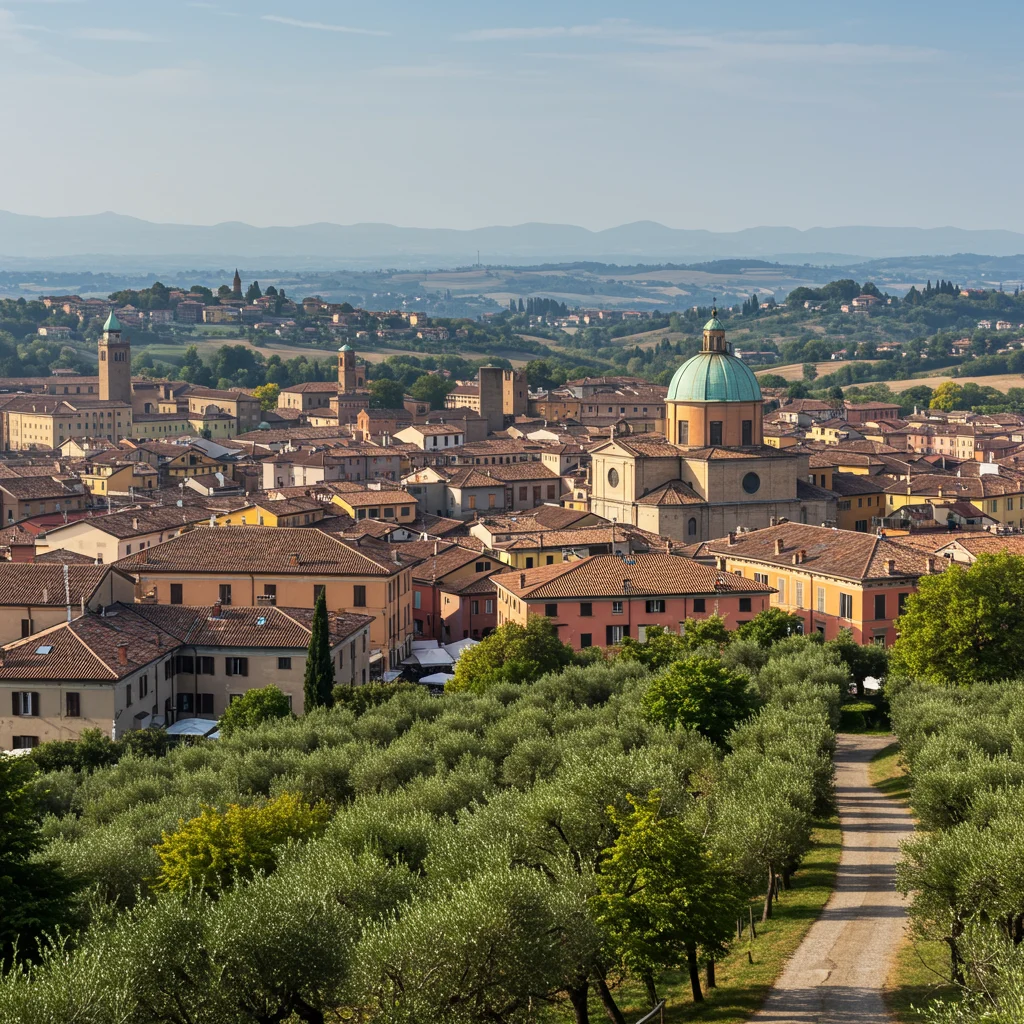
Stop 1: Modena – Fast Cars and Fine Balsamic
Modena is synonymous with luxury cars and world-class gastronomy. The city’s elegant porticoes and bustling markets invite exploration at a leisurely pace.
Must-See Sights in Modena
The Duomo di Modena, a UNESCO World Heritage site, stands at the center of town. Nearby, the Ferrari Museum draws car enthusiasts from around the globe, while the lively Mercato Albinelli tempts with fresh produce and local delicacies.
Tasting Traditional Balsamic Vinegar
We recommend visiting a local acetaia to sample authentic Aceto Balsamico Tradizionale di Modena. The depth and complexity of flavors, aged in wooden barrels, make this experience unforgettable for any food lover.
Stop 2: Bologna – The Red City
Bologna dazzles with its terracotta rooftops, medieval towers, and legendary cuisine. The city’s arcaded streets and vibrant student population create a lively, welcoming atmosphere.
Historic Sites in Bologna
We can climb the Asinelli Tower for sweeping views, visit the Basilica di San Petronio, or stroll through the Quadrilatero market district. Bologna’s historic university and lively piazzas reflect a rich academic and cultural tradition.
Where to Eat Like a Local
Bologna’s trattorias serve signature dishes such as tagliatelle al ragù and tortellini in brodo. For an insider’s perspective on local favorites, we can reference our guide to Pisa’s top attractions and food recommendations, which also highlights the regional culinary connections.
Crossing into Tuscany: Scenic Routes and Hidden Views
Leaving Emilia-Romagna, the landscape transforms as we cross into Tuscany. Rolling hills, winding cypress-lined roads, and golden fields stretch as far as the eye can see. The air is scented with wild herbs, and the horizon is dotted with stone farmhouses and ancient bell towers.
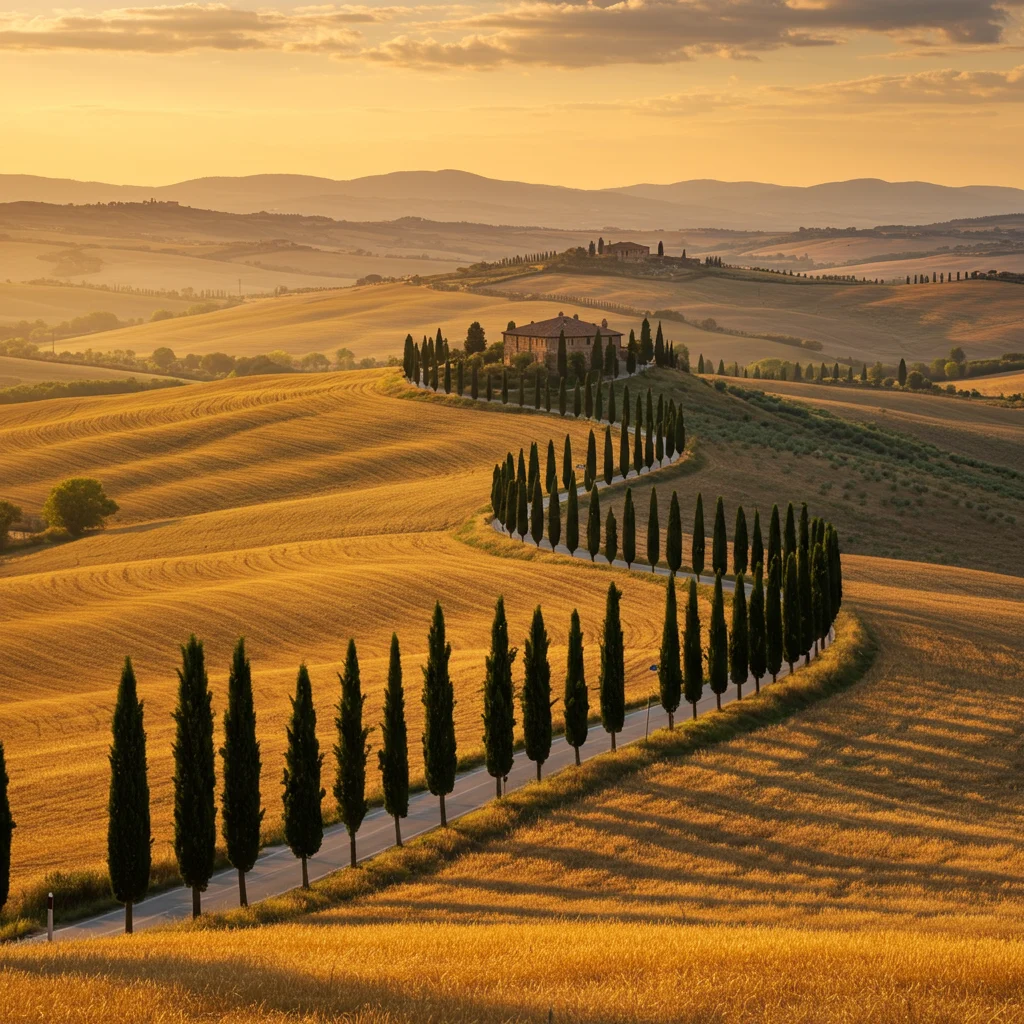
We recommend taking the slower, panoramic routes wherever possible, pausing at scenic overlooks and quiet villages that seem untouched by time. These moments of natural beauty are among the most memorable of the entire journey.
Which Tuscan Towns Are Truly Off the Beaten Path?
Tuscany’s lesser-known towns offer authentic charm and a warm welcome. Each has its own story, traditions, and breathtaking vistas, rewarding those willing to venture beyond the usual tourist trail.
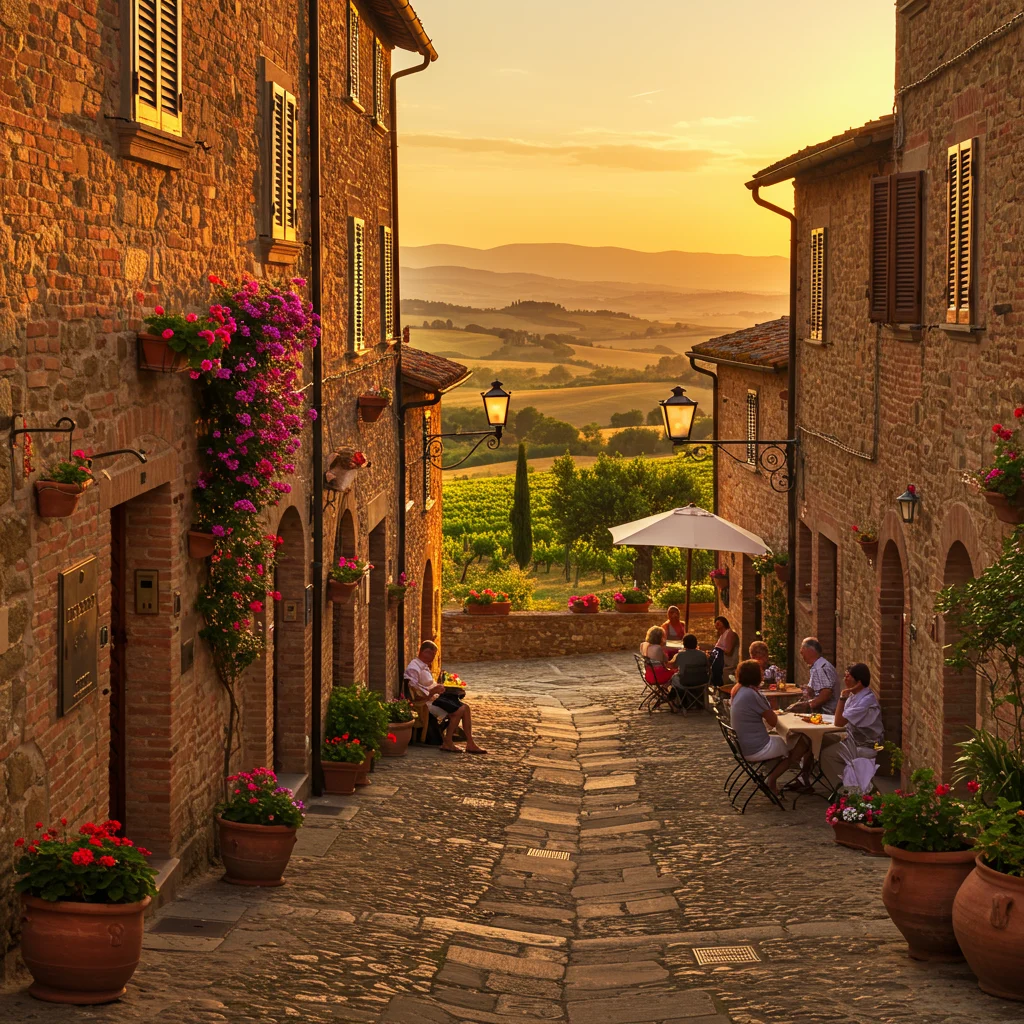
Stop 1: Fivizzano – Tuscany’s Secret Mountain Village
Fivizzano, nestled in the foothills of the Apuan Alps, is a picturesque village with narrow lanes, stone houses, and panoramic mountain views. The tranquility here is a balm for the busy traveler.
Top Sights in Fivizzano
The town’s fortified walls, Renaissance fountains, and the Medici-era Piazza Medicea are highlights. The surrounding countryside offers hiking trails and hidden waterfalls, perfect for nature lovers.
Local Festivals and Events
Fivizzano comes alive during summer festivals, with medieval reenactments, open-air concerts, and traditional food stalls. These events provide a genuine glimpse into local culture and hospitality.
Stop 2: Barga – The Scottish Town in Tuscany
Barga is famed for its ties to Scotland, resulting from centuries of migration. Its cobbled streets, colorful houses, and lively music festivals create a unique blend of cultures.
Why Visit Barga?
The town offers sweeping views of the Serchio Valley, a vibrant arts scene, and a calendar full of jazz and folk events. Barga’s mix of Italian and Scottish influences can be tasted in its bakeries and heard in its music.
Best Eats and Hidden Corners
We recommend sampling local delicacies such as necci (chestnut pancakes) and foraging for the best gelato in the town’s quiet piazzas. Barga’s relaxed pace invites us to linger and savor every moment.
Stop 3: Montefioralle – A Medieval Time Capsule
Montefioralle is one of Tuscany’s best-preserved medieval villages. Stone archways, winding alleyways, and flowering window boxes create an atmosphere straight from a Renaissance painting.
Walking the Ancient Streets of Montefioralle
A stroll through Montefioralle’s narrow lanes reveals centuries-old houses, tiny churches, and panoramic views of the Chianti countryside. The sense of history is palpable, making every step feel significant.
Wine Tasting Experiences
The surrounding hills are home to family-run wineries offering tastings of robust Chianti Classico. For a truly memorable experience, consider joining a Vespa tour through the vineyards—as we describe in our Chianti by Vespa adventure—which pairs scenic rides with authentic local lunches.
Stop 4: Pitigliano – The Little Jerusalem
Pitigliano rises dramatically from volcanic cliffs, its golden stone buildings glowing in the afternoon light. Known as “Little Jerusalem,” the town has a rich Jewish heritage and a maze of hidden alleys to explore.
What to See in Pitigliano
Highlights include the ancient synagogue, the Jewish quarter, and the Orsini Fortress. The town’s mysterious Etruscan caves and panoramic viewpoints offer plenty for curious visitors.
Jewish Heritage and Local Legends
Pitigliano’s Jewish community dates back centuries, and local bakeries still produce traditional sweets such as sfratto. Stories of coexistence and resilience are woven into the town’s daily life, offering insight and inspiration.
Stop 5: San Quirico d’Orcia – Garden of the Val d’Orcia
San Quirico d’Orcia is a jewel set amid the rolling hills of southern Tuscany. Its manicured gardens, ancient churches, and winding streets invite quiet contemplation and stunning photography.
Photogenic Spots in San Quirico d’Orcia
The Horti Leonini gardens, the Romanesque Collegiata, and the panoramic viewpoints just outside town provide endless opportunities for memorable photos. The light in Val d’Orcia is especially magical at sunrise and sunset.
Best Time to Visit for Landscapes
Late spring and early autumn offer the most vibrant colors, with fields of poppies, golden wheat, and grapevines heavy with fruit. The gentle hills and cypress avenues are at their most picturesque during these months.
Detour: The Thermal Springs of Bagno Vignoni
For a restorative break, we suggest a detour to Bagno Vignoni, famous for its ancient thermal springs and tranquil atmosphere. The town’s central piazza is unique—filled not with stone, but with steaming mineral water.
Relaxing in Bagno Vignoni’s Hot Springs
We can soak in the thermal baths, enjoy a spa treatment, or unwind in the natural pools overlooking the valley. The soothing waters have attracted visitors since Roman times, making this an ideal spot to recharge.
Where to Stay Near Bagno Vignoni
Charming agriturismos and boutique hotels offer comfortable accommodations with views of the countryside. Many feature farm-to-table dining and wellness facilities, ensuring a restful stay.
Hidden Tuscan Villages Worth a Quick Stop
Along our journey, we may come across lesser-known villages such as Castiglione d’Orcia, Sovana, or Montemerano. These small towns offer quiet streets, unspoiled views, and genuine hospitality—perfect for a leisurely coffee or a spontaneous walk.
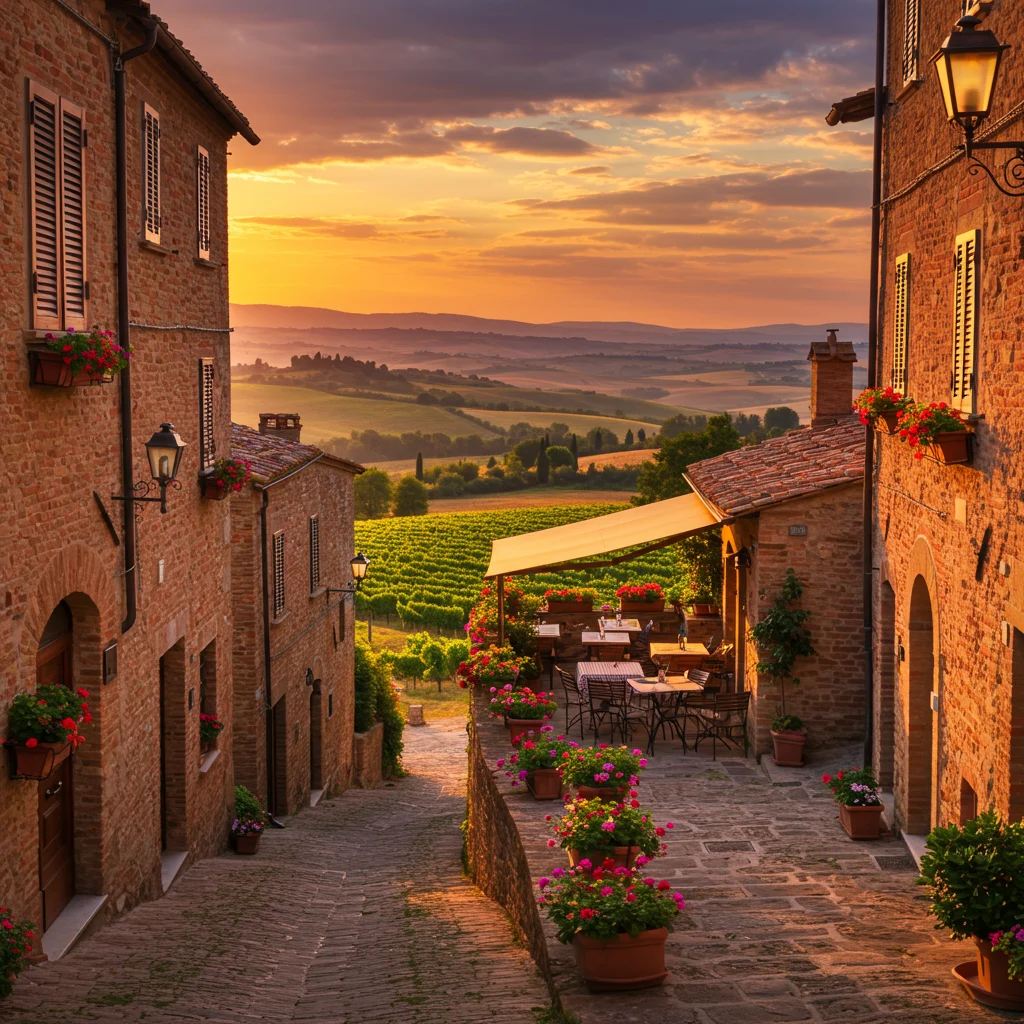
Each stop adds depth and richness to our experience, rewarding curiosity and a spirit of adventure.
How to Find Authentic Tuscan Food Along the Way
Sampling authentic Tuscan cuisine is a highlight of any road trip. We recommend seeking out local markets, family-run trattorias, and agriturismos that serve seasonal dishes made from regional ingredients. Talking with residents and following our senses often leads to the best meals.
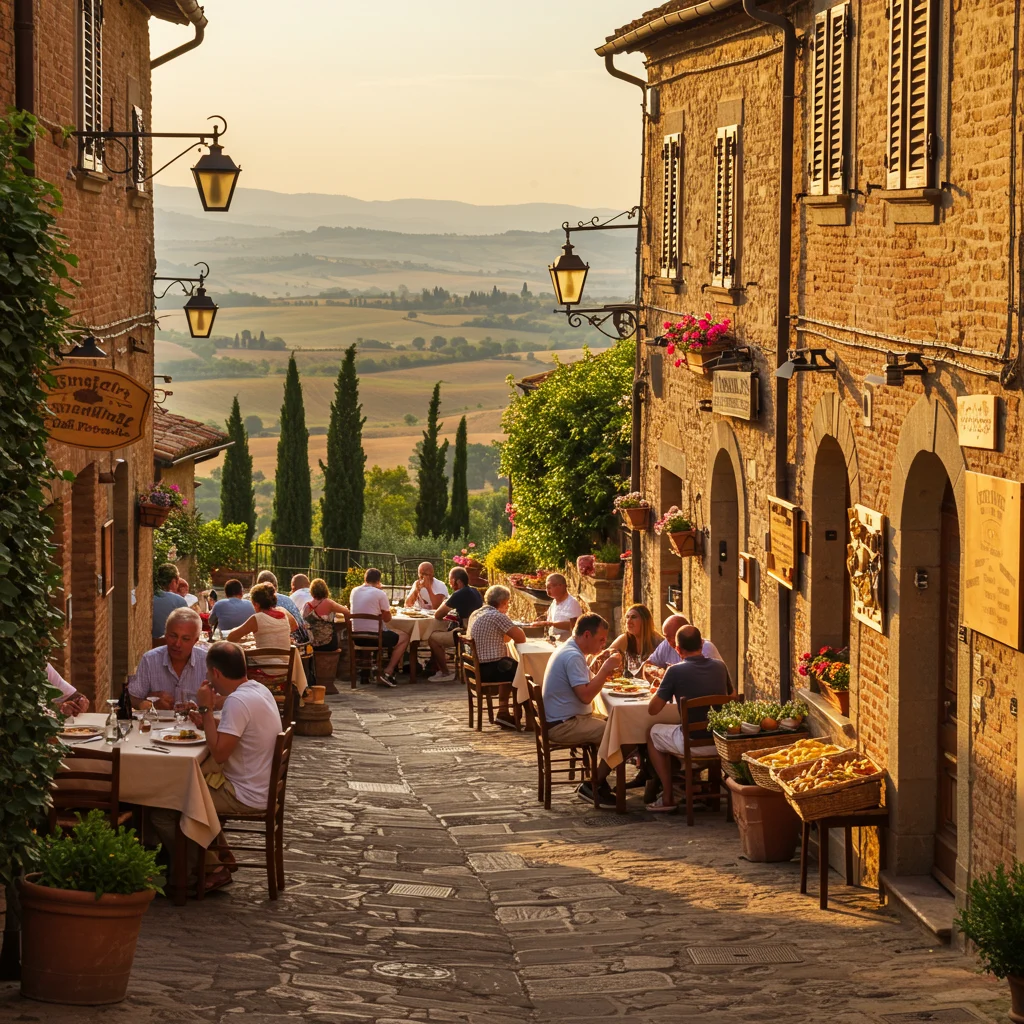
For more insight on culinary traditions and hidden gems, our Siena guide offers additional recommendations for savoring the region’s flavors.
Where to Stay: Boutique Hotels, Agriturismos, and Castles
Accommodations in Tuscany cater to every taste and budget. We can choose from boutique hotels in historic town centers, rustic agriturismos surrounded by vineyards, or even centuries-old castles converted into luxury retreats.
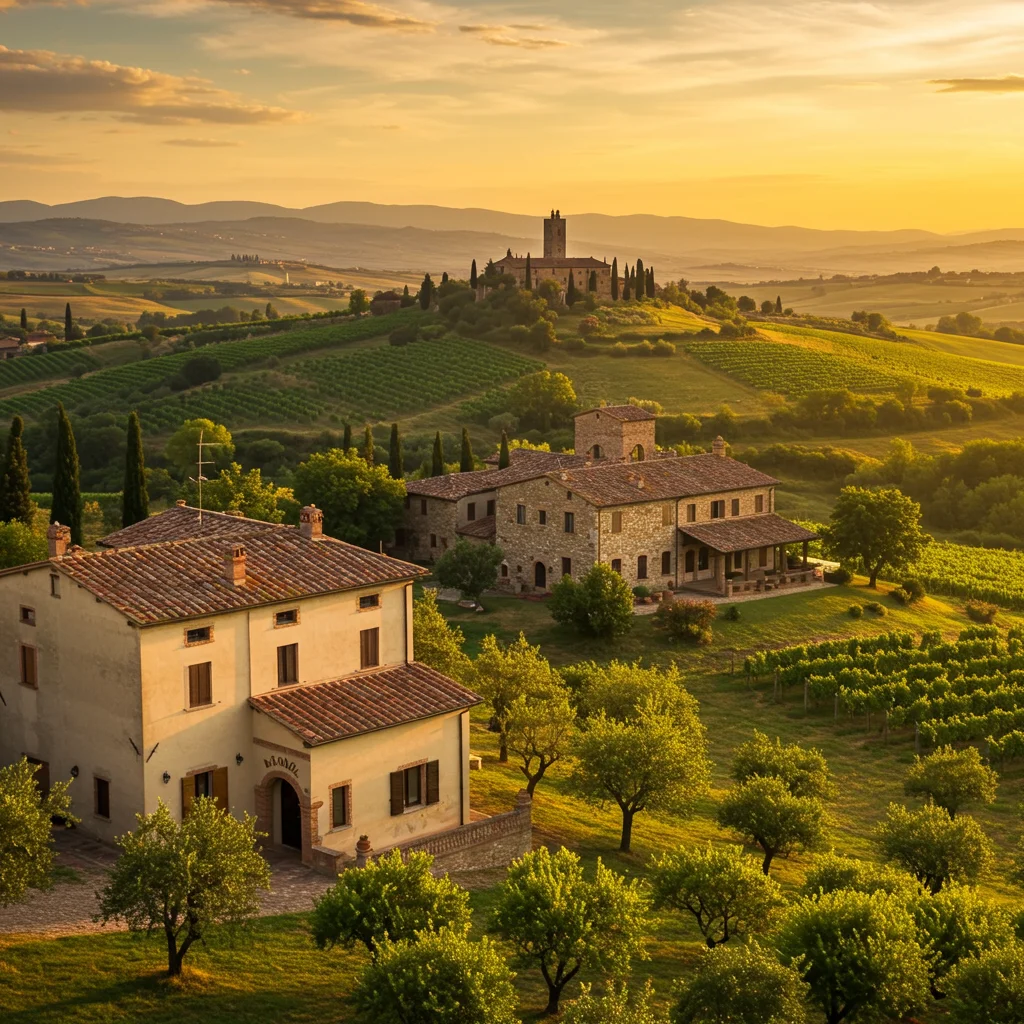
Staying in locally owned properties supports the community and provides a more personal, immersive experience. Many hosts offer cooking classes, wine tastings, or guided tours of the surrounding countryside.
Tips for Responsible and Sustainable Travel in Tuscany
We believe in traveling thoughtfully and minimizing our impact. This means respecting local customs, reducing plastic waste, and supporting small businesses. Choosing eco-friendly accommodations, conserving water, and avoiding single-use plastics are simple ways to make a difference.
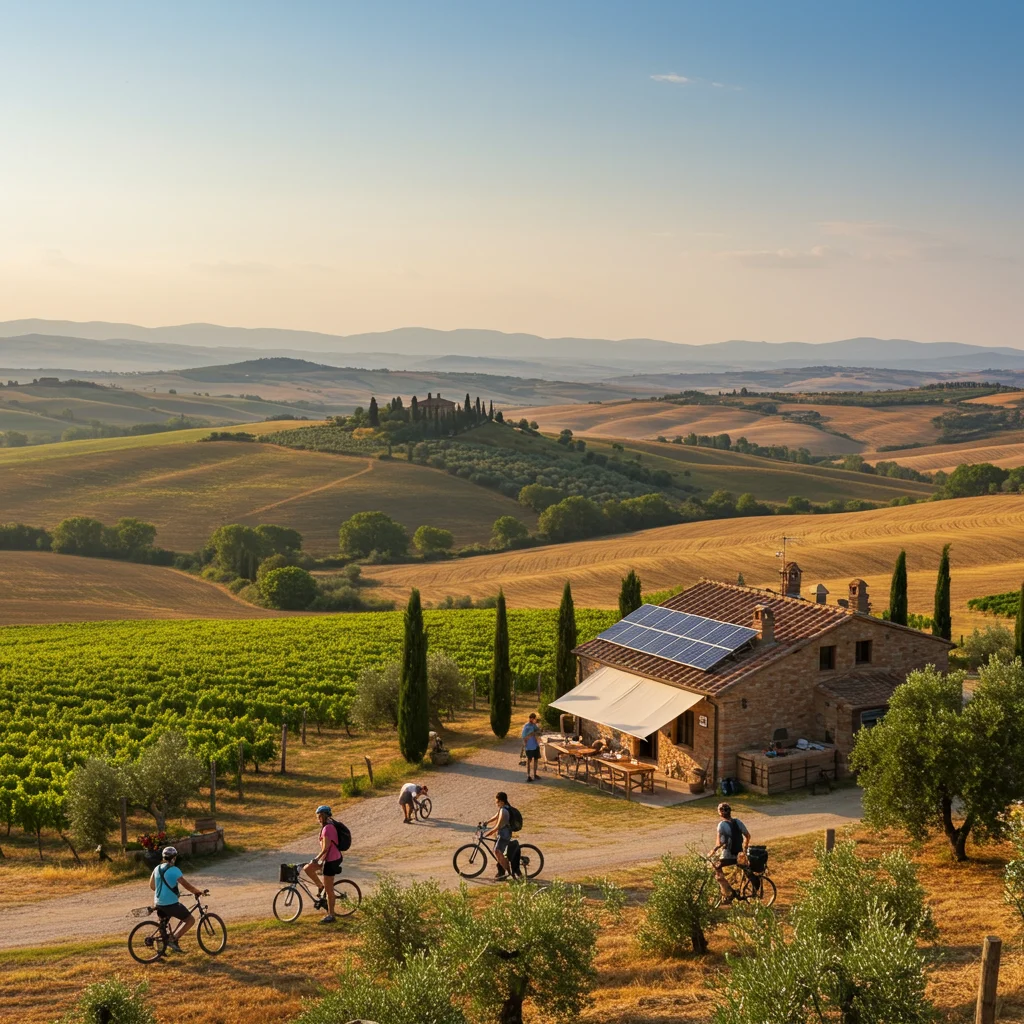
Whenever possible, we recommend opting for experiences that benefit the environment and local communities—such as farm visits, guided hikes, or artisan workshops.
Photography Tips for Capturing Scenic Drives
Tuscany offers endless inspiration for photographers, from misty valleys at dawn to golden sunsets over ancient villages. To capture the region’s beauty, we suggest shooting during the “golden hour” and seeking out high vantage points for sweeping landscapes.
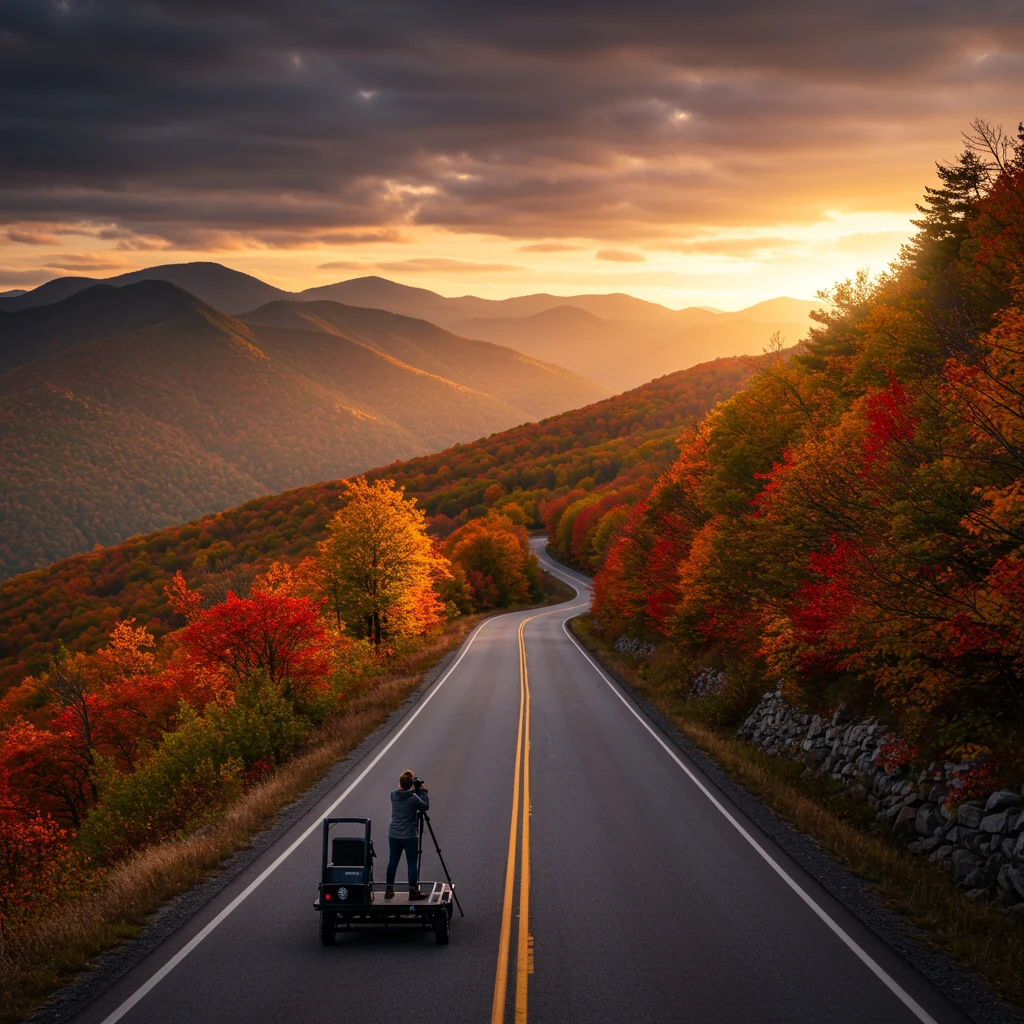
- Keep your camera or phone handy for spontaneous moments
- Experiment with different angles and perspectives
- Include people or local details to add context and emotion
As experts often say:
“The best travel photos tell a story—not just of places, but of the people and moments that make the journey unforgettable.”
How to Navigate ZTL (Limited Traffic Zones) in Italian Towns
Many Italian towns have ZTLs (Zona a Traffico Limitato)—restricted areas where only residents and authorized vehicles may enter. Signs mark the boundaries, and fines are issued automatically by cameras. We should always park outside these zones and walk into historic centers.
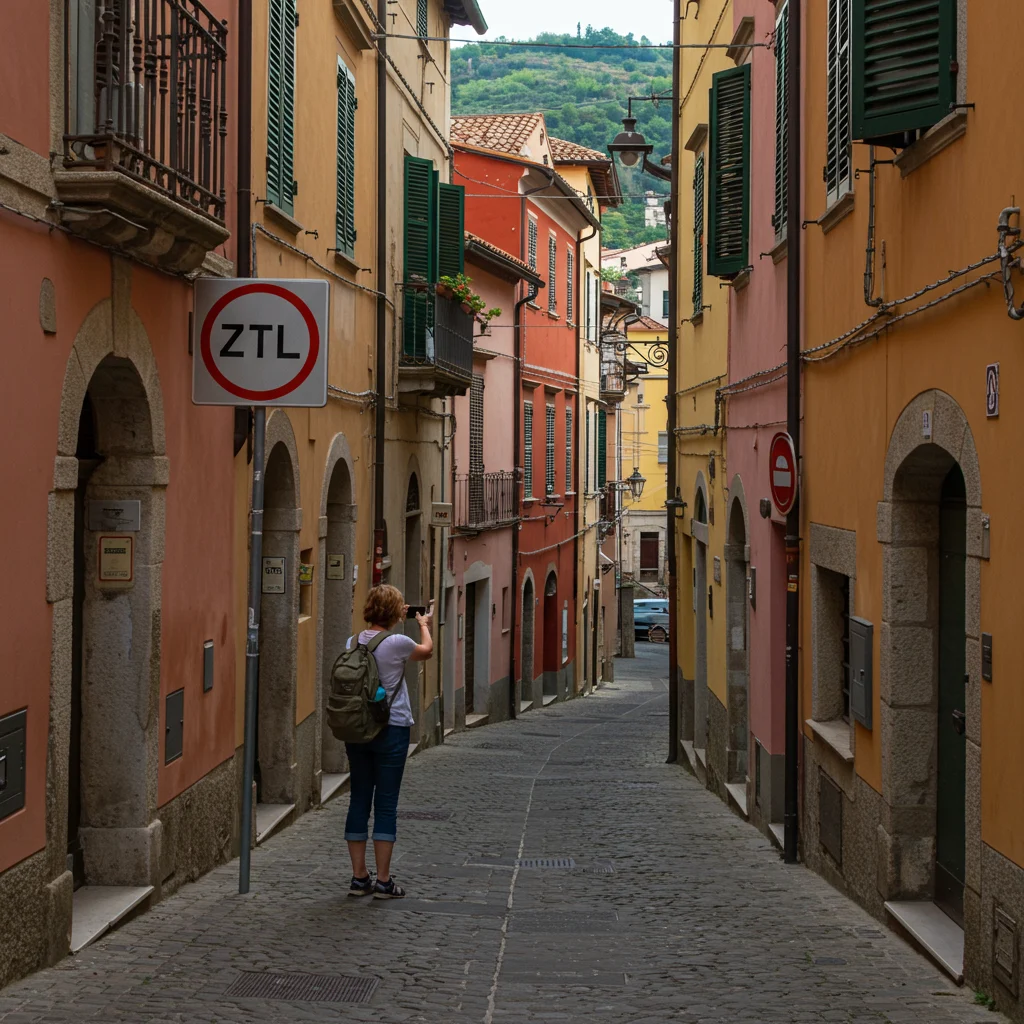
Most accommodations can provide permits or advice if we need to unload luggage. Careful planning avoids unwanted surprises and keeps our trip stress-free.
Safety Tips for Driving in Rural Tuscany
Rural roads can be narrow, winding, and occasionally unpaved. We recommend driving at a moderate speed, especially on unfamiliar routes. Watch for wildlife, cyclists, and farm vehicles, particularly at dawn or dusk.
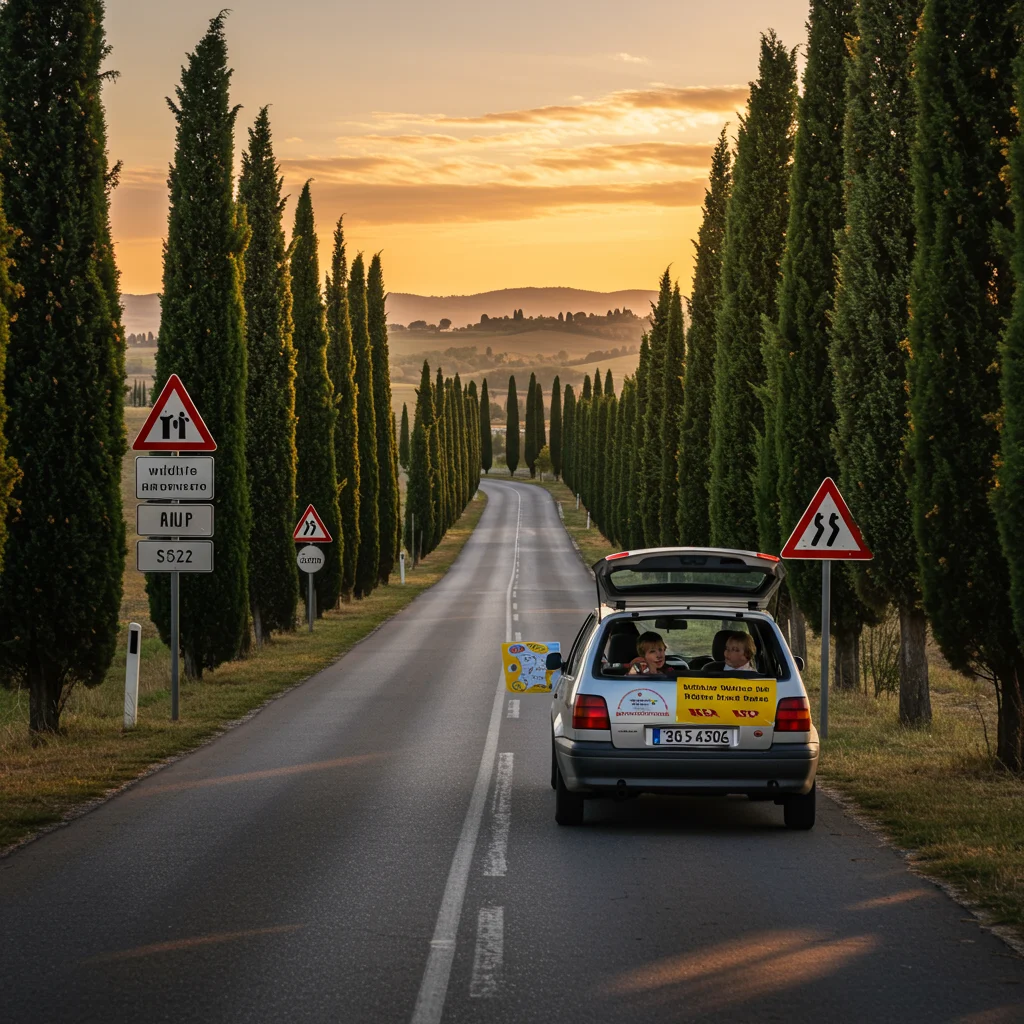
Carrying a spare tire, water, and a basic first-aid kit is also wise, as help may be farther away than in urban areas. Staying alert and flexible ensures a safe and enjoyable journey.
What Are the Best Local Markets to Visit?
Tuscany’s local markets are treasure troves of fresh produce, handmade crafts, and regional specialties. Markets in towns like Greve in Chianti, Montepulciano, and Pienza offer a lively glimpse into daily life—and the chance to sample cheese, olive oil, and seasonal fruit.
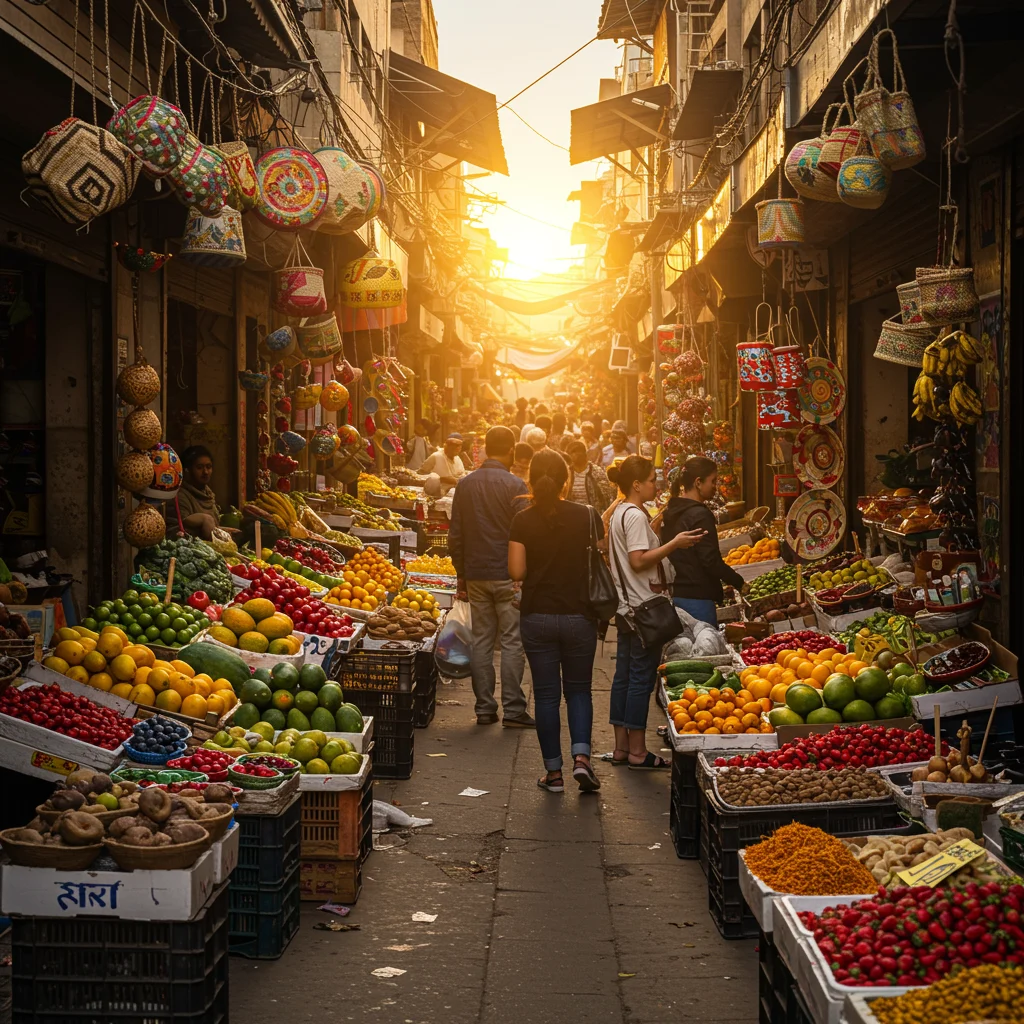
Arriving early allows us to mingle with locals, secure the best finds, and enjoy the vibrant atmosphere before the crowds arrive.
Day Trips and Short Hikes Near Hidden Towns
Many hidden Tuscan towns are surrounded by scenic trails, nature reserves, and archaeological sites. We can enjoy easy walks through vineyards, more challenging hikes in the Apennines, or guided excursions to Etruscan ruins.
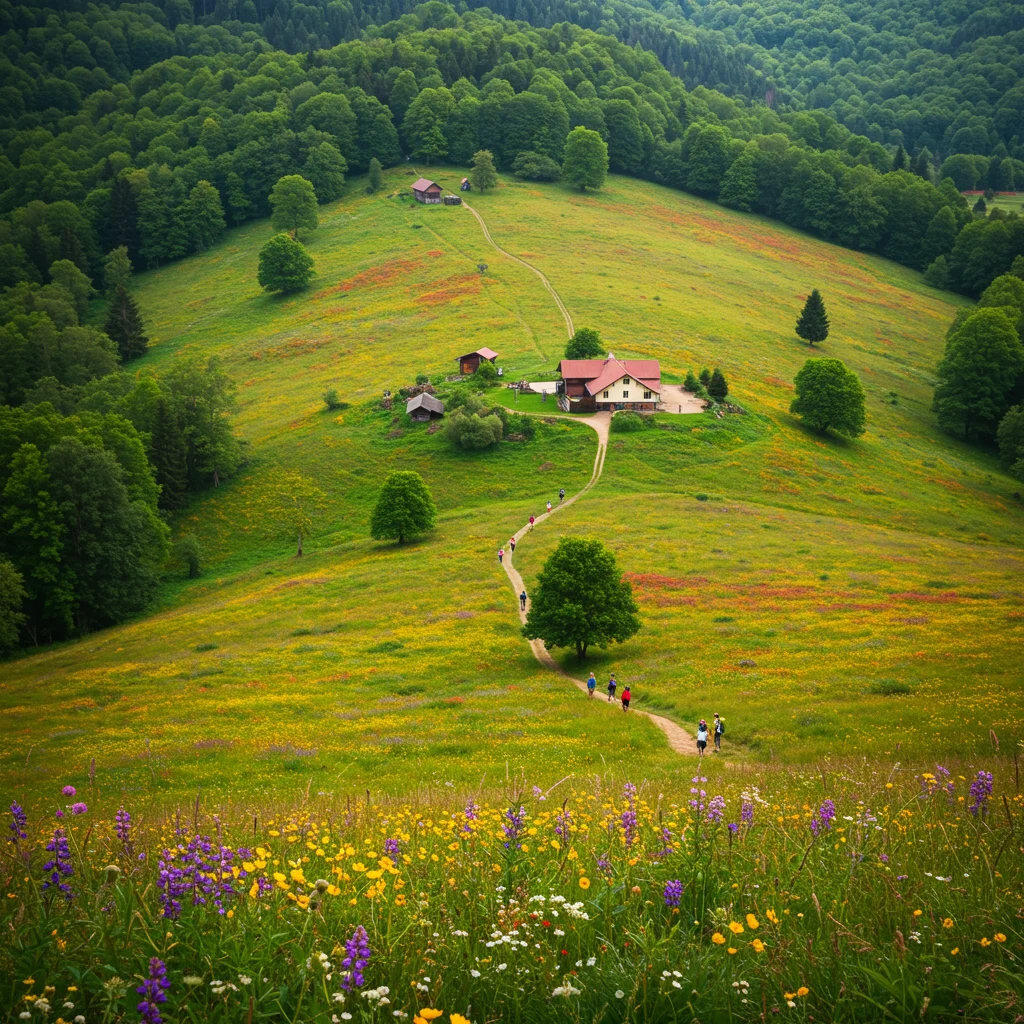
Planning a few short hikes adds variety to our trip and provides a deeper connection to the landscape. For those interested in combining food, wine, and countryside walks, our Rome to Tuscany countryside guide offers more ideas.
Cultural Etiquette: How to Connect with Locals
Building meaningful connections with locals enriches our travel experience. A friendly “buongiorno,” a respectful tone, and a willingness to learn about regional customs go a long way. We recommend greeting shopkeepers, trying a few words of Italian, and showing genuine interest in local traditions.
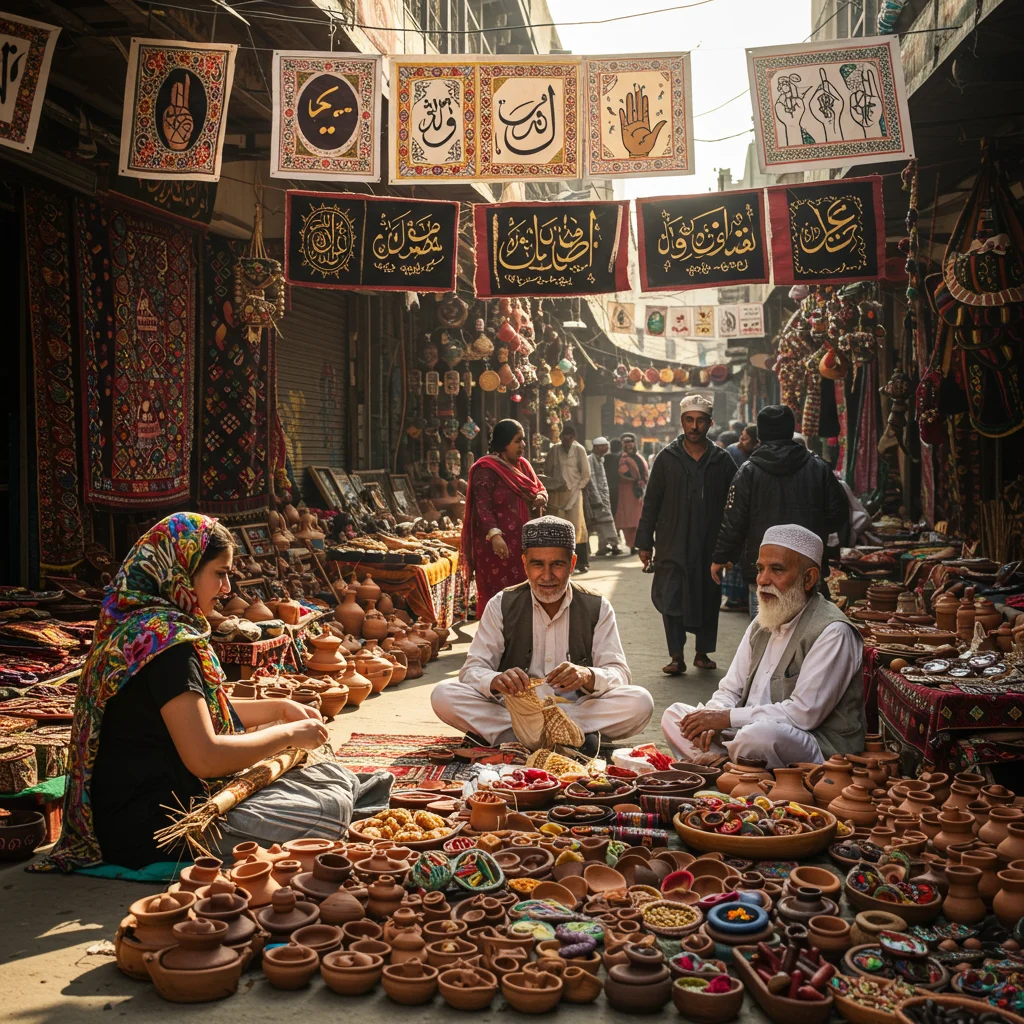
Participating in village festivals, food tastings, or artisan workshops opens doors to authentic interactions and lasting memories.
How to Extend Your Trip: Continuing Beyond Tuscany
For those with more time, the journey need not end in Tuscany. We can head south toward Rome, explore the Ligurian coast, or venture east to the hills of Umbria. Each region offers its own unique blend of landscapes, history, and cuisine.
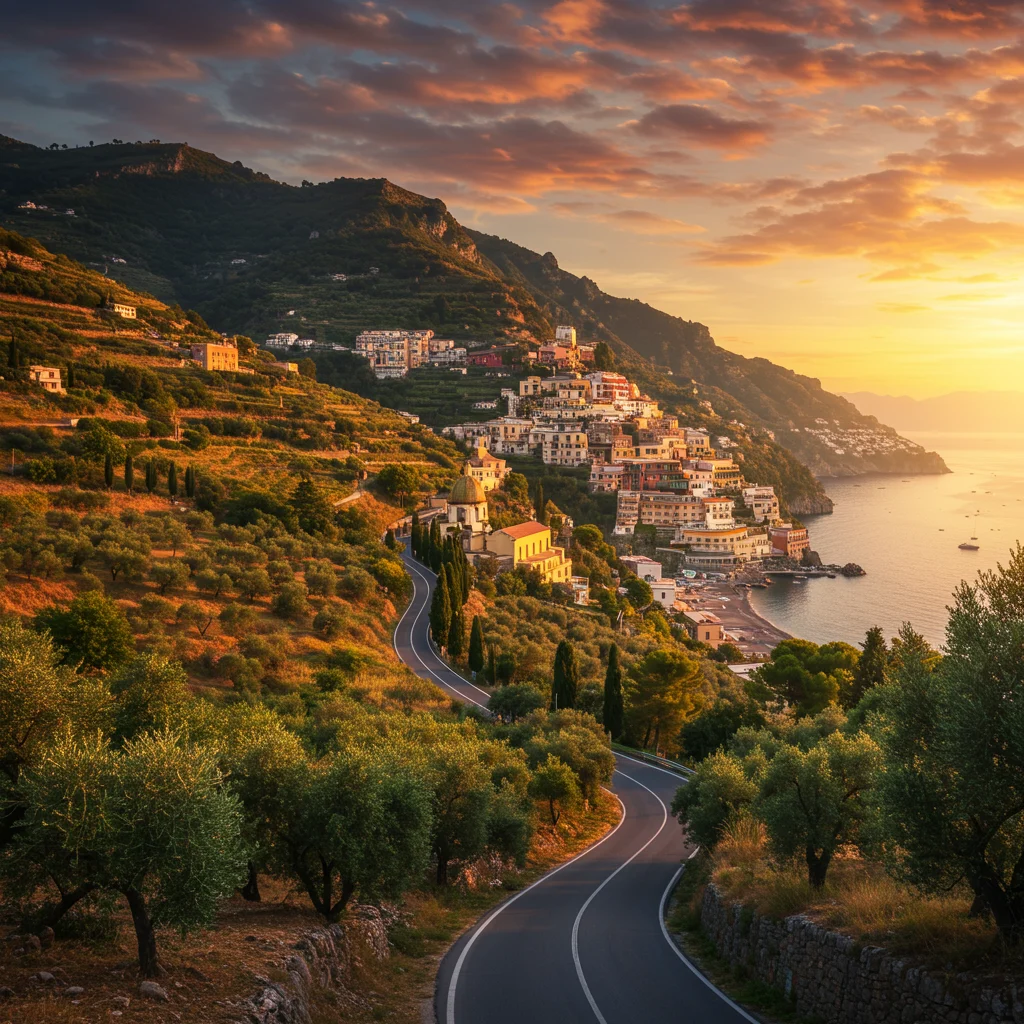
Planning ahead and staying flexible allows us to adapt our route, making the adventure as long—or as short—as we desire.
Frequently Asked Questions About Milan to Tuscany Road Trips
Do I need an international driver’s license? Non-EU visitors are required to carry an International Driving Permit along with their home license.
Is it easy to find gas stations? Yes, but stations in rural areas may close early. Fill up before heading into the countryside.
Can I visit Pisa or Siena on this route? Absolutely—both are accessible by car and make excellent additions to any itinerary. For a deeper look at what to see in Siena, consult our Siena travel guide.
How to Book on Viator
Booking activities, guided tours, and unique experiences is simple with Viator. We recommend browsing their extensive selection of tours, from wine tastings to private city walks, to enhance our journey through Tuscany.
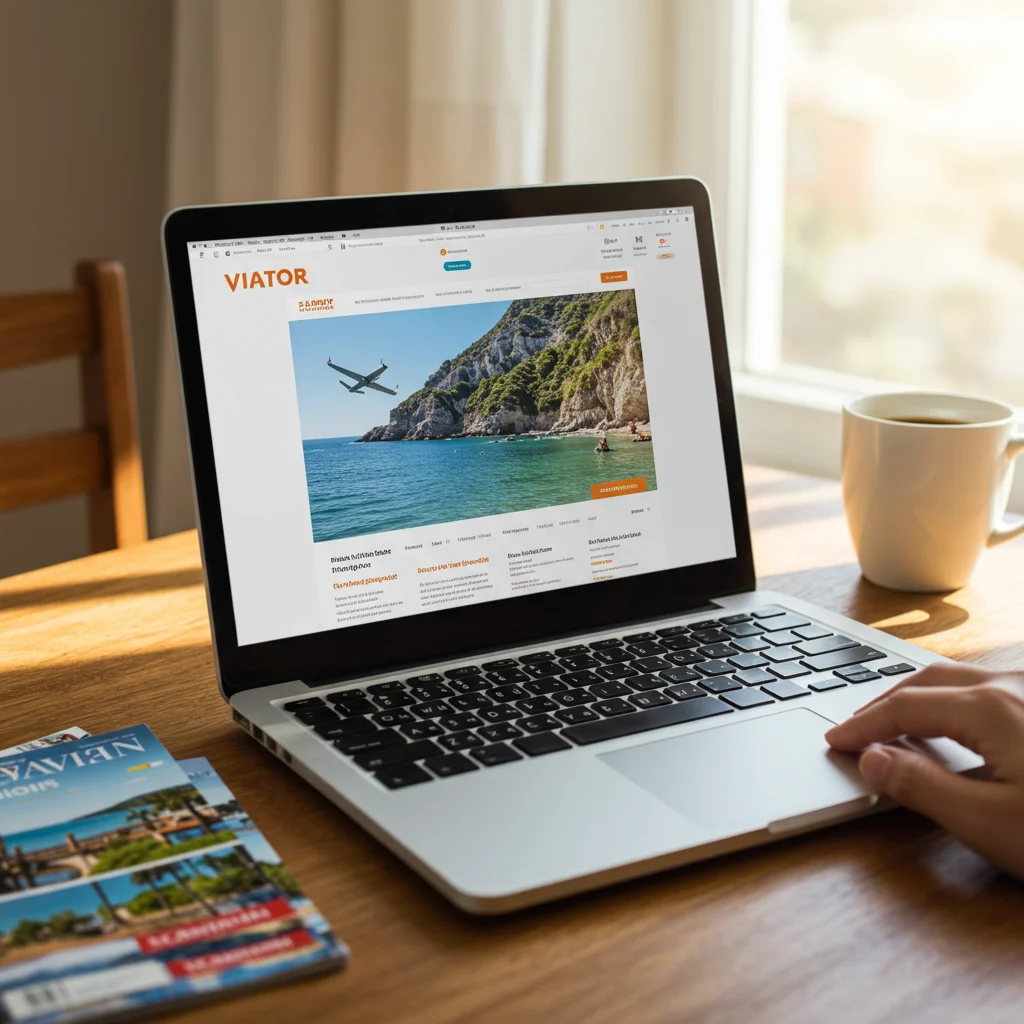
To plan your trip, simply search for your desired destination or activity, compare options, and reserve securely online. Viator’s platform offers user reviews and instant confirmation, making it easy to customize our itinerary with memorable experiences.
Conclusion: Why the Journey Is Just as Magical as the Destination
Traveling from Milan to Tuscany’s hidden towns by car is more than a means of getting from point A to point B—it’s an invitation to slow down, savor each moment, and discover the heart of Italy. The memories we create along winding country roads, in sunlit piazzas, and over shared meals linger long after the trip ends. For more inspiration and expert travel advice, visit Izase and let your next Italian adventure begin.
Disclaimer: This information is accurate to the best of our knowledge; however, there may be changes or mistakes. Please verify exact details on the Viator booking page.