
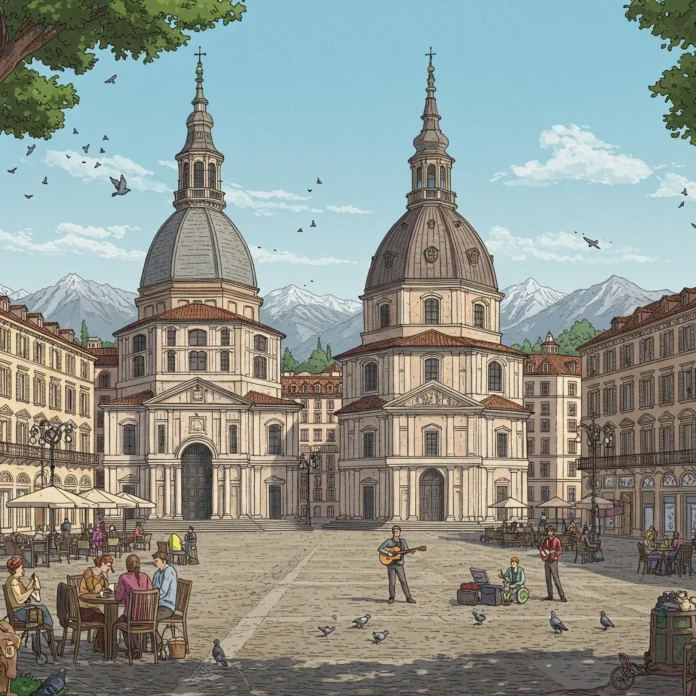

Introduction to Piazza San Carlo
Piazza San Carlo stands at the heart of Turin, renowned for its elegant architecture, vibrant social scene, and centuries of history. The square’s wide open space, lined with porticoes and bustling cafés, creates a unique atmosphere where the past meets the present. Locals and visitors alike gather here to enjoy the ambiance, admire the artistry, and participate in city life.
The square’s timeless charm is amplified by the rhythmic sounds of footsteps on ancient stones, the aroma of espresso drifting from historic cafés, and the ever-present view of the majestic Alps on clear days.
Where Is Piazza San Carlo Located?
Piazza San Carlo is centrally located in Turin, Italy, forming a pivotal point in the city’s grid. It sits along the elegant Via Roma, connecting Piazza Castello to the north and Porta Nuova railway station to the south. This location makes it a natural crossroads for both locals and tourists, facilitating easy access to many of Turin’s most beloved attractions.
Why Is Piazza San Carlo Known as the ‘Grand Square’?
Piazza San Carlo earns the title of the ‘Grand Square’ due to its impressive scale, architectural harmony, and historical significance. The square’s vastness creates a sense of openness rare in urban centers, while the symmetrical facades and porticoes highlight the city’s Baroque legacy. Locals affectionately refer to it as “Turin’s drawing room” because it has long served as a gathering place for important events, celebrations, and daily life.
A Brief History of Piazza San Carlo
The story of Piazza San Carlo is woven deeply into Turin’s development, reflecting the city’s growth from a medieval stronghold to a refined European capital. Each era has left its mark, shaping the square’s appearance and purpose.
Origins and Early Development
The square’s origins date back to the early 17th century, when urban planners envisioned a grand public space to reflect the ambitions of the House of Savoy. Construction began around 1638, transforming what was then an undeveloped area into an orderly, sophisticated plaza.
Piazza San Carlo in the Baroque Era
During the Baroque period, the square became a showcase for Turin’s artistic aspirations. The elegant facades, porticoes, and the twin churches were designed to impress, representing the city’s wealth and power. The Baroque influence is still visible today in the harmonious proportions and ornate details that define the square’s unique character.
Key Historical Events at Piazza San Carlo
Over the centuries, Piazza San Carlo has hosted royal parades, political rallies, and public celebrations. It served as a stage for significant events such as the proclamation of the Kingdom of Italy and gatherings for national holidays. The square’s central location made it an ideal setting for moments that shaped Turin’s identity.
How Has the Square Evolved Over the Centuries?
While the core design of the square has been carefully preserved, Piazza San Carlo has adapted to the changing needs of the city. Modern amenities have been integrated without sacrificing historical integrity, and the square continues to serve as a venue for both tradition and innovation. Restoration efforts ensure the square remains as captivating today as it was centuries ago.
Architectural Marvels of Piazza San Carlo
The architectural splendor of Piazza San Carlo is a defining feature. From its Baroque facades to the iconic twin churches, every element has been crafted to create a sense of harmony and grandeur.
The Baroque Design: What Makes It Unique?
The square’s Baroque architecture is characterized by symmetry, rhythm, and rich decorative details. The elegant arcades provide shelter and continuity, while the facades display intricate stucco work and sculpted ornamentation. The interplay of light and shadow across the buildings enhances the sense of depth and sophistication.
Who Were the Architects Behind Piazza San Carlo?
The transformation of Piazza San Carlo was led by renowned architects such as Carlo di Castellamonte and his son Amedeo di Castellamonte. Their vision laid the groundwork for the square’s harmonious proportions and urban coherence, setting a standard for city planning in Turin and beyond.
Symmetry and Urban Planning
The square’s design emphasizes symmetry and linear perspective, aligning perfectly with Via Roma and the surrounding streets. This careful planning creates a visual axis that draws the eye to the twin churches and the equestrian statue at the center, reinforcing the sense of order and grandeur.
The Twin Churches: Santa Cristina and San Carlo Borromeo
At the southern end of Piazza San Carlo, two nearly identical churches—Santa Cristina and San Carlo Borromeo—anchor the square with their stately facades. These “twin churches” are a hallmark of Baroque urban design, balancing the architectural composition and providing spiritual resonance.
Santa Cristina: History and Features
Santa Cristina was constructed in the 17th century and features a richly decorated facade designed by Filippo Juvarra. Inside, visitors find a serene atmosphere, gilded altars, and delicate frescoes that reflect the artistic trends of the era.
San Carlo Borromeo: History and Features
San Carlo Borromeo mirrors its twin in both style and scale, with subtle differences in ornamentation. The church is dedicated to Saint Charles Borromeo, and its interior showcases a blend of Baroque and Neoclassical elements, including elegant columns and luminous chapels.
The Equestrian Statue of Emmanuel Philibert
The center of Piazza San Carlo is dominated by the striking equestrian statue of Emmanuel Philibert, Duke of Savoy. Known locally as the Caval ‘d Brons, this bronze masterpiece by Carlo Marochetti (1838) depicts the duke sheathing his sword, symbolizing peace after victory. The statue serves as a beloved meeting point and a powerful reminder of Turin’s royal heritage.
The Porticoes: A Walk Through Time
The square’s continuous porticoes offer both shelter from the elements and a sense of intimacy amid the city’s bustle. Strolling beneath these arcades, one can appreciate the craftsmanship of the stonework, the soft glow of lanterns at dusk, and the timeless elegance that has inspired generations.
Piazza San Carlo’s Role in Turin’s Urban Fabric
Piazza San Carlo is more than a historic site; it is a living, breathing part of Turin’s daily rhythm. Its strategic position and inviting layout encourage both movement and pause, uniting the city’s past and present.
How Does Piazza San Carlo Connect to Turin’s Main Streets?
The square acts as a central node in Turin’s street network, seamlessly linking major thoroughfares and public spaces.
Relation to Via Roma and Via Po
Via Roma runs directly through Piazza San Carlo, providing a grand promenade lined with shops and boutiques. To the east, Via Po extends toward the River Po, creating a direct route to other significant city landmarks and cultural destinations.
Proximity to Other Landmarks
From Piazza San Carlo, visitors can easily reach Piazza Castello, the Royal Palace, and several renowned museums. The square’s location makes it an ideal starting point for exploring Turin’s rich tapestry of attractions, whether you are interested in art, history, or cuisine.
Piazza San Carlo as a Social and Cultural Hub
The square has long served as Turin’s social heart, attracting artists, intellectuals, and everyday citizens. Outdoor seating, street performances, and cultural events infuse the space with vitality, making it a place where conversations flow as freely as the coffee.
Daily Life in Piazza San Carlo
On any given day, one can observe a lively mix of locals chatting over espresso, children playing near the statue, and tourists capturing the perfect photograph. The gentle hum of conversation and the subtle notes of live music blend with the clatter of cups and the distant chimes of church bells.
What Events Take Place in the Square Today?
Today, Piazza San Carlo hosts concerts, open-air markets, art installations, and public gatherings throughout the year. The square’s adaptable space accommodates both grand spectacles and intimate performances, ensuring there is always something new to experience.
Famous Cafés and Historic Establishments
The legendary cafés of Piazza San Carlo are woven into the fabric of Turin’s social and cultural life. These establishments offer more than just fine coffee—they provide a window into the city’s history and traditions.
Caffè San Carlo: A Legacy of Taste
Caffè San Carlo, founded in 1842, is a symbol of elegance and refinement. Its gilded interiors, marble counters, and sparkling chandeliers evoke the grandeur of a bygone era. The café has welcomed poets, politicians, and artists, serving as a meeting place for influential minds over the centuries.
Caffè Torino: Stories and Specialties
Caffè Torino, another iconic establishment, delights visitors with its art nouveau decor and signature drinks. The café’s terrace overlooks the square, offering a perfect spot to savor a bicerin—a traditional Turinese chocolate and coffee beverage—while soaking in the lively surroundings.
Why Are These Cafés Important to Turin’s Culture?
These historic cafés have played a pivotal role in shaping Turin’s identity, serving as gathering spots for debate, creativity, and celebration. Their longevity and commitment to tradition make them custodians of the city’s unique flavors and stories.
Shopping and Boutiques Around Piazza San Carlo
The arcades of Piazza San Carlo and the adjoining streets are home to some of Turin’s most prestigious boutiques and artisan shops, making shopping here a delightful experience.
Must-Visit Shops and Brands
Fashion enthusiasts will find renowned Italian brands, luxury leather goods, and elegant jewelry boutiques. Window displays dazzle with seasonal collections, reflecting the city’s reputation for taste and sophistication.
Local Artisan Offerings
Artisans offer handmade chocolates, silk scarves, and unique souvenirs, each crafted with a dedication to quality. These treasures provide a tangible connection to Turin’s heritage and make for memorable gifts.
Art and Monuments in Piazza San Carlo
Piazza San Carlo is a veritable open-air museum, where every statue and monument tells a story. The interplay of art and history enriches the experience of all who visit.
What Is the Significance of the Caval ‘d Brons?
The Caval ‘d Brons—the equestrian statue of Emmanuel Philibert—stands as one of Turin’s most recognizable symbols. Its commanding presence at the center of the square invites admiration and reflection, reminding all who pass of the city’s royal past.
Other Statues and Memorials
In addition to the central statue, Piazza San Carlo features commemorative plaques and smaller sculptures honoring notable figures and events. These memorials provide insight into the city’s complex and layered history.
Public Art Installations and Temporary Exhibits
The square often hosts contemporary art installations and temporary exhibits, adding fresh perspectives to its historic setting. These creative interventions foster dialogue between the old and the new, engaging both residents and visitors.
Piazza San Carlo in Literature and Cinema
The allure of Piazza San Carlo has inspired writers, filmmakers, and artists for generations. Its timeless beauty and dramatic atmosphere provide a rich backdrop for creative expression.
Famous Literary References
Renowned Italian authors have referenced Piazza San Carlo in novels, essays, and poetry, using its evocative setting to convey emotion and meaning. The square’s unique character resonates in literary works that explore Turin’s spirit and history.
How Has the Square Been Portrayed in Films?
Filmmakers are drawn to Piazza San Carlo for its cinematic appeal. The square’s elegant lines, glowing lanterns, and lively crowds have appeared in both classic Italian cinema and international productions, adding visual depth and authenticity to their stories.
Artistic Inspirations Drawn from the Square
Painters and photographers have long sought to capture the square’s interplay of light and shadow, its architectural harmony, and the vibrant life unfolding within its boundaries. The result is a rich body of work that continues to inspire new generations of artists.
Seasonal Events and Festivals
Throughout the year, Piazza San Carlo transforms to host a dynamic calendar of events, infusing the square with excitement and color. Each season brings new opportunities for celebration and community.
Which Major Festivals Take Place Here?
The square is a key venue for some of Turin’s most popular festivals, including the Turin International Book Fair and the city’s annual chocolate festival. Crowds gather to enjoy live performances, sample local delicacies, and participate in cultural activities.
Christmas Markets and Winter Celebrations
During the winter months, Piazza San Carlo sparkles with festive lights and hosts a charming Christmas market. Stalls brim with handmade crafts, aromatic treats, and seasonal gifts, creating a warm and inviting atmosphere despite the chilly air.
Music Concerts and Open-Air Performances
From classical orchestras to contemporary bands, the square’s acoustics and spacious layout make it an ideal stage for open-air concerts. The energy of a live performance beneath the stars, surrounded by historic facades, is truly unforgettable.
Piazza San Carlo’s Role in Political and Social Movements
Piazza San Carlo has always been a focal point for public expression, witnessing both moments of unity and times of tension. Its central location and symbolic weight make it a natural stage for political and social movements.
Historical Demonstrations and Gatherings
Over the centuries, the square has hosted demonstrations advocating for national unity, civil rights, and social change. These gatherings have often shaped the city’s—and sometimes the country’s—political landscape.
Modern-Day Protests and Public Assemblies
Today, Piazza San Carlo continues to serve as a site for peaceful protests, vigils, and civic assemblies. The square’s openness allows people from all walks of life to come together and voice their hopes and concerns.
Tragic Events and Their Impact
At times, tragedy has touched the square, most notably during the 2017 crowd surge incident. The resilience of the community and the subsequent improvements in safety measures reflect Turin’s commitment to learning from the past and protecting all who visit.
Visiting Piazza San Carlo: Practical Information
Planning a visit to Piazza San Carlo is straightforward, thanks to its central location and excellent transport links. Whether you are exploring on your own or with a guide, the square offers a welcoming atmosphere and plenty to see.
How to Get to Piazza San Carlo
The square is easily accessible by tram, bus, or a short walk from Turin’s main train station, Porta Nuova. Ample signage and clear pedestrian routes make navigation simple for first-time visitors.
Best Times to Visit the Square
Early mornings offer a tranquil experience, with soft sunlight illuminating the facades and few crowds. Evenings are lively, with the square bathed in golden light and the hum of activity from surrounding cafés and shops.
Accessibility for Visitors
Piazza San Carlo is designed to be accessible for all, with smooth pavements and ramps at key entry points. Public seating and nearby facilities ensure comfort for visitors of every age and ability.
Guided Tours and Walking Routes
Guided tours are available for those who wish to delve deeper into the square’s history and architecture. Walking routes often include nearby attractions, offering a comprehensive introduction to Turin’s historic center.
Tips for Experiencing Piazza San Carlo Like a Local
- Order a bicerin at one of the historic cafés and savor it at an outdoor table.
- Visit during a festival or concert for a truly memorable atmosphere.
- Take time to admire the details of the porticoes and church facades.
- Strike up a conversation with locals; many are happy to share stories about the square.
If you’re interested in seeing more of Italy’s historic squares, you might enjoy our insights on Siena’s medieval treasures.
Nearby Attractions to Explore
Piazza San Carlo serves as a convenient base for discovering Turin’s many cultural and historical landmarks, all within easy walking distance.
Museo Egizio
The Museo Egizio is one of the world’s foremost collections of Egyptian antiquities, drawing history enthusiasts and scholars from around the globe.
Palazzo Carignano
Palazzo Carignano is an architectural gem and the birthplace of the first King of Italy. Its ornate facade and fascinating exhibits make it a must-see for anyone interested in Italian unification.
Teatro Regio
The Teatro Regio is Turin’s premier opera house, renowned for its world-class performances and striking modernist architecture.
The Royal Palace of Turin
The Royal Palace offers a glimpse into the opulent lifestyle of the House of Savoy, with lavish interiors and beautifully manicured gardens.
Piazza Castello
Piazza Castello is another central square, surrounded by museums, historic buildings, and lively cafes. It is often the starting point for guided tours of Turin’s historic center.
Where to Eat and Drink Around Piazza San Carlo
The area surrounding Piazza San Carlo is a culinary delight, offering everything from traditional Piedmontese cuisine to contemporary dining experiences.
Traditional Piedmontese Cuisine
Many nearby restaurants serve classic dishes such as agnolotti, vitello tonnato, and bagna cauda. The flavors are robust and comforting, often featuring seasonal ingredients from the region.
Recommended Restaurants and Bars
For fine dining, several acclaimed establishments offer tasting menus and extensive wine lists. Casual osterias and wine bars provide a relaxed setting to sample local specialties and mingle with residents.
Gelaterias and Sweet Treats
Gelaterias around the square tempt passersby with artisan gelato in a rainbow of flavors. Don’t miss the chance to try gianduiotto, Turin’s signature chocolate treat, for a sweet finish to your meal.
For those considering culinary adventures elsewhere in Italy, our article on exploring Chianti by Vespa with a gourmet lunch offers inspiration.
Piazza San Carlo for Families and Children
Piazza San Carlo welcomes families with its spacious layout, safe pedestrian zones, and family-friendly dining options.
Kid-Friendly Activities in the Square
Children can safely play near the statue or watch street performers while parents relax at outdoor cafés. Occasional puppet shows and festivals provide entertainment for younger visitors.
Family-Friendly Dining Options
Many restaurants and cafés offer children’s menus and high chairs, ensuring a comfortable dining experience for families. Sweet shops and gelaterias are always a hit with little ones.
Safety and Security in Piazza San Carlo
Piazza San Carlo is considered a safe destination, with a visible police presence and well-maintained public areas. The city has implemented additional safety measures in recent years to ensure the well-being of all guests.
Is Piazza San Carlo Safe for Tourists?
Petty crime is rare, but as in any popular tourist area, we recommend keeping an eye on personal belongings. The square is well-lit at night and frequently patrolled, making it comfortable for visitors even after dark.
Emergency Services and Facilities
Emergency services are readily accessible, with clear signage and helpful staff at nearby establishments. Public restrooms and first aid stations are available, particularly during large events.
As experts often say:
“A city’s true spirit is revealed in how it welcomes and protects its guests, ensuring every visitor feels both inspired and at ease.”
Photography Tips for Piazza San Carlo
Piazza San Carlo offers endless opportunities for memorable photographs, thanks to its harmonious architecture, lively atmosphere, and ever-changing light.
Best Photo Spots in the Square
- The central axis facing the twin churches, capturing their symmetrical beauty.
- Beneath the porticoes, framing arches and lanterns for a sense of depth.
- Beside the Caval ‘d Brons statue, with the square and Alps in the background.
Capturing the Square at Different Times of Day
Early morning provides soft, golden light with minimal crowds, while late afternoon brings dramatic shadows and vibrant street life. Nighttime photography reveals the square’s illuminated facades, creating a magical atmosphere.
For tips on photographing another of Italy’s architectural icons, see our piece on the Leaning Tower of Pisa.
Sustainable Tourism and Preservation Efforts
Preserving the beauty and integrity of Piazza San Carlo is a shared responsibility between the city, residents, and visitors. Sustainable practices are increasingly prioritized to protect this treasure for generations to come.
How Is the Square Being Preserved for Future Generations?
Restoration projects focus on maintaining the square’s historic features while adapting to modern needs. Efforts include careful cleaning of facades, preservation of original stonework, and regulation of commercial signage to maintain visual harmony.
Eco-Friendly Practices for Visitors
- Choose public transportation or walk to reduce your carbon footprint.
- Support local artisans and businesses that prioritize sustainability.
- Respect public spaces by disposing of waste responsibly and avoiding damage to monuments.
Fun Facts and Curiosities About Piazza San Carlo
Piazza San Carlo is full of intriguing stories and hidden gems waiting to be uncovered by the curious traveler.
Unusual Stories from the Square’s Past
Legend has it that Napoleon once admired the square’s symmetry and considered it among the finest in Europe. The cafés have hosted secret meetings, artistic debates, and even royal intrigues.
Hidden Details to Discover
Look for the small golden bull embedded in the pavement outside Caffè Torino—locals say spinning your heel on it brings good luck. The intricate carvings beneath the porticoes and the subtle differences between the twin churches reward those who pay close attention.
How to Book on Viator
Booking activities, guided tours, and experiences in Turin is made easy through Viator. You can plan your trip and secure spots on walking tours, museum visits, and culinary adventures with just a few clicks.
Viator offers a range of options tailored to different interests and schedules, ensuring every traveler finds something to enrich their visit to Piazza San Carlo and beyond.
Conclusion: Why You Should Visit Piazza San Carlo
Piazza San Carlo embodies the spirit of Turin—elegant, welcoming, and steeped in history. Whether you are drawn by its majestic architecture, lively events, or legendary cafés, a visit to this grand square promises lasting memories. We at Izase believe every traveler should experience the unique blend of beauty, culture, and community that defines this remarkable place.
Frequently Asked Questions About Piazza San Carlo
- Is Piazza San Carlo open to the public year-round? Yes, the square is accessible every day, with most attractions and cafés open throughout the year.
- Are there guided tours available? Yes, many companies and local guides offer walking tours that include Piazza San Carlo and nearby landmarks.
- What is the best way to reach the square from the train station? A short walk along Via Roma from Porta Nuova station brings you directly to the square.
- Are there events for children? Family-friendly events and performances are regularly held, especially during festivals and holidays.
- Can I book activities in advance? Absolutely. You can book activities and tours in advance to make the most of your visit.
Disclaimer: This information is accurate to the best of our knowledge; however, there may be changes or mistakes. Please verify exact details on the Viator booking page.