
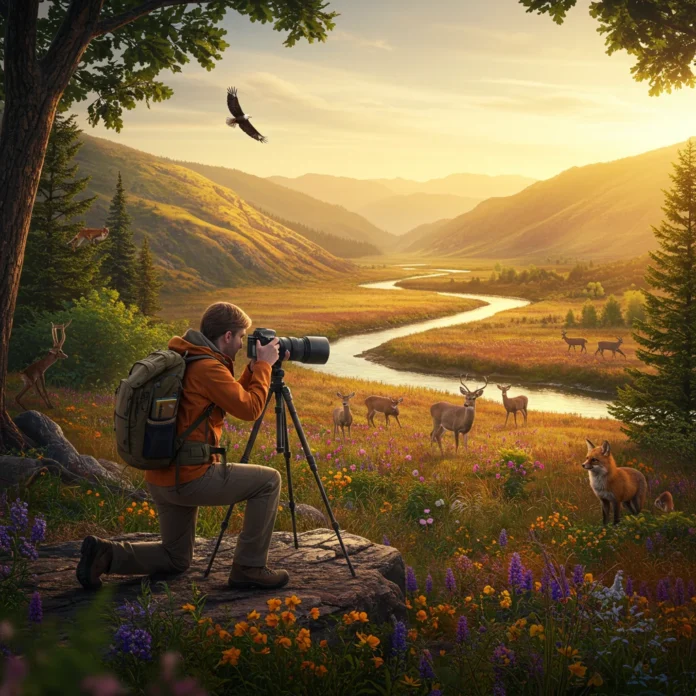

Introduction: The Art and Science of Wildlife Photography
Wildlife photography is both a technical pursuit and an art form, requiring patience, skill, and the right equipment. Photographers often find themselves waiting for hours, surrounded by the subtle sounds of nature and the anticipation of spotting elusive animals. The thrill comes not only from the subject but also from the challenge of recording fleeting moments in their natural context.
Having the right camera can make the difference between a missed opportunity and a breathtaking image. Whether you are drawn to the quiet of a forest or the vastness of the savannah, the tools you choose will shape your experience and your results.
Why Camera Choice Matters for Wildlife Photography
Choosing the correct camera is critical for wildlife photography because conditions are unpredictable, and subjects rarely wait for you to adjust your settings. Fast-moving animals, shifting light, and the need for discretion demand gear that responds quickly and reliably.
A camera that performs well in these conditions increases your chances of getting sharp, vibrant photos. It also allows you to focus on the creative aspects of composition and timing, rather than worrying about technical limitations.
What Makes a Camera Ideal for Capturing Wildlife?
Not every camera is suited to the demands of wildlife photography. The best models combine speed, durability, and flexibility, helping you react to whatever nature presents. Understanding the key features will help you make an informed decision.
Let’s break down the essential characteristics that set top wildlife cameras apart from the rest.
Essential Camera Features for Wildlife Photography
To consistently get sharp, detailed wildlife images, your camera should excel in several specific areas. These features ensure you are ready for quick action, changing weather, and long days in the field.
Autofocus Speed and Accuracy
Wildlife rarely stays still. Fast and accurate autofocus is crucial for tracking animals in motion, whether it’s a bird taking flight or a cheetah sprinting across the plains. Modern cameras use advanced algorithms and multiple focus points to lock onto subjects quickly.
Look for models with real-time tracking and eye-detection autofocus, especially if you want to photograph birds or mammals with unpredictable movements.
Sensor Size and Resolution
The sensor size impacts image quality and the ability to crop without losing detail. Full-frame sensors typically offer better dynamic range and low-light performance, but APS-C sensors can provide extra reach thanks to their crop factor.
A higher resolution sensor allows for larger prints and more flexibility in post-processing. However, extremely high resolutions can result in larger file sizes and may require faster memory cards.
Continuous Shooting (Burst Rate)
Wildlife action happens fast. A high burst rate (frames per second) increases your chance of freezing the perfect moment, such as a lion mid-leap or an eagle diving for prey. Professional cameras can shoot 10–30 frames per second or more.
This feature is especially important for photographing unpredictable events, where a split second makes all the difference.
Low-Light Performance and ISO Range
Early mornings and late evenings often provide the most dramatic wildlife encounters. A camera with excellent low-light performance and a wide ISO range allows you to shoot in challenging conditions without excessive noise.
Larger sensors and advanced noise reduction technology help maintain image quality in dim environments, letting you keep your shutter speed high enough to avoid motion blur.
Weather Sealing and Durability
Wildlife photographers face dust, rain, and humidity. Weather-sealed cameras protect sensitive electronics from moisture and debris, ensuring your gear survives tough conditions. Durable bodies made from magnesium alloy or similar materials add extra peace of mind.
Don’t overlook build quality when selecting your camera, especially if you plan to travel to remote or rugged locations.
Battery Life for Field Work
Long days in the wild mean you can’t always stop to recharge. Extended battery life is essential, especially if you shoot in cold temperatures or use power-hungry features like continuous autofocus and high burst rates.
Some cameras offer battery grips or the option to swap batteries quickly, both useful when you’re far from civilization.
Camera Weight and Portability
Wildlife photography often involves hiking or moving through rough terrain. A lighter, more portable camera can reduce fatigue and make it easier to react quickly. However, don’t sacrifice durability or essential features just for the sake of weight.
Consider your typical shooting environment and how much gear you’re comfortable carrying on long treks.
Lens Compatibility and Selection
The availability of high-quality lenses is just as important as the camera body itself. Telephoto lenses are a mainstay for wildlife work, allowing you to photograph animals from a respectful distance. Make sure your chosen camera has access to the lenses you need, whether natively or via adapters.
Lenses with fast autofocus and optical stabilization are especially valuable for wildlife shots. For more on gear versatility, see our review of top smartphone cameras for travel and how they compare in terms of flexibility.
DSLR vs. Mirrorless: Which is Better for Wildlife Photography?
The debate between DSLR and mirrorless cameras is ongoing, especially in wildlife photography circles. Each system offers unique benefits, and the best choice often depends on your preferences and shooting style.
Understanding the strengths and trade-offs of each can help you make an informed decision that suits your needs.
Advantages of DSLR Cameras
DSLRs have long been favored by wildlife photographers for their robust build and reliable performance. They typically offer longer battery life, thanks to optical viewfinders that draw less power.
The vast selection of lenses available for DSLRs is another significant advantage, especially for photographers who already own compatible glass.
Advantages of Mirrorless Cameras
Mirrorless models have rapidly advanced, offering silent shooting, faster burst rates, and real-time electronic viewfinders that display exposure and focus in real time. Their lighter weight makes them appealing for extended outings.
Many mirrorless cameras also excel in autofocus speed and tracking, particularly with recent firmware updates and new sensor technologies.
Key Differences to Consider
When comparing the two systems, consider factors such as battery life, lens ecosystem, and autofocus capabilities. Mirrorless cameras often provide superior video features and technology updates, while DSLRs still lead in some aspects of durability and battery endurance.
Ultimately, your choice will depend on which features matter most for your wildlife adventures and how you plan to use your camera.
Top Cameras for Wildlife Photography in 2024
The current camera market offers a range of excellent options for all levels of wildlife photographers. Whether you’re a seasoned professional or just starting out, there’s a camera that fits your needs and budget.
Here’s a detailed look at the best cameras available in 2024, categorized for professionals, enthusiasts, and beginners.
Best Overall: Flagship Models for Professionals
Professional wildlife photographers require uncompromising performance. The flagship models below deliver cutting-edge technology, remarkable speed, and robust durability for demanding shoots.
Canon EOS R3: Features and Performance
The Canon EOS R3 is designed for speed and precision, featuring a stacked sensor, lightning-fast autofocus, and impressive low-light capabilities. Its eye-control autofocus allows you to select focus points just by looking at them in the viewfinder, making it easier to track erratic wildlife.
With a burst rate of up to 30 fps and advanced weather sealing, the R3 is purpose-built for challenging field conditions.
Nikon Z9: Features and Performance
The Nikon Z9 has earned praise for its class-leading autofocus, 45.7MP resolution, and blackout-free shooting. Its robust build and intuitive controls make it a favorite among wildlife pros who need reliability and speed.
The Z9’s real-time subject tracking and high frame rate make it easy to photograph fast-moving animals, from birds to large mammals.
Sony Alpha 1: Features and Performance
The Sony Alpha 1 combines a 50MP sensor with 30 fps burst shooting and advanced autofocus that excels with both animals and birds. Its silent shutter is ideal for situations where you need to remain undetected.
With superb image quality and a lightweight build, the Alpha 1 is a versatile option for fieldwork in diverse environments.
Best Mid-Range Cameras for Enthusiasts
If you’re an enthusiast looking for top performance without a flagship price tag, these mid-range models offer a combination of speed, image quality, and portability.
Canon EOS R6 Mark II: Pros and Cons
The Canon EOS R6 Mark II shines with its fast autofocus, 24MP sensor, and impressive burst rate. It handles low light well and offers in-body stabilization for sharper handheld shots.
Some users may find the resolution limiting for large prints, but its overall performance makes it a strong choice for most wildlife scenarios.
Nikon Z8: Pros and Cons
The Nikon Z8 brings many of the Z9’s flagship features to a more compact and affordable body. Its 45MP sensor and rapid autofocus system are ideal for capturing detailed images of wildlife in action.
The smaller form factor is convenient, though battery life is slightly reduced compared to larger models.
Sony A7 IV: Pros and Cons
The Sony A7 IV balances high resolution with excellent autofocus and a robust feature set. Its 33MP sensor provides flexibility for cropping, and the autofocus system reliably tracks animals.
While not as fast as the Alpha 1, it offers great value and is well-suited for enthusiasts wanting pro-level results.
Top Budget-Friendly Cameras for Wildlife Beginners
Just starting out? These budget-friendly options are perfect for beginners who want to experience wildlife photography without a hefty investment. They offer solid performance and access to quality lenses.
Canon EOS R7: Value and Features
The Canon EOS R7 stands out with its fast burst rate, reliable autofocus, and APS-C sensor that extends your effective focal length—great for distant subjects. Its weather sealing and compact size are big pluses for field use.
This camera bridges the gap between entry-level and enthusiast models, making it a smart investment for new wildlife photographers.
Nikon Z50: Value and Features
The Nikon Z50 offers a lightweight design, excellent autofocus, and good image quality at an accessible price point. Its compact form factor is ideal for long hikes or travel-focused wildlife adventures.
While it lacks some advanced features of higher-end models, the Z50’s performance is more than adequate for beginners and hobbyists.
Sony A6400: Value and Features
The Sony A6400 features class-leading autofocus, a sharp APS-C sensor, and a tilting touchscreen for creative angles. Its fast focus tracking is especially useful for photographing birds and small mammals.
The A6400’s compact build and lens compatibility make it an attractive option for those new to wildlife photography or looking for a lightweight backup.
Best DSLRs Still Relevant for Wildlife Photography
Despite the shift toward mirrorless, several DSLRs remain excellent choices for wildlife. Their proven performance and extensive lens ecosystems continue to attract dedicated photographers.
Nikon D500: Wildlife Performance
The Nikon D500 is legendary for its rugged build, superb autofocus, and rapid burst rate. Its APS-C sensor gives added reach, making it a favorite for bird and small animal photography.
Its durability and reliability have kept it relevant, even as newer mirrorless models have emerged.
Canon EOS 90D: Wildlife Performance
The Canon EOS 90D offers a 32.5MP APS-C sensor, fast autofocus, and a comfortable grip for extended shooting. Its high resolution and reliable performance make it a solid choice for those who prefer traditional DSLR ergonomics.
This camera is particularly popular among wildlife enthusiasts looking for a balance of price and features.
Specialty Cameras for Unique Wildlife Scenarios
Certain wildlife situations call for specialized equipment. Whether you’re photographing birds, large mammals, or underwater creatures, choosing the right camera can make your experience more rewarding and your images more striking.
Let’s look at the top options for these unique scenarios.
Best Cameras for Bird Photography
Bird photography demands fast autofocus, high burst rates, and lightweight bodies for handholding long lenses. The Sony Alpha 1, Canon EOS R7, and Nikon D500 excel here due to their speed, accuracy, and telephoto lens support.
Consider pairing these bodies with super-telephoto lenses for the best results, especially if you’re interested in photographing birds in flight or at a distance.
Best Cameras for Safari and Large Mammals
For safaris or photographing large mammals, durability, battery life, and weather sealing are essential. The Canon EOS R3, Nikon Z9, and Sony A7 IV are all strong choices, offering fast autofocus and robust builds.
Pair your camera with a versatile zoom lens to handle varying distances and unpredictable movements. For inspiration on African wildlife, you might enjoy reading about Nairobi’s elephant and giraffe encounters.
Top Cameras for Underwater Wildlife Photography
Underwater wildlife photography requires cameras that work with waterproof housings and offer reliable autofocus in low-light conditions. The Olympus OM-D E-M1 Mark III, Sony A7R V, and Canon EOS R5 are popular due to their image quality and compatibility with underwater accessories.
Don’t forget to invest in proper housing and desiccants to prevent fogging and protect your equipment while shooting beneath the surface.
How to Choose the Right Camera for Your Wildlife Needs
Selecting the best camera depends on your experience, shooting style, and intended subjects. By evaluating your personal preferences and requirements, you can find a camera that matches your wildlife ambitions.
Ask yourself the following questions to narrow down your choices.
Assessing Your Experience Level
Are you a beginner, enthusiast, or professional? Entry-level photographers may prioritize ease of use and affordability, while seasoned shooters often value advanced features and customizability.
Consider starting with a budget-friendly model if you’re new, then upgrade as your skills and needs evolve.
Budget Considerations and Value for Money
Wildlife cameras range from affordable entry-level models to high-end professional gear. Set a realistic budget, factoring in the cost of lenses and accessories.
Look for cameras that offer the best features for your money, and don’t overlook slightly older models that may provide excellent value.
Do You Need a Fast Burst Rate?
If you plan to photograph fast-moving animals or birds, a high burst rate is essential. Cameras with 10 fps or more give you a better chance of capturing peak action.
However, if your focus is on more static subjects, burst rate may be less important than sensor quality or lens selection.
Is Portability a Priority for You?
Consider how much weight you’re willing to carry on long hikes or travel adventures. Mirrorless cameras and smaller DSLRs are great for those who value portability.
If you often travel for wildlife photography, you might find our review of smartphone cameras for travel memories helpful for lighter, on-the-go shooting.
Lens Ecosystem: What Should You Look For?
Evaluate the availability of telephoto, macro, and specialty lenses for your chosen camera system. Some brands offer more options, while others rely on third-party manufacturers.
Lenses are a long-term investment, so choose a system that supports your photographic goals now and in the future.
Accessories to Enhance Your Wildlife Photography Setup
The right accessories can make your wildlife photography more comfortable, efficient, and successful. High-quality lenses, sturdy supports, and reliable storage are all important additions to your kit.
Here are the essentials you shouldn’t leave home without.
Must-Have Lenses for Wildlife
A telephoto lens with a focal length of at least 300mm is often considered essential for wildlife. Fast apertures (f/2.8–f/5.6) help in low light and allow for beautiful background blur.
Consider zooms for versatility or primes for superior sharpness, depending on your shooting style and typical subjects.
Tripods and Monopods: Stability in the Wild
Stability is key for sharp images, especially with long lenses. Tripods provide maximum support, while monopods offer a balance between stability and mobility.
Look for lightweight carbon fiber options with quick-release systems for ease of use in the field.
Camera Bags and Protection Gear
A well-padded, weather-resistant camera bag keeps your gear safe from the elements and accidental drops. Choose designs with customizable compartments and easy access points for quick lens changes.
Rain covers and lens hoods can offer additional protection during unexpected downpours or dusty conditions.
Memory Cards and Backup Solutions
Wildlife shoots generate large volumes of high-resolution images. Invest in fast, high-capacity memory cards to avoid missing crucial shots due to slow write speeds or full storage.
Consider portable backup drives or cloud solutions to safeguard your images, especially during multi-day trips like a Yellowstone adventure.
Tips for Getting the Most Out of Your Wildlife Camera
Even the best camera requires skillful handling to achieve stunning wildlife images. Mastering key techniques will help you make the most of your equipment and adapt to challenging conditions.
Here are some practical tips to elevate your results.
Mastering Autofocus Techniques
Experiment with your camera’s autofocus modes, such as continuous (AI Servo/AF-C) and animal eye detection. Practice tracking moving subjects and learn how to switch focus points quickly.
Understanding your autofocus system’s strengths and limitations will help you react more efficiently in the field.
Shooting in Challenging Lighting Conditions
Wildlife is often most active in low light. Use wider apertures and higher ISO settings to maintain shutter speed, but keep an eye on noise levels. Consider shooting in RAW for greater flexibility in post-processing.
Leverage your camera’s metering modes and exposure compensation to deal with strong backlighting or dappled forest scenes.
Silent Shooting and Stealth Approaches
Some animals are easily startled by shutter noise. Many mirrorless cameras offer silent electronic shutters that help you remain unobtrusive. Move slowly, wear neutral clothing, and minimize sudden gestures to avoid disturbing wildlife.
Patience and respect for your subjects are just as important as technical skill in wildlife photography.
How to Maintain Your Camera in the Field
Reliable equipment is essential for wildlife photography, especially in harsh or remote environments. Regular maintenance and smart field practices will extend the life of your gear and prevent avoidable mishaps.
Here’s how to keep your camera in top condition during and after your shoots.
Cleaning and Weatherproofing Tips
Carry a microfiber cloth, blower, and brush to remove dust and moisture from your camera and lenses. Avoid changing lenses in windy or dusty conditions if possible.
Use rain covers or plastic bags to shield your camera from unexpected showers, and store gear in a dry bag when not in use.
Battery Management for Extended Shoots
Bring extra batteries and keep them warm in cold environments to maximize their lifespan. Turn off unnecessary features, such as Wi-Fi or image review, to conserve power.
If you’re photographing for several days without access to power, consider solar chargers or portable battery packs.
Frequently Asked Questions About Wildlife Photography Cameras
Wildlife photographers often have questions about the best gear and how to get the most out of their equipment. Here are answers to some of the most common queries.
If you have more specific questions, feel free to consult community forums or camera manufacturer websites for the latest updates.
Are Expensive Cameras Always Better for Wildlife?
While high-end cameras offer advanced features and superior performance, you don’t always need the most expensive model to get great wildlife shots. Many mid-range and entry-level cameras deliver excellent results, especially when paired with quality lenses.
Focus on key features such as autofocus, burst rate, and lens options, rather than price alone.
Can I Use My Existing Lenses with a New Camera?
In many cases, you can use your current lenses with a new camera, especially if you stay within the same brand. Adapters may allow you to mount older lenses on new mirrorless bodies, though autofocus speed and compatibility can vary.
Check manufacturer compatibility charts and reviews to ensure your lenses will work as expected.
Do I Need Full-Frame or Is APS-C Enough?
Both full-frame and APS-C cameras are popular for wildlife photography. Full-frame sensors offer better low-light performance and dynamic range, while APS-C sensors provide extra reach thanks to their crop factor.
Your choice depends on your budget, preferred subjects, and how much you value portability versus image quality.
How to Book on Viator
Planning a wildlife photography trip? Viator makes it easy to find tours, book activities, and access expert guides in destinations around the world.
Simply visit the Viator website, search for wildlife experiences or photography tours, and follow the booking instructions. With detailed descriptions, verified reviews, and secure payment options, you can plan your trip with confidence.
Conclusion: Finding the Perfect Camera to Capture Nature’s Wonders
Choosing the right camera for wildlife photography is a personal journey, shaped by your goals, environment, and creative vision. By understanding key features and evaluating your needs, you can select a camera that brings you closer to the action and helps you create unforgettable images.
Whether you’re photographing elephants in Africa, birds in your backyard, or the geothermal marvels of Yellowstone, the right gear will support your passion. For more inspiration and practical advice, visit Izase and explore our in-depth guides and reviews. Your next wildlife adventure awaits, and with the right camera in hand, you’ll be ready to record every moment.
Disclaimer: This information is accurate to the best of our knowledge; however, there may be changes or mistakes. Please verify exact details on the Viator booking page.