
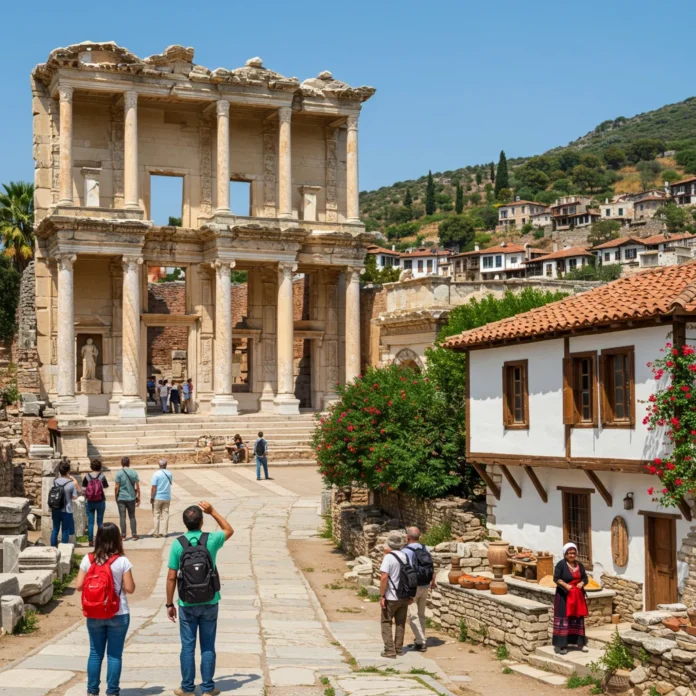

What Can You Experience on the Ephesus Wonders Tour?
The Ephesus Wonders Tour is a fascinating journey through ancient history and local culture. This tour combines the awe-inspiring ruins of Ephesus, the legendary Artemis Temple, and the picturesque Sirince Village into one unforgettable day.
From the moment you arrive, sensory details abound: the soft crunch of gravel underfoot at ancient sites, the scent of blooming wildflowers, and the gentle breeze that carries the sounds of village life. Whether you are a history enthusiast, a lover of local cuisine, or simply seeking an enriching day trip, this tour offers a carefully curated blend of experiences.
Why Should You Visit Ephesus, Artemis Temple, and Sirince Village?
Choosing to visit Ephesus, the Artemis Temple, and Sirince Village means experiencing three distinct aspects of Turkey’s rich heritage in one day. Ephesus offers a glimpse into the grandeur of ancient civilizations, while the Artemis Temple invites you to reflect on the mysteries of the ancient world. Sirince Village, with its charming streets and local flavors, provides a peaceful contrast to the archaeological marvels nearby.
For those interested in religious history, the region’s ties to early Christianity and the legend of the Virgin Mary add another layer of intrigue. If you want a more in-depth exploration including a visit to Mary’s House, you can learn more about private Ephesus tours with Mary’s House included.
What Awaits You on the Ephesus Wonders Tour?
On this tour, expect to see the grand remnants of Ephesus Ancient City, walk among the columns of the Artemis Temple, and soak up the welcoming ambiance of Sirince Village. Knowledgeable guides share the captivating stories behind each site, while you enjoy plenty of time for photos and personal exploration.
You’ll journey from marble-paved streets to lush vineyards, with opportunities to taste regional wines and sample homemade delicacies. The day is paced to allow for both learning and leisure, ensuring you leave with a deeper appreciation for Turkey’s cultural treasures.
How Did Ephesus Become an Ancient Icon?
Ephesus stands as one of the most significant cities of antiquity. Founded in the 10th century BC, it flourished under Greek and later Roman rule, becoming a key center for commerce, religion, and culture in the Mediterranean.
The city’s strategic location near the Aegean coast made it a crossroads for traders, philosophers, and rulers. Over centuries, Ephesus witnessed the rise and fall of empires, earning a reputation for its monumental architecture and storied past. Its preservation today allows visitors to connect with millennia of human achievement.
How Do You Get to Ephesus? Transportation Options Explained
Visiting Ephesus is straightforward, with several convenient transportation options. The nearest airport is Izmir Adnan Menderes Airport, approximately 60 kilometers away. From Izmir, you can reach Ephesus by train, bus, or private transfer.
Many travelers opt for guided tours departing from Izmir, Kusadasi, or Selcuk, which include comfortable transport and local expertise. Alternatively, renting a car gives you the flexibility to explore at your own pace and visit nearby attractions like Sirince Village afterward.
When Is the Best Time to Visit Ephesus and Surrounding Sites?
Timing your visit can greatly enhance your experience. The best months for touring Ephesus, Artemis Temple, and Sirince Village are April to June and September to October, when the weather is mild and crowds are thinner.
Summer can be hot and busy, especially in July and August, so plan for early morning or late afternoon visits if you travel during peak season. Winter months are quieter and cooler, but some amenities in Sirince may operate on limited hours.
What Should You Know About the Artemis Temple?
The Artemis Temple once ranked among the Seven Wonders of the Ancient World. Today, it remains a powerful symbol of ancient religious devotion and architectural ambition, drawing visitors from around the globe.
This section reveals the temple’s origins, its legendary patron goddess, and what you can expect to see at the site today. From myths to marble columns, the Artemis Temple continues to spark curiosity and admiration.
Who Was Artemis? The Goddess and Her Enduring Influence
Artemis was revered as the goddess of the hunt, wilderness, and fertility. In Ephesus, she took on unique attributes, blending local Anatolian traditions with Greek mythology. Her sanctuary became a spiritual center for pilgrims seeking blessings and protection.
The cult of Artemis influenced local culture and art, and her legacy still echoes in the stories and rituals that survive in the region. Many artifacts found at the temple site reflect her complex and powerful image.
How Was the Artemis Temple Built and What Are Its Origins?
The construction of the Artemis Temple began in the 6th century BC, funded by wealthy Lydian king Croesus and designed by the architect Chersiphron. The site had been a place of worship for centuries prior, with earlier shrines predating the grand temple we know from classical history.
Built entirely of marble, the temple featured magnificent columns and intricate reliefs, making it an architectural marvel of its time. Its scale and beauty astonished visitors, setting a standard for sacred architecture across the ancient world.
Why Is the Artemis Temple Considered a Wonder of the Ancient World?
The Artemis Temple earned its place among the Seven Wonders due to its immense size, artistic mastery, and spiritual significance. Ancient writers described its gleaming marble columns and grand altars as breathtaking.
At its peak, the temple was not only a religious center but also a hub for commerce and culture. Pilgrims, merchants, and artists converged there, making it a focal point of Mediterranean civilization.
What Are the Key Architectural Features of the Artemis Temple?
The temple’s design included 127 columns, each soaring over 18 meters high, arranged in double rows surrounding the inner sanctum. The use of marble throughout the structure set it apart from other temples of the era.
Elaborate friezes and sculpted pediments depicted scenes from mythology, while decorative altars and statues adorned the sacred precinct. Even in ruins, these features hint at the temple’s former splendor.
What Remains of the Artemis Temple Today?
Although little of the original structure survives, the site still evokes a sense of wonder. Today, visitors see a single reconstructed column, fragments of carved marble, and the temple’s broad foundation stones.
Interpretive signs and nearby exhibits help you visualize the temple’s original scale and appearance. The tranquil setting, with birdsong and wildflowers, adds to the contemplative atmosphere.
Can You Walk the Grounds of the Artemis Temple?
Yes, you can walk the grounds where the Artemis Temple once stood. The site is open to the public, allowing you to trace the temple’s footprint and reflect on its ancient significance.
Guided tours often provide additional context, helping you appreciate the site’s history and the ongoing archaeological efforts. It’s an excellent opportunity to connect with the past in a peaceful setting.
What Myths and Legends Are Associated with the Artemis Temple?
Numerous myths surround the Artemis Temple. According to legend, the temple was destroyed and rebuilt multiple times, each event steeped in stories of gods, heroes, and ambitious rulers.
One famous tale involves Herostratus, who set fire to the temple in 356 BC in a bid for notoriety. The temple’s association with Artemis also inspired countless rituals, festivals, and artistic creations throughout history.
What Artifacts and Discoveries Have Been Made at the Artemis Temple?
Excavations at the site have uncovered sculptures, coins, and votive offerings, many of which are displayed in the Ephesus Museum. These artifacts shed light on the religious practices and artistic achievements of ancient Ephesus.
Some discoveries, like the multi-breasted statues of Artemis, reveal the unique local interpretation of the goddess. Archaeologists continue to study the site, hoping to uncover more clues about its storied past.
How Can You Take Great Photos at the Artemis Temple?
Photographing the Artemis Temple requires a thoughtful approach. Early morning or late afternoon light casts dramatic shadows across the ruins, highlighting the textures of weathered marble.
Bring a wide-angle lens to capture the scale of the site, and experiment with close-up shots of carved details. Respect the site’s tranquility by avoiding flash photography and taking care not to disturb other visitors.
What Should You See in Ephesus Ancient City?
The ancient city of Ephesus offers an impressive array of ruins, each telling its own story. Walking its streets, you’ll encounter grand monuments, intricate mosaics, and echoes of daily life from centuries past.
This section will introduce the essential sights and offer practical tips for making the most of your visit.
Which Landmarks in Ephesus Are Unmissable?
Several sites within Ephesus stand out for their historical and architectural significance. Below are the top landmarks you should include in your itinerary:
- The Library of Celsus: Once the third-largest library in the ancient world, this structure dazzles with its ornate façade and stately columns.
- The Grand Theatre: Seating up to 25,000 people, this impressive amphitheater hosted performances, political meetings, and gladiatorial contests.
- The Terrace Houses: These well-preserved homes offer a glimpse into the lives of Ephesus’s wealthiest citizens, with colorful frescoes and intricate mosaics.
- The Temple of Hadrian: A beautifully decorated temple honoring Emperor Hadrian, featuring elaborate reliefs depicting mythological scenes.
- The Agora and Marketplaces: Once bustling with merchants and shoppers, these open spaces reveal the commercial heart of ancient Ephesus.
Each site offers unique photo opportunities and insights into the city’s vibrant past.
The Library of Celsus: Why Is It So Famous?
The Library of Celsus is renowned for its striking two-story façade and the sophistication of its design. Built to honor Roman senator Tiberius Julius Celsus Polemaeanus, the library once housed thousands of scrolls in climate-controlled niches.
Today, visitors marvel at the detailed carvings, statues, and the grand staircase leading to the entrance. The library remains one of the most iconic images of Ephesus and a highlight for history lovers.
The Grand Theatre: What Makes It a Must-See?
The Grand Theatre dominates the landscape with its semicircular seating and impressive acoustics. The theater’s stage once echoed with ancient dramas and rousing speeches, while its sheer scale is awe-inspiring.
Climb to the upper rows for panoramic views of the ruins and surrounding hills. The theatre’s preservation allows you to imagine the energy of a packed audience and the drama of performances under the open sky.
The Terrace Houses: What Do They Reveal About Ancient Life?
The Terrace Houses showcase the luxury enjoyed by Ephesus’s elite. These homes, built into the hillside, feature marble floors, painted walls, and private courtyards.
Walking through the covered walkways, you’ll see intricate mosaics and well-preserved rooms, offering a rare look at domestic life during the Roman era. Entry requires an additional ticket, but the experience is well worth it.
The Temple of Hadrian: Why Should You Visit?
The Temple of Hadrian stands out for its decorative arches and detailed reliefs. Built in the 2nd century AD, it honors the Roman Emperor Hadrian and showcases the artistry of Ephesus’s craftsmen.
Look for the frieze depicting the foundation myth of Ephesus, as well as the elegant columns and sculpted capitals. The temple is a favorite spot for photography and quiet reflection.
The Agora and Marketplaces: What Can You Find Here?
The Agora was the commercial and social hub of Ephesus. Strolling through its ruins, you can imagine merchants selling goods, philosophers debating ideas, and townspeople gathering for festivals.
Remnants of shops, fountains, and public buildings give a sense of the city’s daily rhythms. It’s a lively area to pause and appreciate the scale of ancient urban life.
Should You Choose a Walking Tour or a Guided Tour in Ephesus?
Both walking tours and guided tours have their advantages when visiting Ephesus. Guided tours offer expert commentary and help you understand the significance of each site, making them ideal for first-time visitors or those eager to learn.
Self-guided walks provide flexibility and allow you to set your own pace. Audio guides and informational signs are available throughout the site, so you can tailor your experience to your interests. To compare with other guided experiences in ancient cities, see our highlights of Corinth and Nafplion.
How Can You Navigate the Ephesus Ruins Effectively?
Navigating Ephesus requires some planning, as the site covers a large area with uneven terrain. Wear comfortable shoes and bring water, especially in warmer months.
Follow marked paths to major landmarks, and allow extra time for the Terrace Houses and museum exhibits. Rest areas and shaded spots provide relief during your visit, ensuring you remain comfortable throughout the day.
What Should You Pack for Your Ephesus Adventure?
Packing wisely will enhance your comfort and enjoyment. Essential items include:
- Comfortable walking shoes with good grip
- Sun protection: hat, sunglasses, and sunscreen
- Reusable water bottle
- Camera or smartphone for photos
- Lightweight backpack for snacks and personal items
If you plan to visit religious sites or local villages, bring a scarf or shawl to cover your shoulders as a sign of respect.
What Makes Sirince Village a Unique Hilltop Retreat?
Sirince Village offers a refreshing contrast to the grandeur of Ephesus and the solemnity of the Artemis Temple. Perched on a hillside, this village delights visitors with its scenic views, traditional architecture, and warm hospitality.
Wandering its narrow lanes, you’ll encounter friendly locals, fragrant fruit orchards, and the inviting aroma of fresh-baked bread. Sirince is a place to slow down and savor the simple pleasures of rural Turkish life.
How Did Sirince Village Get Its Name?
The name Sirince means “pleasant” in Turkish, a fitting description for this idyllic village. According to local legend, its first settlers sought to avoid attention and called it “Çirkince,” meaning “ugly,” to deter outsiders. The name was later changed to reflect the village’s true charm.
Today, Sirince’s reputation for beauty and hospitality draws visitors from across Turkey and beyond.
What Is the History and Culture of Sirince Village?
Sirince boasts a multicultural heritage shaped by Greek and Turkish influences. Established by Greek Orthodox Christians in the 15th century, the village retains much of its original character, with stone houses and tiled roofs lining the hillside.
After the population exchange in the 1920s, Turkish families settled in Sirince, blending new traditions with the old. The village is known for its peaceful atmosphere and enduring sense of community.
What Sets Sirince Village Apart from Other Destinations?
Sirince stands out for its harmonious blend of nature, history, and artisan culture. The village’s picturesque setting—green hills dotted with olive groves—creates a serene backdrop for exploration.
Visitors are drawn to the handcrafted goods, local wines, and the sense of timelessness that pervades the village. Sirince is also renowned for its warm hospitality and welcoming spirit.
How Does Sirince’s Architecture and Street Layout Add to Its Appeal?
Strolling through Sirince, you’ll notice the distinctive traditional architecture: whitewashed houses, wooden balconies, and red-tiled roofs. The cobblestone streets wind through the village, lined with vibrant flowers and shaded by fruit trees.
This architectural style reflects the village’s history and provides countless photo opportunities, especially during golden hour when sunlight bathes the village in a warm glow.
What Can You Find in Sirince’s Artisan Shops?
Sirince is a haven for lovers of local crafts. Small shops and market stalls display handmade soaps, embroidered linens, pottery, and jewelry crafted by local artisans.
Many shops offer tastings of homemade jams, dried fruits, and olive oils, allowing you to bring a piece of Sirince’s culinary heritage home with you.
What Makes Sirince’s Wines Famous and Worth Tasting?
Wine-making is a centuries-old tradition in Sirince. The village is celebrated for its fruit wines, made from grapes, pomegranates, mulberries, and more. Tasting these unique blends is a highlight of any visit.
Local wine houses offer guided tastings, where you can sample a range of flavors and learn about the village’s wine-making methods. The atmosphere is convivial and inviting, perfect for sharing stories with fellow travelers.
Where Are the Best Wine Houses and Tasting Experiences in Sirince?
Several renowned wine houses dot the main street of Sirince, each offering its own specialties. Popular options include Artemis Wine House and Sirince Kirmizi Wine House, where you can sample both dry and sweet varieties.
Many establishments also serve homemade snacks and provide insights into the wine-making process. Don’t hesitate to ask staff for recommendations based on your taste preferences.
How Is Wine Made in Sirince Village?
Winemaking in Sirince relies on traditional techniques passed down through generations. Locals hand-pick fruit, ferment it in small batches, and age the wine in cool cellars beneath stone houses.
This artisanal approach results in wines with distinctive flavors and aromas, reflecting the terroir of the region. Visitors are often invited to tour the cellars and witness the process firsthand.
What Culinary Delights Await in Sirince Village?
Sirince’s cuisine celebrates seasonal ingredients and time-honored recipes. From savory pastries to sweet preserves, every meal is a sensory experience.
Village cafés and family-run restaurants serve dishes made with local olive oil, fresh herbs, and produce from nearby gardens. Don’t miss the chance to taste authentic Turkish flavors in a cozy, welcoming setting.
Which Local Dishes and Sweets Should You Try in Sirince?
Must-try specialties include gözleme (stuffed flatbread), zeytinyağlı yaprak sarma (vine leaves stuffed with rice), and sucuk (Turkish sausage). For dessert, sample baklava, lokma (fried dough balls in syrup), or homemade fruit preserves.
Pair your meal with a glass of Sirince wine or a cup of aromatic Turkish coffee for the full experience.
What Are the Top Cafés and Restaurants in Sirince?
Sirince’s main square and side streets are dotted with inviting cafés and restaurants. Popular spots include Sirincem Restaurant, Artemis Restaurant, and Nişanyan Hotel’s terrace café, all known for their friendly service and delicious fare.
Many venues offer outdoor seating with panoramic views, perfect for a leisurely lunch or sunset dinner.
What Souvenirs Should You Bring Home from Sirince?
Shopping in Sirince is a delight, thanks to the variety of handmade souvenirs. Top picks include locally produced wines, olive oil, fruit jams, herbal soaps, and handwoven textiles.
These items make thoughtful gifts and lasting reminders of your visit. Take time to chat with shop owners, who are happy to share stories about their crafts.
What Festivals and Events Take Place in Sirince Village?
Sirince hosts several lively festivals throughout the year. The most popular is the Wine Festival in late summer, featuring tastings, live music, and folk dancing.
Other events celebrate harvests, religious holidays, and local traditions, offering visitors a chance to join the festivities and experience the village’s communal spirit.
How Can You Travel Between Ephesus and Sirince Village?
Getting from Ephesus to Sirince Village is simple and convenient. The distance is roughly 8 kilometers, making it a short drive or taxi ride from the archaeological site or the town of Selcuk.
Local minibuses (dolmuş) run regularly between Selcuk and Sirince, providing an affordable option for travelers without a car. Some tours include transportation between the sites, allowing you to relax and enjoy the journey.
What’s the Best Itinerary for Visiting Ephesus, Artemis Temple, and Sirince in One Day?
A well-planned itinerary ensures you make the most of your day. Begin with an early morning visit to Ephesus Ancient City, when the ruins are quiet and temperatures are cooler.
Next, head to the Artemis Temple for a reflective stroll and photo session. Afterward, continue to Sirince Village for lunch, wine tastings, and shopping. Allow time to explore side streets and relax in a café before returning to your accommodation or continuing your travels.
How Can Families Make the Most of the Ephesus Wonders Tour?
Families will find plenty to enjoy on the Ephesus Wonders Tour. Children are often fascinated by the scale of the ruins, the legends of Artemis, and the lively atmosphere of Sirince.
Plan for frequent breaks, bring snacks and water, and encourage kids to ask questions. Interactive exhibits and hands-on activities in Sirince, such as bread-making or craft workshops, can keep younger visitors engaged throughout the day.
Is Ephesus Accessible for All Visitors?
Accessibility at Ephesus and the Artemis Temple has improved in recent years, but some challenges remain due to uneven terrain and ancient stone pathways.
Wheelchair users may find certain areas difficult to access, but main routes and key sites are generally manageable with assistance. Sirince Village’s steep, cobbled streets may pose additional challenges, so consider mobility needs when planning your visit. For a look at accessibility in other ancient destinations, read about Delphi and Arachova.
Where Should You Stay Near Ephesus and Sirince?
Accommodation options near Ephesus and Sirince range from boutique hotels to family-run guesthouses. Selcuk, the nearest town, offers a variety of choices within walking distance of the ruins.
Staying in Sirince itself provides a peaceful retreat, with charming inns and vineyard lodges set amid rolling hills. Many properties feature traditional décor, homemade breakfasts, and friendly hosts happy to share local tips.
Is the Ephesus Wonders Tour Worth It? Pros and Cons
Weighing the advantages and disadvantages can help you decide if the Ephesus Wonders Tour suits your interests. On the positive side, the tour provides access to world-famous historical sites, expert guides, and a chance to experience authentic village life.
Potential drawbacks include crowds during peak season and limited accessibility in some areas. However, the wealth of cultural, culinary, and scenic experiences typically outweigh these minor inconveniences for most travelers.
Frequently Asked Questions about the Ephesus Wonders Tour
Travelers often have questions about the logistics and highlights of the Ephesus Wonders Tour. Here are some common queries:
- Do I need to book tickets in advance? Booking ahead is recommended, especially in high season.
- Is photography allowed at the sites? Yes, but be respectful of other visitors and follow any posted guidelines.
- Are English-speaking guides available? Most tours offer guides fluent in English and other major languages.
- Can I buy food and drinks on-site? Snacks and refreshments are available in Sirince; bring water for the archaeological sites.
- How much time should I spend at each site? Allocate at least two hours for Ephesus, one hour for the Artemis Temple, and two to three hours for Sirince Village.
How to Book on Viator
Booking your Ephesus Wonders Tour is easy and secure with Viator. Simply visit their website, search for Ephesus tours, and compare options based on duration, inclusions, and reviews.
Viator allows you to plan your trip with confidence, offering flexible cancellation policies and a wide selection of activities. Whether you prefer a group tour or a private experience, Viator makes booking straightforward and convenient.
Final Thoughts: Creating Unforgettable Memories in Ephesus and Sirince
Visiting Ephesus, the Artemis Temple, and Sirince Village offers a unique blend of history, culture, and natural beauty. With careful planning, an open mind, and a sense of curiosity, you’ll return home with memories that last a lifetime.
If you’re ready to experience these legendary sites, trust Izase to help you make the most of your journey. For more inspiration and travel tips, visit Izase.
Disclaimer: This information is accurate to the best of our knowledge; however, there may be changes or mistakes. Please verify exact details on the Viator booking page.