

What Makes Istanbul a Must-Visit Destination?
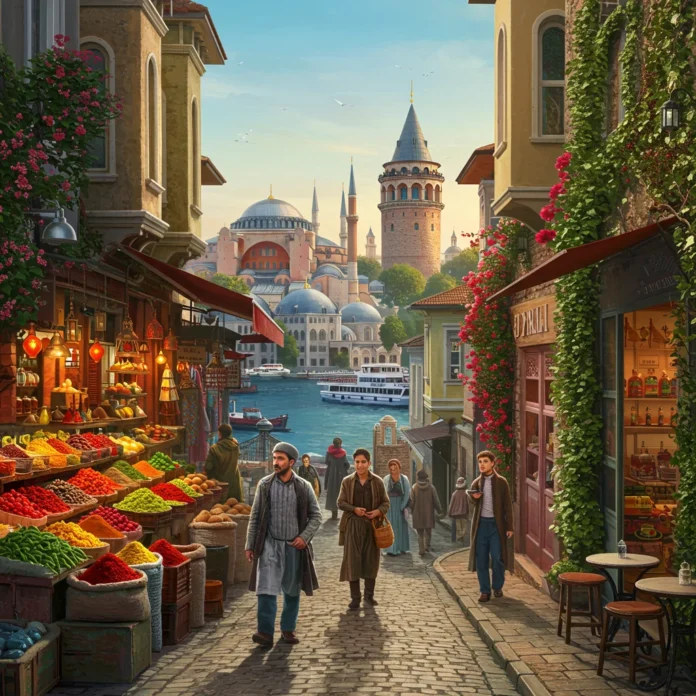
Istanbul stands as a bridge between continents, where Europe meets Asia and history coexists with modern vibrancy. The city’s atmosphere buzzes with energy, from the call to prayer echoing through ancient streets to the aroma of fresh simit drifting from bustling bakeries.

Travelers are drawn to Istanbul for its rich blend of iconic sites and hidden corners. Whether you’re a history buff, a foodie, or a fan of art and culture, Istanbul offers countless opportunities to create lasting memories.
How Has Istanbul’s History and Culture Shaped Its Character?
Few cities can claim a past as layered as Istanbul. Once known as Byzantium and Constantinople, it has served as the capital for empires and a crossroads for civilizations. The city’s architecture reflects this, blending Byzantine domes, Ottoman minarets, and neoclassical facades.

Modern Istanbul thrives on its multicultural heritage. You’ll find ancient traditions alive in local markets, while contemporary art galleries and lively cafés signal the city’s forward-looking spirit.
How Should You Use This Guide to Istanbul?
This guide is your companion for experiencing both the famous attractions and the lesser-known treasures of Istanbul. Whether you have a few days or a few weeks, you’ll find practical tips, local insights, and inspiration to shape your perfect trip.

Each section highlights what makes a neighborhood, site, or experience special, and includes easy-to-follow advice for a smoother visit. Use this as a roadmap to balance must-see sights with authentic local experiences.
When Is the Best Time to Explore Istanbul?
Choosing the right season can greatly influence your experience in Istanbul. The city enjoys a temperate climate, with mild springs, hot summers, and crisp autumns.

Spring (April to June) brings blooming parks and pleasant weather, ideal for sightseeing and outdoor activities. Autumn (September to November) offers similar comfort, with fewer crowds and a golden hue over the city. Summer is lively but can be hot and crowded, while winters, though quieter, can be chilly and rainy.
How Can You Get Around Istanbul Efficiently?
Navigating Istanbul’s sprawling landscape is easier than it looks. The city’s public transportation system includes trams, metros, ferries, and buses, connecting major sights and neighborhoods.

Istanbulkart is your key to seamless travel on public transit. Ferries provide scenic rides across the Bosphorus, while trams and metros offer quick access to most attractions. Taxis are widely available, but traffic can be heavy, especially during rush hours.
Where Should You Stay in Istanbul?
Istanbul’s diverse neighborhoods cater to every preference and budget. Sultanahmet puts you close to historic sites, while Beyoğlu buzzes with nightlife and culture.

For a local feel, consider Kadıköy on the Asian side or the artsy enclave of Cihangir. Families may prefer the quieter streets of Şişli or Nişantaşı, known for shopping and parks.
What Are the Top 10 Iconic Sites in Istanbul?
No visit to Istanbul is complete without experiencing its legendary landmarks. From magnificent mosques to bustling markets, these sites reveal the city’s soul and history.

Let’s take a closer look at the highlights you simply can’t miss, with practical tips for each.
Why Is Hagia Sophia the Heart of Istanbul’s Heritage?
Hagia Sophia has witnessed centuries of change, serving as a church, mosque, and now a museum. Its majestic dome and intricate mosaics tell the story of Istanbul’s spiritual and architectural evolution.
Stepping inside, you’ll feel the weight of history beneath soaring arches and golden details. The atmosphere is peaceful yet awe-inspiring, making it a must-see for every visitor.
What Should You See Inside Hagia Sophia?
Don’t miss the imperial mosaics that shimmer in the galleries, or the marble columns recycled from ancient temples. The vast nave, with sunlight filtering through stained glass, creates an unforgettable play of light and color.
Be sure to look up at the majestic dome, supported by massive piers. Each corner reveals details from different eras, reflecting both Christian and Islamic artistry.
What Are the Best Tips for Visiting Hagia Sophia?
Arrive early or late in the afternoon to avoid the busiest times. Dress modestly, as Hagia Sophia is an active place of worship.
Photography is allowed, but be mindful during prayer times. Consider booking a guided tour on Viator for deeper insights into Hagia Sophia’s fascinating history.
What Makes the Blue Mosque an Architectural Masterpiece?
The Blue Mosque dazzles with its six slender minarets and cascade of domes. Inside, over 20,000 blue Iznik tiles create a serene, luminous space, giving the mosque its popular name.
The mosque’s grandeur is matched by its welcoming spirit. Visitors are invited to admire its beauty while respecting local customs. For more practical tips, learn more in our guide to the Blue Mosque.
What Is the Dress Code and Etiquette at the Blue Mosque?
Modest attire is required: women should cover their hair, shoulders, and knees, while men should wear long pants. Scarves and wraps are available at the entrance.
Remove your shoes before entering, and remain quiet and respectful, especially during prayer times. Photography is permitted except in certain areas.
When Is the Best Time to Visit the Blue Mosque for Fewer Crowds?
The mosque is most peaceful early in the morning or late in the afternoon. Fridays, especially around midday prayers, tend to be busier.
Plan your visit outside peak prayer hours for a more relaxed experience and better opportunities for photos without crowds.
What Secrets Does Topkapi Palace Hold?
Once home to Ottoman sultans, Topkapi Palace is a labyrinth of ornate courtyards, lush gardens, and lavish chambers overlooking the Bosphorus. The palace’s treasures reflect centuries of imperial opulence and intrigue.
Wandering through its halls, you’ll sense the grandeur of royal life, from jeweled thrones to sacred relics. The views from the palace terraces are simply stunning.
Which Exhibits at Topkapi Palace Are Must-Sees?
The Harem section, with its intricate tilework and private quarters, offers a glimpse into the sultans’ private world. The Treasury houses dazzling jewels, including the famous Topkapi Dagger.
Don’t miss the Sacred Relics Room for its spiritual artifacts, and the Imperial Council Chamber for a taste of Ottoman political life.
How Can You Buy Tickets and Avoid Lines at Topkapi Palace?
Purchase tickets online or through authorized apps to skip the main ticket queue. Arriving early can also help you avoid crowds, especially during peak season.
Consider joining a guided tour to access the Harem and learn lesser-known stories about the palace’s past.
Why Visit the Basilica Cistern in Istanbul?
Hidden beneath the city’s bustling streets, the Basilica Cistern is an atmospheric underground reservoir supported by 336 columns. Soft lighting and the gentle sound of dripping water create a mysterious, tranquil setting.
The cistern’s scale and artistry once provided water to the Byzantine palace. Today, it invites visitors to experience a different side of Istanbul’s history.
What Makes the Basilica Cistern Unique?
Two Medusa heads serve as column bases, adding an air of myth and intrigue. The reflection of columns in the shallow water creates a surreal, dreamlike effect.
The cool, damp air and echoing footsteps offer a welcome respite from the city’s heat above.
How Can You Take the Best Photos in the Basilica Cistern?
Bring a camera with low-light capability, as the cistern is dimly lit. Use the reflections on the water to create dramatic, artistic shots.
Arrive early for fewer visitors in your frame, and focus on unique angles around the Medusa heads for memorable images.
Why Is the Grand Bazaar a Shopper’s Paradise?
With over 4,000 shops under its vaulted ceilings, the Grand Bazaar is a sensory adventure. The air buzzes with the hum of bargaining, and the scent of leather, spices, and sweets lingers in every corridor.
Shoppers can browse for everything from antiques and jewelry to textiles and ceramics, all while soaking up centuries of mercantile tradition.
What Should You Buy at the Grand Bazaar?
Handwoven carpets, Turkish lamps, gold jewelry, and hand-painted ceramics are among the most sought-after items. Artisanal leather goods and silk scarves also make wonderful souvenirs.
Sample some Turkish delight or dried fruit as you browse, and don’t overlook the antique shops for unique finds.
What Are the Best Bargaining Tips for First-Time Shoppers?
Bargaining is expected and part of the fun. Start by offering half the initial price and negotiate with a smile.
Be polite and take your time. If you’re not satisfied, feel free to walk away—often, the shopkeeper will call you back with a better offer.
Why Visit the Spice Bazaar for a Feast of the Senses?
The Spice Bazaar is a riot of color and scent, with stalls piled high with saffron, sumac, dried fruits, and sweet Turkish delight. The lively chatter and aromatic air make it a sensory highlight of any Istanbul trip.
Here, you’ll find flavors that have shaped Turkish cuisine for centuries, alongside teas, nuts, and local delicacies.
Which Flavors and Spices Should You Try at the Spice Bazaar?
Don’t miss the chance to sample pomegranate molasses, pistachios, and saffron. Herbal teas and Turkish apple tea are also popular, as are local cheeses and honey.
Vendors often offer small tastings, so you can try before you buy.
How Can You Navigate the Spice Bazaar Like a Local?
Visit early in the morning for a more relaxed atmosphere and fresh stock. Many locals shop here for daily ingredients, so take your time and chat with vendors for recommendations.
Bring cash for small purchases and be ready to negotiate. The market is a great place to practice your Turkish greetings!
Why Should You Climb Galata Tower for Panoramic Views?
The Galata Tower rises above the city, offering breathtaking 360-degree views of Istanbul’s skyline, the Bosphorus, and the Golden Horn. The wind at the top and the sight of minarets and domes stretching into the distance make the climb unforgettable.
The tower’s medieval stone walls and spiral staircase add to the sense of adventure.
When Are the Best Times for Photos at Galata Tower?
Early morning or late afternoon provides the best light, casting a golden glow over the city. Sunset is especially magical, with the city lights twinkling below.
Weekdays are less crowded, giving you more space to enjoy the view and snap the perfect shot.
How Can You Skip the Lines at Galata Tower?
Purchase tickets online or arrive just after opening to minimize waiting. Consider booking a skip-the-line tour through Viator to save time during peak hours.
If you visit during busy periods, enjoy a coffee at a nearby café while the crowds thin out.
What Makes Süleymaniye Mosque a Place of Serenity and Grandeur?
The Süleymaniye Mosque combines architectural elegance with a peaceful hilltop setting. Its spacious courtyard and harmonious design make it a favorite among locals and visitors alike.
Designed by the legendary architect Sinan, the mosque’s interior is filled with natural light and the gentle scent of incense.
Why Is Süleymaniye Mosque Special?
The mosque’s grand dome, intricate tiles, and panoramic views of the Golden Horn set it apart. Its gardens and surrounding complex include historic tombs and a tranquil atmosphere.
The mosque is less crowded than the Blue Mosque, offering a more reflective experience.
What Are the Etiquette and Visiting Hours for Süleymaniye Mosque?
Dress modestly and remove your shoes before entering. The mosque is open to visitors outside of prayer times, typically from mid-morning until late afternoon.
Enjoy a quiet walk around the gardens and take in the city views from the terrace.
Why Visit Chora Church for Byzantine Mosaics?
Chora Church is renowned for its dazzling mosaics and frescoes, considered masterpieces of Byzantine art. The church’s intimate setting allows for close-up views of intricate details and vivid storytelling.
The artwork depicts biblical scenes with exquisite color and emotion, making it a must-see for art and history lovers.
What Are the Highlights of Chora Church’s Artworks?
Marvel at the Anastasis fresco in the apse and the mosaic of Christ Pantocrator. Each panel is rich in symbolism and artistry, reflecting the spiritual heritage of the Byzantine era.
The gold and blue hues shimmer in the natural light, creating a sense of reverence and wonder.
How Can You Get to Chora Church?
Chora Church is located in the Edirnekapı neighborhood, a bit outside the main tourist areas. Take a taxi or use public transit (bus or metro) for convenient access.
Combine your visit with a stroll through the nearby city walls for a glimpse of lesser-known Istanbul.
How Does Dolmabahçe Palace Reflect European Elegance?
Dolmabahçe Palace dazzles with its neoclassical façade, crystal chandeliers, and lush gardens along the Bosphorus. The palace’s opulent interiors rival Europe’s grandest royal residences.
Walking through its gilded halls, you’ll sense the influence of Western styles blended with Ottoman tradition.
Which Rooms and Gardens Should You Not Miss at Dolmabahçe Palace?
The Crystal Staircase, Ceremonial Hall, and Harem are highlights of the palace’s interior. The gardens, filled with fountains and manicured lawns, offer peaceful retreats and stunning water views.
Don’t forget to look for the world’s largest Bohemian crystal chandelier in the main hall.
What Visitor Information and Guided Tours Are Available?
Guided tours are required for some sections of the palace, and tickets can be purchased at the entrance or through reputable providers. Audio guides in multiple languages are also available.
Photography is restricted inside, so check the rules before your visit. Allow at least two hours to fully appreciate the palace and gardens.
What Are Istanbul’s Hidden Gems and Off-the-Beaten-Path Experiences?
Beyond the iconic sites, Istanbul rewards curious travelers with colorful neighborhoods, peaceful parks, and authentic local experiences. These hidden gems provide a deeper connection to the city’s daily life and creative spirit.

Venture beyond the main tourist trails to find some of Istanbul’s most memorable moments.
Why Visit Fener & Balat for Historic Color and Charm?
The Fener and Balat neighborhoods are famous for their vibrant houses, historic churches, and lively streets. Each corner reveals a new splash of color and a story from Istanbul’s multicultural past.
These districts are perfect for leisurely walks, photography, and sampling street food in a relaxed, welcoming atmosphere.
Where Can You Find the Best Street Art and Photo Spots in Fener & Balat?
Look for bold murals on side streets, especially around Vodina and Kiremit Streets. Colorful staircases and quirky shopfronts make excellent backdrops for photos.
The area’s mix of Greek Orthodox churches and Ottoman-era houses adds to the visual appeal.
Which Cafés and Local Eats Should You Try in Fener & Balat?
Stop by cozy cafés for Turkish coffee and homemade pastries. Try local specialties like balık ekmek (fish sandwiches) and meze platters at casual eateries.
Many spots offer outdoor seating, perfect for people-watching and soaking in the neighborhood vibe.
What Makes the Princes’ Islands a Peaceful Getaway?
Just a short ferry ride from the city, the Princes’ Islands offer a tranquil escape with car-free streets, historic mansions, and shady pine forests. The gentle sea breeze and quiet roads make it a favorite for locals and visitors seeking calm.
Horse-drawn carriages and bicycles are the main modes of transport, adding to the islands’ old-world charm.
Which Princes’ Island Should You Visit?
Büyükada is the largest and most popular, known for its beaches, historic buildings, and scenic bike paths. Heybeliada offers a quieter atmosphere and beautiful monasteries.
Smaller islands like Burgazada and Kınalıada are perfect for peaceful strolls and seafood lunches by the water.
How Do You Get to the Princes’ Islands and What Can You Do There?
Ferries depart regularly from Kabataş and Kadıköy piers. Once on the islands, rent a bike, swim at local beaches, or enjoy a leisurely seafood meal with a sea view.
Plan a day trip or stay overnight at a boutique hotel for a slower pace and starry nights.
Why Visit Ortaköy for Markets and Bosphorus Views?
Ortaköy is a lively waterfront neighborhood known for its weekend markets, street food, and stunning views of the Bosphorus Bridge. The area’s lively squares and artisan stalls create a festive, friendly atmosphere.
It’s a popular spot for both locals and visitors, especially at sunset when the sky glows pink over the water.
What Should You Eat in Ortaköy?
Try the famous kumpir (stuffed baked potatoes) loaded with your choice of toppings. Street vendors also sell waffles, corn on the cob, and fresh pomegranate juice.
Several waterfront cafés serve Turkish tea and pastries with a view of passing boats and the iconic mosque.
When Is the Best Time to Visit Ortaköy?
Weekend mornings are ideal for browsing the market before the crowds arrive. Evenings are lively, especially when the bridge is lit up.
Arrive early for a seat at a Bosphorus-side café or stay late to enjoy the neighborhood’s nightlife.
What Makes Emirgan Park a Floral Wonderland?
Emirgan Park is one of Istanbul’s largest and most beautiful green spaces, famous for its springtime tulip displays. The park’s rolling hills, lakes, and Ottoman pavilions offer a peaceful retreat from the city bustle.
Birdsong, rustling leaves, and bursts of color make it a favorite for families and couples alike.
What Should You Know About the Tulip Festival and Seasonal Highlights?
Every April, the park hosts the Istanbul Tulip Festival, with millions of tulips in every color imaginable. Summer brings roses and shady spots perfect for picnics.
Autumn’s golden foliage adds another layer of beauty, making Emirgan a year-round destination.
Where Are the Best Picnic Spots and Walking Trails in Emirgan Park?
Head for the hills overlooking the Bosphorus for panoramic views and quiet picnic areas. Well-marked walking trails wind through flower gardens and past historic pavilions.
Bring a blanket and snacks for a leisurely afternoon, or rent a bike to cover more ground.
Why Is Kadıköy the Trendy Hub of Istanbul’s Asian Side?
Kadıköy buzzes with creative energy, home to independent cafés, street art, and vibrant markets. The area’s youthful spirit and seaside promenade attract artists, students, and food lovers.
Catch a ferry from the European side for a fresh perspective and a taste of local life.
Which Cafés and Markets Should You Visit in Kadıköy?
Moda’s leafy streets are lined with specialty coffee shops and bakeries. The Kadıköy Market is a treasure trove of fresh produce, cheeses, olives, and sweets.
Try a traditional Turkish breakfast at a local café or sample meze at one of the many lively taverns.
What’s the Street Art and Nightlife Scene Like in Kadıköy?
Murals and graffiti brighten building walls and alleyways, reflecting the neighborhood’s creative pulse. As night falls, bars and live music venues fill with laughter and conversation.
Kadıköy’s nightlife is diverse, from jazz clubs to craft beer pubs, making it a favorite for locals and visitors alike.
What Can You Expect from a Traditional Turkish Bath at Süleymaniye Hamam?
Süleymaniye Hamam offers an authentic Turkish bath experience, with soothing steam, marble interiors, and centuries-old rituals. The gentle warmth and rhythmic scrubbing leave you feeling refreshed and renewed.
Visiting a hamam is a unique way to connect with Istanbul’s history and culture. For a deeper look at the tradition, check out our complete guide to Turkish baths in Istanbul.
What Should You Expect During a Turkish Bath Experience?
After changing into a pestemal (traditional towel), you’ll relax in a hot marble room, followed by a full-body scrub and massage. The experience finishes with a rinse and time to unwind with tea.
Many hamams are co-ed or offer separate hours for men and women, so check in advance.
What Are the Etiquette and Booking Tips for Turkish Baths?
Arrive a few minutes early, bring a swimsuit if required, and communicate any preferences to your attendant. Tipping is customary for good service.
Book in advance, especially during weekends or holidays, to secure your preferred time slot.
What Foods Should You Try in Istanbul’s Culinary Scene?
Istanbul’s food culture is a delicious fusion of Ottoman, Middle Eastern, and Mediterranean influences. From street snacks to fine dining, the city’s flavors will excite your palate and leave you craving more.

Let’s look at the must-try foods and where to find them.
What Street Food Delights Should You Eat in Istanbul?
Simit (sesame-crusted bread rings), balık ekmek (fish sandwiches), and kebabs are street food staples. Try midye dolma (stuffed mussels) with a squeeze of lemon for a quick, flavorful snack.
Roasted chestnuts and corn on the cob are popular treats, especially in parks and along the waterfront.
Where Can You Find Iconic Restaurants and Hidden Eateries?
Seek out classic spots like Hamdi Restaurant for kebabs with a view, or Ciya Sofrasi in Kadıköy for home-style Turkish dishes. Hidden meyhanes (taverns) in Beyoğlu offer traditional meze and lively music.
Reservation is recommended for popular places, especially on weekends.
Are There Good Vegetarian and Vegan Options in Istanbul?
Absolutely. Many Turkish dishes are naturally vegetarian, such as imam bayıldı (stuffed eggplant), mercimek köftesi (lentil patties), and a variety of fresh salads.
Vegan-friendly cafés are growing in number, especially in neighborhoods like Cihangir and Kadıköy.
What Can You Do in Istanbul at Night?
As the sun sets, Istanbul takes on a new energy. Rooftop bars, live music, and open-air performances invite you to experience the city’s nightlife and creative culture.

There’s something for every mood, whether you’re looking for a quiet drink or a night of dancing.
Where Are the Best Rooftop Bars and Bosphorus Views?
Head to Karaköy or Beyoğlu for chic rooftop terraces with sweeping views of the city lights and Bosphorus. Many bars offer signature cocktails and meze with live DJ sets.
Reserve a table in advance to secure the best seats, especially at sunset.
Where Can You Find Live Music, Clubs, and Cultural Performances?
Beyoğlu’s Istiklal Avenue is lined with jazz clubs, rock bars, and performance venues. Look for cultural shows at historic theaters or catch a whirling dervish performance for a taste of tradition.
Many venues host both local and international acts, creating a vibrant music scene year-round.
What’s Unique About Istanbul’s Art and Cultural Scene?
Istanbul’s creative spirit shines in its museums, galleries, and street art. The city’s cultural calendar is packed with exhibitions, festivals, and film screenings throughout the year.

Art lovers will find inspiration around every corner, from historic collections to cutting-edge contemporary works.
Which Museums Beyond the Obvious Are Worth Seeing?
The Istanbul Modern showcases contemporary Turkish art, while the Pera Museum features Orientalist paintings and rotating exhibitions. The Sakıp Sabancı Museum is another gem, set in a beautiful Bosphorus villa.
Smaller museums dedicated to calligraphy, photography, and local history offer unique perspectives on Istanbul’s past and present.
Where Can You Find Contemporary Art Galleries and Street Art?
Karaköy and Galata are hubs for independent galleries and artist studios. Look for street art in Kadıköy and Moda, where walls become vibrant canvases for local talent.
Many galleries host free openings and events, providing opportunities to meet artists and collectors.
How Can You Shop in Istanbul, from Luxury to Local?
Shopping in Istanbul is as varied as the city itself. From designer boutiques to bustling markets, you’ll find treasures for every taste and budget.

Combine a visit to the Grand Bazaar with stops at contemporary stores and artisan workshops for a well-rounded experience.
What Are the Best Souvenirs to Bring Home from Istanbul?
Iznik tiles, Turkish coffee sets, and handwoven textiles are classic choices. Spices, dried fruit, and Turkish delight make tasty gifts.
Look for locally made soaps, ceramics, and jewelry for unique mementos of your trip.
Where Can You Find Local Designers and Artisan Markets?
Visit the Arasta Bazaar near the Blue Mosque for handmade crafts. Nişantaşı and Karaköy are home to fashion boutiques and artisan pop-ups.
Check local event calendars for weekend markets and design fairs featuring emerging Turkish brands.
Where Can You Go for a Day Trip from Istanbul?
Istanbul’s location makes it easy to take day trips to nearby islands, historic towns, and natural wonders. Ferries, buses, and trains connect you to new adventures just beyond the city.

Plan ahead to make the most of your time outside Istanbul’s urban core.
What Is a Good Day Trip Itinerary for the Princes’ Islands?
Start with an early ferry to Büyükada. Rent a bike, visit the historic mansions, and stop for a seafood lunch by the shore. Take a swim or hike to the Monastery of St. George for panoramic views.
Return by late afternoon for a sunset ferry ride back to the city.
Why Visit Bursa and Edirne for Historical Escapes?
Bursa, the first Ottoman capital, offers lush parks, thermal baths, and the famous Green Mosque. Edirne is known for its grand Selimiye Mosque and lively bazaars.
Both cities are accessible by bus or train, making them ideal for history lovers and those seeking a change of scenery.
What Essential Travel Tips Should First-Time Visitors Know?
Istanbul’s energy is thrilling, but a few tips can help you stay safe, connected, and comfortable during your visit. Prepare ahead for a smoother, more enjoyable experience.

Below are answers to some of the most common questions from first-time travelers.
How Can You Stay Safe and Avoid Scams in Istanbul?
Istanbul is generally safe, but it’s wise to be alert in crowded areas. Watch your belongings and be cautious with unsolicited offers or overly friendly strangers.
Familiarize yourself with local customs to avoid misunderstandings, and always use licensed taxis or reputable ride apps.
What Should You Know About Money, SIM Cards, and Connectivity?
ATMs are widely available, and most places accept credit cards. Carry some cash for small purchases and markets.
Purchase a local SIM card at the airport or city kiosks for affordable data and calls. Free Wi-Fi is common in cafés and hotels, but speeds can vary.
How Can You Travel Responsibly and Support Sustainable Tourism in Istanbul?
Respect local communities by supporting small businesses, using public transport, and minimizing plastic waste. Choose eco-friendly accommodations and avoid single-use plastics when possible.

Be mindful of noise, especially in residential neighborhoods, and respect religious and cultural sites. Traveling responsibly helps preserve Istanbul’s unique beauty for future generations.
How to Book on Viator
Planning your Istanbul itinerary is easier with Viator, which offers a wide range of tours, skip-the-line tickets, and unique experiences. Search for guided walks, Bosphorus cruises, or culinary adventures, and secure your spots in advance.

The platform allows you to compare reviews, check availability, and make secure payments. Whether you want to book activities or find tours for Istanbul’s most popular attractions, Viator has options to suit every interest and budget.
Conclusion: How Will You Craft Your Perfect Istanbul Itinerary?
Istanbul’s magic lies in its contrasts—where ancient monuments meet lively neighborhoods and every street corner offers a new flavor or story. With a thoughtful mix of iconic sites and local secrets, your journey can be as unique as your interests.

Let Izase be your trusted resource as you plan an unforgettable trip. For more inspiration and practical guides, visit Izase and start building memories in one of the world’s most captivating cities.
Disclaimer: This information is accurate to the best of our knowledge; however, there may be changes or mistakes. Please verify exact details on the Viator booking page.