
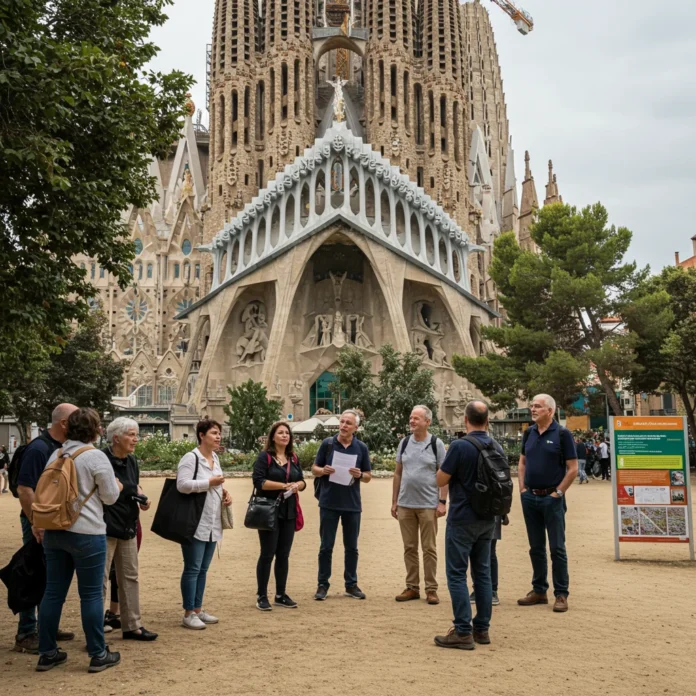

What Hidden Secrets Await at Sagrada Familia?
The Sagrada Familia is far more than a landmark in Barcelona. This extraordinary basilica holds centuries of stories, hidden symbols, and architectural marvels that continue to fascinate millions each year. Whether you’re a first-time visitor or a seasoned traveler, knowing the secrets behind its design and the best ways to tour the site can transform your experience.
In this guide, you’ll find expert tips for booking an English tour, advice on accessing the towers, and insider knowledge to help you make the most of your visit. Prepare to see Sagrada Familia with fresh eyes and a deeper appreciation for its mysteries.
Why Should You Visit Sagrada Familia in Barcelona?
A trip to Barcelona is not complete without seeing the Sagrada Familia. This masterpiece stands as the city’s most famous landmark, drawing visitors from around the globe. Its sheer scale, intricate details, and spiritual atmosphere create an unforgettable impression.
Beyond its architectural beauty, Sagrada Familia offers a glimpse into the creative mind of Antoni Gaudí and the evolving story of Barcelona itself. The play of sunlight through stained glass, the soaring columns, and the sense of awe inside its nave all combine for a truly unique experience.
What Makes Sagrada Familia Unique Among Cathedrals?
Unlike any other church, the Sagrada Familia is still under construction more than 140 years after its foundation. Its design blends Gothic traditions with innovative, nature-inspired forms that set it apart from other historic cathedrals.
The basilica is also known for its harmonious fusion of art, faith, and mathematics. Every corner reveals unexpected symbols, organic shapes, and vibrant colors. The way Gaudí brought together engineering and spirituality continues to inspire architects and visitors alike.
How Did Sagrada Familia’s Story Begin?
The history of Sagrada Familia is a journey filled with ambition, vision, and perseverance. From its humble beginnings to its current status as a UNESCO World Heritage Site, the basilica has witnessed both challenges and triumphs.
Understanding the background of this iconic monument adds another layer of meaning to your visit. It helps you appreciate not just the finished elements, but also the ongoing work and dedication behind every stone.
Who Was Antoni Gaudí and Why Is He Important?
Antoni Gaudí was a Catalan architect whose innovative approach to design forever changed the face of Barcelona. His love for nature, geometry, and spirituality is evident in every aspect of Sagrada Familia.
Gaudí devoted the last 43 years of his life to this project, infusing it with personal touches and groundbreaking ideas. His influence remains visible in the building’s curves, mosaics, and unique use of light.
What Are the Key Milestones in Sagrada Familia’s Construction?
The construction of Sagrada Familia began in 1882, with Gaudí taking over as chief architect a year later. Since then, the basilica has seen periods of rapid progress and lengthy delays due to wars, funding issues, and Gaudí’s evolving vision.
Significant milestones include the completion of the Nativity Façade, the consecration by Pope Benedict XVI in 2010, and ongoing work toward Gaudí’s original plans. The structure continues to grow, making each visit a chance to witness history in progress.
What Fascinating Facts Should You Know About Sagrada Familia?
Sagrada Familia is packed with fascinating details that set it apart from any other church worldwide. For example, it will eventually feature 18 towers, each with symbolic significance. The tallest, representing Jesus Christ, will make it the tallest church building in the world upon completion.
The basilica’s construction relies solely on private donations and ticket sales. Its stained glass windows bathe the interior in a rainbow of light, creating a mesmerizing effect that changes throughout the day. Every detail, from the doors to the ceilings, tells a story worth uncovering.
What Are the Most Intriguing Secrets Hidden Inside Sagrada Familia?
Beyond its striking exterior, Sagrada Familia is filled with secrets and surprises. From hidden symbolism to tucked-away spaces, there’s much more to this basilica than meets the eye.
Let’s look at some of the most intriguing mysteries and little-known facts that make a visit so rewarding.
What Hidden Symbols and Meanings Are in Sagrada Familia’s Architecture?
Gaudí’s design is rich with symbolism drawn from nature, religion, and mathematics. From the twisting columns that resemble tree trunks to animals representing virtues and biblical stories, every sculpted detail has a deeper meaning.
The facades themselves tell the story of Christ’s birth, passion, and glory, using intricate carvings and coded elements. Observant visitors can spot references to the Holy Trinity, the apostles, and natural cycles throughout the building.
Why Should You Visit the Crypt at Sagrada Familia?
Often overlooked, the crypt is one of the most atmospheric parts of the basilica. Located beneath the main altar, it houses Gaudí’s tomb and features beautiful mosaics, chapels, and a quiet, reverent atmosphere.
The crypt is open during certain hours and is included with most tickets. It’s a peaceful spot to reflect and appreciate the spiritual heart of Sagrada Familia.
What Unfinished Elements Remain at Sagrada Familia?
Despite decades of work, Sagrada Familia remains unfinished. Several towers, the Glory Façade, and some decorative details are still under construction. This ongoing process means each visit offers something new.
The unfinished elements reflect both the complexity of Gaudí’s vision and the dedication required to bring it to life. They also give visitors a rare chance to see a living work of art in progress.
Why Are There So Many Animal Sculptures?
Animal motifs are everywhere at Sagrada Familia, from turtles supporting columns to birds and reptiles hidden in the stonework. Gaudí believed that all of creation reflected divine order, so he incorporated animals to symbolize harmony between nature and faith.
These animals also serve practical purposes, such as directing rainwater or reinforcing religious stories. Finding them throughout the building adds a playful dimension to your visit.
What’s the Secret Behind the Mystical Numbers in Sagrada Familia?
Mathematics plays a crucial role in Gaudí’s design. You’ll find number squares, geometric patterns, and even references to the Fibonacci sequence throughout the basilica. The magic square on the Passion Façade, for example, always adds up to 33—the age of Christ at his death.
These mathematical elements not only enhance the building’s harmony but also highlight Gaudí’s genius in blending science and spirituality.
How Should You Plan Your Visit to Sagrada Familia?
Planning ahead is the best way to make your Sagrada Familia experience smooth and enjoyable. From timing your arrival to choosing the right ticket, a little preparation goes a long way.
Here are some essential tips to help you get the most from your day at this iconic basilica.
When Is the Best Time to Visit Sagrada Familia?
Early mornings and late afternoons are usually the quietest times at Sagrada Familia. Visiting during these hours lets you enjoy softer light inside the basilica and shorter lines at the entrance.
Weekdays tend to be less crowded than weekends, especially outside of major holidays. Consider booking your ticket in advance to secure your preferred time slot.
How Can You Get to Sagrada Familia Easily?
Sagrada Familia is centrally located in Barcelona, making it easy to reach by public transport. The Metro (lines L2 and L5) stops right at the Sagrada Familia station. Several city buses also serve the area, and taxis are readily available.
If you prefer to walk, the basilica is about a 30-minute stroll from Plaça de Catalunya. The neighborhood is lively, with plenty of cafés and shops along the way.
Where Is the Best Place to Buy Sagrada Familia Tickets?
Purchasing tickets online is highly recommended, as on-site sales are limited and often more expensive. Official channels and trusted partners like Viator guarantee entry and can help you avoid long waits.
For more details on skipping the lines, read our in-depth guide to Sagrada Familia tickets and discover how to maximize your time.
What Types of Sagrada Familia Tickets Are Available?
Choosing the right ticket is key to a smooth visit. There are several options, each offering different levels of access and benefits.
Let’s break down the main ticket types to help you decide which best fits your interests and schedule.
Should You Choose Standard Entry or a Guided Tour?
Standard entry tickets grant access to the basilica and museum, letting you explore at your own pace. Guided tours, however, offer expert commentary and deeper insights into the building’s history and secrets.
If you want to fully appreciate the symbolism and story behind Sagrada Familia, a guided tour—especially in English—can make your visit far more enriching.
What Do Tower Access Tickets Include?
Tower access tickets allow you to climb one of the basilica’s iconic towers for a breathtaking view of Barcelona. These tickets also include entry to the main church and museum, as well as a chance to see parts of the basilica not accessible with standard tickets.
Keep in mind that tower access is limited and not recommended for those with mobility issues or fear of heights. The panoramic views, however, are well worth the climb for most visitors.
Are Skip-the-Line Tickets Really Worth It?
Skip-the-line tickets are a smart choice during peak seasons or weekends, as lines can be long and sometimes unpredictable. These tickets let you enter through a dedicated entrance, saving valuable time and reducing stress.
If you’re interested in a more in-depth look at the benefits, see our review of priority entry options for Sagrada Familia and decide if this upgrade is right for you.
What Should You Expect from an English Tour at Sagrada Familia?
An English tour at Sagrada Familia offers a comprehensive, engaging experience. Knowledgeable guides share stories, point out hidden details, and answer questions as you move through the basilica.
Tours typically last 60 to 90 minutes and include access to areas not available to general visitors. They are ideal for travelers who want a deeper understanding of the building’s architecture and symbolism.
How Do You Book an English Tour?
Booking an English tour is straightforward. You can reserve your spot directly on the official website or through trusted platforms like Viator. These platforms offer a variety of tour types, including small group and private options.
Be sure to choose your preferred language and time slot when booking, as tours fill up quickly, especially in high season.
Are English Tours Appropriate for Families?
English tours are suitable for families, including children. Many guides tailor their commentary to younger visitors, making the experience both educational and entertaining.
Some tours specifically cater to families, with interactive elements and stories that keep kids engaged. Always check the tour description for details.
What Tips Help You Get the Most from an English Tour?
To make the most of your English tour, arrive a few minutes early and bring a list of questions for your guide. Wear comfortable shoes, as you’ll be standing and walking throughout the tour.
Don’t hesitate to ask about the building’s lesser-known secrets or recommendations for other sights in the area. Your guide is a valuable resource for making your visit memorable.
Which Sagrada Familia Tower Should You Visit?
Sagrada Familia offers two main towers for visitors: the Nativity Façade and the Passion Façade. Each provides a different perspective on the basilica and the city beyond.
Choosing the right tower can enhance your visit, depending on your interests and preferences.
How Do the Nativity and Passion Façade Towers Compare?
The Nativity Façade Tower is known for its ornate details and lush sculptural work, offering views toward the east and the sea. The Passion Façade Tower is more austere, with dramatic stonework and vistas over the city center and hills.
Both towers feature narrow staircases and small observation platforms. The choice often comes down to your interest in either the decorative or the symbolic aspects of Gaudí’s design.
Where Can You Find the Best Views from Sagrada Familia’s Towers?
From the Nativity Tower, you’ll see the rooftops of Barcelona and the blue expanse of the Mediterranean. The light here is soft in the morning, perfect for photos. The Passion Tower offers sweeping views of the city grid, with Montjuïc and Tibidabo in the distance.
On windy days, you might feel the breeze high above the city, adding to the excitement of the climb. Both towers offer unique perspectives and the chance to appreciate Gaudí’s vision from above.
How Do You Access the Sagrada Familia Towers?
Accessing the towers requires a special ticket and a bit of preparation. The process is straightforward, but there are a few steps to keep in mind for a smooth experience.
Here’s what you need to know before you begin your ascent.
Are the Towers Accessible for Everyone?
Unfortunately, the towers are not suitable for all visitors. There are many narrow steps and no elevator for the descent, making access difficult for those with mobility challenges or certain health conditions.
Children under six are not allowed in the towers, and those under 16 must be accompanied by an adult. Always check the latest access guidelines before booking.
What Is the Tower Climb Like?
After a short elevator ride up, you’ll climb a spiral staircase to reach the observation platforms. The stone steps are steep and can feel tight, especially when busy.
As you ascend, you’ll catch glimpses of the basilica’s intricate details and the city unfolding below. The sense of height and the fresh air at the top make the effort worthwhile.
What Safety Tips Should You Follow for Tower Access?
Wear sturdy shoes with good grip, as the steps can be slippery. Hold onto the handrail and take your time, especially if you feel unsteady with heights.
Keep personal items secure and avoid bringing large bags. If you’re prone to dizziness or claustrophobia, consider skipping the tower climb and enjoying the views from ground level instead.
How Can You Capture the Magic of Sagrada Familia in Photos?
Photography is a highlight for many visitors to Sagrada Familia. The interplay of light, color, and architecture creates endless opportunities for stunning images.
A little planning can help you bring home photos that truly reflect the basilica’s atmosphere and beauty.
Where Are the Best Photo Spots Inside and Outside Sagrada Familia?
Inside, the nave’s soaring columns and vibrant stained glass windows make for dramatic shots. Try photographing the ceiling for a kaleidoscopic effect or capturing sunlight streaming through colored glass.
Outside, the park across from the Nativity Façade is a popular spot for full-basilica shots. Early morning or late afternoon light is best for avoiding harsh shadows.
What Are the Photography Restrictions and Etiquette?
Photography is allowed in most areas, but flash and tripods are prohibited. Be mindful of other visitors and avoid blocking pathways or disturbing services.
If you’re attending mass or visiting the crypt, respect the solemn atmosphere by keeping your camera silent and unobtrusive.
What Should You Bring for the Perfect Sagrada Familia Photo?
A wide-angle lens is helpful for capturing the grandeur of the interior. Bring extra memory cards and a fully charged battery, as you’ll want to take plenty of shots.
Consider a polarizing filter to reduce glare on windows. Lightweight gear and a small camera bag will make moving through the basilica easier.
How Accessible Is Sagrada Familia for All Visitors?
Sagrada Familia strives to be accessible, with facilities and services designed for visitors of all abilities. While some areas, like the towers, have limitations, most of the basilica is wheelchair-friendly.
Here’s what you need to know about accessibility and available resources.
What Wheelchair Access and Facilities Are Provided?
The main entrance is accessible, and elevators are available to reach the nave and museum. Accessible restrooms are located on site, and staff are trained to assist visitors with special needs.
If you require additional help, it’s a good idea to contact the basilica in advance or mention your needs when booking your ticket.
Are Audio Guides Available in English?
Yes, audio guides are offered in English and several other languages. They provide detailed commentary on the architecture, history, and symbolism of Sagrada Familia.
Audio guides are included with many ticket types and are easy to use, making them a great option for independent visitors who want in-depth information.
What Should Families and Groups Know Before Visiting Sagrada Familia?
Visiting Sagrada Familia with children or a group can be a rewarding experience, provided you plan ahead. The site offers resources and discounts to make your visit more comfortable and affordable.
Here are some practical tips for families and larger parties.
How Can You Make the Visit Enjoyable for Children?
Children are often fascinated by the colorful windows, animal sculptures, and dramatic spaces inside Sagrada Familia. Consider booking a family-friendly tour or using the children’s audio guide to keep younger visitors engaged.
Bring snacks, water, and a small activity for downtime. There are also parks nearby where kids can burn off energy before or after your visit.
What Group Booking Options and Discounts Are Available?
Groups of 10 or more can benefit from discounted rates and special tour options. Advance booking is essential, especially during peak periods.
Some tour providers offer private guides and flexible itineraries for groups, making it easier to tailor the experience to your needs.
What Attractions and Activities Are Near Sagrada Familia?
The area around Sagrada Familia is lively and full of things to do. Whether you want to enjoy a meal, pick up a souvenir, or continue your sightseeing, there are plenty of choices nearby.
Here’s a quick guide to what’s just outside the basilica’s doors.
Where Are the Best Restaurants and Cafés Near Sagrada Familia?
Numerous cafés and restaurants line the streets around Sagrada Familia. You’ll find casual bakeries, tapas bars, and sit-down eateries serving Catalan and international cuisine.
For a memorable meal, look for a spot with a terrace facing the basilica. Enjoying a coffee or lunch with the basilica’s spires in the background is a true Barcelona treat.
What Souvenirs Should You Buy Near Sagrada Familia?
Popular souvenirs include miniature replicas of the basilica, colorful ceramic tiles, and locally made jewelry. Many shops also sell books about Gaudí and his work.
If you want something unique, look for artisan crafts or prints inspired by the basilica’s stained glass and mosaic patterns.
What Are the Most Common Questions About Sagrada Familia Tours?
Visitors often have questions about tours, tickets, and logistics. Here are clear answers to the most frequently asked queries.
Knowing these details will help you plan a smooth and enjoyable visit.
Can You Visit Sagrada Familia Without a Guide?
Yes, you can visit independently with a standard ticket. However, guided tours offer richer insights and access to some restricted areas.
If you’re deciding between options, our comparison of English tours and tower access can help you choose the best fit.
How Long Does a Typical Visit to Sagrada Familia Take?
Most visits last between 1.5 and 2.5 hours, depending on whether you include a guided tour or tower climb. Allow extra time for photos or quiet reflection.
Arriving early or late in the day can help you enjoy the basilica with fewer crowds and more time to appreciate its details.
Is Sagrada Familia Open Every Day?
Sagrada Familia is open year-round, with occasional closures for special events or holidays. Opening hours may vary by season, so always check the official website before your visit.
Booking tickets in advance guarantees your entry and lets you plan your day more efficiently.
What Insider Tips Can Make Your Sagrada Familia Visit Unforgettable?
A few simple strategies can make your visit to Sagrada Familia more enjoyable and stress-free. From avoiding crowds to dressing for comfort, these tips will help you make the most of your time.
Read on for practical advice from seasoned travelers.
How Can You Avoid the Crowds at Sagrada Familia?
Book your ticket for the earliest available slot or visit just before closing for a quieter experience. Weekdays outside of school holidays are usually less busy.
Consider booking through platforms like Viator to secure your preferred entry time and avoid last-minute stress.
What Should You Wear and Bring to Sagrada Familia?
Dress comfortably and respectfully. Shoulders and knees should be covered, as Sagrada Familia is an active place of worship. Wear sturdy shoes, especially if you plan to climb the towers.
Bring a small bag with water, a camera, and your ticket confirmation. Avoid bringing large backpacks, as these may not be allowed inside.
How to Book on Viator
Booking your Sagrada Familia visit on Viator is quick and straightforward. Visit the Viator website, search for Sagrada Familia tours, and compare available options. You can filter by language, tour type, and schedule to find the perfect fit for your needs.
Viator offers instant confirmation and secure payment, making it easy to plan your trip with confidence. Many tours include skip-the-line entry, guided commentary, and tower access for a complete experience.
Conclusion: Why Is Sagrada Familia a Must-See When Visiting Barcelona?
Sagrada Familia is more than a building—it’s a living work of art that continues to inspire and astonish. From its intricate facades to its soaring towers, every aspect tells a story of vision, perseverance, and creativity.
Whether you’re exploring with an English tour, climbing the towers, or simply soaking in the atmosphere, Sagrada Familia offers something unforgettable for every visitor. For more travel inspiration and expert tips, be sure to visit Izase at izase.com and make your Barcelona experience truly memorable.
“Disclaimer: This information is accurate to the best of our knowledge; however, there may be changes or mistakes. Please verify exact details on the Viator booking page.”