
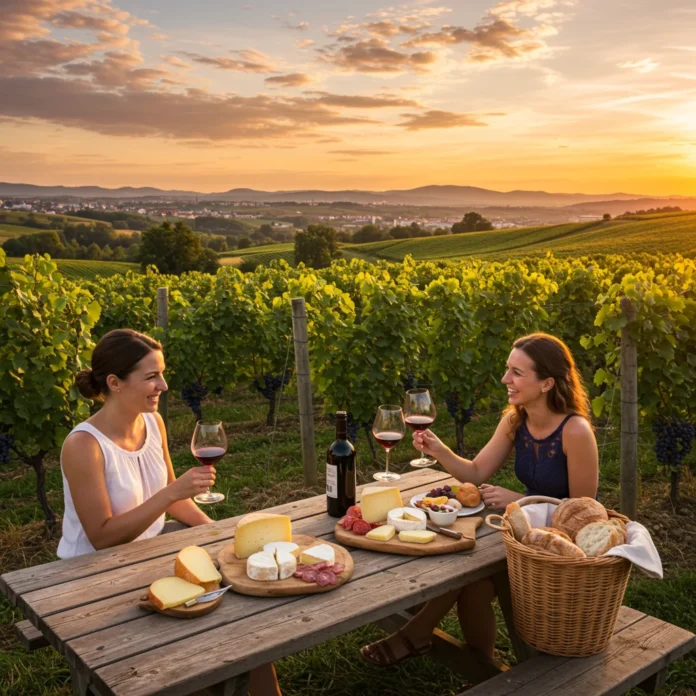

Introduction to Vienna Wine Tours
Vienna is more than a city of imperial palaces and classical music; it is a thriving center of wine culture shaped by centuries-old traditions and scenic landscapes. A wine tour in Vienna offers an immersive journey through rolling vineyards, historic villages, and the tranquil Vienna Woods. Visitors can savor the region’s unique varietals, meet passionate winemakers, and experience the authentic charm of Austria’s capital from a fresh perspective.
Whether you are a seasoned wine enthusiast or simply curious, Vienna’s wine tours invite you to uncover flavors and stories that linger long after your glass is empty.
Why Explore Vienna’s Woods and Vines?
The union of lush forests and sun-drenched vineyards around Vienna creates a setting unlike any other wine destination in Europe. Here, you can stroll beneath ancient oaks before sampling a crisp white wine on a sunlit terrace, with city spires shimmering in the distance.
This harmonious blend of nature and viticulture not only enhances the sensory experience but also offers a peaceful escape from urban bustle. The Vienna Woods provide cool breezes, birdsong, and scenic trails that heighten every sip and step along your journey.
What Makes Vienna a Unique Wine Destination?
Few cities in the world produce wine within their own metropolitan boundaries. Vienna stands out as the only capital with significant commercial vineyards, where urban life and rural tradition coexist seamlessly.
The city’s winemakers have maintained ancient practices while embracing innovation, resulting in distinctive wines that reflect the terroir of both hillside slopes and city edges. Visitors can easily sample these local vintages just minutes from Vienna’s center, making wine culture an everyday pleasure.
A Brief History of Viennese Winemaking
Vienna’s winemaking heritage stretches back over 2,000 years, beginning with Roman settlements along the Danube. Medieval monasteries later cultivated the vineyards, perfecting techniques that are still honored today.
Through wars, plagues, and political changes, Vienna’s winegrowers persisted, shaping the city’s landscape and character. This continuity is evident in every glass and every cobbled lane that winds through the wine villages.
The Geography of Vienna’s Vineyards
Vienna’s vineyards thrive on the rolling hills and fertile soils surrounding the city’s northern and western outskirts. The unique microclimate, influenced by the Danube and the Vienna Woods, creates ideal conditions for both white and red grape varieties.
Vineyards here benefit from warm days, cool nights, and gentle breezes, which foster vibrant acidity and expressive flavors in the wines.
Vienna’s Wine Regions: An Overview
Vienna is divided into several prominent wine regions, each with its own personality and specialties. The most celebrated include Grinzing, Stammersdorf, Neustift am Walde, and Nussdorf.
- Grinzing: Famous for its traditional heurigen and picturesque lanes.
- Stammersdorf: Known for its authentic wine cellars and local charm.
- Neustift am Walde: Renowned for scenic vineyards and inviting taverns.
- Nussdorf: Offers panoramic views and family-owned wineries.
Each region welcomes visitors with its own blend of flavors, landscapes, and hospitality.
The Vienna Woods (Wienerwald): Nature Meets Vineyards
The Vienna Woods, stretching along the city’s western border, serve as a green oasis where nature and viticulture intertwine. Here, vineyards nestle against forested slopes, offering breathtaking vistas and a tranquil atmosphere.
Walking through these woods, the scent of pine mingles with the aroma of ripening grapes, and sunlight dapples the ground through a canopy of leaves. This natural setting not only enriches the wine but also provides countless opportunities for relaxation and exploration.
How to Plan Your Vienna Wine Tour
Organizing a wine tour in Vienna requires thoughtful preparation to make the most of your experience. Begin by choosing the regions and wineries that match your interests, whether you prefer bustling heurigen, serene landscapes, or innovative cellars.
Consider booking activities or tours in advance, especially during peak seasons. Many visitors find it convenient to find tours through reputable platforms that specialize in curated experiences.
When Is the Best Time to Visit Vienna’s Vineyards?
The ideal time for a Vienna wine tour is from late spring to early autumn. During these months, vines are lush, and the weather is warm but not oppressive. Harvest season, typically September to October, offers a lively atmosphere with grape picking and festive events.
Winter visits provide a quieter, more intimate experience, with cozy taverns and hearty local fare, though vineyard walks may be limited by weather.
How to Get Around: Transportation Tips
Vienna’s public transportation system makes it easy to reach most wine regions, with trams and buses connecting the city center to the outskirts. For greater flexibility, consider renting a bicycle or using ride-sharing services.
If you plan to sample several wines, opt for guided tours or designated drivers to ensure a safe and relaxed journey through the hills and woods.
Self-Guided vs. Guided Wine Tours: Which Is Right for You?
Choosing between a self-guided and a guided wine tour depends on your priorities. Self-guided tours offer flexibility and the freedom to linger where you please, perfect for independent travelers with a sense of adventure.
Guided tours, on the other hand, provide expert insights, curated tastings, and convenient transportation. If you are new to Vienna’s wines or want to deepen your knowledge, a guided experience can be especially rewarding.
For inspiration on different wine tour approaches, you might enjoy our review of off-road wine safaris in Tuscany, which highlights how guided adventures can reveal hidden gems.
Top Vienna Wine Tour Routes
Several classic routes allow you to sample the best of Vienna’s vineyards and landscapes. The Grinzing-Heiligenstadt-Nussdorf route is a perennial favorite, winding through charming villages and hillside vines.
Another popular path leads from Stammersdorf to Gerasdorf, offering a more rural and traditional ambiance. Each route promises a blend of local flavors, scenic views, and welcoming taverns.
Heurigen: Vienna’s Traditional Wine Taverns
A visit to Vienna’s heurigen is essential for anyone seeking authentic local culture. These rustic taverns serve house-made wines and hearty Austrian dishes in a convivial setting, often accompanied by live music and laughter.
What Is a Heuriger?
A heuriger is a traditional Viennese wine tavern where winemakers sell their own vintages directly to guests. The atmosphere is relaxed and welcoming, with wooden benches, candlelit tables, and a sense of community.
Heurigen are usually family-run, with recipes and winemaking techniques handed down through generations.
Famous Heurigen to Visit
Some of the most beloved heurigen in Vienna include Heuriger Mayer am Pfarrplatz, where Beethoven once resided, and Heuriger Schübel-Auer, renowned for its lush garden and traditional cuisine.
Each heuriger has its own charm, whether it’s the historic ambiance, panoramic views, or exceptional wine list.
Etiquette and Traditions at the Heurigen
Patrons at heurigen traditionally serve themselves from the buffet and order wine by the glass or jug. It’s customary to greet your tablemates with a friendly “Prost!” and to linger over your meal, savoring both the flavors and the company.
Respect for local customs—such as not clinking glasses with water and letting the host pour the first glass—will be appreciated.
Vienna’s Signature Grape Varieties
Vienna’s vineyards are home to a diverse array of grape varieties, with whites dominating the landscape. Each grape reflects the city’s unique climate and soil, contributing to Vienna’s reputation for fresh, aromatic wines.
Grüner Veltliner: The Star of Vienna
Grüner Veltliner is Vienna’s flagship grape, producing crisp, peppery wines with notes of green apple, citrus, and white pepper. Its lively acidity and mineral character make it a perfect companion to local cuisine.
Grüner Veltliner’s versatility has earned it international acclaim and a loyal following among wine lovers.
Gemischter Satz: Vienna’s Unique Field Blend
Vienna is famous for its Gemischter Satz, a field blend made from multiple grape varieties grown and harvested together. This traditional style captures the complexity and diversity of the city’s vineyards in a single bottle.
Gemischter Satz wines are aromatic, balanced, and refreshingly unique—a true taste of Vienna’s terroir.
Other Notable White and Red Varieties
While whites such as Riesling and Weißburgunder are prominent, Vienna’s reds—particularly Zweigelt and Blaufränkisch—offer juicy fruit flavors and elegant structure.
These reds pair beautifully with heartier dishes and showcase the versatility of Vienna’s vineyards.
Sustainable and Organic Winemaking in Vienna
Many of Vienna’s winemakers have adopted sustainable and organic practices, prioritizing soil health, biodiversity, and minimal intervention. This commitment not only protects the environment but also enhances the purity and expression of the wines.
Visitors can often tour vineyards that use organic farming, solar energy, and natural pest control, gaining insight into the future of winemaking.
Meet the Winemakers: Stories from the Vines
Behind every bottle is a passionate winemaker, each with a story to tell. Vienna’s wine community is known for its hospitality and openness, welcoming visitors to their cellars and sharing the secrets of their craft.
Top Family-Owned Wineries to Visit
Family-owned estates such as Weingut Wieninger and Weingut Mayer am Pfarrplatz are pillars of Vienna’s wine scene. Generations of expertise are evident in every glass, and tours often include personal anecdotes and behind-the-scenes access.
Sharing a meal or a conversation with these families brings a deeper appreciation for the dedication behind each vintage.
Innovative Young Winemakers Shaping Vienna’s Wine Scene
A new generation of winemakers is bringing fresh ideas and energy to Vienna’s vineyards. These innovators experiment with natural fermentation, rare grape varieties, and contemporary design, all while honoring tradition.
As experts often say:
“Great wine is born not only from the land but from the vision and passion of those who tend the vines.”
This spirit of creativity ensures that Vienna’s wine culture remains vibrant and relevant for years to come.
Wine Tasting Experiences: What to Expect
Wine tastings in Vienna are designed to be approachable and enjoyable, whether you are a novice or a connoisseur. Tastings often take place in scenic vineyards, cozy cellars, or bustling heurigen, each offering a unique perspective on the wines.
How to Taste Wine Like a Pro
Professional wine tasting involves using all your senses. Begin by observing the wine’s color and clarity, then swirl the glass to release aromas. Inhale deeply, noting the bouquet, before taking a small sip to assess flavor, structure, and finish.
- Look for clarity and brilliance in the glass.
- Swirl and sniff to detect subtle aromas.
- Sip slowly, allowing flavors to unfold.
- Note the balance of acidity, sweetness, and tannins.
Wine Tasting Etiquette: Do’s and Don’ts
When attending a tasting, it is polite to listen to the host’s descriptions and avoid overpowering perfumes that could interfere with aromas. Spitting is acceptable if you are tasting many wines, and it is customary to thank your host before leaving.
Be open to trying new styles and asking questions—winemakers appreciate genuine curiosity.
Pairing Vienna’s Wines with Local Cuisine
Vienna’s culinary traditions are a perfect match for its wines. From crispy schnitzel to delicate pastries, every meal is an opportunity to discover new flavor combinations and elevate your tasting experience.
Classic Viennese Dishes to Try with Wine
Traditional dishes such as Wiener Schnitzel, Tafelspitz, and Apfelstrudel pair beautifully with local wines. Grüner Veltliner’s freshness complements fried dishes, while Gemischter Satz harmonizes with savory meats and vegetables.
For those interested in pairing insights from other European wine regions, our post on the Epernay Champagne tastings and lunch adventure provides a fascinating comparison.
Vegetarian and Vegan Pairings
Vienna’s wine scene is increasingly accommodating of vegetarian and vegan diets. Fresh salads, roasted vegetables, and plant-based schnitzels all find partners among the city’s aromatic whites and soft reds.
Local heurigen often offer a variety of meatless options, making wine tasting accessible to all.
Wine and Cheese: The Perfect Match
Cheese platters featuring Austrian specialties like Bergkäse and Camembert are popular accompaniments to wine. Creamy cheeses pair well with crisp whites, while aged varieties stand up to bolder reds.
Sampling these combinations in a vineyard setting, with the aroma of fresh bread and the gentle hum of conversation, can be a highlight of your tour.
Exploring the Vienna Woods: Outdoor Activities Beyond Wine
Vienna’s wine country is not just about tasting; it offers a wealth of outdoor activities for all interests. The Vienna Woods provide a natural playground for hiking, cycling, and wildlife observation, all set against a backdrop of vines and rolling hills.
Hiking Trails Through the Vineyards
Several well-marked trails wind through Vienna’s vineyards and forests, suitable for all fitness levels. Along the way, you can enjoy panoramic views, fragrant wildflowers, and the occasional deer crossing your path.
The Stadtwanderweg trails are especially popular, connecting wine villages with scenic lookouts and picnic spots.
Cycling Routes for Wine Lovers
Cycling enthusiasts will find dedicated bike paths that traverse the vineyards and skirt the edges of the Vienna Woods. These routes offer gentle climbs, shaded stretches, and plenty of opportunities to stop for a tasting or a meal at a local heuriger.
For a different perspective on cycling and wine, our article on the Rome to Tuscany food and wine countryside tour describes how two wheels can enhance the experience.
Wildlife and Nature Watching
The Vienna Woods are home to a rich variety of wildlife, from songbirds and butterflies to foxes and wild boar. Early mornings and late afternoons are the best times for quiet observation, with the soft light painting the landscape in gold and green.
Nature lovers will appreciate the peaceful ambiance and the chance to reconnect with the rhythms of the land.
Cultural Highlights Along the Wine Trail
Vienna’s wine trails are dotted with historic villages, ancient churches, and storied landmarks. Exploring these sites adds depth to your journey, revealing the layers of history that shape the region’s identity.
Historic Villages and Landmarks
Villages like Grinzing and Sievering boast cobblestone streets, centuries-old farmhouses, and atmospheric squares. Don’t miss the Beethoven Museum or the baroque Kahlenberg Church, each with tales to tell.
These cultural stops offer a glimpse into Vienna’s storied past and the enduring bond between its people and the land.
Festivals and Seasonal Events
Throughout the year, Vienna’s wine regions host lively festivals that celebrate the grape harvest, local traditions, and the changing seasons. These events are filled with music, dance, and, of course, plenty of wine.
Vienna Wine Festival: What’s It Like?
The annual Vienna Wine Festival draws crowds from near and far, transforming the city’s parks and squares into vibrant tasting venues. Visitors can sample hundreds of wines, enjoy regional cuisine, and mingle with winemakers in a festive atmosphere.
Live bands, traditional dress, and the buzz of conversation create an unforgettable sense of community.
Harvest Celebrations and Grape Stomping
Harvest time is marked by joyful celebrations, where locals and visitors join together to pick grapes, stomp them barefoot, and share in the fruits of the season. These rituals connect participants with the rhythms of nature and the heritage of the land.
For those seeking a memorable hands-on experience, participating in a grape harvest is a highlight not to be missed.
Photography Tips for Capturing Vienna’s Vineyards
Vienna’s vineyards provide endless inspiration for photographers, with their orderly rows, dramatic slopes, and ever-changing light. Capturing these landscapes requires a thoughtful approach and a keen eye for detail.
Best Viewpoints and Sunset Spots
Popular viewpoints such as Kahlenberg and Leopoldsberg offer sweeping vistas over the city and the Danube, especially stunning at sunset. The golden hour bathes the vines in warm light, creating magical photo opportunities.
Arriving early or staying late allows you to capture the shifting moods and colors of the landscape.
How to Take Stunning Vineyard Photos
To photograph Vienna’s vineyards at their best, use natural light to highlight textures and contrasts. Experiment with angles—shooting from low among the vines or high on a hilltop—to add depth and perspective.
- Focus on leading lines, such as rows of vines or winding paths.
- Incorporate local elements, like a glass of wine or traditional architecture, for context.
- Be patient and wait for the perfect moment, whether it’s a cloud passing or a sunbeam breaking through the trees.
For more inspiration on photographing wine destinations, our guide to the Santorini wine and sunset tour offers additional tips and ideas.
Family-Friendly Wine Tour Options
Wine tours in Vienna can be tailored for families, ensuring that everyone enjoys the adventure. Many wineries welcome children and offer activities beyond wine tasting, creating a relaxed and inclusive environment.
Are Vienna Wine Tours Suitable for Kids?
While the focus is on wine, several vineyards provide play areas, farm animals, and educational tours for younger visitors. The surrounding woods and trails offer plenty of space for children to explore safely.
Parents can enjoy tastings while kids engage in supervised activities, making it a pleasant outing for all ages.
Activities for Non-Drinkers
Non-drinkers will find much to appreciate, from guided nature walks and cycling to sampling local juices and culinary specialties. Many heurigen serve homemade grape juice and regional dishes, ensuring that everyone can participate.
Vienna’s wine regions are also known for their welcoming atmosphere and diverse experiences beyond the glass.
Accessible Wine Tours: Tips for Travelers with Disabilities
Vienna is committed to accessibility, and many wineries have adapted their facilities to accommodate visitors with mobility challenges. Step-free entrances, accessible restrooms, and paved paths are increasingly common.
It is advisable to contact wineries in advance to confirm specific needs and arrange tailored experiences. Guided tours often include accessible transportation options for added convenience.
Budgeting for Your Vienna Wine Tour
A Vienna wine tour can suit a range of budgets, from casual tastings to luxurious private experiences. Planning ahead helps you allocate resources for transportation, tastings, meals, and souvenirs.
How Much Does a Vienna Wine Tour Cost?
Prices vary depending on the type of tour, number of tastings, and level of exclusivity. Group tours typically start at around €40–€60 per person, while private or bespoke experiences can cost significantly more.
Many heurigen and wineries offer affordable tasting flights, allowing you to sample several wines without breaking the bank.
Saving Money on Wine Tastings
To save money, visit wineries during off-peak hours, join group tastings, or focus on regions with lower entry fees. Some heurigen waive tasting charges with the purchase of a bottle or meal.
Consider combining your wine tour with other activities, such as hiking or cycling, to maximize value and enjoyment.
What to Pack for a Vienna Wine and Woods Adventure
Packing wisely will enhance your comfort and enjoyment as you move between vineyards, woods, and city streets. Be prepared for changing weather and a variety of activities.
Essential Gear and Clothing
Bring comfortable walking shoes, weather-appropriate layers, and a sun hat for outdoor excursions. A light rain jacket and reusable water bottle are useful for unpredictable weather.
Don’t forget sunglasses, sunscreen, and a small backpack to carry your essentials throughout the day.
Must-Have Wine Accessories
Consider packing a wine tote or padded bag if you plan to purchase bottles. A corkscrew, travel wine glasses, and a notebook for tasting notes can also enhance your experience.
Remember that some wineries provide these items, so check in advance to avoid unnecessary weight.
Responsible Wine Tourism: Tips for Eco-Conscious Travelers
Responsible tourism is central to Vienna’s wine community. Visitors are encouraged to respect the land, support local producers, and minimize their environmental impact.
How to Support Local Wineries
Purchasing wine directly from producers, dining at family-run heurigen, and choosing tours led by locals all contribute to the region’s sustainability.
Engaging with winemakers and learning about their practices fosters a sense of connection and appreciation for their work.
Reducing Your Environmental Impact
Traveling by public transport, cycling, or walking reduces your carbon footprint. Bring reusable bottles and bags, avoid single-use plastics, and dispose of waste responsibly.
Many wineries are happy to share their own sustainability initiatives, offering inspiration for eco-friendly choices at home.
Frequently Asked Questions About Vienna Wine Tours
Travelers often have practical questions before setting out on a Vienna wine adventure. Here are some answers to the most common queries.
Can You Bring Wine Home from Vienna?
Yes, most wineries and heurigen sell bottles for takeaway. Regulations vary by country, so check duty-free limits and packing guidelines before flying. Many wineries offer shipping services for added convenience.
If you are interested in bringing home unique wines from other destinations, our Santorini wine secrets guide covers tips for travelers as well.
Is English Spoken at Wineries?
English is widely spoken at Vienna’s wineries, especially those catering to international visitors. Printed materials and tasting notes are often available in multiple languages, making the experience accessible to all.
A friendly greeting and a willingness to learn a few German phrases will always be appreciated by your hosts.
Final Tips for an Unforgettable Vienna Wine Tour
To make the most of your Vienna wine tour, approach each tasting with curiosity and openness. Take time to savor the scenery, connect with locals, and embrace the slow pace of vineyard life.
Leave space in your itinerary for spontaneous discoveries, whether it’s a hidden heuriger, a new grape variety, or a breathtaking view at sunset. These moments often become the most cherished memories.
How to Book on Viator
Booking your Vienna wine tour is simple and convenient with online platforms specializing in curated travel experiences. We recommend visiting Viator to browse a wide selection of wine tours, outdoor activities, and guided excursions.
You can search by date, preference, and group size, ensuring a personalized experience. Viator provides detailed descriptions, verified reviews, and secure payment options, making it easy to plan your trip with confidence.
Be sure to check availability and book in advance, especially during harvest season or festival periods, to secure your preferred dates and experiences.
Conclusion: Savoring Vienna’s Woods and Vines
A Vienna wine tour is a journey through time, taste, and tradition. From the sunlit slopes of the Vienna Woods to the welcoming embrace of local heurigen, every moment is infused with history, flavor, and authentic Austrian hospitality.
By exploring the city’s vineyards, meeting passionate winemakers, and savoring each glass alongside delicious cuisine, you create memories as lasting as the finest vintage. For more inspiration and expert travel insights, visit Izase and let your next adventure begin.
“Disclaimer: This information is accurate to the best of our knowledge; however, there may be changes or mistakes. Please verify exact details on the Viator booking page.”