
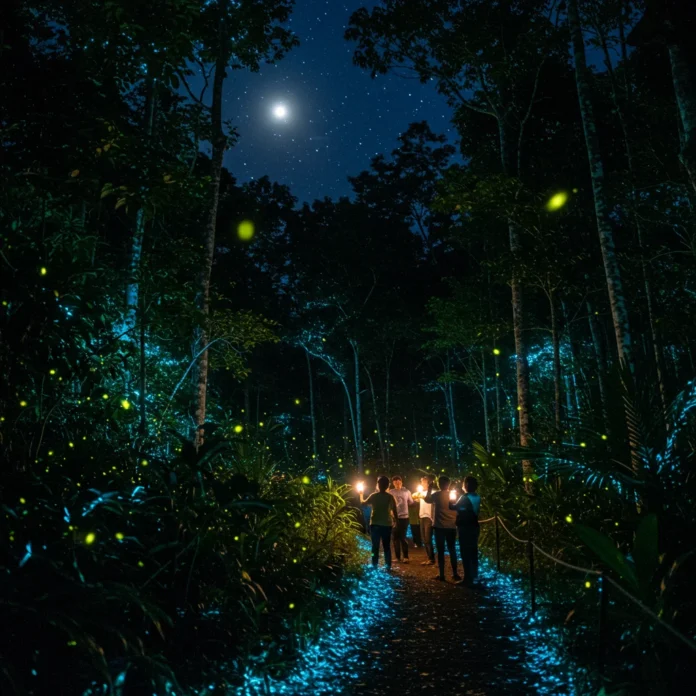

Introduction to the Daintree Rainforest Night Walk
The Daintree Rainforest Night Walk offers a rare glimpse into one of the world’s oldest and most diverse ecosystems after sundown. As the last sunlight fades, the forest transforms—sounds sharpen, shadows deepen, and a hidden world awakens beneath the canopy. For those seeking a truly immersive nature experience, venturing into the Daintree at night reveals wonders that remain concealed during the day.
Guided by experts, visitors tread softly along forest trails, guided by torchlight and the chorus of nocturnal creatures. The air is thick with the scent of damp earth and blooming night flowers, while the forest hums with life. This unique adventure invites us to experience nature in its most mysterious and intimate hours.
What Makes the Daintree Rainforest Unique?
The Daintree Rainforest stands apart for its ancient lineage, incredible biodiversity, and profound ecological significance. Home to a staggering array of plant and animal species—many found nowhere else on Earth—it is a living museum of evolution and adaptation.
Its layered canopy, tangled vines, and moss-draped trees create a lush, primeval atmosphere. The rainforest shelters rare marsupials, iridescent insects, and a dazzling variety of birds, making it a vital refuge for wildlife. The Daintree’s unique combination of tropical climate, age, and isolation has enabled it to preserve species and ecological processes that have vanished elsewhere.
Where Is the Daintree Rainforest Located?
The Daintree Rainforest is situated in Far North Queensland, Australia, stretching from the Daintree River northward to Cooktown and inland to the Great Dividing Range. Nestled between the Coral Sea and rugged mountains, it covers approximately 1,200 square kilometers.
Its proximity to the Great Barrier Reef makes this region especially significant, as two UNESCO World Heritage sites meet in remarkable proximity. The area is accessible by road from popular hubs like Cairns and Port Douglas.
A Brief History of the Daintree
The Daintree Rainforest is estimated to be over 180 million years old, predating even the Amazon. For millennia, Indigenous Kuku Yalanji people have called this land home, nurturing a deep spiritual and cultural connection to its landscapes.
European exploration began in the late 19th century, with the area named after geologist Richard Daintree. Conservation efforts gained momentum in the late 20th century, leading to its World Heritage listing in 1988 and ongoing protection to preserve its irreplaceable biodiversity.
Why Explore the Rainforest at Night?
Nighttime unveils a different side of the rainforest—one teeming with creatures and phenomena invisible by day. The forest’s nocturnal inhabitants emerge, and the interplay of moonlight, shadows, and sounds offers an experience that is both thrilling and serene.
Walking the Daintree after dark allows us to witness rare wildlife behaviors and appreciate the complexity of this ancient ecosystem. The atmosphere is charged with anticipation, as every step could reveal a new surprise.
Day vs. Night: How Does the Experience Differ?
During the day, sunlight filters through the canopy, illuminating vibrant foliage and bustling diurnal creatures. At night, the forest’s energy shifts—the air cools, mist settles, and a chorus of frogs, insects, and night birds fills the silence.
Guided by torchlight, our senses heighten. The subtle movement of a bandicoot, the flash of a gecko’s eyes, or the soft rustle of leaves become more pronounced. The rainforest’s mysteries are revealed to those willing to venture beyond the familiar daylight hours.
For a different perspective on tropical adventures after dark, you might enjoy reading our insights into the Phuket Night Adventure: Plankton Glow & Sea Canoes.
What Wildlife Comes Alive After Dark?
As darkness falls, the Daintree’s nocturnal residents take center stage. Marsupials, reptiles, amphibians, and countless insects become active, each adapted to thrive in the cool, humid night.
From the haunting calls of owls to the delicate glow of bioluminescent fungi, the diversity and abundance of life after dark is astonishing. Many of these species are rarely, if ever, seen during the day, making a night walk a truly special experience.
Planning Your Daintree Night Walk Adventure
Organizing a night walk in the Daintree requires careful consideration of timing, tour options, and personal needs. With proper planning, visitors can maximize both safety and enjoyment, ensuring a memorable journey into the nocturnal rainforest.
We recommend researching reputable tour operators, checking seasonal conditions, and preparing appropriate gear in advance.
Best Time of Year for a Night Walk
The Daintree experiences a tropical climate, with a distinct wet season (November to April) and dry season (May to October). While night walks operate year-round, most visitors prefer the dry season for easier trail conditions and fewer mosquitoes.
However, the wet season brings its own rewards—lush greenery, abundant frogs, and dramatic rainstorms that heighten the rainforest’s atmosphere. Be sure to check local weather forecasts and tour availability before booking.
How to Book a Night Walk Tour
Booking a Daintree night walk tour is straightforward, with numerous operators offering guided experiences. Many tours can be reserved online or through local visitor centers. Some accommodations also arrange group walks or private excursions for their guests.
It’s wise to book in advance during peak seasons, as group sizes are limited to minimize disturbance and enhance wildlife sightings. When choosing a tour, consider the expertise of guides, safety protocols, and the operator’s commitment to conservation.
If you are planning a broader itinerary with other adventure destinations, you may find it helpful to read about Hilo shore excursions and volcanic landscapes for inspiration.
What to Expect on a Daintree Night Walk
Embarking on a Daintree night walk is a sensory-rich experience full of anticipation and discovery. Participants gather at dusk, receive a safety briefing, and set off in small groups under the guidance of experienced naturalists.
The pace is unhurried, allowing time to observe, listen, and ask questions. Guides use torches to illuminate wildlife and interesting features, while carefully minimizing impact on the environment.
How Long Does a Night Walk Last?
Most night walks in the Daintree last between 1.5 and 2.5 hours. The duration may vary depending on the tour provider, weather conditions, and group interests. Shorter walks are available for families or those with limited mobility, while longer explorations cater to keen naturalists.
What Is the Typical Group Size?
Group sizes are intentionally kept small, usually ranging from 6 to 12 participants. This approach ensures a more intimate experience, increases the likelihood of wildlife encounters, and allows guides to tailor information to the group’s interests.
What Should You Wear and Bring?
Preparation is key to enjoying a comfortable and safe night in the rainforest. The right clothing and equipment help protect against insects, weather, and rough terrain.
Essential Gear for Night Walks
We recommend bringing the following items:
- Headlamp or small flashlight (torches are often provided, but personal lights are useful)
- Insect repellent
- Reusable water bottle
- Camera or smartphone (with red-light setting if possible)
- Personal medications (such as antihistamines or asthma inhalers)
Clothing Recommendations
Choose lightweight, long-sleeved shirts and pants to protect against insects and thorny plants. Closed-toe shoes with good traction are essential, as trails can be muddy or uneven. A light rain jacket is advisable, especially during the wet season.
Consider a hat and breathable layers for comfort, and avoid bright colors that may disturb wildlife.
Is the Night Walk Suitable for Children?
Night walks are generally suitable for children aged six and above, depending on their comfort with darkness and wildlife. Some operators offer family-friendly tours with shorter routes and engaging commentary for younger participants.
Parents should assess their child’s readiness and discuss any concerns with the tour provider in advance.
Is the Walk Accessible for All Abilities?
Accessibility varies by operator and trail. Some walks are suitable for people with limited mobility, offering level paths and handrails, while others involve steeper or uneven terrain.
It’s important to communicate any mobility needs when booking, so guides can recommend the most appropriate options.
Meeting Points and Transport Options
Meeting points are typically at visitor centers, accommodation lobbies, or designated car parks near the rainforest. Some tours include hotel pick-up and drop-off, while others require self-drive or shuttle arrangements.
Clear instructions are provided at booking, and punctuality is important, as night walks begin promptly to maximize wildlife viewing opportunities.
Safety Tips for Exploring the Rainforest at Night
Safety is a top priority on Daintree night walks. Guides are trained in first aid and wildlife management, and established protocols minimize risks associated with nocturnal exploration.
Participants are encouraged to listen carefully to instructions, remain with the group, and avoid touching plants or animals.
How Do Guides Keep You Safe?
Professional guides are essential for a safe and enjoyable night walk. They monitor trail conditions, identify potential hazards, and provide expert advice on how to navigate the rainforest after dark.
By setting a steady pace, maintaining group cohesion, and sharing their extensive knowledge, guides ensure that everyone feels secure and informed.
What Hazards Should You Be Aware Of?
Common hazards include slippery trails, low-hanging branches, biting insects, and occasional encounters with snakes or spiders. Guides are adept at spotting and avoiding these risks, and provide clear instructions to minimize danger.
Wearing appropriate clothing and footwear, using insect repellent, and staying alert are important safety measures.
First Aid and Emergency Procedures
All reputable operators carry first aid kits and are trained to handle minor injuries or medical issues. In the unlikely event of an emergency, guides know the quickest evacuation routes and have communication devices to call for assistance.
Before setting out, participants are briefed on what to do in case of separation or illness. Cooperation and calmness are key to managing any unforeseen situations.
Wildlife Encounters: What Might You See?
The Daintree Rainforest is a haven for nocturnal wildlife. Night walks may reveal mammals, reptiles, amphibians, insects, and birds that are rarely active during the day. Each outing is unique—wildlife sightings vary based on weather, season, and luck.
As experts often say:
“The rainforest never sleeps; it simply changes its rhythm. At night, nature’s most secretive performers take the stage.”
Nocturnal Mammals of the Daintree
Marsupials such as tree kangaroos and bandicoots emerge to forage, while possums and gliders navigate the branches above. With patience and a keen eye, visitors may spot these elusive creatures as they move silently through the undergrowth or leap between trees.
Spotting Tree Kangaroos and Bandicoots
Tree kangaroos, with their thick fur and agile limbs, are adapted for life high in the canopy. Bandicoots, on the other hand, scurry across the forest floor, searching for insects and seeds. Guides are skilled at locating these animals by their distinctive movements and tracks.
Bats and Gliders in the Canopy
Fruit bats and sugar gliders dominate the night sky, their wings casting fleeting shadows against the moonlit canopy. Bats pollinate flowers and disperse seeds, while gliders use flaps of skin to soar gracefully between trees.
Reptiles and Amphibians After Dark
Reptiles and amphibians thrive in the humid, sheltered environment of the Daintree. Frogs, geckos, and snakes are frequently encountered, each contributing to the rainforest’s intricate food web.
Frogs and Their Calls
The chorus of frogs is one of the most evocative sounds of the rainforest at night. Green tree frogs, rocket frogs, and other species announce their presence with distinctive calls, especially after rain.
Geckos, Snakes, and Lizards
Geckos cling to tree trunks, their eyes reflecting torchlight. Non-venomous snakes and various lizards may be seen basking on branches or hunting for prey. Guides point out these reptiles while emphasizing respectful observation.
Insects and Arachnids: The Hidden World
Insects and arachnids comprise a significant portion of the rainforest’s biodiversity. Their behaviors, colors, and adaptations are best appreciated after dark, when many species become active.
Glow Worms and Bioluminescent Creatures
Glow worms emit a soft blue-green light, illuminating the forest floor like a constellation. Bioluminescent fungi and beetles add to the magical atmosphere, transforming the night into a living light show.
Spiders, Stick Insects, and More
Orb-weaving spiders construct intricate webs across paths, while stick insects mimic twigs to avoid predators. Moths, beetles, and other insects are drawn to torchlight, offering endless fascination for keen observers.
For those interested in rainforest insect life and adventure, our article on El Yunque’s rainforest adventures shares more about tropical biodiversity.
Birds You Might Hear or See at Night
While most birds roost after sunset, certain species become active or vocal as darkness falls. Their calls add a haunting beauty to the night walk experience.
Owls and Nightjars
Powerful owls and boobook owls hunt in silence, their calls echoing through the trees. Nightjars, with their cryptic plumage and soft “churring” songs, are sometimes spotted perched on low branches or gliding overhead.
Nighttime Plant Life: What Changes After Dark?
Plants are not passive bystanders in the rainforest’s nightly drama. Many species adapt their behaviors and physiology to the cooler, darker hours, contributing to the ecosystem’s balance.
Some plants use the cover of night to attract pollinators, while others close their leaves or release scents to deter herbivores.
How Do Plants Adapt to Night in the Rainforest?
Many rainforest plants reduce water loss by closing stomata or folding leaves after dark. Others alter their chemical composition to deter nocturnal grazers or attract specific pollinators.
Epiphytes and mosses absorb moisture from nighttime humidity, thriving in the cool, damp conditions.
Scented Blooms and Night Pollinators
Certain flowers release strong fragrances at night to attract moths, bats, or beetles. The air becomes thick with the sweet, musky scent of blooms such as native orchids and climbers, creating a sensory feast for visitors.
The Role of Fungi and Mosses
Fungi and mosses play a crucial role in nutrient cycling, breaking down organic matter and enriching the soil. Some species glow faintly in the dark, creating an ethereal ambiance along shadowy trails.
Sensory Experiences on a Night Walk
Exploring the Daintree at night is as much about sensation as sight. The interplay of sound, scent, and darkness immerses us in the forest’s rhythms, sharpening our awareness and deepening our connection to nature.
What Sounds Will You Hear in the Dark?
The absence of daylight amplifies every sound. Frogs croak, insects chirp, and leaves rustle overhead. The distant call of an owl or the sudden splash of a bandicoot crossing a stream can startle and delight in equal measure.
How Does the Rainforest Smell at Night?
After sunset, the rainforest’s scent intensifies. Damp earth, decaying leaves, and fragrant blossoms mingle in the cool air. The aroma is earthy, sweet, and slightly spicy, evoking the forest’s ancient vitality.
How Does Darkness Change Your Perception?
In near-total darkness, our senses recalibrate. We rely more on hearing and touch, noticing subtle shifts in temperature, air movement, and texture. Shadows play tricks on the eyes, heightening anticipation and curiosity.
This sensory shift fosters mindfulness and appreciation for the intricate details of the rainforest environment.
Photography Tips for the Daintree Night Walk
Capturing the magic of a night walk requires patience, creativity, and the right equipment. Low light and active wildlife present challenges, but with preparation, it’s possible to document unforgettable moments.
Can You Take Photos in the Dark?
Yes, but low-light conditions demand careful technique. Avoid using flash, which can disturb animals and wash out images. Instead, rely on slow shutter speeds, higher ISO settings, and steady hands or tripods to capture the ambient glow.
Recommended Camera Gear for Nighttime
Consider bringing:
- A DSLR or mirrorless camera with good low-light performance
- Fast prime lenses (f/2.8 or lower)
- Compact tripod or monopod
- Red-light torch to preserve night vision
Smartphones with night mode can also yield impressive results, especially for close-up shots of insects or fungi.
How to Capture Wildlife Without Disturbing Them
Always prioritize animal welfare. Use a red filter on lights, move slowly, and avoid sudden movements. Set your camera in advance to minimize noise and avoid shining lights directly into animals’ eyes.
Patience and respect yield the most rewarding photographs and memories.
If you’re interested in photographing other lush environments, our post on El Yunque’s waterfalls offers additional tips for capturing challenging natural scenes.
Popular Guided Night Walk Tours in the Daintree
Numerous tour operators in the Daintree region offer professionally guided night walks, each with its own focus, duration, and expertise. Choosing the right tour enhances your experience and supports local conservation efforts.
Top-Rated Tour Operators
Look for operators with experienced naturalist guides, small group sizes, and a strong commitment to ethical wildlife viewing. Many tours are led by passionate locals or Indigenous guides, whose insights add depth to your adventure.
What Do Different Tours Offer?
Some tours emphasize wildlife observation, while others focus on rainforest ecology, Indigenous knowledge, or photography. Options range from short introductory walks to in-depth explorations lasting several hours.
Special interest tours, such as “frog walks” or private photography sessions, cater to specific interests and skill levels.
Private vs. Group Night Walks: Which Is Best?
Private tours offer personalized attention, flexibility, and the chance to set your own pace. Group tours foster camaraderie, shared discovery, and often cost less per person.
Consider your interests, budget, and comfort level when choosing between private and group experiences.
Cultural Insights: Indigenous Knowledge and Night Walks
Indigenous guides bring a unique perspective to night walks, sharing stories, traditions, and ecological expertise passed down through generations. Their connection to the land enriches every step of the journey.
How Do Indigenous Guides Enhance the Experience?
Kuku Yalanji guides interpret the rainforest’s signs and sounds, explaining traditional uses for plants, the significance of animal behaviors, and the cultural meaning of natural phenomena. Their guidance deepens our understanding and appreciation of the Daintree’s living heritage.
Stories and Legends of the Rainforest at Night
Night walks often include storytelling, with tales of ancestral spirits, creation myths, and lessons learned from the land. These narratives weave together natural history and cultural wisdom, offering a holistic view of the rainforest’s significance.
Conservation and Sustainability
Responsible tourism is essential to preserve the Daintree’s fragile ecosystems. Night walks are conducted with minimal impact, following strict guidelines to protect wildlife and habitats.
Visitors play a key role by respecting rules, supporting ethical operators, and spreading awareness of the rainforest’s value.
How Are Night Walks Conducted Responsibly?
Operators use established trails, limit group sizes, and avoid disturbing sensitive areas. Guides educate participants about conservation challenges and encourage sustainable behaviors throughout the experience.
What Can Visitors Do to Protect the Daintree?
We can contribute by:
- Staying on marked paths
- Leaving no trace—taking all rubbish and belongings
- Supporting local conservation initiatives
- Respecting wildlife and refraining from feeding or handling animals
Supporting Local Communities Through Eco-Tourism
Eco-tourism creates jobs and supports Indigenous communities, providing incentives to protect natural resources. By choosing responsible tours, visitors help fund education, research, and habitat restoration projects.
Frequently Asked Questions About Daintree Night Walks
We address some of the most common questions from first-time and returning visitors to the Daintree Rainforest at night.
Are Night Walks Safe for Solo Travelers?
Yes, guided night walks are safe and welcoming for solo travelers. Group settings foster a sense of community, while guides ensure everyone feels comfortable and secure throughout the journey.
What Happens If It Rains?
Rain is a natural part of the Daintree experience and often enhances wildlife activity, especially among frogs and insects. Most tours continue in light to moderate rain, but severe weather may prompt cancellations or rescheduling for safety reasons.
Can You See Cassowaries at Night?
Cassowaries are primarily diurnal and rarely encountered after dark. While sightings are possible during dawn or dusk walks, they are unlikely during night tours. Guides will share tips for observing these iconic birds safely during daytime excursions.
For more information about exploring volcanic and wildlife-rich regions, our article on Big Island’s natural wonders provides an informative perspective.
Tips for a Memorable Daintree Night Walk
A successful night walk depends on preparation, respect, and an open mind. Each outing offers its own surprises, so approach the experience with patience and curiosity.
How to Maximize Your Wildlife Sightings
- Move slowly and quietly
- Listen for guide instructions and wildlife sounds
- Use red lights to preserve night vision
- Stay alert and scan all levels of the forest
Respecting the Rainforest and Its Inhabitants
Follow all guidelines, avoid touching plants or animals, and maintain a respectful distance from wildlife. Your actions help protect sensitive species and habitats for future generations.
What to Do (and Not Do) During the Walk
- Do ask questions and engage with your guide
- Do remain with the group at all times
- Don’t use flash photography unless permitted
- Don’t leave designated trails or disturb vegetation
Nearby Attractions and Activities
The Daintree region offers a wealth of daytime adventures, accommodation options, and dining experiences to complement your night walk.
Daytime Adventures in the Daintree
Popular activities include river cruises, ziplining, birdwatching, and guided hikes. The Daintree Discovery Centre provides interactive exhibits and canopy walks for all ages.
Where to Stay Near the Rainforest
Accommodation ranges from eco-lodges and rainforest retreats to budget-friendly hostels and campsites. Many properties offer easy access to trails and tour pick-up points.
Recommended Restaurants and Cafés
Local eateries serve fresh tropical produce, Australian cuisine, and Indigenous specialties. Don’t miss the chance to sample local fruits, seafood, and handmade treats after your adventure.
How to Get to the Daintree Rainforest
Reaching the Daintree requires planning, as the region is remote and transportation options are limited. However, the journey is part of the adventure, with scenic drives and ferry crossings along the way.
Traveling from Cairns or Port Douglas
Most visitors travel to the Daintree from Cairns (about 2 hours by car) or Port Douglas (about 1 hour). The route follows the Captain Cook Highway, offering spectacular coastal views before turning inland toward the rainforest.
Transport Options: Car, Bus, or Tour
Self-driving is the most flexible option, but shuttle buses and organized tours are also available. The Daintree River Ferry provides access to the northern forest. Some night walk tours include transport from major towns or resorts.
Packing Checklist for Your Night Walk
Being prepared enhances comfort and enjoyment during your night walk. Use this checklist to organize your gear:
Essential Items to Bring
- Headlamp or flashlight (plus spare batteries)
- Insect repellent
- Lightweight, long-sleeved clothing
- Sturdy, closed-toe shoes
- Water bottle
- Camera or smartphone with night mode
- Rain jacket (especially in wet season)
Optional Extras for Comfort and Convenience
- Binoculars for spotting distant wildlife
- Notebook and pen for observations
- Personal first aid kit
- Reusable bag for rubbish
How to Book on Viator
Booking your Daintree Rainforest night walk is simple and secure with Viator. Their platform allows you to compare tour options, read verified reviews, and reserve your preferred date in advance.
Viator offers a variety of night walk experiences, from family-friendly outings to in-depth wildlife tours. Their customer support and flexible cancellation policies make it easy to plan your trip with confidence. You can also find tours and book activities for other destinations through their website.
Final Thoughts: Why You Should Experience the Daintree Rainforest at Night
The Daintree Rainforest Night Walk invites us into a world of wonder and discovery. Each step through the darkness reveals new sights, sounds, and sensations, connecting us to the forest’s timeless rhythms. Whether you are a seasoned naturalist or a curious traveler, a night walk promises memories that linger long after you leave the forest behind.
At Izase, we believe that responsible travel deepens our appreciation for the world’s wild places and the communities that protect them. For more inspiration and travel advice, visit Izase.
Disclaimer: This information is accurate to the best of our knowledge; however, there may be changes or mistakes. Please verify exact details on the Viator booking page.