
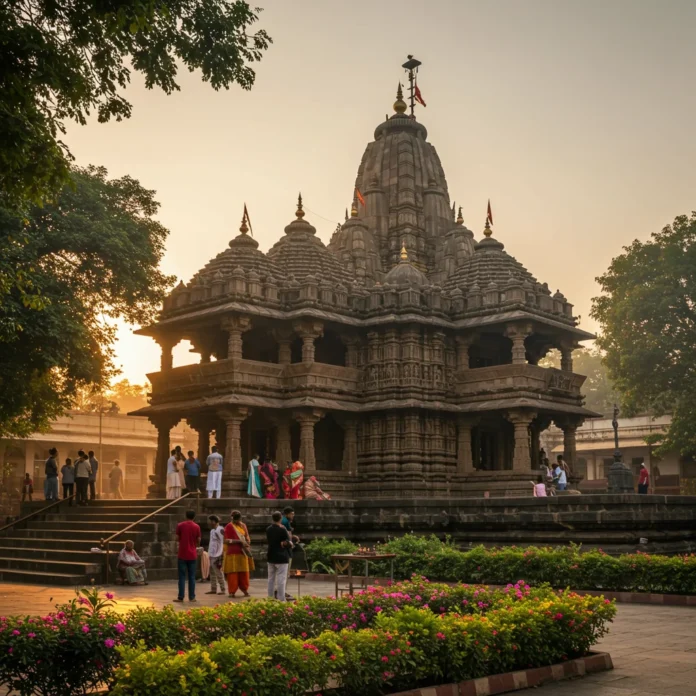

Introduction to Babulnath Temple
Babulnath Temple stands as one of Mumbai’s most revered and tranquil Shiva temples. Perched atop a small hillock, the temple offers a peaceful refuge from the bustling city below. Visitors are often greeted by the fragrance of incense, the gentle ringing of bells, and the sight of devotees ascending its stone steps with offerings in hand.
Known for its spiritual atmosphere and architectural beauty, Babulnath Temple attracts pilgrims, history enthusiasts, and travelers seeking a deeper understanding of Mumbai’s religious heritage. Let us guide you through every essential detail for planning a visit to this sacred site.
Where Is Babulnath Temple Located?
Babulnath Temple is located in the southern part of Mumbai, Maharashtra. The temple sits near the iconic Girgaum Chowpatty Beach, at the end of Marine Drive. Its elevated position provides panoramic views of the Arabian Sea and the cityscape, especially during the early morning hours when the first rays of sunlight illuminate the temple spire.
The address is Babulnath Road, Charni Road, Mumbai, Maharashtra 400007. Its central location makes it easily accessible by various modes of transport, and its proximity to several heritage landmarks adds to its appeal.
History of Babulnath Temple
The story of Babulnath Temple weaves together centuries of devotion, architectural endeavors, and local legends. Its roots stretch deep into Mumbai’s cultural past, making it a significant site for both religious and historical exploration.
Who Built Babulnath Temple?
The original structure of Babulnath Temple dates back to the late 18th century. It was constructed under the patronage of Hindu merchants and philanthropists, with the prominent Gujarati community playing a major role in its development. Over the years, the temple has been renovated and maintained by successive generations, preserving its sanctity and historical charm.
Historical Significance of the Temple
Babulnath Temple has served as a focal point for Shiva worship in Mumbai for over two centuries. It was established at a time when Mumbai was still developing into a major urban center, and the temple quickly became a spiritual anchor for the local community. Its enduring presence reflects the city’s layered religious history, similar to how other destinations, such as the Blue Mosque in Istanbul, serve as spiritual and architectural landmarks in their respective cities.
Legends and Myths Associated with Babulnath Temple
Local lore suggests that the main Shiva lingam was discovered by a cowherd, who noticed one of his cows mysteriously pouring milk over a particular spot on the hill. Upon excavation, the ancient lingam was found, leading to the temple’s construction. This legend continues to draw devotees who believe in the site’s miraculous origins and divine energy.
Babulnath Temple Timings
Understanding the temple timings is vital for planning an effective visit. The temple observes specific hours for darshan, special poojas, and aartis, especially during festival periods.
What Are the Daily Opening and Closing Hours?
Babulnath Temple generally opens early in the morning and closes late in the evening. The standard timings are:
- Opening: 5:00 AM
- Closing: 10:00 PM
These hours allow devotees and visitors to experience the temple’s serenity both at sunrise and after sunset. However, timings may vary slightly on special occasions.
Timings During Special Festivals
During major festivals, especially Maha Shivratri, the temple extends its hours to accommodate the large influx of devotees. On such days, the temple may remain open throughout the night, with special arrangements for crowd management and ritual performances.
Aarti Timings at Babulnath Temple
The temple conducts several aartis (prayer rituals) throughout the day. The main aartis typically take place at:
- 6:30 AM (Morning Aarti)
- 12:00 PM (Noon Aarti)
- 7:00 PM (Evening Aarti)
Participating in these aartis can be a deeply spiritual experience, as the melodic chanting, rhythmic drumming, and flickering oil lamps create an atmosphere of devotion.
Best Time to Visit Babulnath Temple
Choosing the right time for your visit can greatly enhance your experience at Babulnath Temple. Factors such as weather, crowd levels, and festival schedules should be considered when planning your trip.
Weather Considerations for Visitors
Mumbai’s climate is tropical, with high humidity levels for much of the year. The best months for comfortable temple visits are from November to February, when the weather is cooler and less humid. Early mornings and late evenings offer a gentle breeze, making the ascent to the temple more pleasant.
Peak and Off-Peak Visiting Hours
Peak hours typically coincide with early mornings and evenings, especially on Mondays and festival days, when devotees gather for special prayers. If you prefer a quieter atmosphere, visiting during mid-morning or early afternoon on weekdays is advisable, allowing for a more reflective and peaceful experience.
Babulnath Temple Entry Fees & Charges
Many visitors inquire about the costs associated with visiting Babulnath Temple. Understanding the entry policies and charges for special rituals can help you plan your visit more effectively.
Is There Any Entry Fee for Babulnath Temple?
There is no entry fee for visiting Babulnath Temple. The temple remains open to all devotees and tourists, regardless of nationality or background. Donations, however, are welcome and contribute to the temple’s upkeep and charitable activities.
Charges for Special Darshan or Pooja
While general entry is free, certain special poojas or rituals may require a nominal fee. These charges vary depending on the type of offering or ritual you wish to participate in. Details and rates are typically displayed at the temple premises or can be obtained from the temple office.
How to Reach Babulnath Temple?
Reaching Babulnath Temple is convenient thanks to Mumbai’s extensive public transport network. Whether you prefer traveling by train, bus, taxi, or private vehicle, you will find several options to suit your needs.
Reaching by Local Train
The nearest railway stations are Charni Road and Grant Road, both located on the Western Line of Mumbai’s suburban railway network. From either station, the temple is a short 10 to 15-minute walk or a brief auto-rickshaw ride.
Arriving via Bus or Taxi
Several BEST buses serve the area around Babulnath Temple, with stops at or near Chowpatty and Babulnath Road. Taxis and auto-rickshaws are also readily available throughout Mumbai, providing a direct and comfortable means of transport for visitors unfamiliar with the city’s public transit.
Parking Facilities Near the Temple
While the temple does not have a dedicated parking lot, street parking is available in the vicinity. However, parking can be limited during peak hours and festivals. It is advisable to use public transport or taxis to avoid parking challenges.
Nearby Landmarks and Accessibility
Babulnath Temple is located near several well-known attractions, including Girgaum Chowpatty Beach and Marine Drive. The temple’s hilltop position is accessible via a series of broad steps, with handrails and resting points for those who may need them.
Temple Architecture and Design
The architectural style of Babulnath Temple reflects traditional Hindu temple design, featuring intricate carvings, sculpted pillars, and a soaring shikhara (spire). The craftsmanship displayed throughout the temple complex offers visitors an opportunity to appreciate both religious and artistic heritage.
Unique Features of Babulnath Temple Architecture
Babulnath Temple’s architecture is reminiscent of ancient temples found in central and western India. Its ornate entrance, carved pillars, and detailed friezes depict scenes from Hindu mythology. The temple’s white marble exterior gleams in the sunlight, creating a serene and inviting ambiance.
Sculptures and Carvings to Notice
As you explore the temple, take time to observe the numerous sculptures of deities, animals, and floral motifs adorning the pillars and ceilings. Each carving tells a story, with some depicting episodes from the life of Lord Shiva. These details evoke the craftsmanship seen at other celebrated religious sites, such as the Golden Buddha in Bangkok.
Exploring the Sanctum and Main Shrine
The sanctum sanctorum houses the revered Shiva lingam, believed to have been self-manifested. The chamber is often filled with the scent of sandalwood, marigold flowers, and fresh offerings. Visitors are encouraged to maintain silence and respect the spiritual atmosphere while inside the main shrine.
Deities Worshipped at Babulnath Temple
Although Lord Shiva is the principal deity, Babulnath Temple also hosts several other shrines within its complex, reflecting the diversity of Hindu worship practices.
Who Is Lord Babulnath?
Lord Babulnath is a form of Lord Shiva, worshipped in the lingam form at this temple. The deity is associated with the babul tree, which is considered sacred in Hindu tradition. Devotees seek blessings for health, prosperity, and spiritual growth at this shrine.
Other Deities and Shrines Within the Complex
In addition to the main Shiva lingam, the temple complex includes smaller shrines dedicated to Parvati, Ganesh, Hanuman, and other deities. These shrines are often adorned with garlands and lamps, creating a vibrant and devotional atmosphere throughout the temple grounds.
Rituals and Poojas Performed
Babulnath Temple is renowned for its daily rituals and special ceremonies, which attract devotees from across Mumbai and beyond. Each ritual is performed with precision, accompanied by Vedic chants and traditional musical instruments.
Daily Rituals and Offerings
The day begins with the morning abhishek (ritual bathing of the Shiva lingam), followed by aartis, flower offerings, and the recitation of sacred hymns. Devotees can participate by offering milk, water, and bilva leaves, which are considered auspicious for Lord Shiva.
Special Poojas and Ceremonies
Special poojas, such as Rudra Abhishek and Mahamrityunjaya Jaap, are conducted on request. These elaborate ceremonies involve a series of rituals, including the chanting of mantras and the offering of specific items to the deity.
How to Participate in Temple Rituals?
Visitors interested in participating should approach the temple office to register and make arrangements. Details about timings, fees, and requirements are available onsite. The temple staff are welcoming and can guide you through the process, ensuring a meaningful experience.
Festivals Celebrated at Babulnath Temple
Festivals infuse Babulnath Temple with vibrant energy, devotional music, and colorful decorations. The temple is especially lively during major Hindu celebrations, drawing large crowds and creating a festive spirit in the surrounding area.
Maha Shivratri Celebrations
Maha Shivratri is the most significant festival at Babulnath Temple. Devotees from across the city and beyond gather to offer prayers, perform night-long vigils, and take part in special rituals. The temple is beautifully decorated with flowers and lights, and the sound of bells and chants fills the air.
Other Major Festivals and Events
Other important occasions include Shravan month, Ganesh Chaturthi, and Kartik Purnima. During these times, the temple hosts additional poojas and cultural programs, enhancing the spiritual experience for visitors. As experts often say:
“Temples are not just places of worship—they are living institutions that nurture tradition, community, and the spirit of togetherness.”
Visitor Information and Guidelines
To maintain the sanctity of Babulnath Temple, visitors are expected to follow certain guidelines regarding attire, behavior, and the use of electronic devices. Adhering to these practices ensures a respectful and harmonious environment for all.
Dress Code and Etiquette for Visitors
Modest attire is recommended for both men and women. Shoulders and knees should be covered, and footwear must be removed before entering the temple premises. Maintaining silence and refraining from disruptive behavior is appreciated.
Are Mobile Phones and Cameras Allowed?
Mobile phones should be kept on silent mode, and photography inside the main sanctum is generally prohibited. Some areas may allow photos, but always check for posted signs or consult temple staff to avoid any inconvenience.
Facilities for Senior Citizens and Differently-Abled
The temple provides basic facilities such as handrails along the steps and resting areas for elderly visitors. However, the ascent can be challenging for those with mobility issues. Assistance is available upon request, and it is advisable to plan accordingly.
Prasad and Offerings at Babulnath Temple
Offering prasad (blessed food) is an integral part of the temple visit. The temple provides various options for devotees who wish to make offerings or take prasad home for family and friends.
Where to Buy Prasad?
Prasad can be purchased from authorized stalls located just outside the temple entrance. These vendors offer a range of items, including sweets, coconuts, and flowers, all neatly packaged for convenience and hygiene.
Types of Offerings Accepted
Traditional offerings include milk, honey, bilva leaves, fruits, and sweets. Devotees may also present garlands and incense sticks, which are used during rituals and aartis.
Shopping and Souvenirs Near the Temple
The area surrounding Babulnath Temple is dotted with small shops and street vendors selling religious items, souvenirs, and local handicrafts. These stalls add color and vibrancy to the temple approach, creating a lively marketplace atmosphere.
Shops for Religious Items
Specialty stores offer a variety of pooja items, idols, rudraksha beads, and prayer books. These make thoughtful gifts or keepsakes for those wishing to carry a piece of the temple’s spiritual energy home.
Local Markets and Street Vendors
In addition to religious goods, visitors will find vendors selling snacks, flowers, and simple trinkets. Bargaining is common, and the friendly banter with shopkeepers adds a charming, local touch to the experience.
Nearby Attractions to Explore
Babulnath Temple’s central location offers visitors easy access to several of Mumbai’s most popular attractions. Exploring the neighborhood can enrich your understanding of the city’s cultural and historical landscape.
Girgaum Chowpatty Beach
Just a short walk from the temple, Girgaum Chowpatty Beach is famous for its golden sands, street food stalls, and evening crowds. The beach is an ideal spot to unwind after a temple visit, with the sound of waves and the aroma of roasted corn filling the air. If you are interested in how spiritual sites integrate with local culture, you might appreciate our insights on Istanbul’s Blue Mosque as well.
Hanging Gardens and Kamala Nehru Park
Located atop Malabar Hill, these lush gardens offer panoramic views of Mumbai’s skyline and the Arabian Sea. The meticulously manicured lawns, vibrant flowerbeds, and whimsical topiary animals make them a favorite for families and nature lovers.
Other Temples and Heritage Sites
The area is also home to other notable temples, such as Walkeshwar Temple and Mahalaxmi Temple, as well as heritage structures that reflect Mumbai’s colonial and indigenous history.
Food and Dining Options Around Babulnath Temple
Whether you are seeking a quick snack or a leisurely meal, the vicinity of Babulnath Temple offers a variety of dining options to suit every taste and budget.
Popular Eateries and Cafes Nearby
Several well-established restaurants and cafes line the roads near the temple, serving everything from traditional Maharashtrian fare to international cuisine. The aroma of freshly brewed coffee and sizzling dosas often drifts out to greet passersby.
Street Food to Try in the Area
Mumbai’s street food scene is legendary, and the area around Babulnath Temple is no exception. Must-try treats include bhel puri, pav bhaji, and vada pav, all prepared with local spices and served with a smile by seasoned vendors.
Accommodation Options Near Babulnath Temple
With its prime location, visitors to Babulnath Temple have access to a wide range of accommodation options, from budget-friendly guesthouses to luxury hotels.
Budget Hotels and Guesthouses
Affordable lodgings are available within walking distance of the temple, offering clean rooms and basic amenities. These are ideal for pilgrims and those seeking a simple, comfortable stay.
Luxury and Mid-Range Hotels
For travelers seeking more comfort, several mid-range and upscale hotels are located nearby, featuring modern amenities, in-house dining, and excellent service. Many offer sea-facing rooms, allowing guests to enjoy beautiful sunsets over the Arabian Sea.
Safety Tips for Visitors
While Babulnath Temple is generally safe for visitors, a few precautions can help ensure a smooth and pleasant experience, especially during crowded times.
How to Keep Your Belongings Safe?
Carry only essential items and secure your belongings in a zipped bag. Avoid bringing valuables, and be mindful of your surroundings, particularly during festivals when crowds are at their largest.
Dealing with Crowds and Peak Times
Arriving early in the morning or later in the evening can help you avoid the busiest periods. Stay patient, follow the queue, and listen to temple staff instructions for a hassle-free visit. These tips are just as relevant when visiting other major spiritual sites, as discussed in our guide to what to know before you go to Istanbul’s Blue Mosque.
Frequently Asked Questions About Babulnath Temple
Here are answers to some of the most common questions from visitors planning a trip to Babulnath Temple.
Can Foreign Tourists Visit Babulnath Temple?
Yes, the temple welcomes both Indian and international visitors. All are encouraged to respect local customs and participate in rituals if they wish.
Is Photography Allowed Inside the Temple?
Photography is generally not permitted inside the main sanctum. However, you may take pictures in the outer areas, provided you do not disturb ongoing rituals or other visitors.
Are There Guided Tours Available?
Guided tours are occasionally organized by local agencies and spiritual organizations. For a more structured experience, you can also find tours and activities on Viator, which often include transportation and expert commentary.
Contact Information and Official Resources
For the most accurate and updated information, visitors are encouraged to use the following contact details and resources:
Temple Phone Number and Email
The temple office can be contacted at +91-22-2367 8561. For email inquiries, reach out to info@babulnath.com.
Official Website and Social Media Links
The official website, www.babulnath.com, provides updates on timings, festivals, and temple news. Social media handles are also available for event announcements and community engagement.
How to Book on Viator
For visitors seeking a convenient and organized experience, booking your trip or tour through Viator is highly recommended. Viator offers a user-friendly platform where you can compare options, read verified reviews, and secure your spot in advance.
To plan your trip or book activities, simply visit their website and search for Mumbai temple tours or related experiences. Viator’s customer support and flexible cancellation policies add peace of mind, especially for first-time visitors to the city.
Summary and Key Takeaways for Visitors
Babulnath Temple is a sanctuary of devotion, history, and architectural beauty in the heart of Mumbai. Its welcoming atmosphere, rich traditions, and central location make it a must-visit for anyone interested in the city’s spiritual and cultural life. From understanding temple timings to exploring nearby attractions and dining options, we hope this guide helps you plan a rewarding and memorable visit.
For more expert travel tips and in-depth guides, be sure to explore the resources at Izase. Visit us at izase.com for your next adventure.
Disclaimer: This information is accurate to the best of our knowledge; however, there may be changes or mistakes. Please verify exact details on the Viator booking page.