
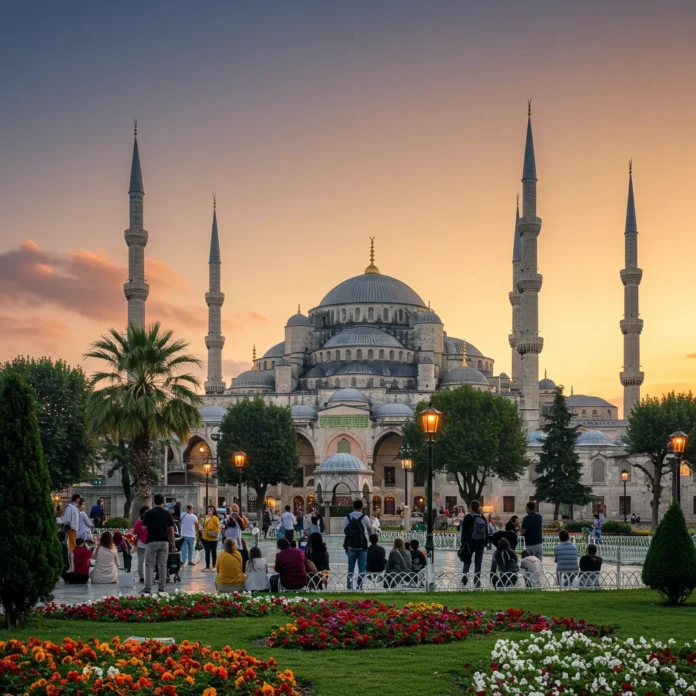

Introduction: Why the Blue Mosque is Istanbul’s Spiritual Masterpiece
The Blue Mosque, officially known as Sultan Ahmed Mosque, stands as one of Istanbul’s most iconic landmarks. Its silhouette, adorned with cascading domes and slender minarets, is instantly recognizable along the city’s historic skyline. For centuries, it has held a central place in both the religious and cultural life of Istanbul.
Visitors are often struck by the mosque’s harmonious design and peaceful atmosphere. Whether you’re admiring its architectural details or joining the faithful in prayer, the Blue Mosque offers a profound sense of tranquility. This spiritual masterpiece continues to inspire awe and reverence for all who enter its grand doors.
What Makes the Blue Mosque Unique?
What sets the Blue Mosque apart from countless other mosques around the world? The answer lies in its remarkable blend of artistry, scale, and historical significance. Its design merges classical Ottoman mosque architecture with Byzantine elements, creating a structure that is both majestic and inviting.
Perhaps most distinctive is the mosque’s interior, lined with over 20,000 hand-painted Iznik tiles in shades of blue. These tiles give the building its famous nickname and create a serene, luminous effect inside the vast prayer hall. The mosque’s six minarets, an unusual feature, also contribute to its unique character and storied past.
Where is the Blue Mosque Located in Istanbul?
Positioned at the heart of Istanbul’s historic peninsula, the Blue Mosque is located in the Sultanahmet district. This area is often considered the city’s cultural and spiritual center, surrounded by other significant sites such as the Hagia Sophia and Topkapi Palace.
The mosque overlooks the bustling Sultanahmet Square and is easily accessible from many parts of Istanbul. Its central location makes it a natural starting point for anyone wishing to experience the city’s rich heritage. If you’re planning a trip to Istanbul, this district offers a wealth of attractions within walking distance.
Historical Background of the Blue Mosque
The story of the Blue Mosque is deeply entwined with the history of Istanbul and the Ottoman Empire. Commissioned during a period of great ambition, the mosque was intended to assert the empire’s power and devotion. Its construction marked a significant chapter in the city’s architectural evolution.
Understanding the mosque’s origins helps to appreciate its enduring significance. The following sections highlight the key figures, influences, and milestones that shaped this architectural marvel.
Who Commissioned the Blue Mosque?
The vision behind the Blue Mosque traces back to Sultan Ahmed I, who sought to create a grand place of worship that would rival the Hagia Sophia. His ambition was to leave a lasting legacy both spiritually and architecturally.
The decision to build such a monumental mosque reflected the sultan’s desire to demonstrate his piety and strengthen the empire’s Islamic identity. The project became a symbol of both faith and royal authority in the early 17th century.
The Vision of Sultan Ahmed I
Sultan Ahmed I ascended to the throne at a young age and quickly set his sights on commissioning a mosque that would elevate the city’s religious landscape. Despite facing military setbacks, he invested heavily in the construction, personally overseeing the project’s progress.
His commitment to the mosque was so intense that he participated in groundbreaking ceremonies and ensured the use of the finest artisans and materials. This dedication is evident in every detail, from the mosque’s elegant domes to its intricate tilework.
Construction Timeline and Key Dates
Construction of the Blue Mosque began in 1609 and took seven years to complete. The mosque was officially opened for worship in 1616, just one year before Sultan Ahmed I’s death.
Throughout its building phase, thousands of workers and master craftsmen contributed to the project. The rapid pace and scale of construction were unprecedented, reflecting the sultan’s determination to see his vision realized.
Architectural Influences and Inspirations
The Blue Mosque’s design was inspired by both Islamic and Byzantine architecture. Its central dome and cascading semi-domes recall the grandeur of the Hagia Sophia, while its use of spacious courtyards and slender minarets is distinctly Ottoman.
Other influences include earlier imperial mosques in Istanbul, such as the Süleymaniye Mosque. The combination of these elements resulted in a harmonious and innovative structure that became a blueprint for future mosque architecture.
The Role of Sedefkâr Mehmed Ağa: The Chief Architect
Sedefkâr Mehmed Ağa, a student of the legendary architect Mimar Sinan, was chosen to lead the project. His expertise in both engineering and decorative arts proved invaluable in realizing the sultan’s ambitious plans.
Mehmed Ağa’s mastery is evident in the mosque’s harmonious proportions and exquisite interior details. He skillfully balanced structural innovation with aesthetic beauty, creating a space that remains a testament to Ottoman artistry.
How Did the Blue Mosque Get Its Name?
The name “Blue Mosque” comes from the striking blue tiles that adorn its interior walls. These hand-crafted Iznik tiles feature intricate floral and geometric patterns in shades of turquoise, cobalt, and lapis.
As sunlight filters through the stained glass windows, the blue hues seem to shimmer, giving the mosque its ethereal quality. Over time, visitors began referring to the mosque by its most memorable feature, and the nickname has endured ever since. For practical tips before your visit, you can read our Blue Mosque essentials guide.
Exterior Architecture: A Grand First Impression
The Blue Mosque’s exterior is a masterpiece of symmetry and scale. Its grand courtyard, soaring minarets, and cascading domes create a breathtaking visual impact from every angle. The mosque’s facade is both inviting and imposing, reflecting the power and artistry of the Ottoman Empire.
Upon arrival, visitors are greeted by the mosque’s monumental entrance, framed by lush gardens and elegant stonework. The harmonious arrangement of architectural elements creates a sense of balance and serenity that sets the tone for the experience inside.
The Six Minarets: Symbolism and Controversy
One of the mosque’s most distinctive features is its six minarets, an unprecedented number at the time of construction. Traditionally, only the holiest mosques, such as the one in Mecca, had six minarets. This bold choice sparked debate and was eventually resolved by adding a seventh minaret to the mosque in Mecca.
The minarets themselves are slender and graceful, accentuating the mosque’s verticality and providing a dramatic silhouette against the Istanbul skyline. Their presence symbolizes both spiritual aspiration and imperial prestige.
The Central Dome: Engineering Marvel
The Blue Mosque’s central dome is an impressive engineering achievement, measuring 23.5 meters in diameter and rising 43 meters above the prayer hall. Supported by four massive pillars known as “elephant feet,” the dome creates a sense of boundless space inside.
This architectural feat required precise calculations and innovative construction techniques. The dome’s harmonious proportions and elegant curves contribute to the mosque’s overall sense of grandeur and tranquility.
Courtyard and Surrounding Gardens
The mosque’s expansive courtyard is one of the largest of any Ottoman mosque. Surrounded by arcaded walkways and lush gardens, it offers a peaceful respite from the city’s energy.
Visitors can enjoy the gentle sound of fountains and the fragrance of blooming flowers while admiring the mosque’s exterior details. The courtyard serves as both a gathering place and a transition space, preparing guests for the serenity within.
What to Notice on the Mosque’s Facade?
Take time to appreciate the mosque’s finely carved stonework and ornate calligraphy at the entrances. The facade features a series of domes and half-domes, each adorned with intricate details and decorative motifs.
Look closely at the carved marble, elegant arches, and the striking contrast between stone and tile. These elements showcase the skill of Ottoman artisans and the attention to detail that defines the Blue Mosque’s exterior.
Interior Design: Stepping into Serenity
Entering the Blue Mosque is a sensory experience. The soft glow from stained glass windows, the cool touch of marble underfoot, and the subtle scent of incense all contribute to a feeling of calm.
The vast prayer hall, adorned with thousands of blue tiles and illuminated by chandeliers, creates an atmosphere of spiritual serenity. Every detail inside the mosque is designed to inspire reflection and reverence.
Why Are the Iznik Tiles So Famous?
Iznik tiles are renowned for their vivid colors and intricate designs. Crafted by master artisans in the town of Iznik, these tiles feature patterns of tulips, roses, and arabesques in brilliant blues and greens.
The sheer number and quality of tiles used in the Blue Mosque set it apart from other Ottoman structures. Their beauty and craftsmanship have made them a symbol of the mosque’s artistic legacy.
The Calligraphy and Quranic Inscriptions
The interior is richly decorated with verses from the Quran, rendered in elegant Arabic calligraphy. These inscriptions, created by some of the finest calligraphers of the era, adorn the walls, arches, and domes.
The calligraphy not only enhances the mosque’s visual impact but also serves as a constant reminder of its spiritual purpose. Each inscription is carefully placed to guide the eye and uplift the soul.
Stained Glass Windows: Creating Light and Color
Over 200 stained glass windows fill the mosque with a soft, colorful light. The glass, crafted using traditional techniques, features delicate floral and geometric patterns that complement the tilework below.
The interplay of natural light and vibrant color transforms the prayer hall throughout the day, creating a dynamic and peaceful ambiance for worshippers and visitors alike.
The Mihrab and Minbar: Spiritual Focal Points
The mihrab, a beautifully carved niche indicating the direction of Mecca, is the spiritual heart of the mosque. Crafted from finely worked marble and surrounded by exquisite tiles, it draws attention during prayer.
Beside the mihrab stands the minbar, a raised pulpit from which the imam delivers sermons. Both elements are central to the mosque’s religious function and are adorned with intricate details that reflect their importance.
The Vast Prayer Hall: Capacity and Layout
The Blue Mosque’s prayer hall can accommodate up to 10,000 worshippers. Its open layout, supported by massive pillars and a series of domes, creates a sense of unity and openness.
The hall’s design encourages communal worship while offering quiet corners for private reflection. The combination of scale and intimacy is a hallmark of Ottoman mosque architecture.
Spiritual Significance of the Blue Mosque
For centuries, the Blue Mosque has been a vital center of worship and community life in Istanbul. Its spiritual significance extends beyond its role as a place of prayer, shaping the city’s identity and culture.
The mosque remains a symbol of faith, unity, and continuity, drawing both locals and visitors into its peaceful embrace. Its spiritual presence is felt in every aspect of daily life in the surrounding district.
The Blue Mosque as a Center for Worship
Daily prayers, Friday gatherings, and special religious events are central to the mosque’s purpose. The mosque’s large capacity allows it to serve as a hub for Istanbul’s Muslim community.
During major religious festivals, thousands gather here to pray and celebrate together, reinforcing the mosque’s role as a spiritual anchor for the city.
What Role Does the Mosque Play in Modern Istanbul?
Today, the Blue Mosque continues to function as an active house of worship while welcoming millions of tourists each year. It stands as a bridge between Istanbul’s rich past and vibrant present.
The mosque’s accessibility and openness reflect the city’s hospitality and its commitment to preserving its heritage. Visitors are invited to experience both the mosque’s spiritual atmosphere and its architectural beauty. For more on Istanbul’s must-see sites, check out our guide to iconic sites and hidden gems.
Religious Festivals and Ceremonies Held Here
The Blue Mosque is a focal point for major Islamic festivals such as Ramadan and Eid al-Fitr. During these times, the mosque hosts special prayers, sermons, and community gatherings.
The festive atmosphere, marked by the sound of the call to prayer and the gathering of families, adds a unique dimension to the mosque’s spiritual life. These celebrations highlight the mosque’s enduring role in the religious calendar of Istanbul.
Comparing the Blue Mosque to Hagia Sophia
The Blue Mosque and the Hagia Sophia stand side by side in Istanbul, inviting comparisons from visitors and historians alike. Both landmarks symbolize the city’s diverse history and cultural richness.
While they share the skyline, each building tells a unique story through its architecture, purpose, and legacy. Understanding their similarities and differences adds depth to any visit to Istanbul.
Architectural Differences and Similarities
Both the Blue Mosque and Hagia Sophia feature grand domes and sweeping interiors. However, the Hagia Sophia’s origins as a Byzantine cathedral influence its design, with massive columns and a more austere aesthetic.
The Blue Mosque, on the other hand, incorporates lighter materials, more windows, and extensive tilework. These distinctions reflect the different eras and religious traditions that shaped each monument.
Historical Interactions Between the Two Landmarks
Sultan Ahmed I deliberately built the Blue Mosque opposite the Hagia Sophia, seeking to rival its grandeur. The proximity of the two buildings symbolizes the transition from Byzantine to Ottoman rule in Istanbul.
Over the centuries, both sites have witnessed pivotal moments in the city’s history. Today, they stand as enduring symbols of Istanbul’s layered past and multicultural heritage.
The Blue Mosque in Ottoman and Turkish Culture
The Blue Mosque occupies a special place in the collective memory of Istanbul. Its image appears in countless works of art, literature, and popular media, reinforcing its status as a symbol of the city and nation.
Stories, legends, and artistic interpretations have kept the mosque’s legacy alive for generations. Its presence continues to inspire creativity and pride throughout Turkey.
Legends and Myths Associated with the Mosque
Numerous legends surround the construction and significance of the Blue Mosque. One popular story claims that the six minarets resulted from a linguistic misunderstanding between Sultan Ahmed I and his architect.
Other tales speak of miraculous events during the mosque’s building, adding a sense of mystique to its history. These stories enrich the cultural tapestry of Istanbul and contribute to the mosque’s enduring allure.
The Mosque in Art, Literature, and Popular Media
The Blue Mosque has inspired generations of artists, poets, and filmmakers. Its silhouette is frequently depicted in paintings, photographs, and postcards, capturing the imagination of audiences worldwide.
In literature, the mosque is often described as a symbol of Istanbul’s spiritual and architectural heritage. Its appearances in films and documentaries further enhance its fame and global recognition.
Restoration and Preservation Efforts
Preserving the Blue Mosque’s beauty and structural integrity has been a continuous challenge. Over the centuries, numerous restoration projects have ensured that this masterpiece remains accessible to future generations.
These efforts balance respect for historical authenticity with the need to address modern conservation challenges. The commitment to preservation reflects the mosque’s importance as a cultural and religious landmark.
Major Renovations Through the Centuries
Since its completion, the Blue Mosque has undergone several major renovations. Earthquakes, environmental wear, and the passage of time have necessitated structural repairs and restoration of decorative elements.
Recent projects have focused on preserving the original tiles, repairing stained glass, and reinforcing the domes and minarets. Each effort aims to maintain the mosque’s historical character while ensuring safety and accessibility.
Challenges in Preserving the Mosque’s Integrity
Preservation efforts face numerous challenges, from environmental pollution to the impact of millions of annual visitors. Maintaining the delicate balance between accessibility and conservation is an ongoing task.
Specialists employ advanced techniques and materials to protect the mosque’s unique features. Regular maintenance and careful planning are essential to safeguarding its future.
How Sustainable is the Blue Mosque’s Future?
With continued investment and community support, the Blue Mosque’s future remains bright. Sustainable preservation practices, including the use of environmentally friendly materials and technologies, help protect its legacy.
Ongoing education and awareness initiatives encourage visitors to respect and appreciate the mosque’s significance. These efforts ensure that the Blue Mosque will continue to inspire generations to come.
Planning Your Visit to the Blue Mosque
Visiting the Blue Mosque is a memorable experience, but a little preparation can make your trip even more enjoyable. From choosing the best time to visit to understanding local customs, thoughtful planning helps ensure a respectful and rewarding visit.
The following sections offer practical advice for tourists and worshippers alike, covering everything from dress code to transportation options. For more detailed guidance, you can consult our in-depth Blue Mosque visitor’s guide.
Best Times to Visit for Tourists and Worshippers
The Blue Mosque is open to visitors outside of prayer times, with the best hours typically in the early morning or late afternoon. These quieter periods allow you to appreciate the mosque’s beauty without large crowds.
Fridays and religious holidays are especially busy, as worshippers gather for communal prayers. If you’re seeking a more peaceful experience, plan your visit around these peak times.
Dress Code and Etiquette: What Should You Know?
Visitors are expected to dress modestly, covering shoulders and knees. Women are required to cover their heads with a scarf, which is often provided at the entrance.
Shoes must be removed before entering the prayer hall. Observing these guidelines shows respect for the mosque’s religious significance and ensures a positive experience for all guests.
Are Non-Muslims Welcome at the Blue Mosque?
Non-Muslims are warmly welcomed at the Blue Mosque, provided they follow the established etiquette. The mosque’s staff and volunteers are happy to answer questions and help visitors understand its history and significance.
During prayer times, certain areas may be restricted to worshippers only. Outside these periods, all are invited to appreciate the mosque’s architecture and atmosphere.
Photography Rules and Tips for Visitors
Photography is allowed in most areas of the mosque, but visitors should be mindful of worshippers and avoid using flash. Tripods and professional equipment may require special permission.
Focus on capturing the play of light through stained glass, the intricate tilework, and the mosque’s soaring domes. Respectful photography allows you to preserve memories without disrupting the spiritual environment.
How to Get to the Blue Mosque: Transportation Guide
The Blue Mosque is easily accessible by tram, with the Sultanahmet stop just a short walk away. Taxis and buses also serve the area, making it convenient for visitors from across Istanbul.
Signage in the district is clear, and many locals are happy to provide directions. Consider pairing your visit with nearby attractions for a full day of sightseeing.
Nearby Attractions to Explore After Your Visit
The area surrounding the Blue Mosque is rich with historical and cultural sites. After your visit, you’ll find plenty of opportunities to deepen your understanding of Istanbul’s fascinating past.
From ancient monuments to cozy cafés, Sultanahmet offers something for every traveler. Here are some highlights to consider as you plan your itinerary.
Sultanahmet Square: History at Your Doorstep
Sultanahmet Square, once the heart of Byzantine Constantinople, is now a vibrant gathering place for tourists and locals. The square is home to several of Istanbul’s most important landmarks, including the Hagia Sophia and the German Fountain.
Strolling through the square, you’ll feel the pulse of centuries-old history beneath your feet. This area is also a great spot to relax and people-watch between sightseeing stops.
Hippodrome of Constantinople
Just steps from the Blue Mosque, the ancient Hippodrome was once the center of public life in Constantinople. Today, remnants such as the Obelisk of Theodosius and the Serpent Column hint at the site’s former grandeur.
The Hippodrome’s open spaces provide a glimpse into the city’s Roman past. For a deeper look at ancient history, you might also appreciate our guide to the Colosseum and Palatine Hill.
Basilica Cistern and Other Hidden Gems
The Basilica Cistern, an underground marvel, lies just a short walk from the mosque. Its forest of columns and atmospheric lighting create a memorable experience for visitors of all ages.
Other nearby attractions include the Museum of Turkish and Islamic Arts and the historic Arasta Bazaar. Each site offers a unique perspective on Istanbul’s layered history.
Local Cuisine and Cafés Near the Blue Mosque
After a day of sightseeing, treat yourself to traditional Turkish cuisine at one of the many cafés and restaurants near the mosque. Enjoy freshly brewed tea, savory kebabs, and sweet baklava while taking in views of the city’s landmarks.
For a uniquely relaxing experience, consider visiting a Turkish bath to unwind after your tour. The Sultanahmet area offers a variety of dining and wellness options to suit every taste.
Tips for Families and Group Travelers
Visiting the Blue Mosque with family or friends can be a rewarding experience. With a little planning, you can ensure that everyone enjoys the visit, regardless of age or group size.
From accessibility features to tour options, there are plenty of ways to make your group’s trip smooth and memorable. Here’s what you should know before you go.
Accessibility for Visitors with Disabilities
The Blue Mosque provides ramps and accessible pathways for visitors with mobility challenges. Staff are generally helpful and can assist with entry or navigation as needed.
Accessible restrooms are available nearby, and the mosque’s spacious layout makes it manageable for wheelchairs and strollers. Planning ahead will help ensure a comfortable visit for all members of your group.
Guided Tours vs. Self-Guided Experiences
Guided tours offer valuable insights into the mosque’s history and architecture, often including anecdotes and details you might miss on your own. Many tours are available in multiple languages and can be booked in advance or on-site.
Self-guided visits allow for greater flexibility and a more personal pace. Whichever option you choose, preparing a list of questions or points of interest can make your experience more enriching. If you’re looking for ways to plan your trip or book activities, you can find tours on Viator that suit your interests.
Frequently Asked Questions About the Blue Mosque
Many visitors have questions before arriving at the Blue Mosque. Here are answers to some of the most common queries to help you prepare for your visit.
- What are the opening hours? The mosque is generally open from early morning until evening, closing briefly during prayer times.
- Is there an entrance fee? Entry is free, but donations are appreciated to support maintenance and restoration efforts.
- How long should I plan to spend at the mosque? Most visitors spend 30 to 60 minutes exploring the mosque and its surroundings.
- Can I attend a prayer session? Non-Muslim visitors can observe prayers from designated areas, but participation is reserved for worshippers.
- Are there guided tours available? Yes, both official and independent guides offer tours in several languages.
How to Book on Viator
To make the most of your visit to the Blue Mosque and other attractions in Istanbul, consider booking a guided tour or activity through Viator. The platform offers a wide range of options, from historical walking tours to culinary experiences, tailored to different interests and group sizes.
Booking is simple: visit Viator’s website, search for your preferred activity, and secure your spot in advance. This approach helps you avoid long queues and gain deeper insights from experienced guides. Viator is a trusted resource for travelers who want to plan their trip efficiently and confidently.
Conclusion: The Enduring Legacy of the Blue Mosque
The Blue Mosque remains a symbol of Istanbul’s rich heritage and spiritual vitality. Its harmonious architecture, storied history, and welcoming atmosphere continue to inspire visitors from around the world. Whether you’re drawn by its beauty, history, or spiritual significance, a visit to the Blue Mosque is an unforgettable experience.
At Izase, we believe that understanding the stories behind the world’s greatest landmarks enriches every journey. To learn more about Istanbul and plan your next adventure, visit Izase for expert travel resources and inspiration.
Disclaimer: This information is accurate to the best of our knowledge; however, there may be changes or mistakes. Please verify exact details on the Viator booking page.