
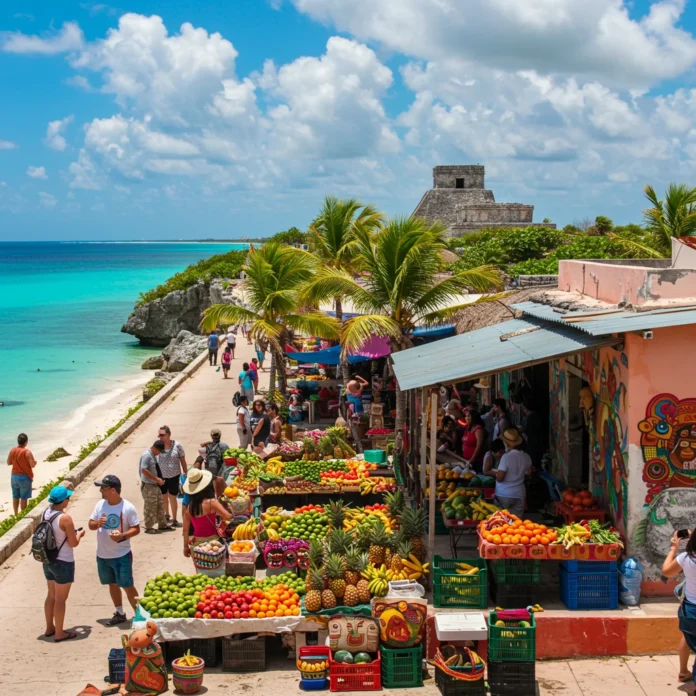

Introduction: Embarking on a Colorful Yucatán Adventure
The journey from Cancun to Merida offers a vivid tapestry of sights, sounds, and flavors. Each town along the route reveals its own palette—turquoise waters, golden facades, lush green jungles, and vibrant street art. Traveling through the Yucatán Peninsula is not just a transfer between two cities; it is an immersion into centuries of history, living culture, and natural beauty.
As we guide you through this remarkable route, you will discover the highlights, hidden corners, and practical tips to make your adventure unforgettable. Whether you crave adventure, history, or culinary delights, this colorful journey is designed to awaken your senses at every stop.
Why Travel from Cancun to Merida?
Many travelers land in Cancun for its world-famous beaches, but few realize the richness that awaits inland. The route to Merida is dotted with colonial cities, mystical cenotes, and ancient ruins. By venturing beyond the coast, we encounter the heart of the Yucatán, where Mayan heritage meets Spanish charm and modern creativity.
This journey also allows for flexibility. Whether you prefer a leisurely pace or a whirlwind tour, there are options for every style and schedule. It is the perfect balance between relaxation and discovery.
What Makes the Yucatán Peninsula Unique?
The Yucatán Peninsula stands apart due to its distinctive geography, cultural blend, and biodiversity. Here, limestone bedrock gives rise to thousands of freshwater cenotes, while the coastline provides sanctuary to flamingos and turtles.
The region’s cities and towns display a unique fusion of Mayan and colonial influences, evident in their architecture, festivals, and daily life. The cuisine is equally distinctive, with bold flavors and ingredients you will not find elsewhere in Mexico.
Planning Your Journey: Essential Tips
Thoughtful planning enhances every aspect of a Cancun to Merida trip. From choosing the right season to packing efficiently, a few preparations can make your experience both smoother and more colorful.
When Is the Best Time to Visit Yucatán?
The dry season from November to April is generally the most pleasant, with cooler temperatures and minimal rain. However, traveling during the shoulder months—May or October—can offer fewer crowds and lower prices while still delivering plenty of sunshine.
If you are interested in witnessing local festivals or natural spectacles, such as the flamingo migrations in Celestún, check event calendars before finalizing your dates.
How Many Days Should You Spend on the Route?
The ideal duration depends on your interests and pace. We recommend at least five days for a fulfilling journey, allowing time to savor each town and attraction. A shorter three-day trip is possible for highlights, while a full week enables deeper exploration and more relaxation.
Packing Essentials for a Vibrant Yucatán Trip
- Breathable clothing in light colors
- Comfortable walking shoes and sandals
- Swimwear for cenotes and beaches
- Sunscreen, hat, and sunglasses
- Reusable water bottle
- Snorkeling gear (optional but useful)
- Camera or smartphone for capturing vivid scenes
- Light rain jacket if traveling in the wet season
- Bug spray for jungle and cenote areas
Choosing Your Route: Cancun to Merida Options
There are several ways to travel between Cancun and Merida. Each option offers different levels of comfort, flexibility, and adventure. Understanding the pros and cons will help you select the right mode of transport for your journey.
Driving Yourself: Pros and Cons
Renting a car provides the greatest freedom to stop at hidden cenotes, villages, and food stalls. The highways are generally well-maintained and signposted. However, toll roads can add to the cost, and parking in city centers may be challenging.
- Pros: Flexibility, ability to detour, comfort
- Cons: Navigation, toll fees, parking
Taking the Bus: ADO and Other Options
ADO buses are reliable, air-conditioned, and frequent. They connect most major stops along the route, making this a budget-friendly and comfortable choice for solo travelers and small groups. While direct routes are available, some smaller towns may require transfers.
Consider booking tickets in advance during peak travel periods to secure your preferred departure times.
Private Transfers and Tours
For those seeking convenience without the responsibility of driving, private transfers or guided tours are an excellent alternative. These services often include hotel pickup and curated stops at major attractions.
If you prefer a personalized experience, private tours can be tailored to your interests, such as cenote hopping, archaeological sites, or culinary adventures.
Cycling the Yucatán: Is It Possible?
Cycling enthusiasts will find the Yucatán’s relatively flat terrain appealing, though the heat and distance require good preparation. Some sections, especially between smaller towns, offer scenic rides through quiet countryside and villages.
Always carry plenty of water, plan your route carefully, and be mindful of traffic on main roads. For inspiration on exploring the region independently, see our tips for private tours in Cozumel.
Route Overview: Main Stops Between Cancun and Merida
The classic route from Cancun to Merida includes several memorable stops. Each offers its own blend of color, history, and character.
- Cancun
- Puerto Morelos
- Valladolid
- Chichen Itza
- Izamal
- Temozón and Tixkokob
- Merida
Depending on your interests, you may wish to add detours to cenotes, biosphere reserves, or coastal towns along the way.
Cancun: The Gateway to Yucatán
Cancun is more than just a beach destination. As the starting point for many Yucatán adventures, it is a city of contrasts—modern resorts alongside traditional markets, turquoise waters beside lush mangroves.
Top Sights in Cancun Beyond the Beaches
Beyond the famous Hotel Zone, Cancun offers cultural and natural attractions worth exploring. The Mayan Museum showcases artifacts and history, while El Rey Ruins provide a glimpse into the ancient civilization that shaped the region.
For those seeking adventure on the water, activities such as snorkeling and parasailing reveal the area’s marine beauty. For inspiration, see our guide to Cancun’s best water sports.
Best Places to Stay in Cancun
Accommodation options range from luxury resorts with sweeping ocean views to boutique hotels in downtown Cancun. Consider your priorities—beach access, nightlife, or proximity to transport—when choosing where to stay.
Sampling Cancun’s Colorful Cuisine
The city’s culinary scene is as vibrant as its scenery. From street tacos bursting with flavor to upscale seafood restaurants, there is something for every palate. Do not miss regional specialties such as cochinita pibil and fresh ceviche.
Puerto Morelos: A Tranquil Seaside Escape
Just a short drive from Cancun, Puerto Morelos offers a peaceful alternative to the city’s bustle. Its laid-back vibe, colorful fishing boats, and gentle sea breeze create an atmosphere that invites you to slow down and savor the moment.
What to Do in Puerto Morelos?
Activities in Puerto Morelos center around the sea, local markets, and authentic Mexican hospitality. From snorkeling to shopping, there is plenty to fill a restful day.
Exploring the Puerto Morelos Reef
The Puerto Morelos Reef is part of the Mesoamerican Barrier Reef, the second largest in the world. Snorkeling here reveals dazzling coral gardens, schools of tropical fish, and the gentle sway of sea fans in the current. Guided tours are available for all experience levels.
Visiting the Local Market
The town’s local market is a hub of activity, with vendors selling fresh produce, handicrafts, and street food. The aroma of roasting chilies and the sight of brightly colored textiles offer a feast for the senses.
Valladolid: Colonial Charm and Vibrant Streets
Valladolid is a jewel of the Yucatán, with pastel facades, cobblestone streets, and a welcoming atmosphere. Its blend of colonial architecture and Mayan heritage makes it a favorite stop for travelers seeking authenticity and color.
Why Is Valladolid So Colorful?
The city’s signature hues come from its colonial history and a tradition of painting buildings in cheerful shades. The interplay of sunlight and color transforms Valladolid’s streets into a photographer’s dream, especially at golden hour when the facades glow.
Must-See Attractions in Valladolid
- Convento de San Bernardino de Siena: A 16th-century Franciscan convent with striking architecture.
- Calzada de los Frailes: A charming street lined with boutiques, cafés, and colorful homes.
- Cenote Zací: A partially open cenote right in the heart of the city.
- Parque Principal Francisco Cantón Rosado: The main square, ideal for people-watching and evening strolls.
Cenote Hopping Near Valladolid
The area surrounding Valladolid is dotted with cenotes, each with its own character. Cenote Suytun is famous for its dramatic light beam, while Cenote X’keken and Samulá offer crystal-clear waters inside atmospheric caves. For a full experience, consider combining a visit to Valladolid with a tour of Chichen Itza and local cenotes; our guide to Valladolid and Chichen Itza tours covers the best options.
Best Cafés and Restaurants in Valladolid
Valladolid’s culinary scene is a delightful blend of tradition and innovation. Enjoy breakfast at a leafy courtyard café, or sample Yucatecan classics like lomitos and longaniza at family-run restaurants. Many eateries are housed in restored colonial buildings, adding atmosphere to every meal.
Chichen Itza: Ancient Wonders in the Jungle
No journey through the Yucatán is complete without visiting Chichen Itza, a UNESCO World Heritage Site and one of the New Seven Wonders of the World. The ancient city’s stepped pyramid, El Castillo, rises from the jungle, surrounded by temples, ball courts, and sacred cenotes.
How to Visit Chichen Itza from the Route?
Chichen Itza is conveniently located between Valladolid and Merida, making it an ideal stop on the route. Arrive early in the morning or later in the afternoon to avoid peak crowds and midday heat.
Tips for Beating the Crowds
- Visit at opening time (8:00 AM) or after 3:00 PM.
- Purchase tickets online or through a reputable tour operator to minimize wait times.
- Wear a hat and bring water; shade is limited on the grounds.
Chichen Itza’s Most Photogenic Spots
The pyramid of Kukulkan is the most iconic sight, but do not miss the Temple of the Warriors, the Great Ball Court, and the Cenote Sagrado. Each offers unique perspectives for photography, especially when the sunlight casts dramatic shadows.
As experts often say:
“Traveling through Yucatán is a journey not just through space, but through time—where every color tells a story and every step uncovers a layer of history.”
Izamal: The Magical Yellow City
Izamal dazzles visitors with its distinctive golden yellow buildings, earning it the nickname “La Ciudad Amarilla.” The town’s peaceful streets, horse-drawn carriages, and historic monasteries evoke a slower pace of life.
Why Is Izamal Painted Yellow?
The tradition of painting Izamal’s buildings yellow is believed to honor both the Mayan sun god and a papal visit in 1993. The result is a city bathed in warm golden light, especially striking at sunrise and sunset.
Top Things to Do in Izamal
- Stroll the cobblestone streets and photograph the yellow facades.
- Sample local sweets and Yucatecan snacks in the main square.
- Climb the ancient Mayan pyramid of Kinich Kakmó for panoramic views.
Visiting the Convento de San Antonio de Padua
The Convento de San Antonio de Padua is the heart of Izamal. Its grand atrium, second only to the Vatican’s, is a place of tranquility and reflection. The convent’s arches frame views of the yellow town and the surrounding countryside.
Best Photo Spots in Izamal
For photographers, the best angles are found in the main square, atop the pyramid, and along the arcaded walkways of the convent. The interplay of sunlight and yellow paint creates a luminous effect, especially in the early morning.
Other Colorful Towns Along the Route
While the main stops are well known, the Yucatán’s lesser-visited towns offer their own colors and character. These communities provide insight into local life and traditions.
Exploring Temozón: The Red Meat Capital
Temozón is famed for its smoked meats, particularly longaniza sausage. The aroma of wood smoke drifts through the air, and butchers proudly display rows of cured delicacies. Sampling barbecue here is a rite of passage for carnivores.
Discovering Tixkokob: Hammock Town
Tixkokob is renowned for its handmade hammocks, woven in a rainbow of colors. Visiting a local workshop offers a window into this time-honored craft, and a chance to bring home a practical and beautiful souvenir.
Cenotes: Yucatán’s Natural Jewels
The cenotes of Yucatán are freshwater sinkholes formed by the collapse of limestone bedrock, revealing crystal-clear pools. These natural wonders are not only beautiful, but also hold deep cultural and ecological significance.
What Are Cenotes and Why Are They Special?
Cenotes were sacred to the ancient Maya, believed to be portals to the underworld. Today, they are prized for their refreshing waters, dramatic rock formations, and opportunities for swimming, snorkeling, and diving.
For a look at the region’s most spectacular cenotes, including those near Tulum, see our cenote guide.
Top Cenotes to Visit Between Cancun and Merida
- Cenote Ik Kil: Near Chichen Itza, famous for its hanging vines and deep blue waters.
- Cenote Suytun: Known for its circular platform and magical light beam.
- Cenote Xcanché: Accessible by bike from Ek Balam ruins, offers ziplines and platforms for jumping.
- Cenote Hubiku: A large, partially covered cenote with turquoise water.
Swimming Safety Tips for Cenotes
- Check the depth before jumping or diving.
- Wear a life jacket if you are not a strong swimmer.
- Use eco-friendly sunscreen to protect the delicate ecosystem.
- Watch your step on slippery rocks and ladders.
Yucatán’s Colorful Wildlife and Nature
The journey across the peninsula reveals a rich array of wildlife and plant life. From the calls of tropical birds at dawn to the sight of flamingos wading in pink lagoons, the natural world adds another layer of color to your trip.
Birdwatching Hotspots Along the Route
Birdwatchers will find excellent opportunities near cenotes, lagoons, and reserves. The area around Valladolid and the Ría Lagartos Biosphere Reserve are especially rewarding, with dozens of species visible in a single morning.
Flamingos in Celestún and Río Lagartos
The pink flamingos of Celestún and Río Lagartos create one of the most striking sights in Yucatán. Visiting in winter and early spring offers the best chance to see large flocks feeding in shallow, rose-tinted waters.
Unique Flora of the Yucatán Peninsula
The peninsula’s flora includes rare orchids, towering ceiba trees, and medicinal plants used by the Maya for generations. Many cenotes are surrounded by lush jungle, with vines and bromeliads creating a natural tapestry of green.
Experiencing Yucatán’s Cultural Colors
Beyond its physical beauty, the Yucatán is alive with music, dance, and artisanal crafts. Every town and village celebrates its own traditions, with festivals and markets providing windows into daily life.
Traditional Mayan Festivals and Events
Throughout the year, communities host festivals honoring saints, historical events, or the agricultural calendar. These celebrations feature traditional costumes, folk dances, and local cuisine, offering visitors an authentic taste of Mayan culture.
Yucatán’s Handicrafts: What to Buy
- Handwoven hammocks from Tixkokob
- Colorful embroidered huipiles (blouses)
- Carved wooden masks and figurines
- Beaded jewelry and pottery
Shopping at local markets supports artisans and helps preserve these time-honored crafts.
Sampling Colorful Cuisine Along the Way
The food of Yucatán is as striking as its scenery. Rich in tradition and flavor, every meal is a celebration of local ingredients and culinary heritage.
Must-Try Yucatecan Dishes
- Cochinita pibil: Slow-roasted pork marinated in achiote and citrus, cooked in banana leaves.
- Panuchos and salbutes: Fried tortillas topped with beans, shredded turkey, lettuce, and pickled onions.
- Relleno negro: Turkey or pork in a rich, smoky black sauce.
- Sopa de lima: Light chicken soup with lime and crispy tortilla strips.
Where to Eat Authentic Yucatecan Food
Seek out family-run restaurants, street stalls, and market eateries in each town for the most authentic flavors. In Merida and Valladolid, try the bustling mercados for a true local experience.
Merida: The White City with a Rainbow Soul
Merida is a city of contrasts—gleaming white colonial mansions, leafy plazas, and streets alive with music and art. Known as “La Ciudad Blanca,” Merida’s elegance is matched by its creative energy and cultural diversity.
Why Is Merida Called the White City?
The city’s nickname comes from the abundant use of white limestone and paint on its historic buildings. This creates a sunlit brilliance, especially in the afternoon, that sets off the rainbow colors of murals and gardens throughout the city.
Top Attractions in Merida
- Paseo de Montejo: A grand boulevard lined with 19th-century mansions.
- Plaza Grande: The heart of the city, surrounded by the cathedral and government buildings.
- Museo Casa de Montejo: A beautifully preserved colonial home with period furnishings.
- Lucas de Gálvez Market: Bustling with vendors selling produce, crafts, and street food.
Best Neighborhoods for Street Art and Color
For lovers of art and photography, the neighborhoods of La Ermita and Santiago are a must. Murals, colorful homes, and quirky cafés line the streets, creating an inspiring atmosphere for a leisurely walk.
Nightlife and Music in Merida
In the evenings, Merida comes alive with music—jazz in leafy courtyards, salsa in open-air bars, and traditional trova performances in public squares. The city’s nightlife is friendly and welcoming, with options for every taste.
Where to Stay in Merida for a Colorful Experience
Choose from elegant colonial hotels, boutique guesthouses, or modern apartments in the city center. Many properties feature courtyards filled with tropical plants and murals, offering a peaceful retreat after a day of exploration.
Capturing the Colors: Photography Tips for Yucatán
The Yucatán Peninsula is a paradise for photographers, from the pastels of Valladolid to the turquoise of cenotes and the golden glow of Izamal. A few tips can help you capture these vibrant scenes at their best.
Best Times of Day for Photos
Early morning and late afternoon—known as the golden hours—produce the most flattering light. Shadows are softer, colors are richer, and the streets are quieter, allowing for more authentic captures.
Top Instagrammable Spots on the Route
- The yellow arches of Izamal’s convent
- The pyramid of Kukulkan at Chichen Itza
- Colorful doorways in Valladolid
- Underwater views in cenotes
- Street murals in Merida
Responsible Travel: Preserving Yucatán’s Colors
Traveling responsibly ensures that the region’s natural and cultural treasures remain vibrant for generations to come. Small choices make a big difference along the route.
How to Support Local Communities
- Shop at local markets and buy directly from artisans
- Choose family-run hotels and restaurants
- Participate in cultural experiences led by local guides
Eco-Friendly Travel Tips
- Use reusable water bottles and bags
- Dispose of waste properly, especially in natural areas
- Choose eco-certified tours and activities
- Respect wildlife and natural habitats
Sample Itineraries: Cancun to Merida in 3, 5, and 7 Days
Whether you have a weekend or a full week, these sample itineraries can help you structure your colorful Yucatán adventure.
3-Day Highlights Itinerary
- Day 1: Cancun to Valladolid (stop at Puerto Morelos)
- Day 2: Chichen Itza and cenote visit
- Day 3: Izamal and arrival in Merida
5-Day Immersive Itinerary
- Day 1: Cancun and Puerto Morelos
- Day 2: Valladolid and cenote hopping
- Day 3: Chichen Itza and Temozón
- Day 4: Izamal and Tixkokob
- Day 5: Merida city tour
7-Day In-Depth Exploration
- Day 1: Cancun (beaches and museums)
- Day 2: Puerto Morelos (reef and market)
- Day 3: Valladolid (city and cenotes)
- Day 4: Chichen Itza and Ik Kil cenote
- Day 5: Izamal (convent and pyramid)
- Day 6: Temozón and Tixkokob
- Day 7: Merida (street art, markets, and nightlife)
Frequently Asked Questions About the Cancun to Merida Journey
We have gathered answers to the most common questions to help you plan a seamless and enjoyable trip across the Yucatán.
Is It Safe to Travel from Cancun to Merida?
The route between Cancun and Merida is generally considered safe for tourists. Standard precautions apply: drive during daylight, keep valuables secure, and stay aware of your surroundings. Most towns are welcoming and accustomed to visitors.
What’s the Best Way to Get Around?
If flexibility is a priority, renting a car is optimal. For those preferring a relaxed pace, ADO buses and private transfers are reliable. Some travelers enjoy guided tours for deep dives into history and culture.
For more on private and customizable excursions in the region, see our Cozumel tour recommendations.
Can You Do the Route Without Speaking Spanish?
Basic Spanish is helpful, especially in smaller towns, but many people working in tourism speak at least some English. Learning a few key phrases will enhance your interactions and show respect for local culture.
How to Book on Viator
Planning your Cancun to Merida adventure is simple with Viator. Their platform allows you to book activities, tours, and transfers in advance, ensuring a smooth and tailored experience.
Browse their offerings to find tours for every interest and budget, from cenote swims to archaeological excursions. Booking through Viator gives you peace of mind and access to local expertise.
Conclusion: Your Yucatán Journey Awaits
The road from Cancun to Merida is a celebration of color, culture, and connection. Every stop along the way offers a new shade of the Yucatán’s vibrant soul, from golden towns to emerald cenotes and rainbow-hued art. With thoughtful planning and an open spirit, your journey will be as memorable as the scenery itself.
For more inspiration and resources, visit Izase at izase.com and start planning your colorful adventure today.
Disclaimer: This information is accurate to the best of our knowledge; however, there may be changes or mistakes. Please verify exact details on the Viator booking page.