
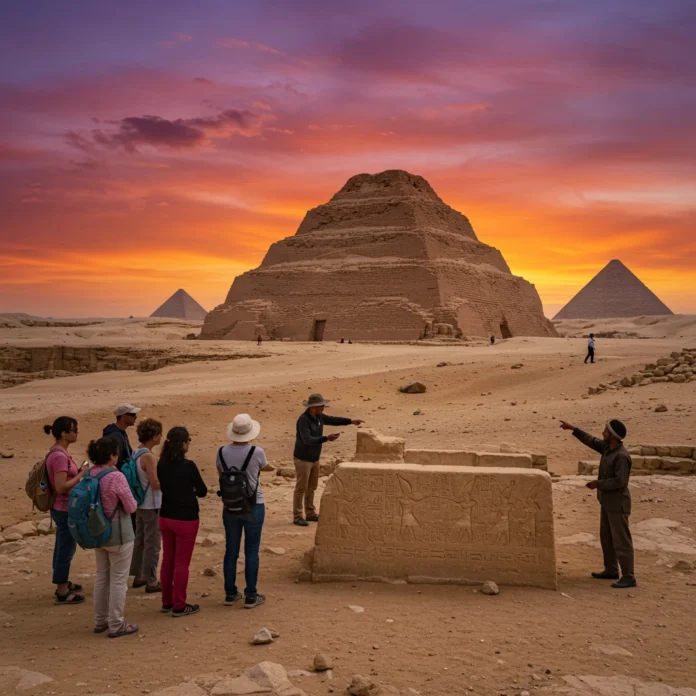

Why Should You Visit Dahshur, Memphis & Saqqara?
The Dahshur, Memphis, and Saqqara region offers a rare opportunity to experience the genuine atmosphere of ancient Egyptian civilization away from the crowds. These sites are less visited than Giza, yet they are packed with history, architectural feats, and breathtaking artifacts. The desert air is often crisp, carrying with it the faint scent of sand and history, while the silence around the pyramids feels almost sacred.
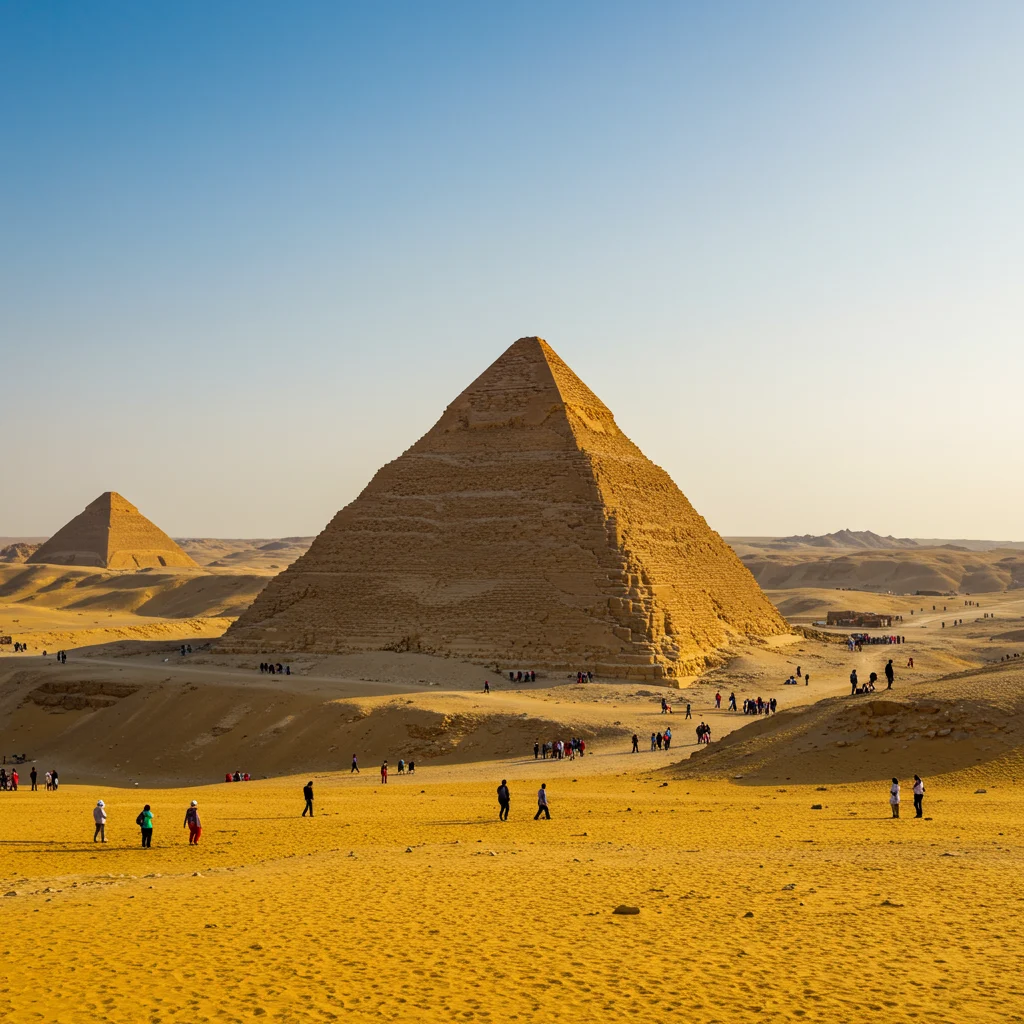
Each location provides a unique insight into Egypt’s early dynasties, with monumental structures and relics that tell stories thousands of years old. Whether you are a seasoned traveler or a first-time visitor, these ancient sites promise a day filled with awe, fascination, and a deeper appreciation for Egypt’s legendary past.
What Makes the Dahshur, Memphis & Saqqara Tour Unique?
A private tour of Dahshur, Memphis, and Saqqara stands out for its personalized experience and access to less-visited wonders. Unlike the more crowded Giza Plateau, these sites offer a peaceful environment where you can truly appreciate the scale and artistry of ancient Egyptian achievements.
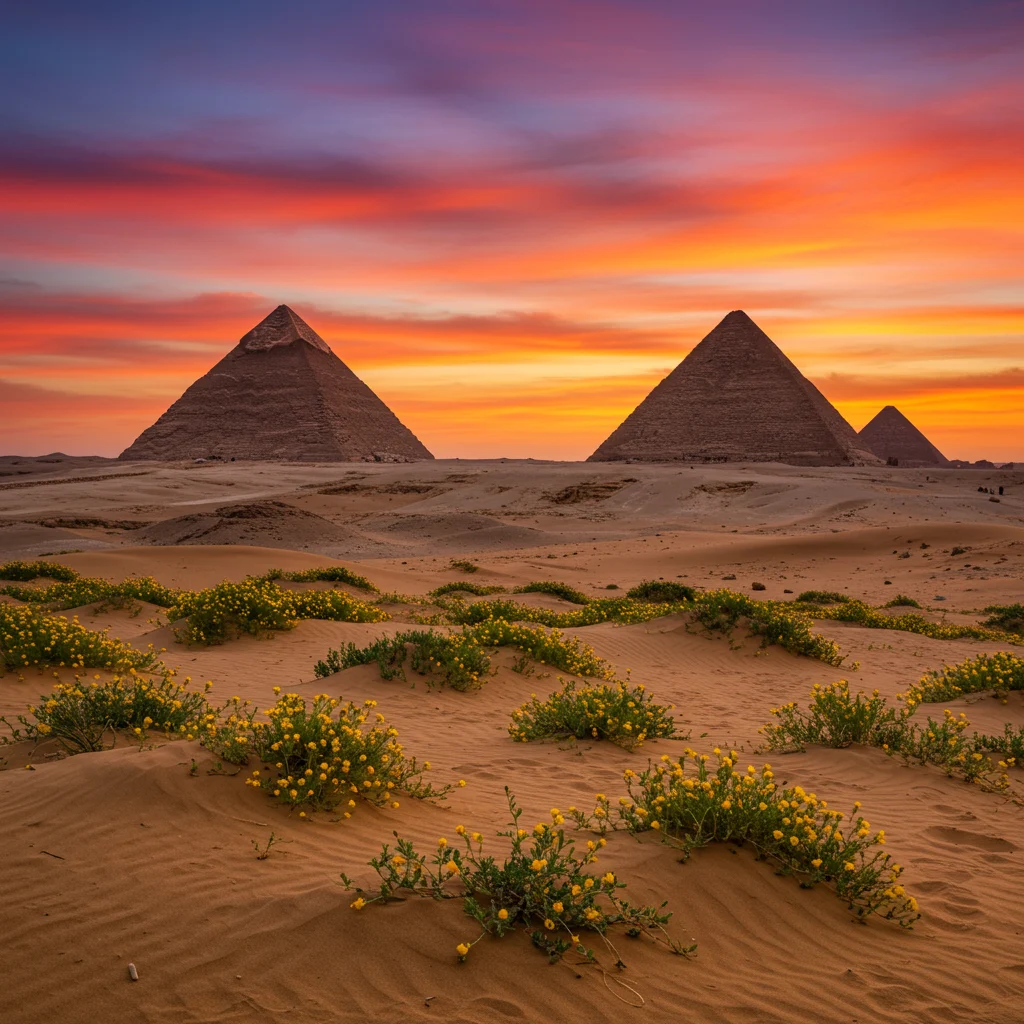
With a knowledgeable guide, you gain context for every monument, from the engineering marvels of the pyramids to the intricate tomb art. This tour is ideal for travelers seeking a deeper, more meaningful connection with Egypt’s early history and culture.
What Are the Key Historical Sites in Ancient Egypt?
Ancient Egypt is famous for its monumental architecture, elaborate tombs, and intricate art. While the Pyramids of Giza often take the spotlight, sites like Dahshur, Memphis, and Saqqara offer equally impressive glimpses into the country’s dynastic past.
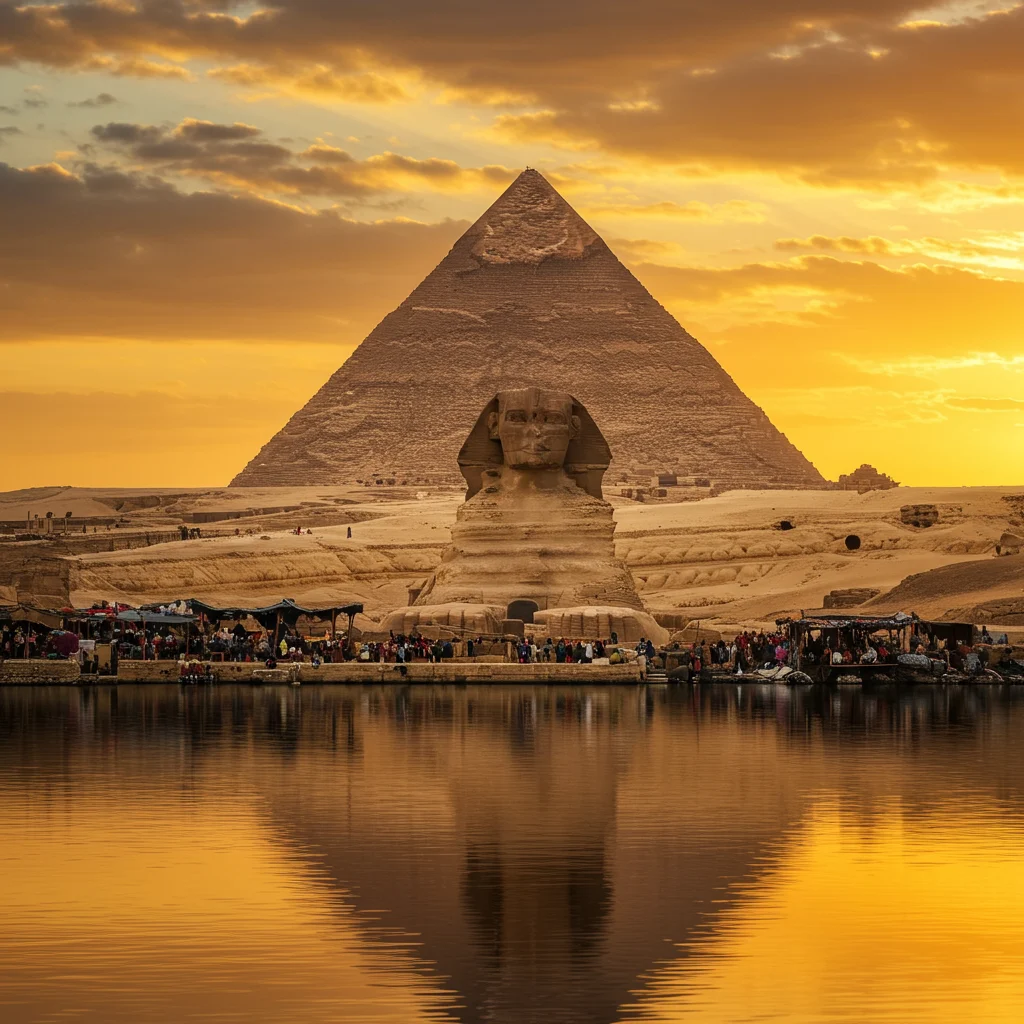
At these locations, you will find the earliest pyramid experiments, remnants of Egypt’s first capital, and tombs adorned with stories and symbols. Each site has played a significant role in shaping the civilization’s identity and legacy.
How Should You Plan Your Private Tour to Dahshur, Memphis & Saqqara?
Organizing a private tour to these ancient sites requires some planning for a smooth and enjoyable experience. With proper preparation, you can maximize your time and comfort throughout the day.
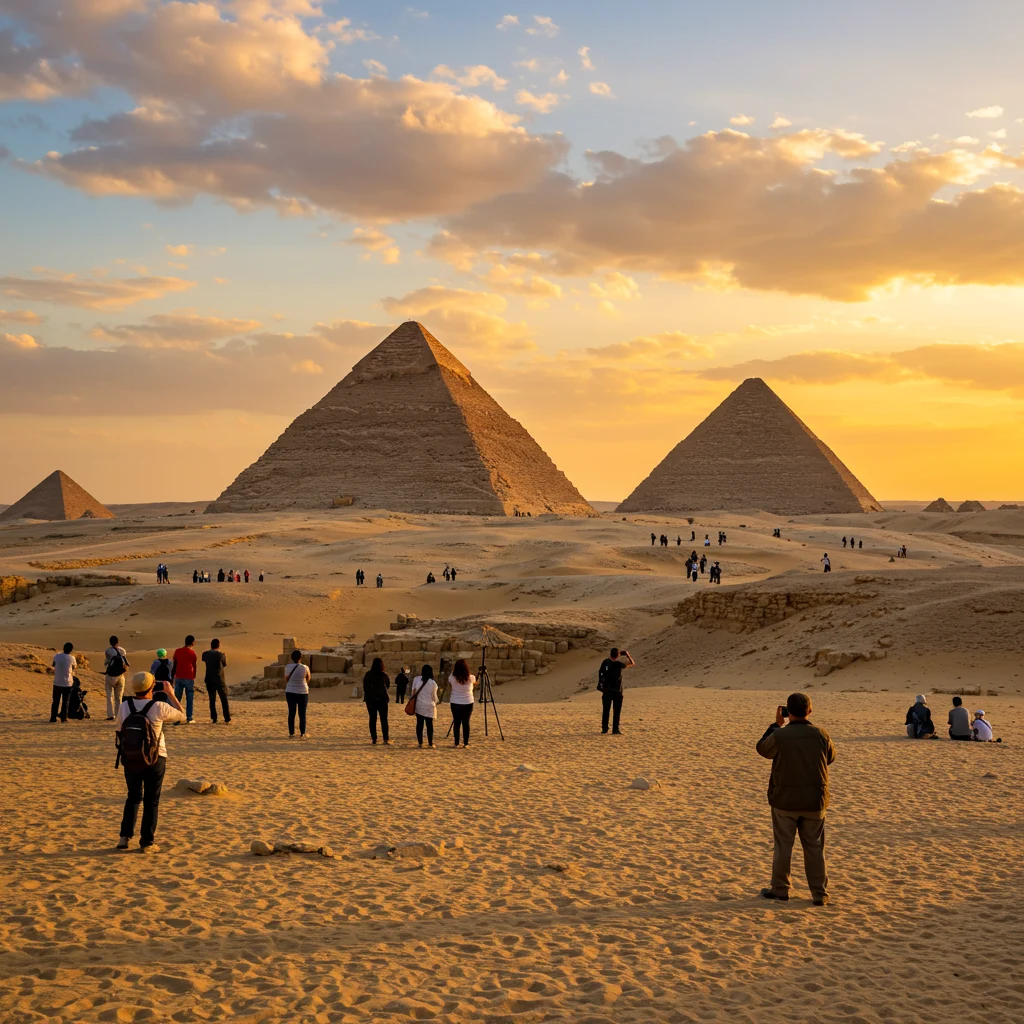
The following subsections cover essential booking tips, the best times to visit, packing advice, and practical safety information for tourists in Egypt.
How to Book a Private Tour to Dahshur, Memphis & Saqqara
Booking a private tour can be done through reputable travel providers or local agencies. Many companies offer guided day trips from Cairo, complete with transportation and expert guides.
For a seamless experience, consider booking through platforms where you can compare prices, read reviews, and customize your itinerary. This ensures you receive personalized attention and can adjust the tour based on your interests and pace.
When Is the Best Time of Year to Visit?
Egypt’s climate is typically hot and dry, but temperatures can vary significantly throughout the year. The best months to visit Dahshur, Memphis, and Saqqara are from October to April, when daytime temperatures are mild and more comfortable for exploring open-air sites.
During these months, the sunlight is gentle, making it easier to appreciate the ancient stonework without discomfort. Early morning starts are ideal for avoiding the midday heat and enjoying softer light for photography.
What Should You Pack for Your Day Trip?
Packing smartly is crucial for a comfortable and enjoyable visit. Bring light, breathable clothing, a wide-brimmed hat, and sturdy walking shoes suitable for uneven terrain. Sunglasses and sunscreen are essential to protect against Egypt’s intense sun.
A refillable water bottle, portable snacks, and a camera are also recommended. Don’t forget to carry a small backpack for your essentials and a light scarf or shawl for sun protection or visiting religious sites.
What Are the Top Travel Safety Tips for Tourists in Egypt?
Safety is a priority for travelers in Egypt. Stick to well-trodden tourist areas, and always follow the advice of your guide. Keep valuables secure and avoid displaying expensive items in public.
It is wise to check local travel advisories before your trip and consider travel insurance for peace of mind. For additional details on staying safe and prepared, you can learn more in our guide to travel insurance and tips for Cairo.
Where Are Dahshur, Memphis & Saqqara Located?
Understanding the geography of these sites helps you plan your journey efficiently. Dahshur, Memphis, and Saqqara are all located to the south of Cairo, each within a short driving distance of the city.
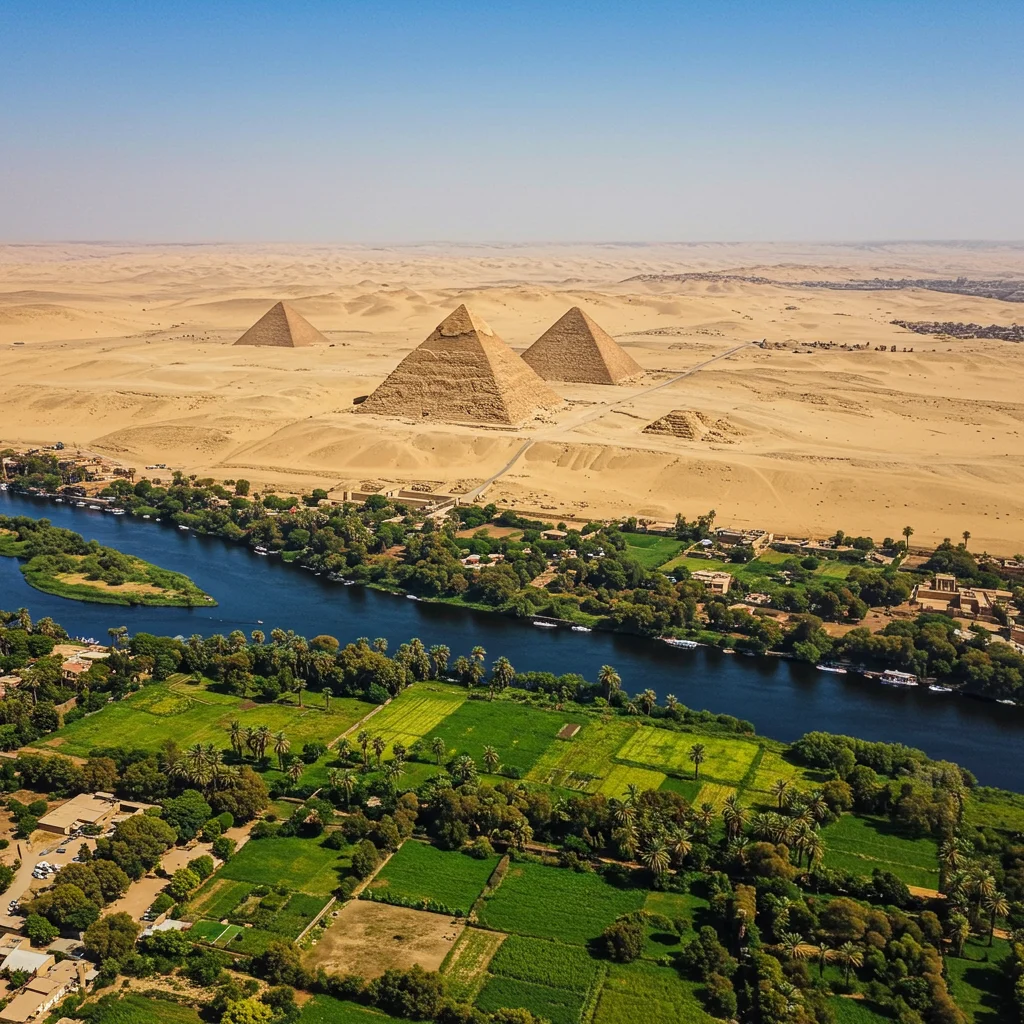
These sites are clustered along the west bank of the Nile, making it possible to visit all three in a single day. The landscape transitions from urban bustle to serene desert vistas as you approach each ancient site.
What Are the Best Transportation Options from Cairo?
Private vehicles and organized tours are the most convenient ways to reach these sites from Cairo. Many tour providers offer hotel pickup and comfortable air-conditioned transport, which is especially important during the warmer months.
Public transportation options are limited, so a guided tour is often the most efficient and comfortable choice for most visitors. You can also find taxis or hire private drivers, but ensure you agree on the fare in advance.
How Long Does the Tour Take?
A typical private tour of Dahshur, Memphis, and Saqqara lasts around 6 to 8 hours, including travel time from Cairo. This allows for ample time at each site, guided commentary, and moments to rest and take photos.
If you wish to explore at a more leisurely pace or add extra stops, you can often arrange a custom itinerary with your tour provider.
What Can You Expect at Dahshur: The Land of Bent and Red Pyramids?
Dahshur is home to some of Egypt’s most significant early pyramids. The site is known for its peaceful desert setting and remarkable structures, which mark the evolution of pyramid construction.
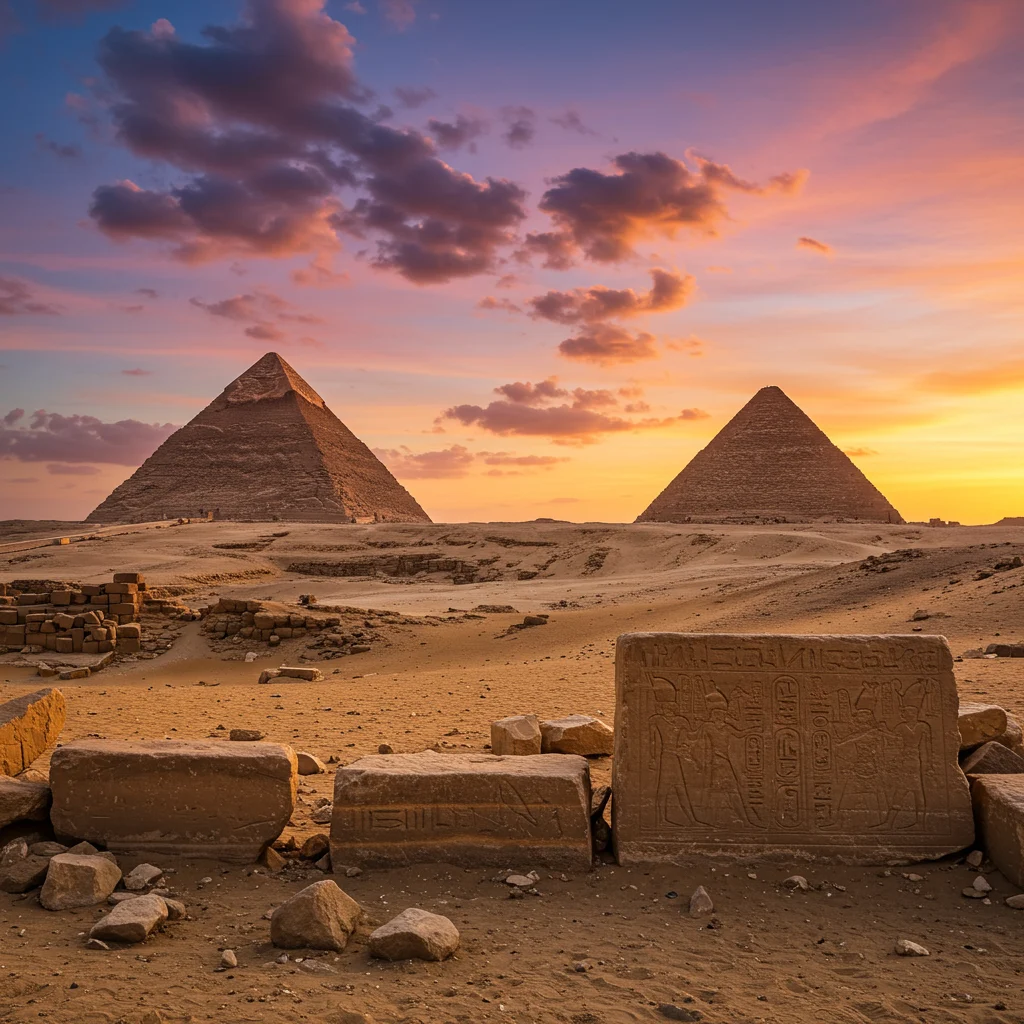
The Bent and Red Pyramids dominate the landscape, their massive limestone blocks glowing in the sunlight. The area is often quiet, with only the wind and the distant calls of birds breaking the silence.
Why Was Dahshur Built? A Look at Its History
Dahshur was established during the reign of Pharaoh Sneferu in Egypt’s Old Kingdom. It served as a royal necropolis, where kings and high officials were buried in elaborate tombs and pyramids.
The site reflects the early experimentation in pyramid design, as architects learned from past mistakes and refined their techniques to achieve ever more stable and impressive structures.
What Makes the Bent Pyramid an Architectural Marvel?
The Bent Pyramid stands out for its unusual shape, with sides that change angle partway up. This striking profile was the result of architectural challenges encountered during construction.
Its smooth limestone casing remains largely intact, offering a rare glimpse of how ancient pyramids once appeared. The pyramid’s unique form and well-preserved exterior set it apart from other monuments in Egypt.
Can You Enter the Bent Pyramid?
Visitors can enter the Bent Pyramid on select days, depending on current regulations. Inside, narrow passageways descend into the heart of the monument, where the air is cool and echoes with the faint sound of footsteps.
The experience is both thrilling and humbling, as you navigate steep corridors and stand inside chambers built over 4,500 years ago. Entry may be limited for conservation reasons, so check availability with your tour provider.
Why Is the Red Pyramid Called Egypt’s First True Pyramid?
The Red Pyramid is celebrated as the first successful attempt at constructing a true smooth-sided pyramid. Built by Sneferu, it marks a major milestone in Egyptian architecture.
Its reddish hue comes from the local limestone used in its construction. The pyramid’s massive scale and clean lines make it a favorite for history enthusiasts and photographers alike.
What Awaits Inside the Red Pyramid?
Visitors can access the interior of the Red Pyramid through a long, sloping corridor. Inside, the temperature drops and the scent of ancient stone fills the air.
The inner chambers feature corbelled ceilings and echo with the quiet shuffle of shoes on stone. Exploring these spaces offers a sense of connection to the pharaohs who once walked here.
What Other Structures Are Notable in Dahshur?
In addition to the Bent and Red Pyramids, Dahshur hosts several smaller pyramids and tombs. Some are in ruins, but their remains offer valuable clues about early construction techniques and funerary practices.
The area’s relative tranquility makes it easy to appreciate the scale and artistry of these ancient structures without distraction.
Why Was Memphis the Ancient Capital of Egypt?
Memphis served as Egypt’s capital for centuries, and its ruins still reflect the city’s former grandeur. The site is a treasure trove of statues, sphinxes, and inscriptions.
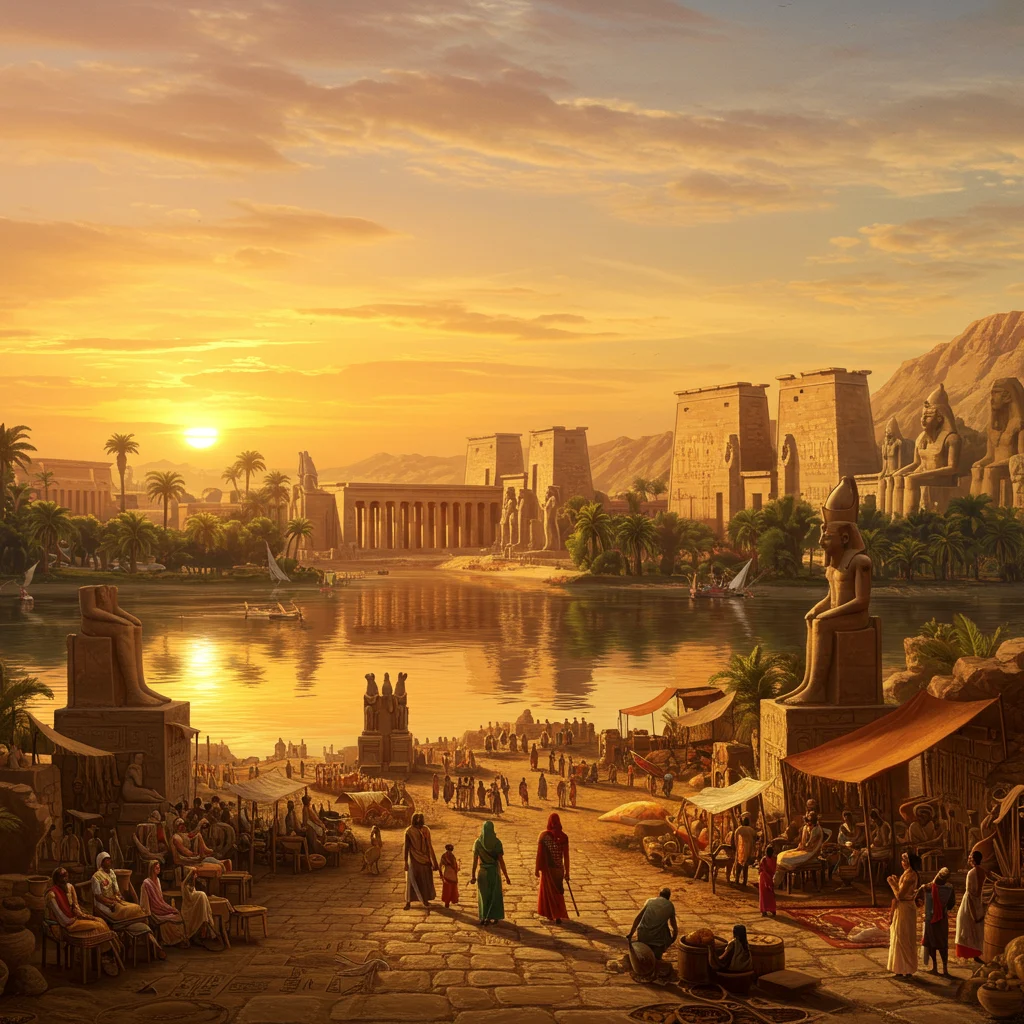
The open landscape, dotted with palm trees and scattered monuments, creates a peaceful atmosphere ideal for exploring at your own pace.
What Is the History of Memphis?
Founded around 3,100 BCE by King Menes, Memphis was the political and religious center of ancient Egypt. It remained influential for millennia, serving as a hub for administration, trade, and culture.
Although little of the original city remains, the artifacts and statues found here offer a glimpse into the power and sophistication of Egypt’s early rulers.
What Can You Expect at the Open-Air Museum?
The Memphis Open-Air Museum houses a fascinating collection of statues and artifacts. The highlight is the colossal statues of Ramses II, which dominate the space with their sheer size and detail.
Walking among these relics, you can feel the weight of history and the artistry of ancient craftsmen. Informational plaques and guides help bring each artifact’s story to life.
Why Is the Colossus of Ramses II a Must-See?
The Colossus of Ramses II is an awe-inspiring statue lying on its back within a specially constructed shelter. The statue’s gigantic proportions and finely carved features demonstrate the skill of Egypt’s artisans.
Standing beside this monument, you gain a sense of the pharaoh’s power and the scale of his ambitions. It is a favorite spot for visitors and a highlight of any tour.
What Makes the Alabaster Sphinx of Memphis Special?
The Alabaster Sphinx is another iconic attraction at Memphis. Carved from a single block of translucent stone, it radiates a warm, soft glow under the Egyptian sun.
This sphinx is smaller than the one at Giza but equally impressive in craftsmanship and detail. Its serene expression and elegant lines are a testament to the artistry of the ancient world.
What Other Artifacts and Statues Can You See in Memphis?
Beyond the most famous pieces, Memphis features a range of other statues, stelae, and fragments. Many depict gods, pharaohs, and animals, each with its own story and historical significance.
These relics provide a window into the beliefs and daily life of ancient Egyptians, making Memphis a rewarding stop for anyone interested in archaeology.
What Makes Saqqara Egypt’s Oldest Pyramid Complex?
Saqqara is renowned as the site of the world’s oldest major stone pyramid. The area is vast, with tombs, temples, and monuments stretching across the desert landscape.
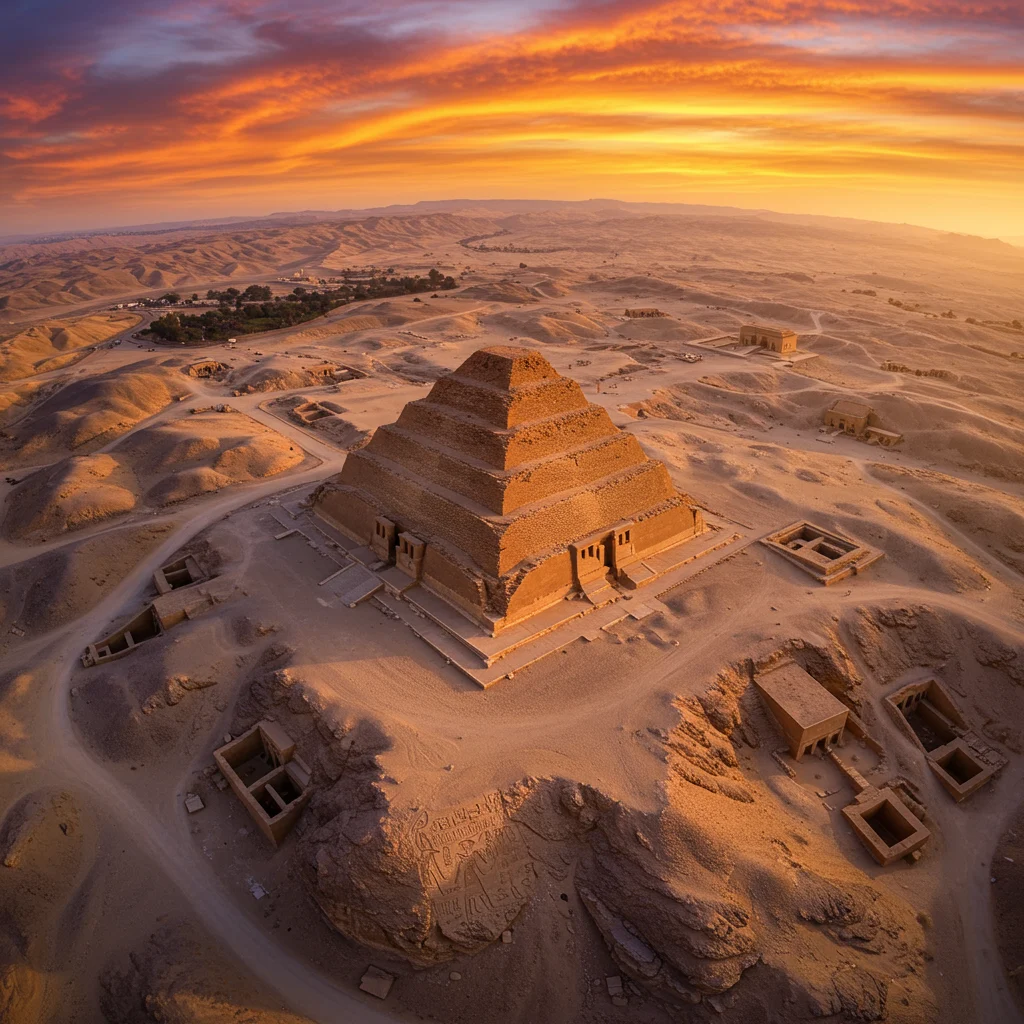
The sand here glows in the midday sun, and the air often carries the scent of earth and stone. Saqqara’s layered history makes it a fascinating destination for history lovers and curious travelers alike.
What Is the History and Significance of the Step Pyramid of Djoser?
The Step Pyramid of Djoser was built during the Third Dynasty for Pharaoh Djoser. Designed by the architect Imhotep, it represents a leap forward in pyramid construction.
This six-stepped structure is considered the earliest large-scale stone building in history. Its design influenced all later pyramid projects in Egypt.
What Can You Visit Within the Saqqara Pyramid Complex?
Saqqara’s complex includes not only the Step Pyramid but also several mastabas (tombs), smaller pyramids, and beautifully decorated burial chambers.
Guided tours often include visits to the Imhotep Museum, the tombs of high officials, and the remarkable Serapeum. Each site offers a unique perspective on Egypt’s funerary traditions.
What Is the Serapeum and Why Is It Important?
The Serapeum is a vast underground burial site for the sacred Apis bulls, which were worshipped in ancient Egypt. The corridors are lined with massive stone sarcophagi, each weighing dozens of tons.
Walking through the cool, dimly lit tunnels, you can sense the reverence with which these animals were treated. The Serapeum is a remarkable example of ancient engineering and religious devotion.
What Can You Learn from the Tomb Art and Hieroglyphics at Saqqara?
Many of Saqqara’s tombs are adorned with detailed art and hieroglyphics. These scenes depict daily life, religious rituals, and the journey to the afterlife.
Vivid colors and intricate carvings have survived for millennia, offering a rare glimpse into the beliefs and customs of ancient Egyptians.
What Recent Discoveries Have Been Made in Saqqara?
Saqqara continues to yield significant archaeological finds. In recent years, new tombs, statues, and mummies have been uncovered, shedding light on lesser-known aspects of Egyptian history.
These discoveries keep the site at the forefront of Egyptology and offer fresh reasons to visit, even for those who have toured before.
How Do Dahshur, Memphis & Saqqara Compare? What Sets Each Apart?
Each of these ancient sites offers a distinct experience. Dahshur impresses with its pioneering pyramids and quiet desert setting. Memphis charms visitors with its open-air museum and monumental statues, while Saqqara fascinates with its vast necropolis and art-filled tombs.
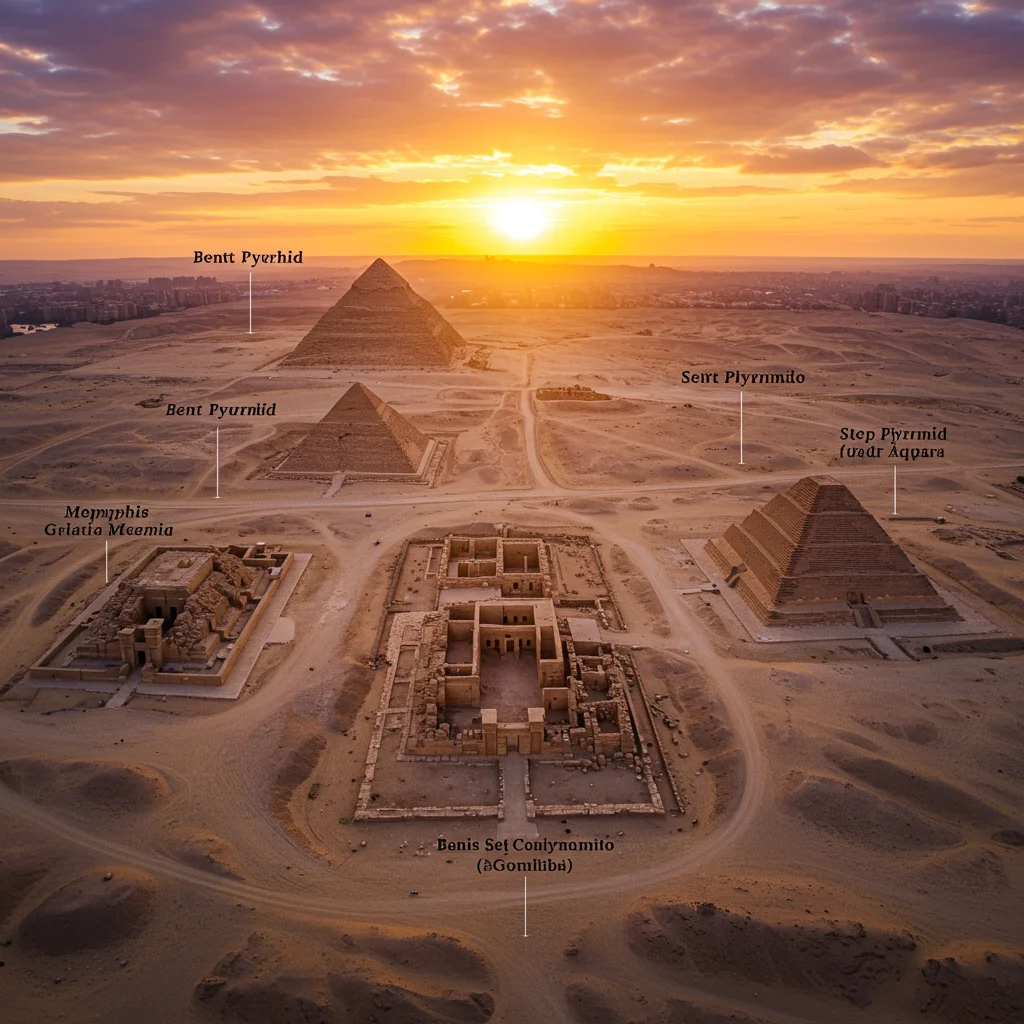
Consider your interests when planning your visit. Those who enjoy architecture may favor Dahshur, while history buffs will find Memphis and Saqqara especially rewarding.
What Should You Expect on a Private Guided Tour?
A private guided tour offers comfort, flexibility, and expert insight. Your guide will tailor the experience to your interests, answer your questions, and provide historical context for every stop.
You travel at your own pace, with time to linger at favorite spots or move quickly between locations. The day is yours to shape, making it a memorable and personal journey.
What Does a Sample Itinerary Look Like?
A typical private tour begins with morning pickup from your Cairo hotel. You’ll first visit Dahshur, exploring the Bent and Red Pyramids before heading to Memphis for the open-air museum and statues.
After a lunch break, the tour continues to Saqqara, where you’ll see the Step Pyramid and nearby tombs. The day ends with a relaxing drive back to Cairo, filled with memories and photos.
What Are the Benefits of Hiring a Private Guide?
Private guides offer knowledge, convenience, and a personalized touch. They handle logistics, share in-depth stories, and help you navigate each site efficiently.
Guides also assist with photography, suggest the best viewpoints, and ensure you don’t miss hidden details. For those interested in other private tour experiences, you might enjoy reading about our Teotihuacan Private Tour in Mexico for comparison.
What Are the Best Photography Tips for Ancient Egypt?
Capturing the grandeur of Egypt’s monuments requires some planning and creativity. The interplay of light, shadow, and stone makes for striking images at every turn.
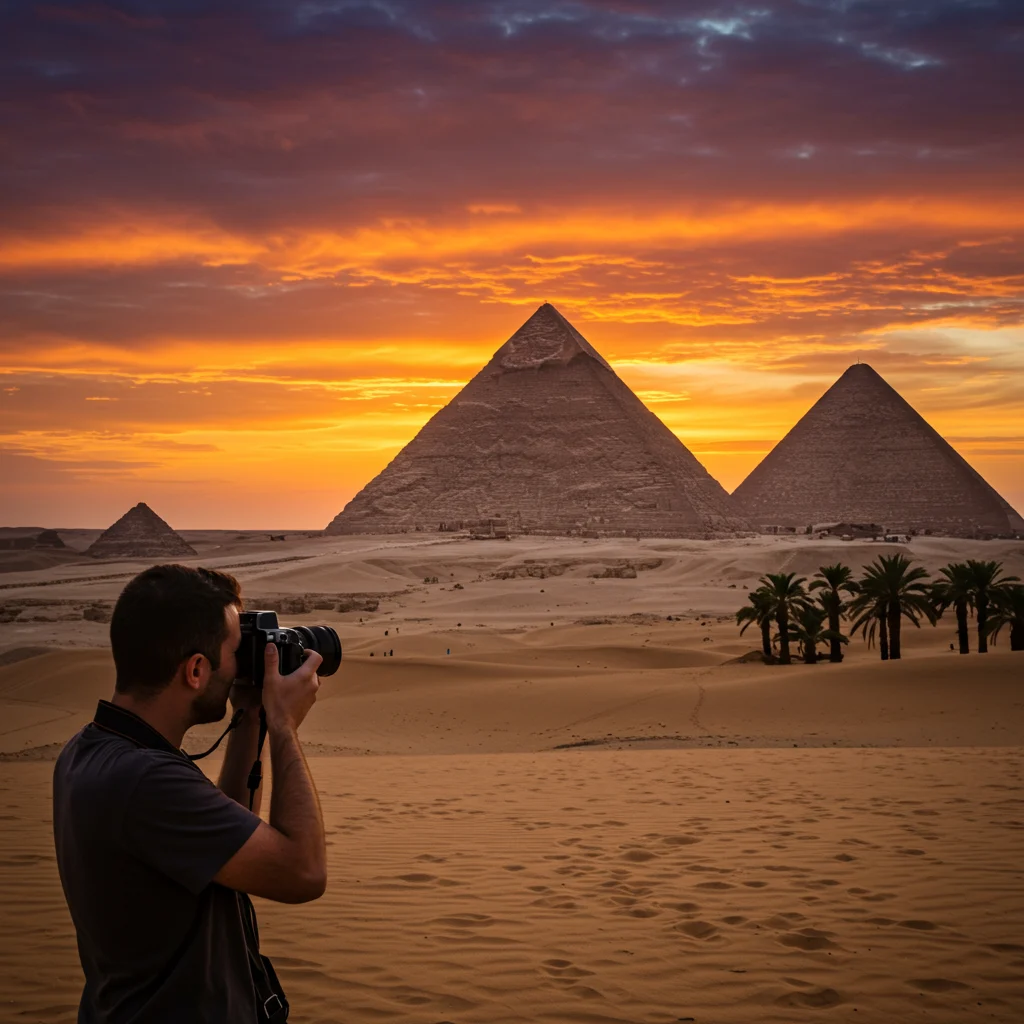
Below are tips for finding the best spots and respecting local guidelines while photographing these historic sites.
Where Can You Find the Best Photo Spots at Each Site?
At Dahshur, the Bent Pyramid’s unusual angles and the Red Pyramid’s clean lines make for dramatic shots, especially in early morning or late afternoon light. Memphis offers unique perspectives with its colossal statues set against palm trees and open sky.
Saqqara’s Step Pyramid looks stunning from both close up and afar, with the desert as a backdrop. Don’t forget to photograph the intricate tomb art and hieroglyphics for close-up details.
What Are the Do’s and Don’ts of Respectful Photography?
Always ask your guide about photography rules at each site, as some areas may restrict flash or interior photos. Be respectful of other visitors and avoid climbing on monuments or blocking pathways.
If photographing locals or workers, seek permission first. Preserve the atmosphere by minimizing noise and equipment setup, especially in sacred or quiet spaces.
What Is the Cultural Etiquette and Dress Code for Visitors?
Egypt is a conservative country, and visitors should dress modestly when touring historical sites. Lightweight long pants, skirts, and tops that cover shoulders are recommended for both comfort and respect.

Women may wish to carry a scarf for extra coverage, especially when visiting religious sites. Showing respect for local customs enhances your experience and interactions with residents.
Are These Sites Accessible for Everyone?
Accessibility varies across Dahshur, Memphis, and Saqqara. Some areas have uneven ground, steep steps, or narrow corridors that may be challenging for those with mobility issues.

If you have specific needs, inform your tour provider in advance so they can advise on suitable routes and provide assistance where possible.
Where Can You Find Local Food and Dining Options Near the Sites?
Several local restaurants and cafes are located near the main sites. They serve traditional Egyptian dishes such as koshari, grilled meats, and fresh salads.

Many private tours include a lunch stop at a reputable eatery, allowing you to sample regional flavors in a comfortable setting. Always carry bottled water to stay hydrated throughout your day.
What Souvenirs and Local Crafts Should You Buy?
The area around Saqqara and Memphis is known for handmade crafts, including alabaster carvings, papyrus art, and jewelry. These make meaningful souvenirs and support local artisans.
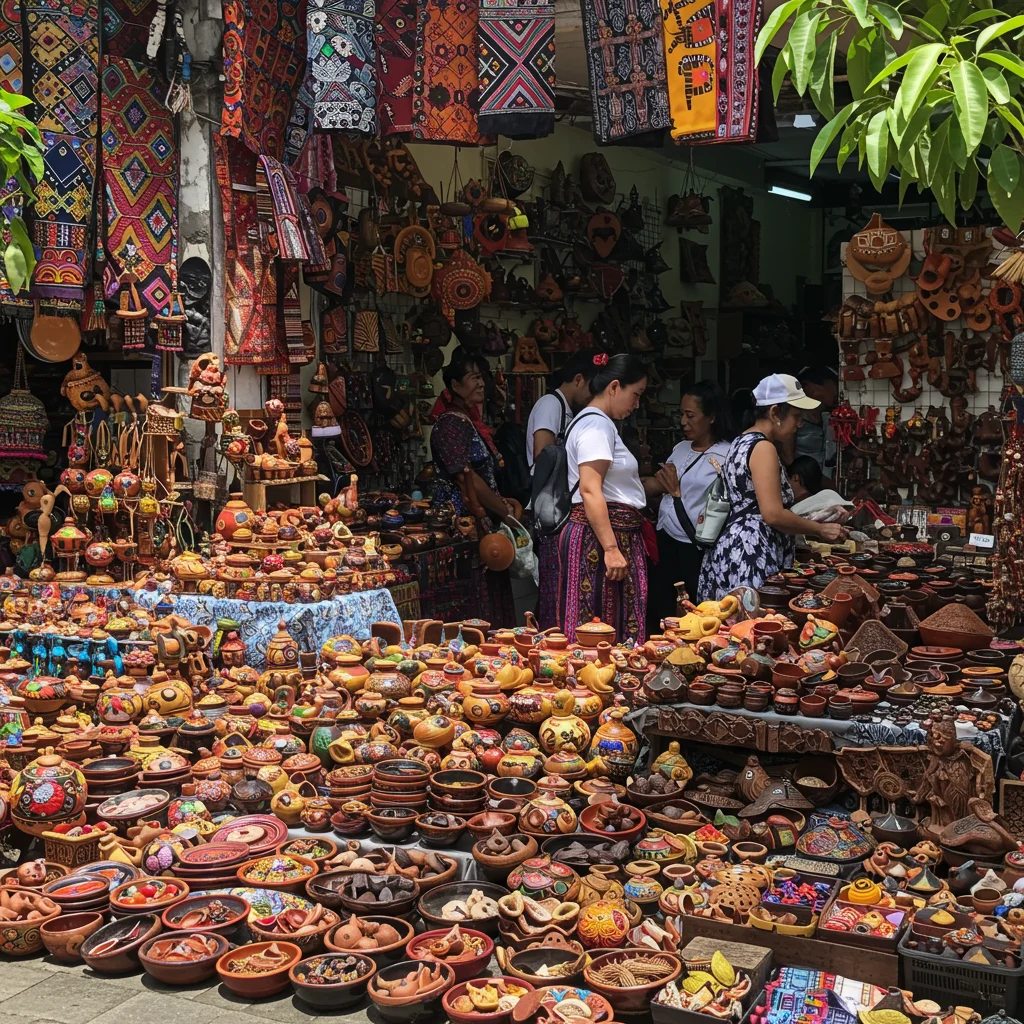
Shop at official outlets or markets recommended by your guide to ensure quality and authenticity. Avoid buying antiquities or items that may be restricted for export.
Frequently Asked Questions About the Dahshur, Memphis & Saqqara Tour
Q: Is the tour suitable for children?
A: Yes, but some areas may not be stroller-friendly. Young travelers will enjoy the adventure, especially with interactive guides.

Q: Are restrooms available at the sites?
A: Facilities exist at most major stops, though they may be basic. Bring hand sanitizer and tissues for convenience.
Q: Can I book a tour last minute?
A: Many providers allow last-minute bookings, but reserving in advance is recommended, especially during peak season.
For a more detailed look at what to expect on this tour, see our in-depth Dahshur, Memphis & Saqqara tour overview.
What Are the Top Tips for Making the Most of Your Day Trip?
To have a memorable experience, start your day early to avoid the heat and crowds. Listen closely to your guide’s stories and ask questions to enrich your understanding of each site.

- Wear comfortable shoes and dress appropriately for the weather and cultural norms.
- Stay hydrated and take breaks in shaded areas.
- Take your time with photography, but remember to enjoy the moment as well.
- Bring a notebook or use your phone to jot down interesting facts or impressions throughout the day.
Small touches like these will help you create lasting memories of your visit.
How to Book on Viator
Booking your Dahshur, Memphis & Saqqara private tour is easy with online platforms like Viator. Here, you can compare tour options, read reviews from fellow travelers, and reserve your spot in advance.

Viator allows you to plan your trip with confidence, offering clear cancellation policies and customer support. Whether you want to book activities, find tours, or customize your itinerary, their platform offers flexibility and reliability for your travel needs.
Why Should Dahshur, Memphis & Saqqara Top Your Egypt Itinerary?
A day spent touring Dahshur, Memphis, and Saqqara offers a deeper, more personal encounter with Egypt’s ancient past. These sites deliver not just iconic monuments, but also the quiet beauty of the desert, the artistry of lost civilizations, and the thrill of new discoveries.
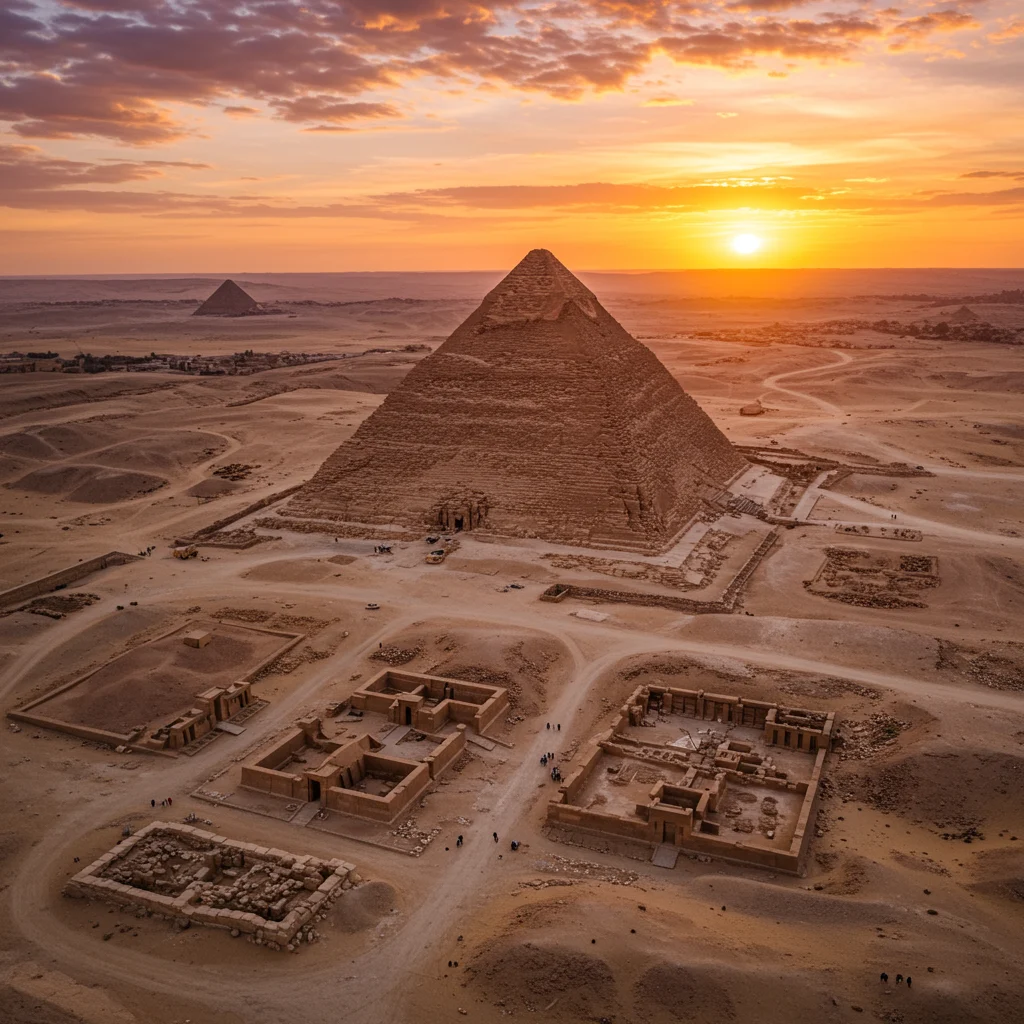
If you want to make your Egypt adventure truly memorable, add this private tour to your itinerary. For more travel inspiration, expert tips, and unique experiences, visit Izase at https://izase.com.
Disclaimer: This information is accurate to the best of our knowledge; however, there may be changes or mistakes. Please verify exact details on the Viator booking page.