
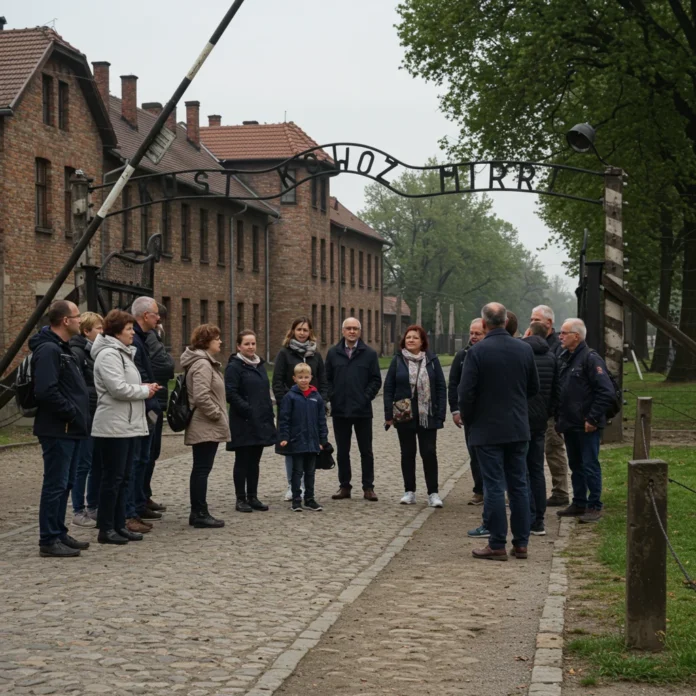

Introduction to Auschwitz Transfers from Krakow
Visiting Auschwitz-Birkenau is a powerful and sobering experience. Many travelers start their journey in Krakow, drawn by the city’s accessibility and the organized transfer options available. Convenient transfers ensure you arrive comfortably and ready to focus on the significance of the site.
Whether you are a solo traveler, a family, or part of a group, understanding your transfer options can help you plan a meaningful and stress-free visit. This guide will walk you through everything you need to know for an easy and respectful trip from Krakow to Auschwitz.
Why Visit Auschwitz from Krakow?
Krakow serves as the main gateway to Auschwitz-Birkenau due to its proximity and excellent transport links. The city’s historical significance and cultural offerings make it the perfect base for those wishing to learn about Poland’s past.
Many visitors choose Krakow for its accessibility, as it allows for a seamless day trip to Auschwitz. This journey provides a deeper understanding of history, making it a vital part of any itinerary for those interested in World War II and Holocaust education.
What to Expect on a Guided Auschwitz Tour
A guided tour of Auschwitz is both educational and emotionally impactful. Guides provide context, historical background, and personal stories that help visitors comprehend the magnitude of what occurred at the site.
Expect to walk through original barracks, see poignant exhibits, and spend time at both Auschwitz I and Auschwitz II-Birkenau. The atmosphere is quiet and reflective, with a strong sense of respect throughout the visit.
How Far is Auschwitz from Krakow?
Auschwitz is located about 70 kilometers (43 miles) west of Krakow. The journey typically takes between 1.5 to 2 hours, depending on traffic and mode of transport.
Most guided tours include comfortable transfers by coach or minivan, ensuring a smooth ride from the city to the memorial site. This distance makes Auschwitz an ideal destination for a day trip from Krakow.
Different Ways to Get to Auschwitz from Krakow
You have several options to reach Auschwitz from Krakow. Each offers unique advantages, depending on your preferences and schedule.
- Guided group tours with transfers included
- Private transfers for a personalized experience
- Public buses or trains, followed by local transport
- Car rentals for self-driving
Guided tours remain the most convenient and informative choice for most visitors. They handle logistics and provide expert commentary throughout the journey.
Why Choose a Guided Tour for Auschwitz?
A guided tour removes logistical stress, allowing you to focus on the significance of your visit. Professional guides share stories, answer questions, and help you understand the site’s historical context.
For those seeking a comprehensive experience, guided tours often include skip-the-line tickets and structured itineraries. If you want to learn more about what’s included in a complete visit, read about the Auschwitz-Birkenau: Complete Guided Visit from Krakow.
What Makes Transfers to Auschwitz Easy?
Organized transfers are designed for comfort and efficiency. Modern vehicles, experienced drivers, and clear meeting points in Krakow make the trip straightforward.
You can relax and reflect during the journey, knowing that all transport and entry arrangements are handled. Many operators also provide bottled water and air conditioning for added comfort.
Types of Auschwitz Guided Tours Available
There are several types of guided Auschwitz tours to suit different interests and group sizes. Options range from standard group tours to exclusive private experiences.
- Standard group tours (shared with other travelers)
- Private tours for families or small groups
- Combined tours with other attractions, such as the Salt Mine
- Educational tours for students and schools
Each tour type provides a distinct atmosphere and level of personalization.
What’s Included in Most Guided Auschwitz Tours?
Most guided tours cover all essential elements for a seamless experience. These typically include round-trip transfers, entry tickets to both camps, and a knowledgeable guide.
- Transportation from and to Krakow
- Guided visit to Auschwitz I and Auschwitz II-Birkenau
- Headsets for clear audio during the tour
- Free time for reflection and exploration
For a detailed breakdown of what’s included, check the Auschwitz-Birkenau: Essential Krakow Guided Tour.
Step-by-Step: Booking Your Auschwitz Transfer
Booking your Auschwitz transfer is a straightforward process. Follow these steps to secure your spot and ensure a smooth experience.
- Research and select a reputable tour operator
- Choose your preferred tour type and date
- Enter your details and confirm your booking online
- Check your email for confirmation and meeting instructions
- Arrive at the designated departure point in Krakow on time
Many operators provide flexible booking and cancellation policies, giving you peace of mind as you plan your trip.
How to Choose the Best Auschwitz Tour Operator
Selecting a reliable tour operator is crucial for a respectful and informative visit. Look for companies with excellent reviews, experienced guides, and clear communication.
Consider the size of the tour groups, the quality of transport, and the inclusiveness of the package. Comparing options will help you find the best fit for your needs.
Comparing Group and Private Auschwitz Tours
Both group and private tours offer distinct advantages. Group tours are cost-effective and provide opportunities to meet fellow travelers, while private tours offer greater flexibility and personalized attention.
If you value privacy or have specific needs, a private tour may be more suitable. For those seeking a social experience and lower costs, a group tour is ideal.
What Are the Typical Itineraries for Auschwitz Tours?
A standard Auschwitz tour itinerary starts with pickup in Krakow, followed by a transfer to the memorial. The tour includes guided visits to both Auschwitz I and II, with scheduled breaks and time for questions.
Many itineraries also allocate moments for personal reflection. Combined tours may include additional attractions, such as the Salt Mine, as described in Krakow’s Essential Day: Auschwitz-Birkenau & Salt Mine.
What Time Do Auschwitz Tours from Krakow Usually Start?
Most tours depart Krakow in the early morning, typically between 6:30 and 9:00 AM. Early starts allow for a full day at the memorial and help avoid peak crowd times.
Check your booking confirmation for the exact departure time, as schedules may vary based on season and operator.
How Long Does an Auschwitz Tour Take?
A complete tour of Auschwitz generally lasts 7 to 8 hours, including transfers. The guided portion at the memorial usually takes about 3.5 hours.
Allow extra time for breaks, personal reflection, and the return journey to Krakow.
What Should You Bring on Your Auschwitz Tour?
Pack light, as only small bags are permitted inside the memorial. Essentials include your ID, booking confirmation, a bottle of water, and a weather-appropriate jacket.
Some visitors also bring snacks, tissues, and a notepad for jotting down thoughts or questions during the tour.
What to Wear When Visiting Auschwitz?
Dress respectfully and comfortably for your visit. Choose modest clothing that covers your shoulders and knees, as a sign of respect for the site.
Comfortable walking shoes are essential, as you will be on your feet for several hours and traversing uneven ground.
Accessibility: Are Auschwitz Tours Suitable for Everyone?
Most areas of Auschwitz are accessible to visitors with limited mobility, though some historic buildings have uneven floors or steps. Tour operators can often accommodate special needs if notified in advance.
Wheelchair users and those with mobility concerns should contact their chosen operator before booking to confirm accessibility details.
Can You Visit Auschwitz Without a Guide?
While guided tours are recommended for context and understanding, you may visit Auschwitz independently. Audio guides are available, and you can explore at your own pace.
However, many travelers find that a knowledgeable guide adds significant value by answering questions and sharing important stories.
Understanding Auschwitz I and Auschwitz II-Birkenau
The memorial consists of two main sites: Auschwitz I, the original camp, and Auschwitz II-Birkenau, the larger extermination camp. Each holds profound historical significance and distinct features.
Auschwitz I contains the main museum and many preserved barracks, while Birkenau is marked by its vastness and the remains of gas chambers and crematoria.
What Will You See During the Tour?
During your tour, you will walk through original barracks, exhibition halls, and the harrowing remains of gas chambers. The atmosphere is somber, with quiet respect observed by all visitors.
You may also see personal belongings of victims, photographs, and memorials that leave a lasting impression. The scale of Birkenau, with its watchtowers and railway tracks, is particularly striking.
Is Photography Allowed at Auschwitz?
Photography is permitted in most outdoor areas and some interiors, but restrictions apply in certain exhibition halls. Signs indicate where photography is not allowed.
Always use your camera respectfully, without flash, and avoid taking photos in sensitive locations or of other visitors without permission.
Rules and Etiquette for Visiting Auschwitz
Visitors are expected to maintain silence and behave respectfully throughout the site. Eating, drinking, and loud conversations are not allowed within the memorial.
Dress appropriately and avoid any behavior that could disturb others or disrespect the memory of the victims.
Emotional Preparation: How to Approach Your Visit
A visit to Auschwitz can be emotionally challenging. Prepare yourself by reading about the history and understanding the gravity of what you will see.
Take time for quiet reflection during and after your tour. If you begin to feel overwhelmed, step outside or speak with your guide for support.
Are There Age Restrictions for Visiting Auschwitz?
There is no official minimum age for visiting Auschwitz, but the museum recommends that children under 14 do not participate in guided tours due to the sensitive nature of the content.
Parents should use discretion and consider their child’s maturity before deciding to visit.
What Languages Are Guided Tours Offered In?
Guided tours are available in multiple languages, including English, Polish, German, French, Spanish, and Italian. Be sure to select your preferred language when booking.
This variety ensures that visitors from around the world can fully understand the historical context and significance of the memorial.
How Much Do Auschwitz Guided Tours Cost?
Tour prices vary depending on the operator, group size, and level of service. Standard group tours typically range from €30 to €60 per person, while private tours may cost more.
Combined tours, such as those that also visit the Salt Mine, often have higher prices but include more attractions. For an example of a combined tour, see Krakow Essentials: Auschwitz & Salt Mine in One Day.
Are There Discounts for Students or Groups?
Many tour operators offer discounts for students, seniors, and large groups. Valid ID is usually required to receive reduced rates.
It is best to check with your chosen operator when booking to find out what discounts are available.
What Is the Cancellation Policy for Auschwitz Tours?
Cancellation policies differ between operators. Most allow free cancellation up to 24 or 48 hours before the tour, while some may have stricter terms for last-minute changes.
Always review the cancellation policy before booking, especially if your travel plans may change unexpectedly.
Food and Facilities at Auschwitz
There are basic facilities at the memorial, including restrooms and a small café near the entrance. Food options are limited, so consider bringing your own snacks if you have dietary needs.
Eating and drinking are not permitted within the memorial areas, but you can take breaks in designated zones outside the main exhibits.
Is There Time for Reflection or Personal Exploration?
Most guided tours allow some free time for personal reflection or to revisit certain areas after the main tour concludes. This is an important opportunity to process your experience.
Use this time to pay your respects at memorials or to quietly contemplate the exhibits that resonated with you most.
Combining Auschwitz with Other Tours from Krakow
Many travelers choose to combine their visit to Auschwitz with other local attractions, such as the Wieliczka Salt Mine. Combined tours maximize your time and provide a broader view of the region’s history.
If you are interested in a full-day experience, consider reading more about combining Auschwitz with the Salt Mine in our post on Krakow’s Essential Day: Auschwitz-Birkenau & Salt Mine.
Tips for a Comfortable Transfer Experience
To make your journey as comfortable as possible, choose a tour with modern vehicles and climate control. Bring a light jacket in case of cool weather, and stay hydrated with bottled water.
Arrive at the departure point early to avoid stress, and keep your essential documents handy for a smooth check-in process.
What Happens If the Weather Is Bad?
Tours operate in all weather conditions, so be prepared for rain, wind, or chilly temperatures. Bring an umbrella or raincoat, and dress in layers for comfort.
Inclement weather can add to the somber atmosphere but rarely affects the overall experience or schedule of the tour.
How to Prepare for Your Return to Krakow
After your tour, the transfer will take you back to Krakow, usually arriving in the late afternoon or early evening. Use this time to relax and process your experience.
Many travelers appreciate a quiet evening or a simple meal after their return, as the visit can be emotionally taxing.
What Are Past Visitors Saying About Their Experience?
Reviews consistently highlight the professionalism of guides and the importance of visiting Auschwitz. Many mention the respectful atmosphere and the impact the tour had on their understanding of history.
Visitors often recommend booking through reputable operators and appreciate the convenience of organized transfers.
Frequently Asked Questions About Auschwitz Transfers
Common questions include how long the tour lasts, what to bring, and whether meals are included. Most operators provide detailed information in their FAQs or booking confirmations.
If you have specific concerns, contact your tour provider ahead of time for clarification.
Sustainable and Responsible Tourism at Auschwitz
Responsible tourism is vital at Auschwitz. Respectful behavior, environmental awareness, and support for the memorial’s mission help preserve the site for future generations.
Choose operators that prioritize sustainability and contribute to the upkeep of the museum and its educational programs.
Auschwitz Tour Safety and Security Measures
Safety measures are in place to protect visitors and preserve the site. Security checks at the entrance are standard, and staff are available to assist with any issues.
Follow all posted guidelines and instructions from your guide to ensure a safe and respectful visit.
How to Book on Viator
Booking your Auschwitz transfer on Viator is simple and secure. Start by searching for Auschwitz tours from Krakow, then filter by date, group size, and language. Detailed descriptions and verified reviews help you compare options and select the best fit for your needs.
Once you find the right tour, follow the on-screen steps to complete your reservation. Viator also allows you to plan your trip by booking multiple activities in one place.
Conclusion: Making the Most of Your Auschwitz Tour from Krakow
Visiting Auschwitz-Birkenau from Krakow is a deeply meaningful journey that leaves a lasting impression. With the right preparation and a reliable tour operator, your trip will be smooth, respectful, and informative. Take time to reflect on the history and significance of the memorial, and consider extending your understanding by joining a combined tour or reading further after your visit.
For more travel inspiration and trusted booking options, visit Izase at https://izase.com. Your thoughtful approach helps preserve the memory and lessons of Auschwitz for future generations.
Disclaimer: This information is accurate to the best of our knowledge; however, there may be changes or mistakes. Please verify exact details on the Viator booking page.