
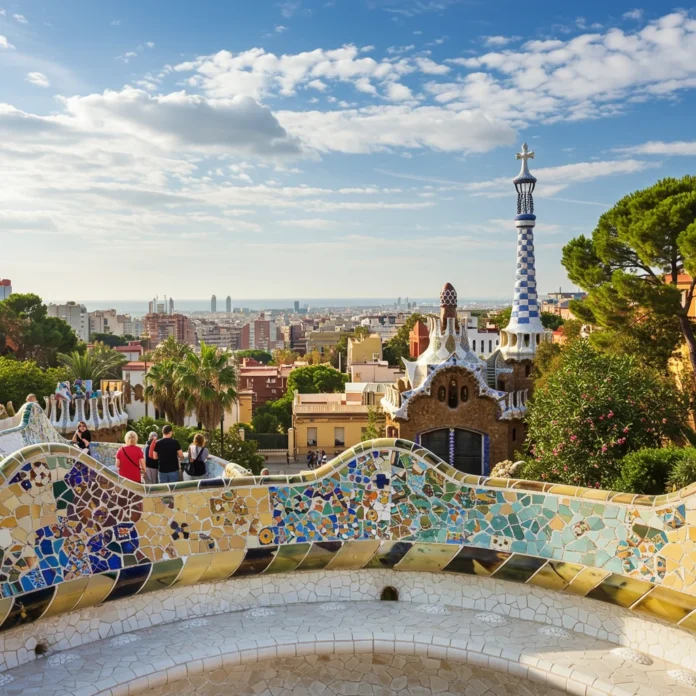

Introduction to Guell Park: Gaudí’s Colorful Playground in Barcelona
Nestled on the northern edge of Barcelona, Guell Park stands as a testament to the genius of Antoni Gaudí and the city’s love for vibrant creativity. Visitors are greeted by a kaleidoscope of colors, flowing organic shapes, and whimsical mosaics, all set against panoramic views of the Catalan capital. The park is more than a public space—it is a living work of art that invites admiration, reflection, and inspiration at every turn.
From the moment we ascend the iconic Dragon Stairway, we sense the playful spirit that defines Guell Park, making it a favorite destination for travelers, families, and art enthusiasts alike.
Who Was Antoni Gaudí?
The mastermind behind Guell Park, Antoni Gaudí, was a Catalan architect whose innovative vision transformed the architectural landscape of Barcelona. Renowned for his unique style, Gaudí drew inspiration from nature, religion, and local traditions, blending these influences into his remarkable buildings and public spaces.
His legacy in Barcelona includes such celebrated landmarks as Casa Batlló and the Sagrada Família, each characterized by flowing lines, intricate mosaics, and a commitment to craftsmanship. Gaudí’s work continues to inspire architects and artists worldwide.
What Is the Historical Significance of Guell Park?
Built between 1900 and 1914, Guell Park was originally conceived as a residential garden city but evolved into a public park that encapsulates the ideals of the Catalan Modernisme movement. Its historical value lies not only in its architectural innovation but also in its role as a symbol of Barcelona’s cultural identity.
Guell Park has witnessed over a century of change, serving as a gathering place for locals and a magnet for international visitors. Its preservation as a UNESCO World Heritage Site underscores its enduring importance.
The Vision Behind Guell Park: Origins and Inspiration
Guell Park was born from the collaboration between two visionary figures: Antoni Gaudí and Eusebi Güell. Their shared dream was to create a harmonious residential community that blended architecture, nature, and artistic expression.
Why Was Guell Park Built?
The park was initially envisioned as a luxury housing development inspired by the English garden city movement. The aim was to offer residents a tranquil escape from the city’s bustle, surrounded by lush gardens and imaginative architecture. Financial and logistical challenges ultimately shifted the project’s focus, transforming it into the beloved public park we enjoy today.
Who Was Eusebi Güell and What Was His Role?
A prominent industrialist and patron of the arts, Eusebi Güell played a crucial role in bringing Gaudí’s vision to life. Güell provided the land and financial backing for the project, trusting Gaudí’s creative instincts to shape every detail. His support was instrumental in fostering the park’s experimental spirit and enduring legacy.
Guell Park’s Place in Barcelona’s Modernisme Movement
Guell Park occupies a central position in the Modernisme movement, a uniquely Catalan interpretation of Art Nouveau that flourished in the late 19th and early 20th centuries. The park’s sinuous forms, vibrant mosaics, and integration with the natural landscape exemplify the movement’s embrace of innovation and local identity.
For those interested in exploring more of Gaudí’s Modernisme creations, our overview of Barcelona’s best city secrets provides further insight into this transformative era.
How Did Gaudí’s Design Philosophy Shape Guell Park?
Gaudí’s distinctive approach to architecture is evident throughout Guell Park. He believed that buildings should harmonize with their environment, drawing inspiration from organic forms and the natural world. This philosophy permeates every detail, from the winding pathways to the undulating benches.
Gaudí’s Use of Nature and Organic Forms
Nature served as Gaudí’s greatest muse. In Guell Park, he mimicked the shapes of trees, animals, and geological formations, allowing the park to feel both fantastical and rooted in the earth. The serpentine bench, for example, curves like a living vine, while the columns of the Hypostyle Room resemble towering trunks.
Innovative Architectural Techniques in Guell Park
Gaudí was a pioneer in the use of trencadís, a mosaic technique that repurposes broken ceramics into dazzling patterns. He also experimented with structural forms, such as leaning columns and catenary arches, to create spaces that are both functional and visually striking. These innovations set Guell Park apart as a playground of architectural experimentation.
Symbolism and Hidden Meanings in the Park
Many elements of Guell Park are imbued with symbolic meaning. Gaudí incorporated Catalan nationalist motifs, religious symbols, and references to mythology throughout the site. The dragon (El Drac), for instance, may represent the legend of Saint George or the alchemical salamander, offering layers of interpretation for curious visitors.
Layout and Main Zones of Guell Park
Guell Park’s layout is carefully designed to guide visitors through a sequence of enchanting spaces, each with its own character. The park is divided into the Monumental Zone (requiring a ticket) and the Free Access Area, with several must-see features in each.
The Monumental Zone: What to See
The Monumental Zone is the heart of Guell Park, home to its most iconic landmarks. Entry to this area requires a ticket, but it rewards visitors with access to masterpieces such as the Dragon Stairway, Hypostyle Room, and Nature Square.
For those seeking a deeper understanding of the park’s highlights, our detailed Park Güell guided tour review offers practical advice and insights.
The Free Access Area: Exploring the Surroundings
Surrounding the Monumental Zone is a network of free-access trails, gardens, and scenic viewpoints. These areas allow visitors to wander through pine groves and olive trees, enjoy stunning vistas of Barcelona, and appreciate the park’s integration with its hillside setting.
The Nature Square (Plaça de la Natura)
At the heart of the park lies the Plaça de la Natura, a spacious terrace offering sweeping views of the city. The square is framed by the famous serpentine bench and decorated with colorful trencadís mosaics, creating a lively gathering place for visitors and street performers.
The Hypostyle Room: The Hall of a Hundred Columns
Beneath the Nature Square is the Hypostyle Room, also known as the Hall of a Hundred Columns. This grand space is supported by 86 fluted columns and was originally intended as a bustling market for the planned residential community. The room’s acoustics and cool shade provide a welcome respite on hot days.
The Dragon Stairway: An Iconic Entrance
The Dragon Stairway marks the park’s main entrance and is instantly recognizable for its vibrant mosaic salamander, El Drac. The stairway divides into two, flanked by lush greenery and whimsical sculptures, setting the tone for the fantastical experience that awaits inside.
What Are the Must-See Features of Guell Park?
Guell Park is filled with unforgettable sights, each reflecting Gaudí’s playful imagination and technical skill. Some features stand out for their artistry, symbolism, and enduring popularity among visitors.
The Serpentine Bench: A Mosaic Masterpiece
The undulating serpentine bench that encircles the Nature Square is one of the park’s most beloved features. Covered in a patchwork of colorful tiles, the bench invites visitors to sit, relax, and take in panoramic views of Barcelona. Its ergonomic design was ahead of its time, offering comfort as well as beauty.
The Mosaic Salamander (El Drac): Symbol of Guell Park
No visit to Guell Park is complete without meeting El Drac, the mosaic salamander that guards the main staircase. This vibrant creature has become a symbol of both the park and the city, capturing the imagination of children and adults alike.
As experts often say:
“Art should be accessible, playful, and inspiring—qualities that Gaudí achieved in every corner of Guell Park.”
The Porter’s Lodge Pavilions
At the entrance, visitors encounter the whimsical Porter’s Lodge Pavilions, which once served as a caretaker’s residence and ticket office. Their fairy-tale roofs and swirling chimneys showcase Gaudí’s mastery of form and his flair for the unexpected.
The Austria Gardens: Tranquil Green Spaces
The Austria Gardens offer a peaceful retreat within the park, featuring native and imported plant species. Originally designated as a nursery for the housing project, today these gardens are perfect for a quiet stroll or a moment of reflection.
The Viaducts and Pathways: Walking Through Art
Gaudí designed a network of viaducts and winding pathways that blend seamlessly with the hillside, supported by rustic stone columns. These elevated walkways provide breathtaking views and a sense of adventure as visitors meander through the park’s natural and architectural wonders.
Gaudí House Museum: Where the Architect Lived
Within the park grounds stands the Gaudí House Museum, where the architect lived for nearly 20 years. The museum houses personal artifacts, original furniture, and models that offer insight into Gaudí’s daily life and creative process.
Visitors interested in Gaudí’s broader legacy will appreciate our deep dive into his masterpieces across Barcelona, including Casa Batlló and the Sagrada Família.
The Laundry Room Portico: A Hidden Gem
Tucked away in a quieter corner is the Laundry Room Portico, a covered walkway supported by slanting columns that evoke the sensation of moving through a forest. The portico’s spiral design and cool shade create a tranquil, almost meditative atmosphere.
What Materials and Techniques Did Gaudí Use?
Gaudí’s inventive use of materials and construction methods was key to the park’s unique appearance and enduring strength. He combined traditional techniques with experimental approaches, resulting in a harmonious blend of art and engineering.
Trencadís: The Art of Mosaic in Guell Park
The signature mosaic technique known as trencadís involves assembling fragments of broken ceramics, glass, and tiles into intricate patterns. Gaudí favored this method for its versatility, sustainability, and dazzling visual impact, which can be seen on benches, stairways, and sculptures throughout the park.
Natural Stone and Local Materials
Whenever possible, Gaudí sourced local stone and materials to construct the park’s structures. This not only reduced costs but also helped the architecture blend naturally with the surrounding landscape, reinforcing the sense of place.
Integration of Architecture and Landscape
A hallmark of Gaudí’s approach was the seamless integration of architecture and landscape. He designed terraces, viaducts, and retaining walls that echo the contours of the hillside, ensuring that each element serves both a practical and aesthetic function.
The Flora and Fauna of Guell Park
Guell Park is as much a celebration of nature as it is of architecture. Its gardens are home to a diverse array of plant and animal life, contributing to the park’s vibrant atmosphere and ecological value.
Native Plant Species and Their Role
The park’s landscaping features a mix of native Mediterranean plants such as pine, olive, and carob trees, as well as flowering shrubs and aromatic herbs. These species not only provide shade and beauty but also support local wildlife and help prevent soil erosion.
Wildlife You Might Encounter
While exploring the park, visitors may spot songbirds, butterflies, and even the occasional hedgehog or squirrel. The abundance of greenery and sheltered spaces creates a welcoming environment for a variety of creatures.
How Does Guell Park Support Biodiversity?
Guell Park’s thoughtful design supports biodiversity by preserving native habitats and promoting ecological balance. The combination of open lawns, dense groves, and water features sustains a healthy ecosystem within the urban landscape.
The Visitor Experience: What to Expect
A visit to Guell Park is a sensory adventure, offering sights, sounds, and experiences that linger long after you leave. Preparation and planning can help make the most of your time in this enchanting setting.
How to Get to Guell Park
Guell Park is located in the Gràcia district and is accessible by metro, bus, or taxi. The nearest metro stations are Lesseps and Vallcarca on Line 3, followed by a short uphill walk. Some visitors opt for a taxi or rideshare for added convenience, especially on hot days.
Tips for Buying Tickets and Entry Fees
Entry to the Monumental Zone requires a timed ticket, which can be purchased online or at the park entrance. We recommend booking in advance, especially during peak seasons, to secure your preferred time slot and avoid disappointment. Combination tickets and guided tours may offer additional value.
If you plan to also visit Gaudí’s other iconic sites, such as the Sagrada Família, consider reading our tips for skipping the lines and making the most of your Barcelona itinerary.
Best Times to Visit for Fewer Crowds
The park is most peaceful early in the morning or late in the afternoon, when crowds are lighter and the sunlight adds a magical glow to the mosaics. Weekdays, especially outside of school holidays, tend to be less busy than weekends.
Accessibility: Can Everyone Enjoy Guell Park?
Guell Park’s hillside location and uneven surfaces can present challenges for visitors with mobility needs. However, accessible routes and facilities are available, including ramps and adapted restrooms. Planning ahead and consulting the official accessibility map can help everyone enjoy the park’s beauty.
Are Guided Tours Worth It?
Guided tours offer in-depth insights into the park’s history, architecture, and hidden stories. Knowledgeable guides can enrich your visit with anecdotes and context that might otherwise go unnoticed. Audio guides are also available for those who prefer a self-paced experience.
What Are the Facilities and Amenities Available?
The park provides a range of amenities, including restrooms, drinking fountains, souvenir shops, and cafés. Information points and security personnel are on hand to assist with questions and ensure a safe, enjoyable visit.
Photography Tips: Capturing the Magic of Guell Park
To capture the park’s vibrant mosaics and sweeping views, visit during the golden hour when the light is soft and warm. Experiment with different angles to highlight the sinuous lines and playful details. Early mornings offer the best chance for crowd-free photos.
Experiencing Guell Park with Children
Guell Park is a delight for families, offering open spaces for play, intriguing sculptures, and plenty of shade. Interactive features and colorful mosaics spark children’s imagination, making it an ideal spot for a relaxed family outing.
What Events and Activities Happen in Guell Park?
Beyond its architectural marvels, Guell Park is a lively venue for cultural events, educational programs, and spontaneous performances. The park’s dynamic atmosphere ensures there is always something to enjoy.
Seasonal Festivals and Special Events
Throughout the year, the park hosts seasonal festivals, outdoor concerts, and community gatherings. These events celebrate local traditions and bring neighbors and tourists together in a festive spirit.
Workshops and Educational Programs
Educational workshops introduce visitors of all ages to the park’s history, architecture, and natural environment. Activities range from mosaic-making classes to guided nature walks, fostering appreciation for both art and ecology.
Live Performances and Street Artists
Street artists and musicians regularly perform in the open spaces, adding a soundtrack of flamenco guitar or classical melodies to your visit. These impromptu shows infuse the park with energy and charm, creating memorable moments for all ages.
Guell Park in Popular Culture
Guell Park’s whimsical beauty has captured the imagination of filmmakers, photographers, and social media users worldwide. Its colorful mosaics and sweeping vistas provide a dramatic backdrop for creative expression.
Movies and TV Shows Filmed at Guell Park
The park has appeared in numerous films, television shows, and documentaries, often serving as a symbol of Barcelona’s artistic spirit. Its distinctive architecture and lively atmosphere make it a favorite location for directors seeking a touch of magic.
Guell Park as an Instagram Hotspot
With its vibrant colors, unique perspectives, and iconic landmarks, Guell Park is a magnet for Instagrammers and photographers. The serpentine bench, Dragon Stairway, and panoramic city views rank among the most photographed spots in Barcelona.
Guell Park’s Influence on Modern Architecture
Guell Park’s innovative forms and integration with nature have inspired generations of architects and designers. Its influence can be seen in public spaces, gardens, and buildings around the world.
How Has Guell Park Inspired Contemporary Designers?
Contemporary architects often reference Gaudí’s use of organic shapes, sustainable materials, and playful ornamentation. The park’s emphasis on harmony between built and natural environments remains a guiding principle for many modern projects.
Comparing Guell Park to Other Gaudí Works
While Guell Park is unique, it shares key features with Gaudí’s other masterpieces, such as the flowing forms of Casa Batlló and the spiritual symbolism of the Sagrada Família. Each site reflects a different facet of Gaudí’s genius, offering a rich tapestry of creativity across Barcelona.
UNESCO World Heritage Status: What Does It Mean?
Guell Park was designated a UNESCO World Heritage Site in 1984, recognizing its cultural, historical, and artistic significance. This status helps protect the park for future generations and highlights its value as a global treasure.
Conservation Efforts and Challenges
Ongoing conservation work addresses the challenges of weathering, visitor impact, and environmental change. Experts employ advanced techniques to preserve the mosaics, structures, and gardens, ensuring that the park’s beauty endures.
How Is Guell Park Maintained Today?
A dedicated team of professionals oversees maintenance, restoration, and visitor services. Their efforts keep the park clean, safe, and welcoming for millions of guests each year.
Sustainable Tourism at Guell Park
Sustainable tourism practices are essential to preserving Guell Park’s delicate balance. Initiatives include limiting visitor numbers, promoting environmental education, and encouraging respectful enjoyment of the park’s resources.
Nearby Attractions: What Else to See in Gràcia and Barcelona
The Gràcia district surrounding Guell Park is rich in culture, dining, and shopping opportunities. Visitors can easily combine their park visit with other local highlights for a full day of discovery.
Where to Eat and Drink Near Guell Park
Charming cafés, tapas bars, and bakeries line the streets near the park. Whether you crave a fresh pastry, traditional pa amb tomàquet, or a refreshing glass of cava, the options cater to every taste and budget.
Local Souvenirs and Shops to Explore
Artisan shops and boutiques offer unique souvenirs, from hand-painted ceramics to Gaudí-inspired jewelry. These local treasures provide a meaningful way to remember your Barcelona adventure.
Frequently Asked Questions About Guell Park
Visitors often have practical questions about planning their trip to Guell Park. Here we address some of the most common queries to help you prepare.
Is Guell Park Suitable for a Short Visit?
Absolutely. Even a brief visit allows you to experience the park’s most iconic features, such as the Dragon Stairway and Nature Square. Guided tours are available for those seeking a concise yet informative introduction.
Can You Visit Guell Park for Free?
The Free Access Area of the park is open to all, while the Monumental Zone requires a ticket. Early morning and late evening hours may offer limited free entry, but it’s best to check the official website for current policies.
What Should You Bring for a Day at Guell Park?
We recommend bringing comfortable walking shoes, sun protection, a reusable water bottle, and a camera to capture the park’s beauty. Light snacks and a map can also enhance your visit.
How to Book on Viator
Booking your visit to Guell Park is simple with Viator. They offer a variety of ticket options, guided tours, and combination packages to suit different interests and schedules. We advise comparing available tours and reading reviews before making your choice.
Whether you wish to book activities in advance or plan your trip spontaneously, Viator provides a reliable platform for securing your spot at one of Barcelona’s top attractions.
Conclusion: Why Guell Park Is a Must-See in Barcelona
Guell Park stands as a joyful celebration of art, architecture, and nature, inviting visitors into a world where imagination knows no bounds. Its vibrant mosaics, organic forms, and sweeping views capture the essence of Barcelona’s creative spirit. Whether you are an architecture enthusiast, a family traveler, or simply in search of inspiration, Guell Park promises an unforgettable experience.
Final Tips for Making the Most of Your Visit
Arrive early or late to enjoy the park at its most peaceful, consider joining a guided tour for deeper insights, and don’t forget to explore the surrounding Gràcia neighborhood. For those planning a broader itinerary, Izase offers expert recommendations and resources to help you experience the best of Barcelona. Visit Izase for more travel inspiration and practical tips.
Disclaimer: This information is accurate to the best of our knowledge; however, there may be changes or mistakes. Please verify exact details on the Viator booking page.