
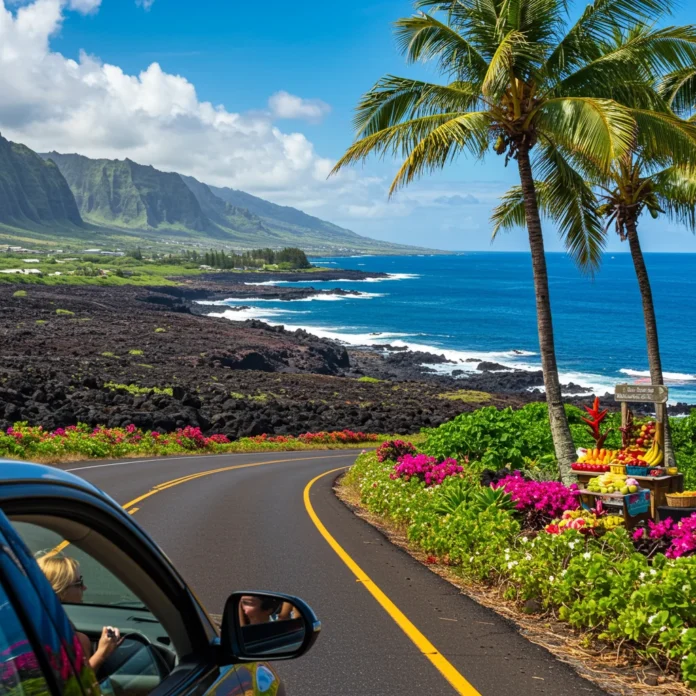

Introduction: Why Drive from Kona to Hilo?
The Kona to Hilo drive is often considered the ultimate way to experience the full range of the Big Island’s natural beauty and cultural richness. By taking this road trip, we can witness dramatic changes in scenery, climate, and local life—all within a single day’s journey. From black lava fields to lush rainforests, every mile offers a new perspective and a sense of adventure that’s difficult to find elsewhere.
Traveling between these two vibrant towns gives us the freedom to stop at hidden gems, savor local flavors, and connect with the island’s storied past. Whether we’re first-time visitors or seasoned Hawaii lovers, the journey promises memories that last a lifetime.
What Makes the Kona to Hilo Drive Unique?
What sets the Kona to Hilo drive apart from other scenic routes is its stunning diversity. We begin in sunny, dry Kona, surrounded by ancient lava flows and coffee farms, and gradually transition to Hilo’s lush rainforests and cascading waterfalls. Along the way, we encounter volcanic landscapes, rolling ranchlands, and dramatic coastal vistas.
This drive is not just about the destination—every turn introduces us to new sights, sounds, and even scents, from the earthy aroma of rain on volcanic soil to the sweet fragrance of tropical blooms. The contrast between arid and verdant, old and new, makes this route a microcosm of the entire island’s beauty.
Overview of the Route: Kona to Hilo
There are two main ways to drive between Kona and Hilo: the inland Saddle Road (Daniel K. Inouye Highway) and the scenic northern Coastal Route (Highway 19). Both options offer their own set of attractions and challenges, so our choice depends on what kind of adventure we’re seeking.
Regardless of which path we take, the journey covers roughly 75–100 miles and brings us from the leeward side’s warmth and sunshine to the windward coast’s misty forests and waterfalls. Each route has its own rhythm and pace, inviting us to slow down and soak in the ever-changing landscape.
Which Route Should You Take: Saddle Road vs. Coastal Route?
Choosing between the Saddle Road and the Coastal Route depends on our priorities. Saddle Road is the fastest and most direct, cutting through the island’s center with sweeping views of Mauna Kea and Mauna Loa. The Coastal Route, meanwhile, winds along the north shore, revealing charming towns and jaw-dropping ocean vistas.
If we crave volcanic scenery and minimal stops, Saddle Road is ideal. For those who want to linger in small towns, discover waterfalls, and enjoy panoramic coastline views, Highway 19 is the better choice. Both routes can be combined for a loop, allowing us to experience the best of both worlds.
Map of the Kona to Hilo Drive
Before setting out, it’s helpful to study a map that highlights the main routes, key attractions, and possible detours. This way, we can plan our stops and avoid missing any must-see spots along the way.
Many navigation apps offer offline maps for the Big Island. We recommend downloading one in advance, especially since cell service can be spotty in remote areas.
How Long Does the Drive Take?
The direct drive from Kona to Hilo via Saddle Road typically takes about 1.5 to 2 hours without stops. If we opt for the Coastal Route, the journey can stretch to 2.5 or even 3 hours, especially if we pause to enjoy attractions and scenic viewpoints.
Factoring in breaks, photo ops, and unexpected discoveries, we should plan for at least half a day—or a full day if we want to fully appreciate the route’s offerings.
Best Time of Year for the Kona to Hilo Drive
While the Big Island is a year-round destination, certain seasons can enhance the drive. Winter months (December to March) bring cooler temperatures and a higher chance of rain, especially near Hilo. Summer (June to September) offers drier weather, though Kona remains sunny most of the year.
Spring and fall strike a pleasant balance, with fewer crowds and mild conditions. Whenever we go, it’s wise to check the forecast, as microclimates can bring sudden changes.
When Is the Best Time of Day to Start Your Trip?
We recommend starting the Kona to Hilo drive early in the morning. This allows us to beat the midday heat, avoid afternoon showers on the windward side, and maximize daylight for sightseeing.
Morning departures also mean less traffic, particularly on Saddle Road, and better chances of clear skies—especially important if we hope to catch views of Mauna Kea.
Should You Drive from Kona to Hilo or Hilo to Kona?
Both directions offer unique experiences, but starting in Kona provides a gradual transition from dry lava fields to lush rainforests. Driving from Hilo to Kona, on the other hand, means we finish with a sunset over the Pacific, which can be spectacular.
Our choice might also depend on our itinerary, flight schedules, or whether we plan to stay overnight along the route.
Preparing for Your Road Trip
Preparation is key to making the most of our Kona to Hilo drive. From packing the right essentials to planning rest stops, a little forethought ensures a smooth and enjoyable journey.
What to Pack for the Kona to Hilo Drive
Given the island’s microclimates, we should bring:
- Light layers for changing temperatures
- Rain jacket or poncho for sudden showers
- Reusable water bottle
- Sunscreen and sunglasses
- Sturdy shoes for short hikes
- Snacks and a picnic blanket
- Fully charged phone and car charger
Don’t forget a camera or smartphone to capture unforgettable moments along the way.
Essential Safety Tips for the Drive
Safety is always a priority on the Big Island’s roads. We recommend:
- Checking tire pressure and fuel levels before departure
- Watching for sudden weather changes, especially on Saddle Road
- Driving cautiously on winding or narrow sections
- Pulling over only in designated areas for photos or breaks
- Obeying posted speed limits and local traffic laws
We also advise reviewing our Hawaii Volcanoes National Park tips for additional insights on driving safely near volcanic areas.
Car Rental Tips for Big Island Road Trips
Most major car rental companies operate at both Kona and Hilo airports. For this journey, a standard sedan is suitable for paved roads, but an SUV can offer extra comfort and capability, especially if we plan to venture off the main highways.
It’s important to confirm with our rental company whether Saddle Road is allowed, as some contracts have restrictions. We should clarify all terms before signing and opt for full insurance coverage for peace of mind.
Fuel Stops: Where to Fill Up Along the Way
Gas stations are available in Kona, Waimea, and Hilo, but they become sparse in between—especially on Saddle Road. We recommend filling up before leaving Kona, and topping off in Waimea if taking the coastal route.
Keeping our tank at least half full is a good rule of thumb, especially if we plan to take detours or stop frequently for sightseeing.
Planning for Food and Snacks on the Journey
While there are eateries in major towns, options along the route can be limited. Packing snacks, fruit, and bottled drinks helps us stay fueled and flexible. If we love local flavors, consider picking up fresh pastries or poke bowls from Kona before departure.
For recommendations on where to find memorable roadside eats, see the section on unique local eateries further below.
Can You Do the Drive in a Day?
Yes, it’s entirely possible to drive from Kona to Hilo and back in a single day, especially via Saddle Road. However, to truly appreciate the journey’s highlights, we suggest allowing a full day, factoring in stops for nature walks, photo ops, and meals.
If our schedule allows, an overnight stop enables us to explore more deeply and enjoy the Big Island’s magic without feeling rushed.
Should You Stay Overnight Along the Route?
Staying overnight in Waimea, Hilo, or a cozy inn along the way can transform our road trip into a richer experience. Evening brings cooler air, fewer crowds, and the chance to enjoy stargazing or a sunset picnic.
Many visitors choose to split the drive, especially if traveling with children or planning to hike or visit multiple attractions in one day.
Kona: Starting Your Adventure
Kona is the perfect jumping-off point for our Big Island journey, offering a blend of history, vibrant markets, and world-class coffee. Before hitting the road, it’s worth spending some time exploring the town and its surroundings.
Top Things to Do in Kona Before You Go
Before we set off, consider visiting:
- Kona Coffee Living History Farm for a taste of authentic coffee culture
- Hulihe’e Palace to glimpse royal Hawaiian heritage
- Kaloko-Honokōhau National Historical Park for ancient fishponds and petroglyphs
These experiences offer insight into the island’s history and set the stage for the journey ahead.
Where to Get Breakfast in Kona
Fueling up with a hearty breakfast is a must. Kona is known for its oceanfront cafes and bakeries, where we can savor fresh pastries, tropical fruit, and smooth local coffee. Popular spots include Island Lava Java and Kona Coffee & Tea Company, both offering a relaxed atmosphere to start our day.
Kailua-Kona Town Highlights
Strolling through Kailua-Kona reveals bustling markets, surf shops, and art galleries. The town’s waterfront, lined with swaying palms and historic buildings, is an ideal spot for a quick walk or a last-minute supply run.
We often find local vendors selling unique souvenirs, from hand-carved woodwork to colorful sarongs, perfect for commemorating our adventure.
Route Option 1: Saddle Road (Daniel K. Inouye Highway)
The Daniel K. Inouye Highway, known locally as Saddle Road, is the quickest and most direct route between Kona and Hilo. This modern highway slices through the heart of the island, offering dramatic views of towering volcanoes and vast lava fields.
What Is Saddle Road Like to Drive?
Driving Saddle Road is an exhilarating experience. The road is smooth and well-maintained, with sweeping curves and long straightaways. We pass through stark volcanic landscapes, rolling grasslands, and misty uplands—all under the watchful gaze of Mauna Kea and Mauna Loa.
It’s not uncommon to see wild goats grazing by the roadside or to feel cool winds whipping across the open saddle. The shifting scenery and sense of isolation make this drive unforgettable.
Is Saddle Road Safe for Rental Cars?
Today’s Saddle Road is safe and accessible for all standard vehicles, including rental cars. Most companies now allow travel on this route, though it’s always wise to check our contract in advance.
The main hazards are sudden weather changes—fog, rain, or even rare snow at higher elevations. We recommend driving cautiously and staying alert, especially in low visibility.
Best Stops Along Saddle Road
While Saddle Road is known for its speed and directness, it’s also home to several memorable stops. Here are a few we shouldn’t miss:
Mauna Kea Access Road
This turnoff leads to the world-famous Mauna Kea Observatory and its visitor center. Even if we don’t venture to the summit, the access road offers panoramic views of the island and, on clear days, glimpses of neighboring volcanoes.
Mauna Kea Visitor Information Station
At 9,200 feet elevation, the Mauna Kea Visitor Information Station is a hub for stargazers and astronomy enthusiasts. Here, we can learn about Hawaiian celestial navigation, observe the night sky through telescopes, or simply enjoy the crisp mountain air.
Pu’u Huluhulu Cinder Cone Hike
For a short adventure, the Pu’u Huluhulu trail offers a gentle climb to a volcanic cinder cone. At the summit, we’re rewarded with sweeping views of Mauna Kea, Mauna Loa, and the surrounding lava plains.
Scenic Overlooks and Photo Spots
Numerous pullouts along Saddle Road provide opportunities for breathtaking photos. We recommend stopping at the highest points for panoramic shots of the island’s volcanic majesty.
Weather Conditions on Saddle Road
Weather can change rapidly on Saddle Road. We may encounter bright sunshine, sudden rain, or thick fog within a few miles. Temperatures drop considerably at higher elevations, so layering up is essential.
We should always check current conditions before setting out, especially if planning to visit Mauna Kea or hike in the area.
Route Option 2: Coastal Route (Highway 19)
The Coastal Route (Highway 19) delivers some of the island’s most picturesque scenery. This road hugs the north shore, passing through charming towns, rolling pastures, and lush valleys, all set against a backdrop of the sparkling Pacific.
What to Expect on the Coastal Route
The journey along Highway 19 is slower-paced, with frequent opportunities to stop and savor the surroundings. We’ll pass through areas rich in Hawaiian history and culture, as well as some of the island’s most photogenic landscapes.
Expect changing weather, winding roads, and plenty of places to pull over for snacks, photos, or a quick stroll.
Best Stops Along the Coastal Route
Some of the Big Island’s most beloved attractions lie along the coastal drive. Here are highlights we recommend:
Waimea Town
Waimea is a paniolo (cowboy) town nestled in rolling green hills. We can visit local farmers’ markets, enjoy hearty breakfasts, and learn about Hawaii’s unique ranching heritage.
Hawi and Pololu Valley Lookout
In Hawi, colorful storefronts and laid-back vibes invite us to pause. A short drive north brings us to the Pololu Valley Lookout, where dramatic cliffs and black sand beaches create a truly awe-inspiring scene.
Waipi’o Valley Lookout
The Waipi’o Valley Lookout offers one of the most iconic views on the island. Mist drifts over emerald cliffs and taro fields, while wild horses graze in the distance. The valley is steeped in legends and remains a place of deep cultural importance.
Honoka’a Town
Honoka’a is a historic sugar town with vintage charm. We can browse antique shops, enjoy local eateries, and experience the warmth of small-town Hawaii.
Akaka Falls State Park
Just north of Hilo, Akaka Falls plunges 442 feet into a lush gorge. The park’s short loop trail winds through bamboo groves and tropical ferns, offering a sensory feast of sights and sounds.
Hamakua Coast Scenic Drive
This short detour off Highway 19 is one of the most beautiful stretches on the island. Towering trees, hidden waterfalls, and ocean vistas line the narrow, winding road.
For a more in-depth look at the area’s natural wonders, see our post on Big Island’s waterfalls and Hawaiian history.
Onomea Bay and Hawaii Tropical Bioreserve & Garden
Onomea Bay is renowned for its rugged coastline and botanical treasures. The Hawaii Tropical Bioreserve & Garden invites us to wander among rare plants, vibrant flowers, and tranquil streams—a true paradise for nature lovers.
Should You Take a Detour to Waipi’o Valley?
If time and weather permit, a detour to Waipi’o Valley is highly rewarding. The valley is accessible by foot or four-wheel-drive vehicle, but even the lookout alone offers a breathtaking panorama.
We should respect local guidelines and avoid trespassing on private land. Guided tours are available for those who wish to delve deeper into the valley’s secrets.
Hidden Gems Along the Drive
Beyond the well-known attractions, the Kona to Hilo drive is dotted with lesser-known stops that add color and character to our journey. Exploring these hidden gems often leads to the most memorable moments.
Best Waterfalls to Visit Between Kona and Hilo
In addition to Akaka Falls, we recommend stopping at Rainbow Falls in Hilo, known for its misty cascades and frequent rainbows in the morning light. For a deeper dive into the area’s waterfall secrets, see our article on Rainbow Falls and Hilo’s volcanic wonders.
Unique Local Eateries and Cafes
Along the route, local diners and roadside stands serve up everything from fresh poke to malasadas. We suggest trying Tex Drive-In in Honoka’a for their famous malasadas or stopping at Waimea Coffee Company for a cozy brunch.
Where to Find the Best Coffee on the Route?
Kona coffee is world-renowned. Several farms along the highway offer tastings and tours, where we can sample rich, aromatic brews with ocean views. Donkey Balls Chocolate Factory in Kainaliu is another quirky stop for coffee and sweet treats.
Hiking Opportunities Along the Way
From the Pu’u Huluhulu hike on Saddle Road to the lush trails of Akaka Falls and the Pololu Valley descent, hiking opportunities abound. Each trail offers a different sensory experience, from the crunch of volcanic gravel underfoot to the cool mist of waterfalls on our skin.
Wildlife and Birdwatching Spots
The Big Island is home to unique wildlife, including native birds like the ‘io (Hawaiian hawk) and nēnē (Hawaiian goose). We may also spot wild goats, feral pigs, or even sea turtles at certain beaches along the coast.
Cultural and Historical Sites Not to Miss
Don’t overlook the region’s rich history. Petroglyph fields, ancient heiau (temples), and living history museums reveal the stories of Hawaii’s past. Hulihe’e Palace and Pu’ukohola Heiau National Historic Site are especially notable for those interested in local heritage.
Best Places for Ocean Views and Sunsets
The northern coast offers countless vantage points for sweeping ocean views. We recommend catching sunset from the Pololu Valley Lookout or one of the scenic pullouts near Hawi for an unforgettable end to the day.
Tips for Taking Great Photos on the Kona to Hilo Drive
Capturing the beauty of the Kona to Hilo drive requires a keen eye and some planning. We suggest:
- Shooting during golden hour (early morning or late afternoon) for soft, warm light
- Using wide-angle settings for sweeping landscapes
- Including foreground elements, like wildflowers or lava rocks, for depth
- Taking time to frame shots at scenic overlooks and waterfalls
Don’t forget to clean your lens frequently—tropical humidity and sea spray can create unwanted smudges.
Weather Considerations and Microclimates
The Big Island’s varied terrain creates distinct microclimates along the Kona to Hilo drive. We might experience hot sun in Kona, misty rain in Waimea, and cool winds on Saddle Road—all in a single trip.
What Should You Do If It Rains?
Rain is common, especially near Hilo and the Hamakua Coast. We recommend carrying a lightweight rain jacket and embracing the opportunity to see waterfalls at their most dramatic. If heavy rain persists, consider indoor activities like visiting museums or local cafes.
Driving in Fog or Low Visibility
Fog can descend quickly at higher elevations, particularly on Saddle Road. In low visibility, we should slow down, use headlights, and avoid sudden stops. If conditions worsen, it’s safer to pull over in a designated area and wait for the fog to lift.
Packing for Changing Weather Conditions
Layered clothing is essential. We suggest packing a warm sweater or jacket for upland areas, along with breathable, moisture-wicking shirts for humid coastal stretches. A hat, sunglasses, and sunscreen are always useful, no matter the forecast.
Accessible Stops and Facilities Along the Route
Accessibility varies depending on the attraction, but most major stops offer restrooms and basic facilities. Planning ahead makes the journey more comfortable for all travelers.
Restrooms and Convenience Stores
Restrooms are available in Kona, Waimea, Honoka’a, and Hilo. Most small towns along the way also have convenience stores for snacks, drinks, and last-minute supplies.
Gas Stations and Emergency Services
Major towns have gas stations, but options are sparse on Saddle Road. Emergency services are easily accessible in populated areas, but cell service may be limited in remote stretches, so we should plan accordingly.
Family-Friendly Stops and Activities
The Kona to Hilo drive offers plenty of stops suitable for families with kids, as well as pet-friendly options and scenic picnic areas.
Best Stops for Kids and Families
Families will appreciate the Hawaii Tropical Bioreserve & Garden, Akaka Falls, and the Imiloa Astronomy Center in Hilo. These attractions offer hands-on exhibits, easy trails, and plenty of space to run and play.
Picnic Areas and Parks on the Route
Several parks and rest stops along the coastal route are perfect for a picnic lunch. We suggest Waipi’o Valley Lookout and the lush grounds near Akaka Falls for their scenic beauty and shaded tables.
Pet-Friendly Stops and Tips
Many outdoor attractions are pet-friendly, though leash laws apply. We recommend bringing water and waste bags for furry companions, and avoiding hot pavement during midday sun.
Arriving in Hilo: What to Do Next
Reaching Hilo marks the end of our road trip, but the start of a new adventure. Hilo’s laid-back charm, rich history, and proximity to natural wonders make it a rewarding destination in its own right.
Top Attractions in Hilo
After the drive, we can explore:
- Liliuokalani Gardens—a beautiful Japanese-style park
- Pacific Tsunami Museum for local history
- Hilo Farmers Market for fresh produce and crafts
- Rainbow Falls and Boiling Pots for stunning waterfall views
If we’re interested in seeing volcanoes from a new perspective, we might consider a helicopter volcano excursion from Hilo for an unforgettable aerial experience.
Where to Eat in Hilo After the Drive
Hilo is known for its diverse dining scene, from classic Hawaiian plate lunches to creative farm-to-table cuisine. Ken’s House of Pancakes and Café Pesto are perennial favorites, offering hearty meals and friendly service.
Best Places to Stay in Hilo
We’ll find accommodations ranging from boutique inns to major hotels. Many options are located near the waterfront, providing easy access to downtown attractions and ocean views.
Can You Continue Exploring East Hawaii from Hilo?
Hilo serves as a gateway to the wonders of East Hawaii, making it an excellent base for further exploration. From here, we can embark on day trips to volcanic landscapes, hidden beaches, and lush botanical gardens.
Day Trips from Hilo After Your Drive
Popular day trips include visiting Hawaii Volcanoes National Park, snorkeling at Richardson Beach Park, or touring the lush Puna District. For those seeking a truly unique experience, consider an exclusive Big Island helicopter tour with a volcano landing.
Kona to Hilo Drive FAQs
We address some of the most common questions about this iconic road trip.
Is the Drive Suitable for First-Time Visitors?
Absolutely. The Kona to Hilo drive is manageable for newcomers, with clear signage, well-maintained roads, and plenty of support services. It’s an ideal introduction to the island’s geography and culture.
Is the Kona to Hilo Drive Worth It?
Without question. The journey offers an unparalleled cross-section of the Big Island’s landscapes, from volcanic summits to lush valleys. As experts often say:
“The best way to understand Hawaii is to travel its roads, meet its people, and witness the land’s story unfold mile by mile.”
This drive truly embodies that spirit.
Summary: Making the Most of Your Big Island Road Trip
By thoughtfully planning our route, packing essentials, and allowing time for spontaneous stops, we can transform the Kona to Hilo drive into a highlight of our Hawaii adventure. Each mile offers new sights, stories, and opportunities for connection—both with the land and with each other.
We encourage travelers to remain flexible and curious, as some of the best moments often come from unexpected detours or local recommendations.
Final Tips for an Unforgettable Kona to Hilo Adventure
To make the most of our journey, we suggest:
- Starting early to maximize daylight and beat the crowds
- Checking weather and road conditions before departure
- Taking plenty of breaks to stretch, snack, and enjoy the views
- Respecting local culture, wildlife, and private property
- Documenting our trip with photos and journal notes
For those who wish to find tours and book activities along the way, planning ahead can make the experience even more rewarding.
How to Book on Viator
Booking activities, guided tours, or unique experiences for our Kona to Hilo journey is simple with Viator. Their platform offers a wide range of options, from volcano tours to waterfall hikes, all of which can be reserved in advance for added convenience.
To browse and reserve your preferred activities, visit Viator. Many travelers find that pre-booking ensures availability and allows for a more relaxed, flexible itinerary. Whether we’re seeking adventure, culture, or relaxation, Viator has something for every traveler.
Conclusion
The Kona to Hilo drive is more than just a means of getting from one side of the island to the other—it’s a journey filled with discovery, inspiration, and true Hawaiian spirit. By taking the time to appreciate each stop and savor each view, we create memories that will stay with us long after we leave the Big Island.
At Izase, we’re passionate about helping travelers experience the best of Hawaii. For more tips, in-depth guides, and local insights, visit Izase and let your adventure begin.
Disclaimer: This information is accurate to the best of our knowledge; however, there may be changes or mistakes. Please verify exact details on the Viator booking page.