
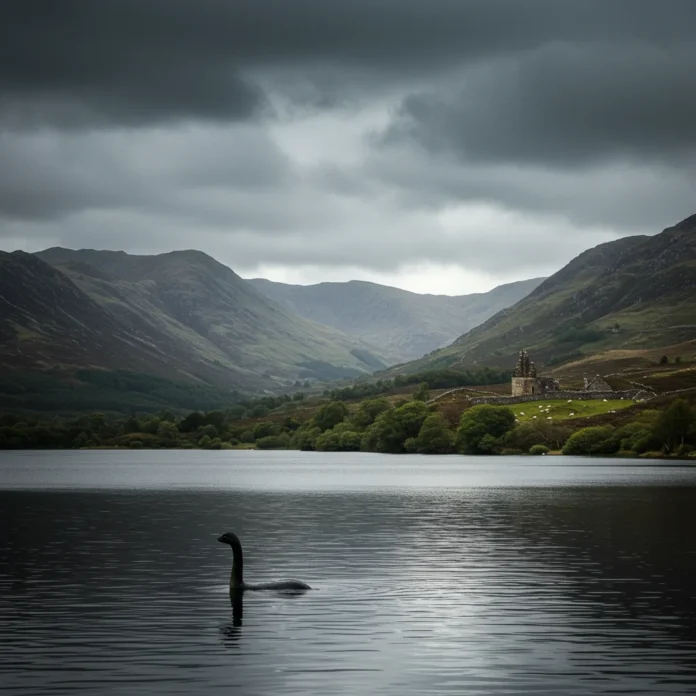

Introduction: The Allure of Scotland’s Mysteries
The Scottish Highlands and Loch Ness have long fascinated travelers, historians, and storytellers. Their wild landscapes, deep-rooted traditions, and legendary tales create an atmosphere that is both inviting and slightly uncanny. Visitors often sense a chill in the air as mist rolls over the loch, while the distant call of a curlew echoes across ancient glens.

Whether you are drawn by the lure of hidden legends or the serene beauty of the countryside, this region offers a unique blend of natural grandeur and folklore. From tales of the fabled Nessie to the haunting melodies of bagpipes, Scotland’s Highlands remain a destination that ignites the imagination.
Why Are the Highlands and Loch Ness So Enigmatic?
What fuels the intrigue surrounding the Highlands and Loch Ness? The answer lies in a combination of dramatic scenery, centuries-old myths, and a sense of remoteness that pervades the region. Fog drapes the hills, ancient ruins peek through the heather, and local legends pass from generation to generation, adding to the allure.
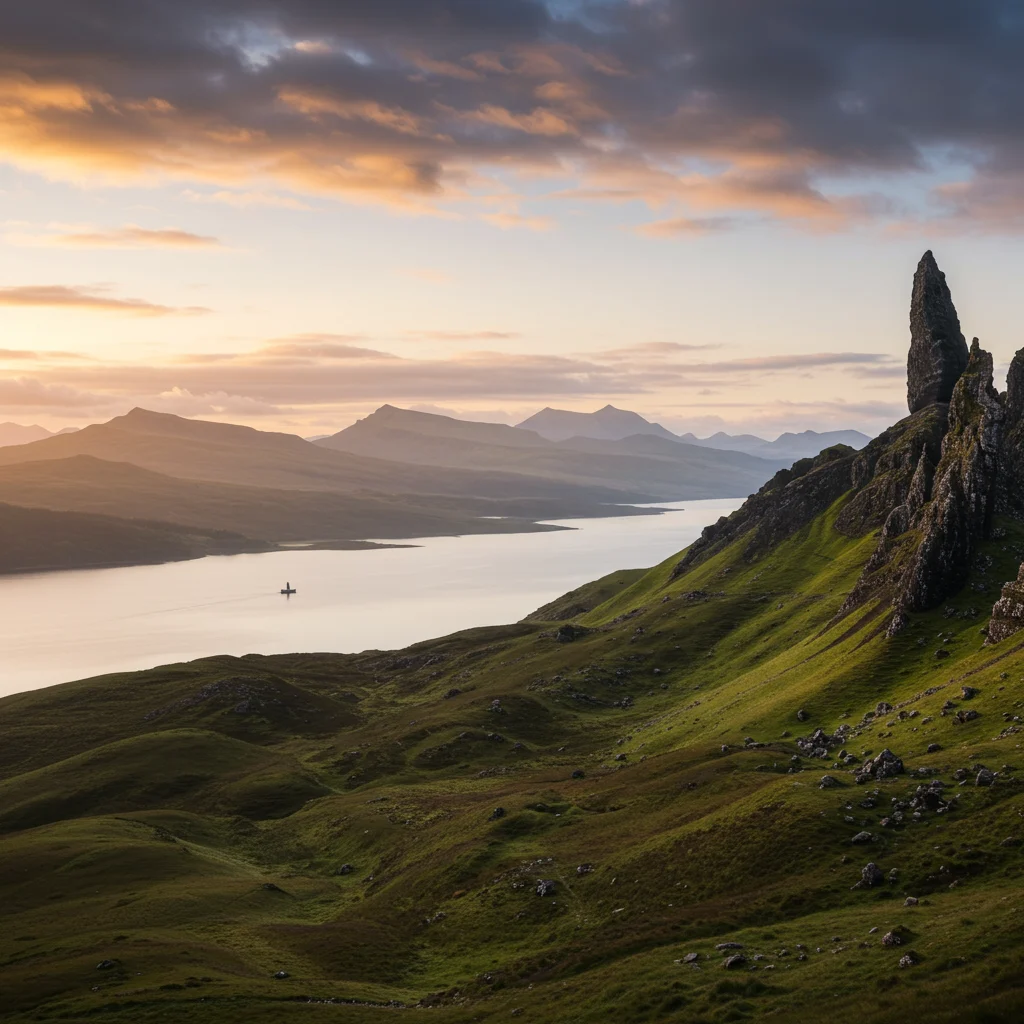
This enigmatic quality is heightened by the region’s unpredictable weather and ever-changing light. One moment, sunlight glistens on the water. The next, clouds cast shadows over rugged peaks, creating an atmosphere ripe for tales of the unknown.
A Brief History of the Scottish Highlands
The history of the Scottish Highlands stretches back thousands of years, shaped by fierce independence and cultural traditions. Early Pictish tribes left their mark through mysterious standing stones and carved symbols, while centuries of clan warfare and royal intrigue shaped the social fabric.
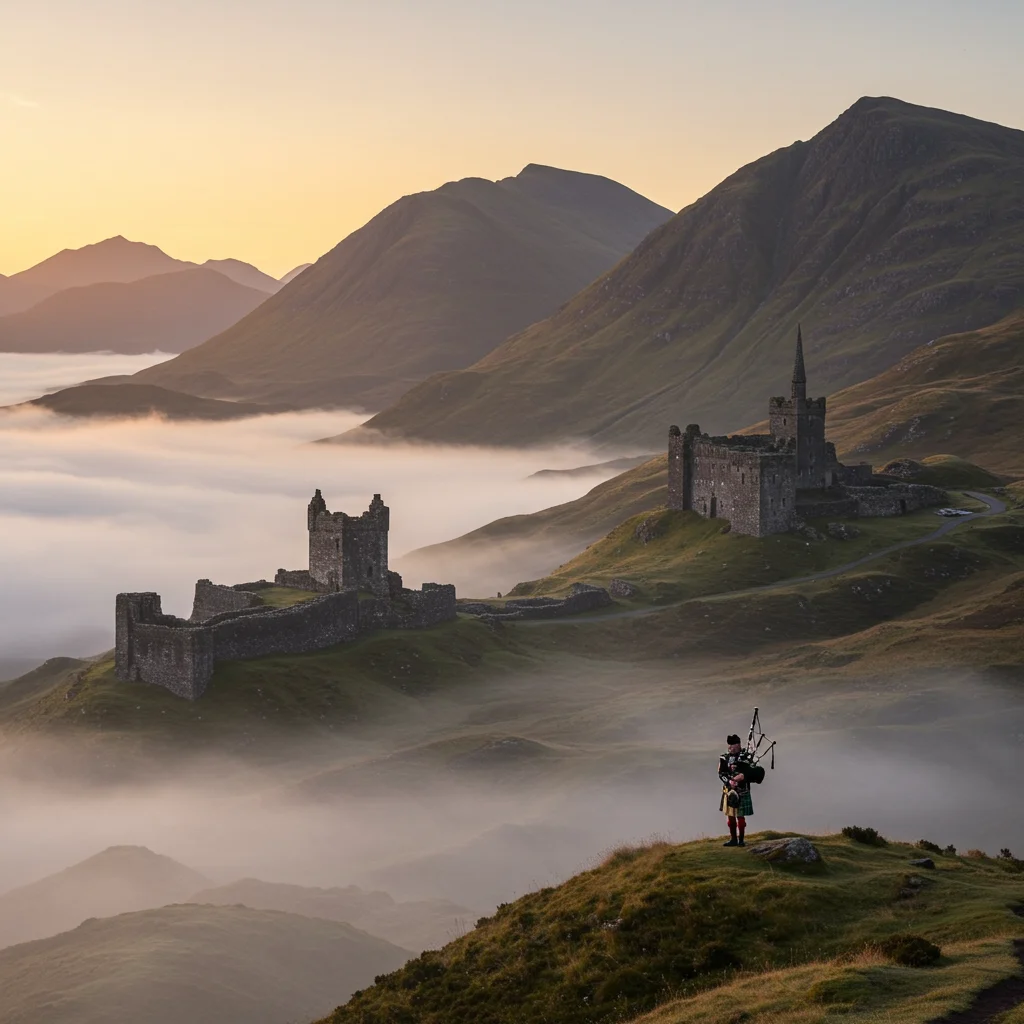
From the rise and fall of the Jacobites to the Highland Clearances, this region has seen both triumph and tragedy. The echoes of these events still resonate in the music, language, and pride of its people.
How Was Loch Ness Formed?
How did Loch Ness become such a distinctive natural feature? The answer lies in ancient geological processes. Around 10,000 years ago, retreating glaciers carved out the Great Glen, leaving behind a deep trench that filled with water to create the famous loch.
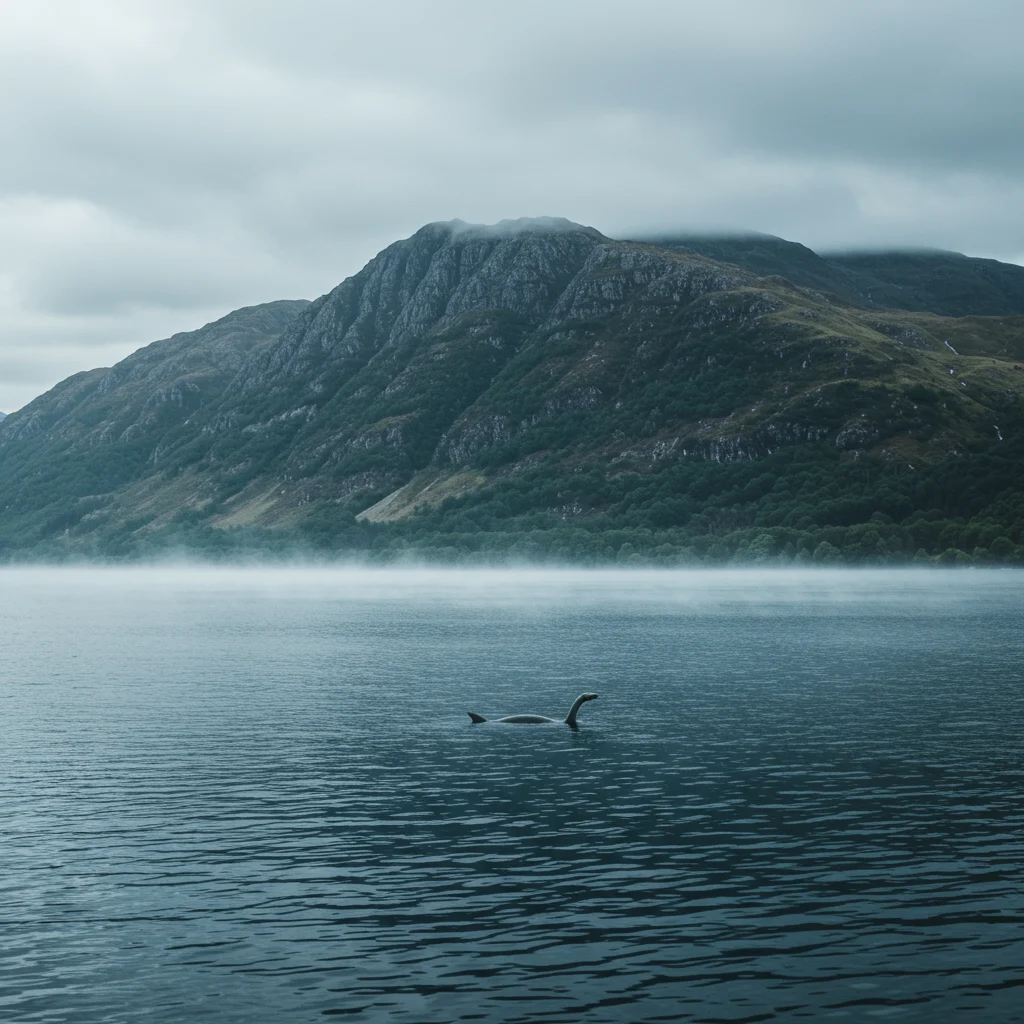
The resulting body of water stretches for over 20 miles, with depths exceeding 230 meters. Its inky, peat-stained waters and steep banks contribute to its mysterious reputation, making it a perfect setting for legendary tales.
Geography of Loch Ness and Surrounding Highlands
The geography of Loch Ness and the Highlands is characterized by dramatic contrasts. Towering mountains, rolling moors, and dense forests surround the loch, creating a landscape that feels both ancient and untamed.
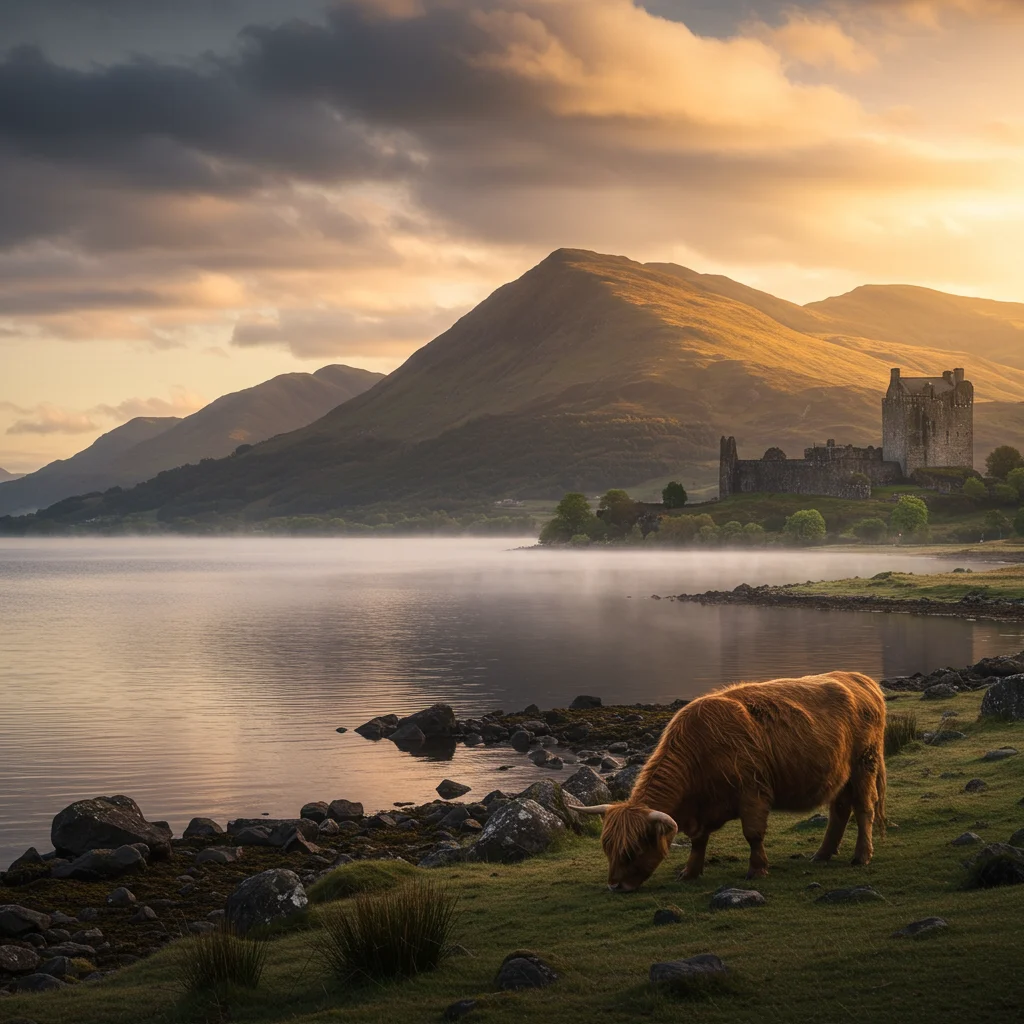
The Great Glen Fault, a massive geological rift, runs beneath the loch, shaping the terrain and influencing the region’s weather patterns. This combination of natural features provides a striking backdrop for visitors seeking adventure or tranquility.
The Legend of the Loch Ness Monster: Fact or Folklore?
Is the Loch Ness Monster a real creature or simply a product of folklore? This question has sparked debate for nearly a century. Nessie, as the monster is affectionately called, has become an enduring symbol of the unknown, attracting both believers and skeptics.

The legend has inspired countless expeditions, scientific investigations, and even a thriving local tourism industry. The allure of Nessie remains strong, fueled by new sightings and ongoing speculation.
What Are the Earliest Sightings of Nessie?
The earliest recorded accounts of a creature in Loch Ness date back to the 6th century, when Saint Columba reportedly witnessed a “water beast” attacking a swimmer. Over the centuries, sporadic reports surfaced, often describing a large, serpentine animal gliding through the water.
These stories were often passed down orally, gaining new details and embellishments with each retelling. By the 20th century, Nessie had firmly entered the realm of modern legend.
The Surgeon’s Photograph: Unveiling the Hoax
In 1934, a photograph known as the “Surgeon’s Photograph” was published, showing what appeared to be a long-necked creature in the loch. For decades, it was considered the most compelling evidence of Nessie’s existence.
However, in the 1990s, investigators revealed that the image was a clever hoax, created using a toy submarine and some ingenuity. Despite this, the photograph remains an iconic part of the Nessie story, illustrating how easily myth and reality can intertwine.
Modern Nessie Sightings: Are They Credible?
Recent decades have seen a steady stream of reported sightings, often captured on smartphones or webcams. Some witnesses describe humps breaking the surface, while others claim to see long, dark shapes moving through the water.
While many of these accounts can be attributed to waves, debris, or misidentified animals, a handful remain unexplained. The ongoing fascination with Nessie keeps people scanning the loch’s surface, hoping for a glimpse of something extraordinary.
Scientific Investigations: What Lies Beneath Loch Ness?
Scientists have conducted numerous studies to unravel the secrets beneath Loch Ness. These investigations use advanced technology and rigorous methodology to separate fact from fiction.
Despite decades of research, the loch continues to guard its secrets, offering tantalizing hints rather than definitive answers.
Sonar Scans and Underwater Expeditions
Sonar surveys and underwater cameras have mapped the loch’s depths in great detail. Researchers have detected unusual readings and unexplained objects, sparking excitement and further inquiry.
While no concrete evidence of a monster has surfaced, these expeditions have enhanced our understanding of the loch’s geology and ecology.
DNA Sampling: What Has It Revealed?
Recent environmental DNA sampling has provided new insights. By analyzing genetic material in the water, scientists hoped to identify any unknown species living in Loch Ness.
The results pointed to a rich diversity of fish, amphibians, and bacteria, but no evidence of a large, unknown animal. However, the findings did not rule out the possibility of rare or elusive creatures remaining hidden.
Theories Behind the Loch Ness Monster
What could explain the enduring tales of the Loch Ness Monster? A range of theories has emerged, from the plausible to the fantastic. Some suggest a prehistoric origin, while others point to more mundane explanations.
Each theory reflects the region’s unique blend of science, history, and imagination.
Could Nessie Be a Prehistoric Creature?
One popular theory posits that Nessie is a surviving plesiosaur, a marine reptile thought to have gone extinct millions of years ago. The long neck and bulky body described in many sightings fit this profile.
However, experts point out that the cold, dark waters of Loch Ness would make survival difficult for such a creature. Fossil evidence and the loch’s isolation further complicate this hypothesis.
Alternative Explanations: Sturgeons, Eels, and More
Other theories suggest that large fish, such as sturgeons, or even giant eels could account for Nessie sightings. These animals can reach impressive sizes and occasionally surface in unexpected ways.
Floating logs, boat wakes, and optical illusions also contribute to the legend. The interplay of light and water on the loch often creates shapes and shadows that spark the imagination.
The Cultural Impact of the Loch Ness Monster
The Loch Ness Monster is more than a local curiosity—it is a cultural phenomenon. Nessie has become a symbol of Scottish identity and an ambassador for the Highlands, appearing in everything from souvenirs to television specials.

This enduring legend shapes perceptions of the region, fueling interest and pride among locals and visitors alike.
How Has Nessie Influenced Scottish Identity?
Nessie serves as a playful yet powerful emblem of Scottish resilience and creativity. The monster’s image adorns everything from T-shirts to official tourism campaigns, uniting communities in a shared story.
By embracing the legend, Scots celebrate their unique heritage while inviting the world to participate in the ongoing search for answers.
Loch Ness in Popular Media and Literature
The legend of Nessie has inspired countless books, documentaries, and films. From classic novels to modern thrillers, authors and filmmakers draw on the loch’s mysterious atmosphere to craft unforgettable stories.
Nessie’s appearances in cartoons and children’s tales ensure that each new generation encounters the legend, keeping it alive in the popular imagination.
Tourism and the Nessie Economy
The legend of the Loch Ness Monster has significantly boosted the local economy. Visitors flock to the region to tour the loch, visit museums, and snap photos at iconic viewpoints. Local businesses thrive on the steady stream of curious travelers.
If you are planning your own search for Nessie, you can find tours and activities that bring the legend to life.
Other Mysteries of the Scottish Highlands
The Scottish Highlands hold many secrets beyond Nessie. From haunted castles to ancient standing stones, the region is steeped in stories that defy easy explanation. These tales add depth and intrigue to the landscape, drawing visitors eager for a glimpse of the unknown.

Each site offers a unique window into Scotland’s past, blending folklore with historical fact.
What Are the Most Haunted Castles in the Highlands?
Many Highland castles are said to be haunted by restless spirits. Eilean Donan, Dunrobin, and Cawdor Castles feature in local legends, with tales of ghostly apparitions, mysterious footsteps, and unexplained sounds.
Brave visitors can tour these ancient fortresses, often feeling a chill as wind whistles through stone corridors and shadows flicker in candlelit halls.
The Enigma of Glencoe: Tragedy and Legend
Glencoe is famous for its breathtaking scenery and tragic history. The massacre of 1692, where members of the MacDonald clan were killed by government troops, left a lasting mark on the region’s collective memory.
Today, Glencoe’s mist-shrouded valleys and rugged peaks evoke both sorrow and awe. Travelers can retrace the steps of history on a Highlands epic day trip for a deeper appreciation of this storied landscape.
Standing Stones and Ancient Sites: What Do They Mean?
The Highlands are dotted with mysterious standing stones and stone circles, such as those at Clava Cairns. Their true purpose remains uncertain, sparking theories about astronomical alignments, ritual gatherings, or burial sites.
Walking among these stones, visitors often sense a connection to ancient peoples who left their mark on the land.
The Fairy Pools and Supernatural Folklore
The Fairy Pools on the Isle of Skye are renowned for their crystal-clear waters and enchanting setting. Local stories speak of fairies, selkies, and other supernatural beings who once inhabited these glens.
These tales persist, adding a sense of enchantment to the already mesmerizing scenery. A multi-day adventure, such as the Isle of Skye & Highlands 3-Day Adventure, can bring these legends to life.
The Jacobite Rebellions: Myths and Realities
The Jacobite uprisings of the 17th and 18th centuries have become legendary, thanks to tales of brave warriors and dramatic battles. While much of the history is well-documented, myths and romanticized accounts continue to shape public perception.
Sites such as Culloden Moor are both historical landmarks and touchstones for ongoing debate about Scotland’s turbulent past.
Highland Clans: History, Rivalries, and Legends
The Highland clans have played a central role in shaping the region’s identity. Their stories are filled with fierce rivalries, deep loyalties, and unforgettable personalities. Understanding clan history provides valuable insight into the traditions and spirit of the Highlands.
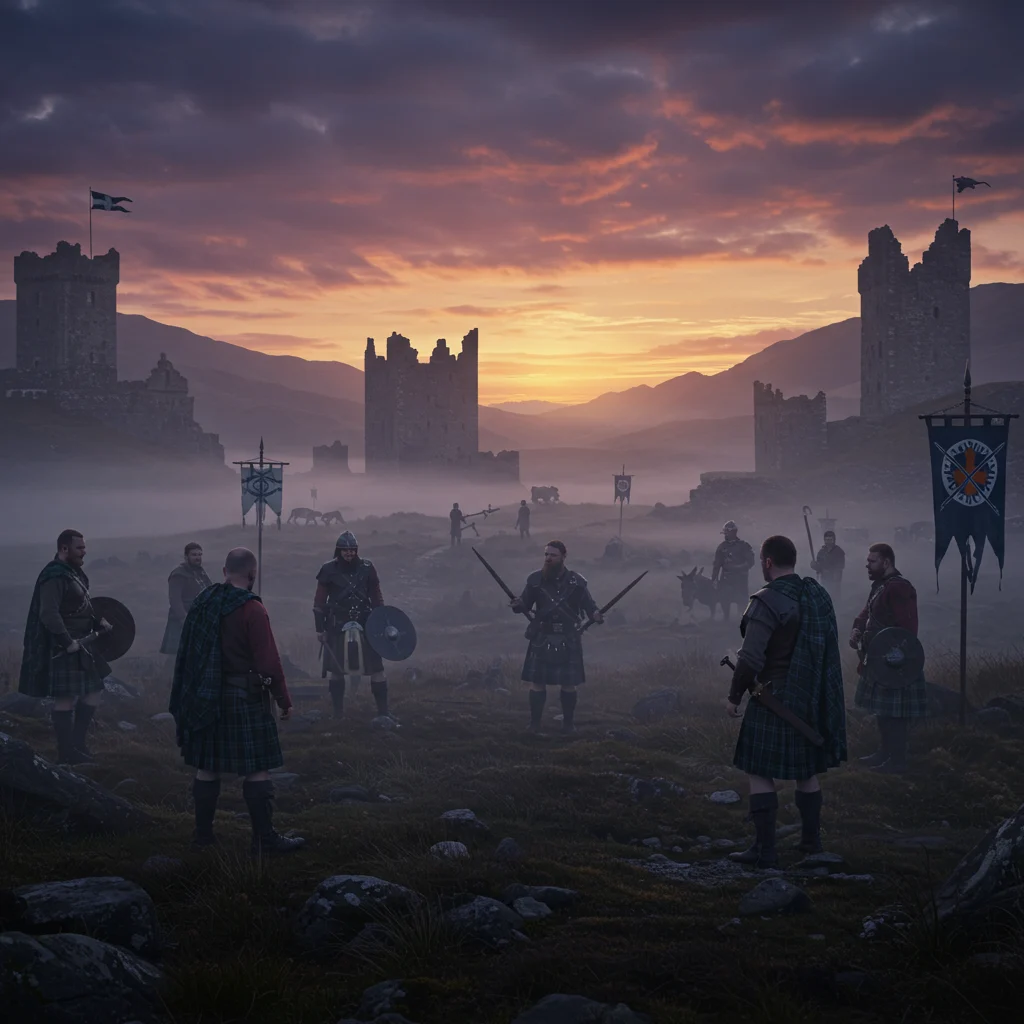
From tartans to castles, the legacy of the clans can still be seen throughout the region.
Who Were the Most Notorious Highland Clans?
Several clans earned reputations as formidable rivals, including the MacDonalds, Campbells, and MacGregors. Feuds over land, honor, and allegiance often led to violent confrontations.
These stories remain part of local folklore, adding a dramatic dimension to the Highlands’ rugged landscapes.
Clan Symbols and Their Meanings
Each clan is identified by distinctive symbols, such as crests, mottos, and tartan patterns. These emblems serve as a source of pride and a means of identification, especially during gatherings and ceremonies.
The symbolism often reflects the clan’s values, history, and connection to specific regions or ancestors.
Famous Battles and Their Lasting Legacy
The Highlands were the site of many famous battles, from the Battle of Culloden to the skirmishes at Glen Shiel and Inverlochy. These conflicts left a lasting mark on the landscape and the collective memory of the clans.
Monuments and memorials dot the countryside, serving as reminders of both loss and resilience.
Natural Wonders of the Highlands
Beyond its legends, the Highlands are celebrated for their natural beauty. Towering mountains, ancient forests, and a diverse array of wildlife create an environment that is both awe-inspiring and delicate.
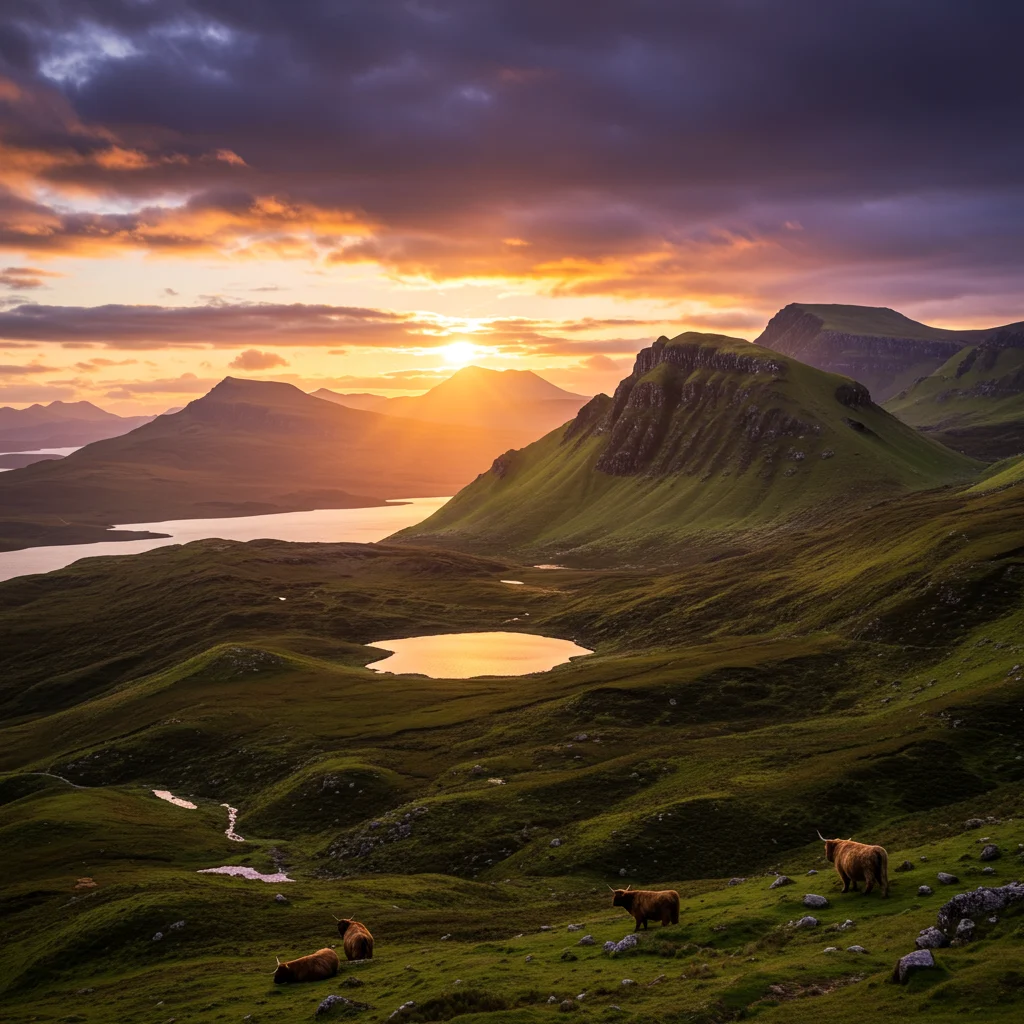
Protecting these wonders is a shared responsibility, as climate and human impact shape the future of the region.
Ben Nevis: The Tallest Mystery
Ben Nevis, the UK’s highest mountain, dominates the western Highlands. Its summit is often hidden by swirling clouds, and sudden changes in weather can transform a sunny hike into a windswept challenge.
Climbers and nature lovers are drawn to its rugged slopes, where the air is crisp and the views stretch for miles.
The Caledonian Forest: Scotland’s Ancient Woodland
The Caledonian Forest is a remnant of the ancient woodlands that once covered much of Scotland. Towering pines, moss-covered stones, and a rich understory provide habitat for rare plants and animals.
Walking through these woods, visitors experience a sense of timelessness, surrounded by the whisper of wind in the branches and the scent of pine needles.
Wildlife of Loch Ness and the Highlands
The region is home to a remarkable variety of wildlife. From red deer roaming the hills to ospreys fishing in the lochs, each species contributes to the Highlands’ vibrant ecosystem.
Rare sightings, such as golden eagles soaring overhead or pine martens darting through the undergrowth, add excitement to any visit.
What Unique Species Call This Region Home?
Notable residents include the Scottish wildcat, capercaillie, and otter. The lochs support salmon, trout, and elusive freshwater eels, while the forests provide shelter for crossbills and crested tits.
These species are finely adapted to the region’s challenging conditions, making them both unique and vulnerable.
Conservation Efforts and Environmental Challenges
Conservation organizations work tirelessly to protect the Highlands’ natural heritage. Efforts focus on habitat restoration, species monitoring, and public education.
Challenges such as deforestation, invasive species, and climate change threaten the delicate balance of these ecosystems. Responsible tourism and sustainable practices are essential for preserving this landscape for future generations.
Exploring Loch Ness: Top Activities and Attractions
There is no shortage of things to do around Loch Ness and the Highlands. Whether you seek adventure, history, or relaxation, the region offers something for every traveler.
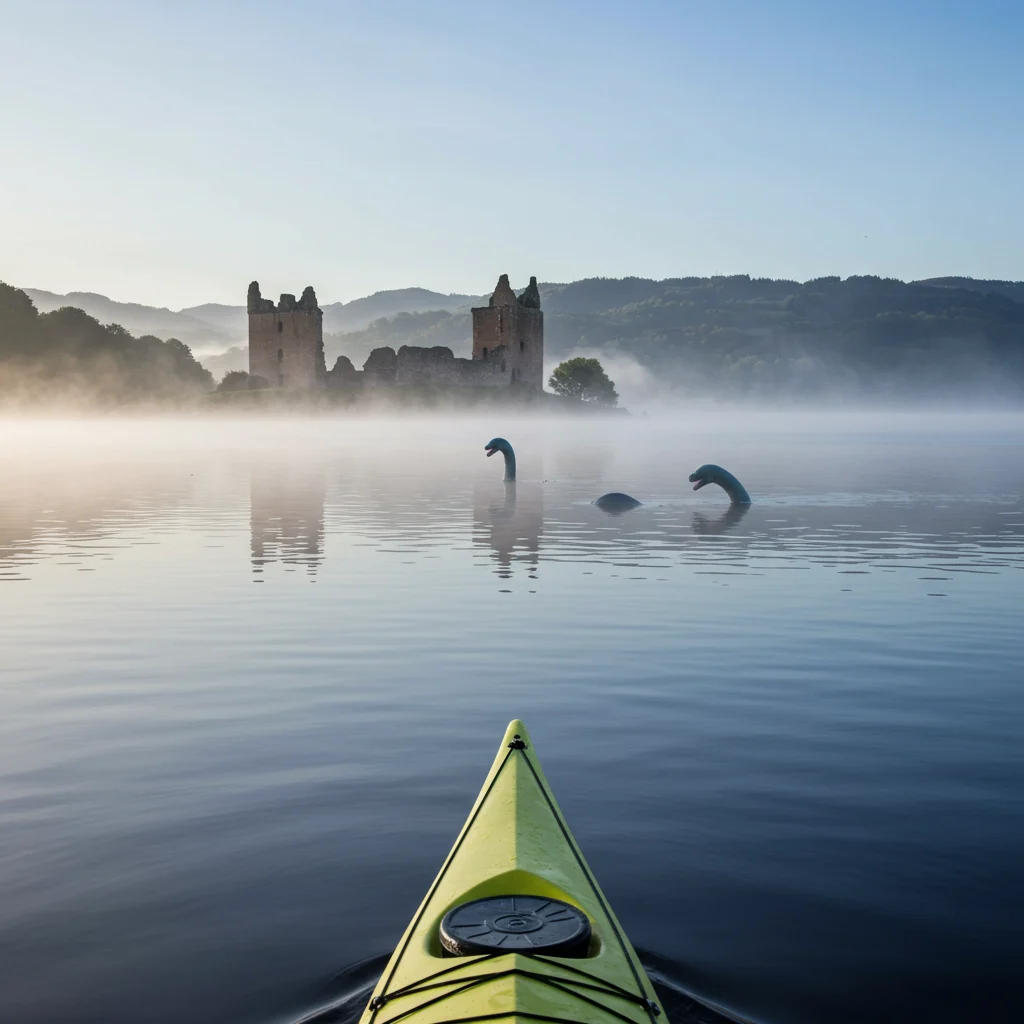
From scenic cruises to ancient ruins, each experience brings you closer to the heart of Scotland.
Best Boat Tours for Nessie Spotting
A boat tour is one of the most exciting ways to experience Loch Ness. The gentle hum of the engine, the cool spray of water, and the anticipation of a Nessie sighting create a sense of adventure.
Many tours offer expert commentary, sharing stories of the loch’s history and the ongoing search for its elusive resident. For a comprehensive experience, consider the Loch Ness Cruise: Castles & Outlander Locations Tour to combine natural beauty with fascinating tales.
Urquhart Castle: History Overlooking the Loch
Urquhart Castle stands on a rocky promontory, offering panoramic views of Loch Ness. Its weathered stone walls have witnessed centuries of conflict, intrigue, and daily life.
Visitors can walk among the ruins, imagining the lives of those who once guarded this strategic site. Interpretation panels and guided tours bring the castle’s history to life.
Inverness: Gateway to the Highlands
Inverness serves as the cultural and logistical hub for Highland adventures. The city’s riverside setting, vibrant arts scene, and historic landmarks provide a welcoming introduction to the region.
From here, travelers can access nearby attractions or set out on scenic journeys deeper into the Highlands.
Hidden Gems: Off-the-Beaten-Path Highland Destinations
Beyond the well-known sights, the Highlands are peppered with lesser-known treasures. Quaint villages, secluded glens, and tranquil lochs offer a chance to experience the region’s quieter side.
For those seeking unique experiences, a small-group tour in Edinburgh can provide insight into Scotland’s rich history, as detailed in our Edinburgh on Foot: Castle Included Small-Group Tour post.
Travel Tips for Visiting Loch Ness and the Highlands
Planning a trip to Loch Ness and the Highlands requires careful consideration. The region’s rugged terrain and unpredictable weather mean that preparation is key.
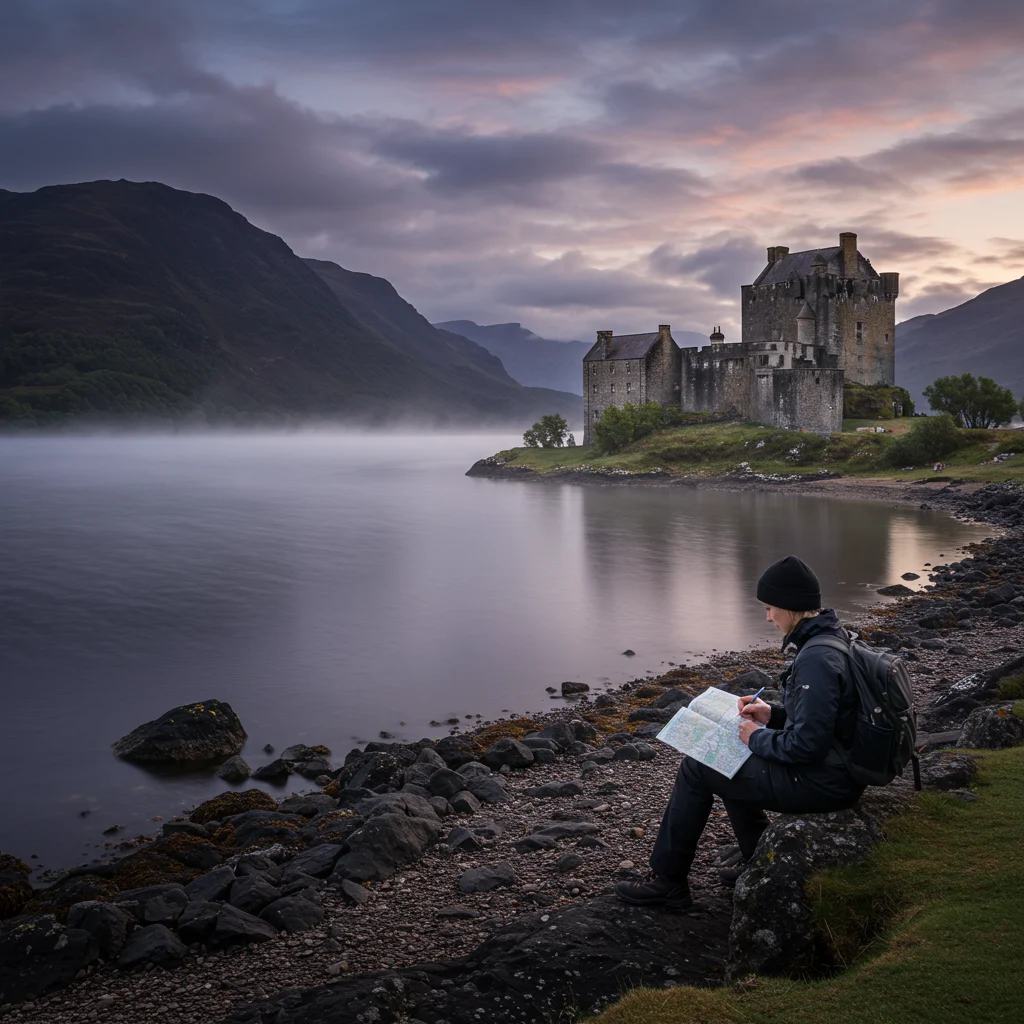
Here are some essential tips to help you make the most of your visit.
When Is the Best Time to Visit?
The Highlands are beautiful year-round, but each season offers a different experience. Spring and summer bring long days, mild temperatures, and blossoming wildflowers. Autumn paints the hills in gold and crimson, while winter offers snow-capped peaks and fewer crowds.
For those interested in local festivals and outdoor activities, late spring and early autumn are often ideal.
Where to Stay: Hotels, B&Bs, and Unique Lodgings
Accommodation options range from luxurious hotels to cozy bed-and-breakfasts and rustic cottages. Many lodgings offer stunning views of the lochs and glens, adding to the sense of immersion in the landscape.
Booking in advance is recommended, especially during peak travel periods.
Local Cuisine: What Should You Try?
Highland cuisine is hearty and flavorful, featuring local ingredients such as venison, salmon, and root vegetables. Traditional dishes include haggis, Cullen skink, and oatcakes.
Pair your meal with a dram of single malt whisky for an authentic Scottish experience. For Harry Potter fans, our guide to Edinburgh’s Harry Potter locations highlights magical spots to enjoy a themed treat.
Responsible Tourism: How to Respect the Highlands
Respect for the land and local communities is vital when visiting the Highlands. Stick to marked trails, dispose of waste properly, and support local businesses.
By traveling responsibly, you help preserve the region’s natural and cultural heritage for future visitors.
Photography Guide: Capturing the Mystique
Photographers flock to Loch Ness and the Highlands to capture their dramatic light, moody skies, and wild landscapes. The interplay of weather and scenery offers endless inspiration.
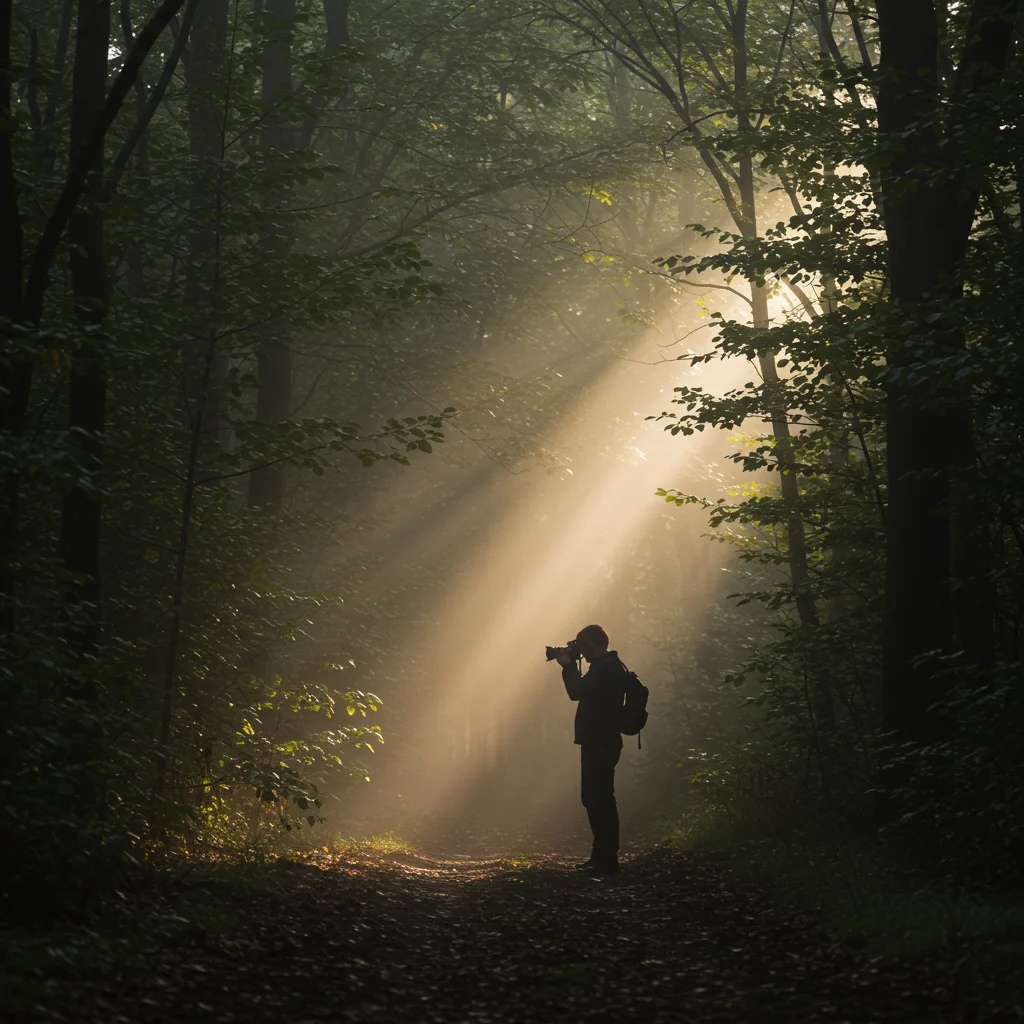
With a few tips, you can take home images that truly reflect the magic of this region.
Best Locations for Iconic Shots
Prime photography spots include Urquhart Castle at sunrise, the sweeping vistas of Glencoe, and the tranquil waters of the Fairy Pools. The ever-changing weather creates opportunities for both soft, golden light and dramatic, stormy skies.
Early morning and late afternoon often provide the best conditions for capturing the unique atmosphere of the Highlands.
Tips for Photographing Loch Ness and Wildlife
Patience is key when photographing wildlife or waiting for the perfect light. Use a tripod for stability and experiment with different angles to highlight the scale of the landscape.
For wildlife, a telephoto lens helps capture distant animals without disturbing them. Always respect local regulations and keep a safe distance from sensitive habitats.
The Future of Loch Ness and the Highlands
What does the future hold for Loch Ness and the Highlands? While technology and tourism continue to shape the region, the sense of intrigue remains as strong as ever.
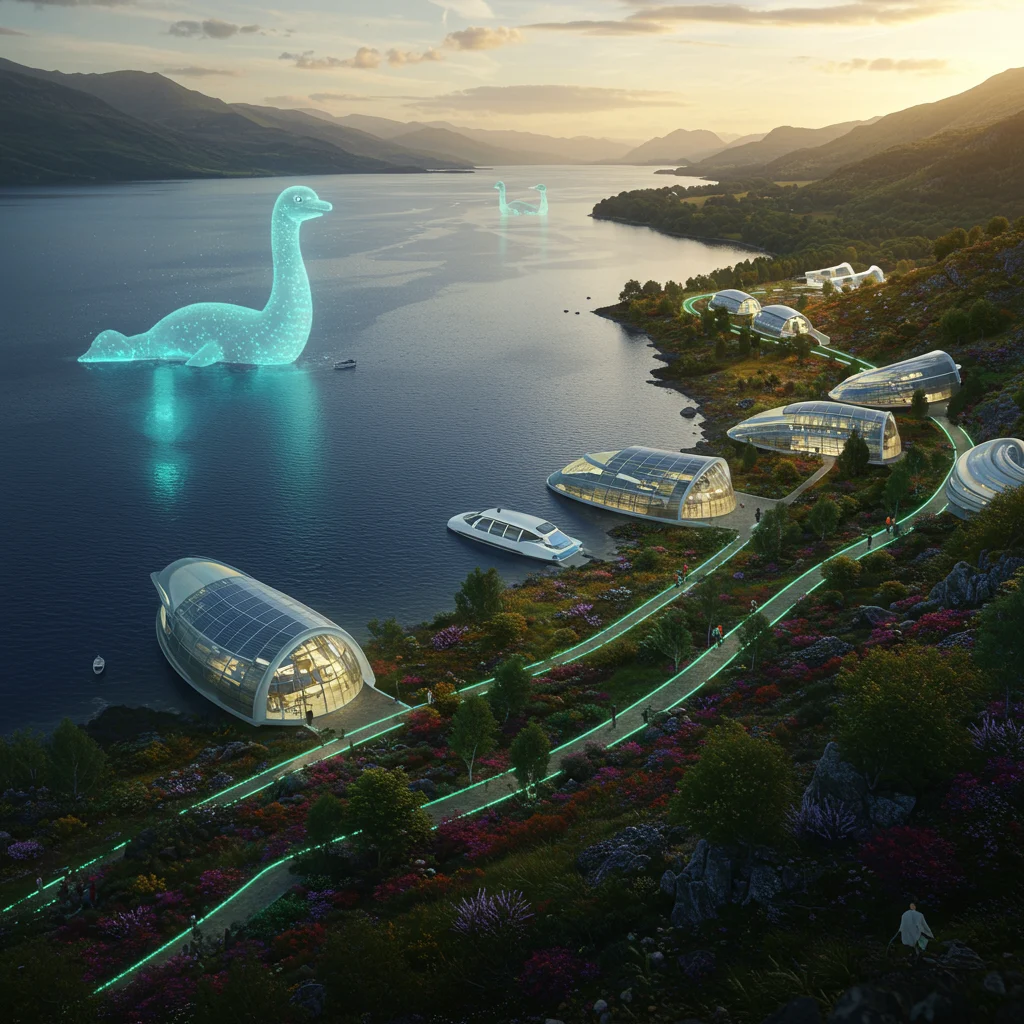
Ongoing conservation efforts and community initiatives aim to protect both the landscape and its stories for generations to come.
Will the Mysteries Ever Be Solved?
Despite decades of research, the legends of Nessie and the Highlands persist. New discoveries and changing perspectives may offer clues, but some questions are likely to remain unanswered.
The enduring appeal of the unknown ensures that the region’s stories will continue to inspire curiosity and wonder.
How Are Local Communities Embracing Their Legends?
Local communities celebrate their heritage through festivals, museums, and storytelling events. By sharing their traditions with visitors, they keep the spirit of the Highlands alive while fostering a sense of pride and unity.
Tourism initiatives emphasize sustainable practices, ensuring that both legends and landscapes are protected for the future.
How to Book on Viator
Planning your trip to Loch Ness and the Highlands is easier than ever. Viator offers a wide range of tours and activities, from scenic cruises to guided hikes and historical excursions. Their platform allows you to compare options, read reviews, and book with confidence.

To find tours, activities, and unique experiences for your Highland adventure, visit Viator. Whether you are searching for Nessie or learning about clan history, booking in advance helps you make the most of your time in Scotland.
Conclusion: The Enduring Magic of Scotland’s Highlands
The Scottish Highlands and Loch Ness continue to inspire with their breathtaking landscapes, rich traditions, and timeless tales. Whether you seek adventure, history, or a glimpse of the unknown, this region offers experiences that linger long after your journey ends.
For more inspiration and travel tips, visit Izase. Let the legends, scenery, and warm hospitality of the Highlands guide your next adventure.
“Disclaimer: This information is accurate to the best of our knowledge; however, there may be changes or mistakes. Please verify exact details on the Viator booking page.”