
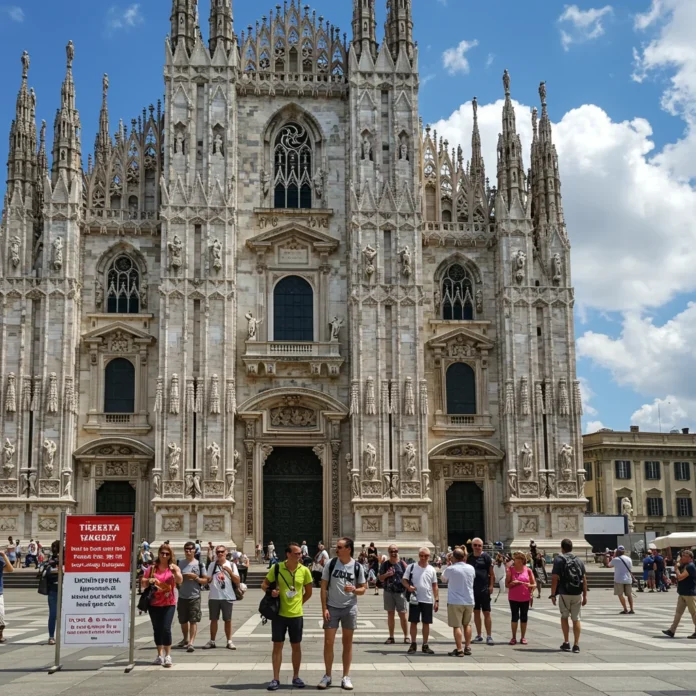

Introduction to Milan Cathedral (Duomo di Milano)
The Milan Cathedral, known locally as the Duomo di Milano, is one of Italy’s most iconic landmarks. Its intricate spires, marble façade, and soaring interiors have drawn travelers and art enthusiasts for centuries. Visiting this cathedral offers not just a glimpse into religious history but also a feast for the senses, from the cool hush of its nave to the breathtaking views atop its terraces.
As we guide you through everything you need to know about Duomo tickets and entry tips, you’ll find practical advice for making the most of your visit to this extraordinary monument.
Why Visit the Milan Cathedral?
There are countless reasons to include the Milan Cathedral on your itinerary. Its sheer size and grandeur set it apart from other European cathedrals. Inside, shafts of colored light spill through stained glass, illuminating centuries-old statues and gilded altars. Outside, the city hums with energy, but within the Duomo, a sense of tranquility prevails.
For those captivated by architectural wonders, the Duomo stands alongside the world’s greatest masterpieces, much like the famous works of Gaudí in Barcelona.
A Brief History of the Duomo di Milano
Construction of the Duomo di Milano began in 1386 and spanned nearly six centuries. This monumental project saw the contributions of countless artisans, architects, and sculptors from across Europe. Over time, the cathedral became a symbol of Milan’s enduring spirit and evolving artistic vision.
Each period left its mark, resulting in a fascinating blend of Gothic, Renaissance, and Baroque influences. Today, the Duomo stands as a testament to the city’s resilience and creativity.
Duomo Architecture: What Makes It Unique?
The Duomo’s architecture is renowned for its elaborate Gothic design, with more than 3,400 statues and 135 spires reaching skyward. The white-pink Candoglia marble shimmers in the sunlight, while the forest of pinnacles creates an unforgettable silhouette against the Milanese skyline.
Inside, the vast nave stretches over 45 meters high, supported by mighty columns. The interplay of light, shadow, and sculptural detail creates a mesmerizing atmosphere that delights visitors at every turn.
Where Is Milan Cathedral Located?
The Milan Cathedral sits at the very heart of the city, anchoring the bustling Piazza del Duomo. Its central location makes it easy to reach from most neighborhoods and a convenient starting point for discovering Milan’s other attractions.
From the piazza, you’re surrounded by vibrant shops, historic cafés, and lively street performers, all framed by the cathedral’s majestic presence.
How to Get to Milan Cathedral
Reaching the Duomo is straightforward, thanks to Milan’s efficient public transportation system. The Duomo metro station, served by lines M1 (red) and M3 (yellow), brings you directly beneath the square. Trams and buses also stop nearby, making it accessible from any part of the city.
For those arriving by train, Milano Centrale and Cadorna stations connect easily to the Duomo via metro. Walking from nearby neighborhoods provides an opportunity to soak in the city’s vibrant energy and architecture.
When Is the Best Time to Visit the Duomo?
Timing your visit can greatly influence your experience. Early mornings and late afternoons typically offer fewer crowds and softer natural light, perfect for appreciating the cathedral’s details and capturing memorable photographs.
Weekdays outside peak tourist season—particularly in spring and autumn—provide a more peaceful atmosphere. Avoid major holidays and weekends if you prefer a quieter visit.
What Are the Opening Hours of Milan Cathedral?
The Milan Cathedral generally opens its doors to visitors from 8:00 AM to 7:00 PM, with last entry for the rooftop terraces slightly earlier. The museum, archaeological area, and other sites within the complex may have different schedules.
It’s wise to check the official website or the Viator booking page for up-to-date opening hours, especially around religious holidays or special events.
Duomo Entry: What You Need to Know
Entry to the Duomo involves security checks and, depending on your ticket, access to different areas such as the main nave, terraces, museum, and archaeological site. Being prepared with the right ticket and following guidelines will help you make the most of your visit.
Plan ahead to avoid long waits, especially during peak seasons, and review the dress code to respect the sacred nature of the site.
Types of Duomo Tickets Available
There are several types of tickets for the Milan Cathedral, each offering access to different areas and experiences. Choosing the right ticket depends on your interests, time, and budget.
What’s Included in a Standard Duomo Ticket?
A standard ticket typically grants entry to the main cathedral nave and, in some cases, the archaeological area. This option allows you to admire the soaring columns, intricate marble floors, and historic chapels at your own pace.
If you wish to see more, consider combined or upgraded tickets for additional access.
Duomo Terraces Ticket: Is It Worth It?
The Duomo terraces ticket is highly recommended for those seeking panoramic views over Milan. Ascending to the rooftop, you’ll walk among the spires and gaze out over the city’s rooftops, the Alps shimmering in the distance on a clear day.
Many visitors find this experience unforgettable, as the terrace’s vantage point reveals the architectural mastery and intricate stonework up close.
Duomo Museum and Archaeological Area Tickets
Tickets to the Duomo Museum and archaeological area provide a deeper understanding of the cathedral’s history and artistic legacy. The museum houses original sculptures, stained glass, and sacred relics, while the archaeological site uncovers ancient ruins beneath the current structure.
These areas are ideal for those who appreciate context and wish to enrich their visit with historical insights.
Fast-Track Entry Tickets: Are They Necessary?
Fast-track entry tickets allow you to bypass the regular lines, saving valuable time during busy periods. These tickets are especially useful during summer months or major holidays when crowds are at their peak.
While not essential during quieter times, fast-track options can make your visit considerably smoother if you’re on a tight schedule.
Combined Tickets: What Are Your Options?
Combined tickets offer access to multiple areas within the Duomo complex, such as the main cathedral, terraces, museum, and archaeological zone. These packages often provide better value and a more comprehensive experience.
For travelers who enjoy exploring every facet of a historic site, combined tickets are a smart choice.
Skip-the-Line Tickets: How Do They Work?
Skip-the-line tickets function similarly to fast-track options, permitting you to enter through a dedicated entrance and avoid the standard queues. This can significantly reduce waiting times, particularly during high season.
Such tickets are popular at many major European attractions, as we previously discussed in our article on how to skip lines at the Vatican.
How Much Do Milan Cathedral Tickets Cost?
The cost of Duomo tickets varies depending on the areas included and any additional services, such as guided tours or audio guides. Standard entry typically ranges from €5 to €10, while combined tickets and rooftop access may cost between €15 and €25 per person.
Prices are subject to change, so it’s best to check current rates before your visit.
Ticket Discounts: Who Qualifies?
Discounted tickets are available for children, students, seniors, and groups. Valid identification may be required to receive reduced rates. Special promotions or Milan city passes can also offer savings, especially if you plan to visit multiple attractions.
Are There Free Entry Options?
Free entry is occasionally provided for religious services, local residents, or on certain days of the month. However, access may be limited to the main nave, and terraces or museum entry usually require a paid ticket.
Always verify eligibility and availability for free entry in advance to avoid disappointment.
Where to Buy Milan Cathedral Tickets
There are several ways to purchase tickets for the Milan Cathedral, each with its own advantages. Choosing the right method can help streamline your visit and secure your preferred time slot.
Can You Buy Tickets Online?
Purchasing tickets online is the most convenient option for most visitors. It allows you to select your entry time, avoid ticket office lines, and sometimes access special discounts or skip-the-line benefits.
Many travelers use trusted platforms to plan your trip and book activities at the Duomo in advance.
Buying Tickets at the Duomo Ticket Office
Tickets are also available at the official Duomo ticket offices, located near the cathedral entrance. While this option is straightforward, be prepared for long waits during busy periods, especially in summer or around holidays.
Arriving early in the day can help you avoid the longest queues.
Authorized Third-Party Sellers: Should You Use Them?
Several authorized third-party sellers offer Duomo tickets, often bundled with guided tours or additional perks. When choosing this route, ensure you use reputable providers to avoid scams or inflated prices.
Third-party sellers can be helpful if official tickets are sold out or if you want a more tailored experience.
How Far in Advance Should You Book Duomo Tickets?
Booking tickets in advance is highly recommended, particularly during peak tourist season or if you have a tight schedule. Popular time slots and rooftop access often sell out days ahead.
For those planning a comprehensive visit, securing tickets early guarantees access to all desired areas and minimizes last-minute stress.
What’s the Best Way to Avoid Long Queues?
To avoid long lines at the Duomo, consider visiting early in the morning or later in the afternoon. Purchasing skip-the-line or fast-track tickets online can further reduce wait times.
Weekdays and off-peak months typically see lighter crowds, making for a more relaxed experience.
Guided Tours vs. Self-Guided Visits: Which Is Better?
Choosing between a guided tour and a self-guided visit depends on your interests and preferred pace. Guided tours offer in-depth insights and access to hidden details, while self-guided visits allow for greater flexibility.
Both options provide a rewarding experience, so consider your travel style and the time you have available.
What to Expect on a Guided Duomo Tour
Guided tours are led by knowledgeable experts who bring the cathedral’s history, art, and architecture to life. You’ll hear fascinating stories and gain context that might otherwise be missed.
Some tours include access to restricted areas or special exhibits, adding unique value to your visit.
Audio Guides and Apps: Are They Helpful?
Audio guides and smartphone apps are available in multiple languages, providing a flexible way to learn about the Duomo’s highlights at your own pace. These tools often include interactive maps, detailed explanations, and suggested routes.
They are particularly helpful for independent travelers or those short on time.
Duomo Entry Process: Step-by-Step Guide
Understanding the entry process can help you start your visit smoothly and make the most of your time inside the cathedral.
Security Checks: What to Expect
All visitors must pass through airport-style security checks before entering the Duomo. Expect metal detectors and bag inspections. The process is generally efficient, but can take longer during busy periods.
To speed things up, avoid bringing large bags or prohibited items.
Bag and Luggage Policy at the Duomo
Large bags, suitcases, and backpacks are not allowed inside the Duomo. There are no on-site storage facilities, so travel light and bring only essentials. Small handbags and daypacks are typically permitted.
Check the official guidelines for the latest restrictions before your visit.
Dress Code: What Should You Wear?
The Duomo enforces a modest dress code out of respect for its sacred nature. Shoulders and knees should be covered. Avoid sleeveless tops, shorts, or mini skirts. A lightweight scarf or shawl can be useful for covering up if needed.
Comfortable shoes are recommended, especially if you plan to climb the rooftop stairs.
Accessibility at Milan Cathedral: Is It Wheelchair Friendly?
The Milan Cathedral has made significant efforts to improve accessibility for visitors with limited mobility. Ramps and elevators provide access to the main nave and certain areas, though some historic sections may remain challenging.
Staff are generally helpful and can assist with special needs upon request.
Facilities for Visitors with Disabilities
Accessible restrooms and reserved seating are available for visitors with disabilities. Companion tickets and special rates are sometimes offered, so inquire in advance if you require assistance.
Elevator access to the rooftop terraces is available, though there may be some limitations due to the building’s historic structure.
Restrooms and Other Amenities
Restrooms are located near the ticket offices and within the museum complex. Drinking water fountains and seating areas are also available, providing comfort during your visit.
Be aware that facilities inside the cathedral itself are limited, so plan accordingly.
Highlights Inside the Milan Cathedral
The Duomo di Milano is filled with awe-inspiring art, architecture, and sacred relics. Each corner reveals a new marvel, from soaring columns to intricate sculptures.
Must-See Artworks and Sculptures
Notable highlights include the statue of Saint Bartholomew Flayed, the grand organ, and the elaborate altar. The craftsmanship and detail in each sculpture reflect centuries of devotion and artistry.
Spend time in the chapels and side aisles to appreciate lesser-known masterpieces.
The Stained Glass Windows: What Makes Them Special?
The stained glass windows of the Duomo are among the largest and most intricate in Europe. Their vibrant colors and biblical scenes flood the nave with a kaleidoscope of light, casting shifting patterns across the marble floor.
Each window tells a story, offering insight into the beliefs and artistry of the era.
The Crypt and Archaeological Area
Beneath the cathedral lies the crypt and archaeological site, where ancient remains and early Christian relics are preserved. This area offers a powerful sense of history, connecting visitors to Milan’s earliest days.
Guided tours often include fascinating details about the discoveries made here over the centuries.
Exploring the Duomo Rooftop Terraces
The rooftop terraces are a highlight for many visitors, offering sweeping views and a close look at the cathedral’s spires and statues. The fresh air and panoramic perspective create a memorable experience high above the city’s bustle.
How to Access the Rooftop: Stairs vs. Elevator
Visitors can reach the terraces via a staircase or a paid elevator. The stairs provide a more immersive experience, with glimpses of hidden architectural details along the way, while the elevator offers a convenient option for those with mobility concerns.
Both routes culminate in breathtaking views over Milan and beyond.
Best Views from the Terraces
From the terraces, you’ll see the city’s iconic skyline, bustling piazza, and, on clear days, the distant Alps. The intricate carvings and statues are especially striking up close, allowing you to appreciate the craftsmanship that defines the Duomo.
Don’t miss the golden Madonnina statue, a beloved symbol of Milan, gleaming atop the highest spire.
Photography Tips for the Rooftop
Photographers should visit during golden hour for the best light. Bring a wide-angle lens to capture the sweeping vistas, and be mindful of other visitors when setting up shots. Tripods are generally not permitted, so plan accordingly.
As experts often say:
“Great architecture is not only seen, but felt. The way light dances across stone and glass transforms space into an experience.”
Take time to savor the atmosphere and let your creativity guide you.
Duomo Museum: What’s Inside?
The Duomo Museum houses a remarkable collection of original sculptures, stained glass, and artifacts from the cathedral’s long history. This museum offers context and depth, enriching your understanding of the Duomo’s evolution.
Key Exhibits to Look Out For
Highlights include the original statues from the façade, ancient tapestries, and rare manuscripts. Interactive displays and models illustrate the construction process and the cathedral’s changing appearance over the centuries.
Art lovers and history buffs alike will find much to admire here.
Temporary Exhibitions and Events
The museum regularly hosts temporary exhibitions and cultural events, from art installations to lectures. These programs provide fresh perspectives and showcase contemporary responses to the Duomo’s legacy.
Check the museum’s calendar for current offerings during your visit.
The Baptistery of San Giovanni alle Fonti
The Baptistery of San Giovanni alle Fonti is an ancient Christian site located beneath the cathedral. It is believed to date back to the 4th century and is the site of many historic baptisms.
This evocative space offers a unique glimpse into Milan’s early Christian heritage.
How to Visit the Baptistery
Access to the baptistery is included with certain combined tickets or guided tours. Entry is via the archaeological area, and space is limited, so consider booking in advance if this site is a priority for you.
Quiet reflection is encouraged in this sacred space.
Rules and Etiquette for Visiting Milan Cathedral
Respectful behavior is essential when visiting the Duomo. Observing the rules ensures a positive experience for all and preserves the sanctity of this historic site.
Can You Take Photos Inside the Duomo?
Photography without flash is generally permitted in the main nave and terraces. However, restrictions may apply during religious services or in certain chapels. Tripods and professional equipment are not allowed without special permission.
Always be considerate of other visitors and worshippers when taking photos.
Is Food or Drink Allowed Inside?
Food and drink are strictly prohibited inside the cathedral, museum, and archaeological areas. Water bottles are allowed but should not be used in the nave. Plan your meals before or after your visit to maintain the dignity of the space.
How Long Does a Visit to the Duomo Take?
The length of your visit depends on the areas you wish to explore. A standard visit to the main nave typically takes 30–45 minutes. Including the terraces, museum, and archaeological area can extend your stay to two or three hours.
Guided tours often last between 60 and 90 minutes, providing a comprehensive overview.
Suggested Itineraries for Different Types of Visitors
For those with limited time, prioritize the main nave and rooftop terraces for a memorable overview. Art and history enthusiasts should allow extra time for the museum and archaeological area.
Families may benefit from shorter, more focused visits, while solo travelers can linger and explore at their own pace.
Tips for Visiting with Kids or Families
Visiting the Duomo with children can be rewarding with a few adjustments. Opt for stroller-friendly routes and take advantage of the elevator to the terraces. Interactive exhibits in the museum can engage younger visitors.
- Bring snacks and water for breaks outside the cathedral.
- Plan bathroom stops before entering, as facilities inside are limited.
Tips for Solo Travelers
Solo visitors can enjoy the freedom to explore at their own pace and focus on personal interests. Consider using an audio guide for deeper insights and visit during off-peak hours for a more contemplative experience.
Solo travel at major religious and cultural sites can be deeply rewarding, as we’ve explored in our post about unlocking the secrets of Sagrada Familia.
Duomo Gift Shop: What Can You Buy?
The Duomo gift shop offers a thoughtful selection of souvenirs, books, religious items, and locally crafted gifts. Popular items include miniature spires, guidebooks, and reproductions of stained glass or sculptures.
Purchasing from the shop supports the ongoing preservation of the cathedral.
Nearby Attractions to Combine with Your Duomo Visit
The Duomo’s central location makes it easy to pair your visit with other top sights. Consider strolling through the Galleria Vittorio Emanuele II, visiting the Royal Palace, or exploring the nearby Museo del Novecento.
If you’re planning a broader European itinerary, you may find inspiration in our article on essential Vatican highlights.
Where to Eat Near Milan Cathedral
The area surrounding the Duomo is filled with cafés, trattorias, and gelaterias offering everything from quick snacks to elegant meals. Enjoy a coffee with a view of the cathedral, or sample Milanese specialties such as risotto alla Milanese or panettone.
Reservations are recommended at popular restaurants, especially during weekends and holidays.
Frequently Asked Questions About Milan Cathedral Entry
Visitors often have questions about ticket options, entry policies, and logistics. Here are some of the most common:
- Can I enter the Duomo without a ticket? (Only for prayer or during certain services.)
- Are bags allowed inside? (Small bags are fine; large luggage is not.)
- Is photography permitted? (Yes, without flash; restrictions apply in some areas.)
- Are there guided tours in English? (Yes, both official and third-party tours are available.)
Final Tips for a Smooth Duomo Experience
Arrive early, dress appropriately, and book your tickets in advance for the best experience. Bring a camera, but remember to take time to simply absorb the cathedral’s atmosphere. Respect the rules and enjoy the beauty and history all around you.
For those planning multi-city European trips, consider reading our advice on priority access at Barcelona’s top landmarks for further inspiration.
How to Book on Viator
Booking tickets and tours for the Milan Cathedral is simple through Viator, a trusted platform for travelers worldwide. On Viator, you can compare options for skip-the-line tickets, guided tours, and combined packages, ensuring you find the perfect fit for your visit.
To secure your spot and plan your trip with ease, book activities on Viator ahead of time. The platform provides up-to-date schedules, user reviews, and instant confirmation for added peace of mind.
Conclusion: Is Milan Cathedral Worth Visiting?
The Milan Cathedral is more than just an architectural wonder; it’s a living symbol of the city’s faith, artistry, and history. Whether you’re captivated by its soaring vaults, enchanted by the rooftop views, or inspired by the art within, a visit to the Duomo is a highlight of any trip to Milan.
We hope this guide helps you make the most of your experience. For more expert travel tips and in-depth guides to Europe’s greatest sights, visit Izase. Your next unforgettable journey starts here.
Disclaimer: This information is accurate to the best of our knowledge; however, there may be changes or mistakes. Please verify exact details on the Viator booking page.