
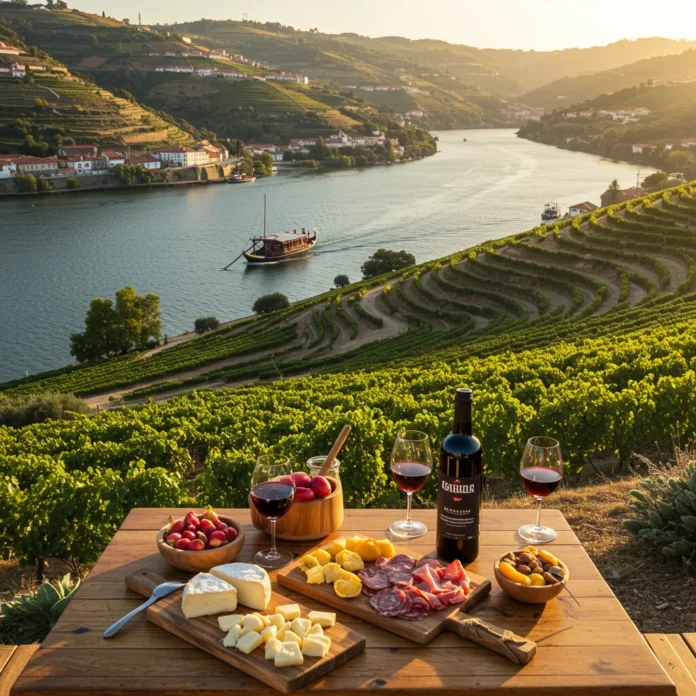

Introduction: Discovering Porto’s Douro Valley
The Douro Valley in northern Portugal is a destination that delights visitors with its rolling vineyards, dramatic river views, and world-renowned wines. Just a short journey from Porto, this UNESCO World Heritage region is famed for its scenic beauty and rich cultural heritage.
Whether you are a wine enthusiast, a lover of striking landscapes, or a foodie searching for authentic flavors, the Douro Valley presents a memorable escape. The combination of historic villages, terraced hillsides, and elegant river cruises offers something for every traveler.
Why Visit the Douro Valley?
What makes the Douro Valley a must-see destination for travelers to Portugal? The valley’s charm lies in its perfect harmony of natural beauty, exceptional wines, and warm hospitality. Each season offers a new perspective, from the lush greens of spring to the golden hues of autumn harvest.
In addition to the celebrated vineyards and river cruises, the region is dotted with quaint villages, historic landmarks, and restaurants serving both traditional and innovative cuisine. The atmosphere is peaceful yet vibrant, making it an ideal spot for relaxation and adventure.
Where Is the Douro Valley Located?
Many travelers wonder about the exact location of the Douro Valley. The region stretches along the Douro River in northern Portugal, beginning just east of Porto and extending toward the Spanish border. Its heart lies between Peso da Régua and Pinhão, where terraced vineyards line the hillsides.
This prime wine-growing territory is easily accessible yet feels worlds away from the bustle of city life. Its proximity to Porto makes it a popular destination for day trips and longer stays alike.
The History of Wine in the Douro Valley
The Douro Valley boasts one of the oldest regulated wine regions in the world. Wine production here dates back over two thousand years, with references to local vineyards found in Roman writings. The valley’s fame grew further in the 17th and 18th centuries when British merchants began exporting its fortified Port wine.
Today, the region’s history is visible in its ancient stone terraces, traditional wine estates (quintas), and time-honored winemaking techniques. This deep-rooted heritage continues to shape the valley’s identity and reputation.
How to Get to the Douro Valley from Porto?
Traveling to the Douro Valley from Porto is straightforward, with several convenient options. Many visitors opt for a scenic train ride from Porto’s São Bento or Campanhã stations to Peso da Régua or Pinhão. The journey hugs the Douro River and offers spectacular views.
Alternatively, you can drive or join organized tours, which allow for flexible stops at vineyards and viewpoints. For a unique approach, consider a river cruise from Porto, which combines transportation with sightseeing and wine tasting.
Best Time to Visit the Douro Valley
When is the ideal season to experience the Douro Valley? Spring (April to June) brings mild weather and lush green landscapes, while autumn (September to October) is harvest time, with golden vineyards and festive energy. Summer can be hot, but river breezes provide relief, and winter offers a quieter atmosphere.
Each season has its own appeal. Plan your trip based on your interests, whether you want to witness the grape harvest, enjoy outdoor activities, or simply relax in tranquil surroundings.
Exploring the Douro Valley: Top Experiences
The Douro Valley is packed with experiences for every type of traveler. From wine tastings at historic estates to leisurely river cruises and gourmet dining, the choices are endless.
- Guided visits to renowned wineries (quintas)
- Traditional rabelo boat cruises along the Douro River
- Sampling local cuisine at riverside restaurants
- Hiking through terraced vineyards
- Photography tours at sunrise or sunset viewpoints
What Makes Douro Valley Wines Unique?
Why are Douro Valley wines so highly regarded? The answer lies in the region’s distinct terroir. Steep granite and schist slopes, dramatic elevation changes, and the Douro River’s moderating influence create a perfect environment for grape growing.
The valley is home to over 80 grape varieties, with a focus on indigenous Portuguese grapes. This diversity leads to complex, characterful wines that are celebrated both locally and internationally.
A Guide to Douro Valley Wine Tours
Planning a wine tour in the Douro Valley can be a highlight of your trip. Tours range from half-day excursions to multi-day adventures, often including tastings, vineyard walks, and expert-led sessions on winemaking.
Many tours also offer the chance to pair local wines with traditional dishes, deepening your appreciation for the region’s flavors. If you’re interested in comparing wine tourism across Europe, you might enjoy reading about the Chianti region in Tuscany.
Which Wineries Should You Visit in the Douro Valley?
Selecting the right wineries to visit can be overwhelming, given the valley’s abundance of options. Some of the most renowned quintas include Quinta do Crasto, Quinta da Pacheca, and Quinta do Vallado. These estates offer guided tastings, cellar tours, and often stunning panoramic views.
Many smaller, family-run quintas provide a more intimate experience, where you can meet winemakers and learn about their craft firsthand.
Must-Try Wines of the Douro Valley
What wines should be at the top of your tasting list in the Douro Valley? In addition to the famous Port, the region produces excellent red blends (often called Douro DOC), crisp whites, and increasingly, sparkling wines.
- Vintage and Tawny Port
- Douro DOC red blends
- Fresh, mineral-driven white wines
- Late Bottled Vintage (LBV) Port
- Espumante (Portuguese sparkling wine)
Understanding Port Wine: The Valley’s Signature
Port wine is the Douro Valley’s most iconic export. This fortified wine is made by adding grape spirit to halt fermentation, resulting in a sweet, rich style that ages beautifully. Ports range from ruby and tawny to vintage and white, each offering unique flavors and textures.
Learning the differences between Port styles can add depth to your tastings. Many quintas provide guided sessions to help you appreciate the nuances of this celebrated wine.
Wine Tasting Etiquette: Tips for First-Timers
If you are new to wine tasting, a few simple guidelines will help you make the most of your experience in the Douro Valley. Approach each tasting with curiosity and respect for the winemakers’ craft.
- Start with lighter wines before moving to richer styles
- Use all your senses: observe color, swirl, sniff, and sip
- Ask questions about grape varieties and production methods
- Take notes on your favorites
- Drink water and enjoy snacks between tastings
How Are Douro Wines Produced?
The production of Douro wines is a blend of tradition and innovation. Grapes are often hand-harvested on steep terraces, then gently pressed—sometimes by foot in granite lagares. Fermentation and aging take place in a mix of stainless steel, concrete, and oak barrels.
Winemakers balance centuries-old practices with modern technology to craft wines that reflect the valley’s character. The result is a diverse range of styles that appeal to both casual drinkers and connoisseurs.
The Role of Quintas in Douro Wine Culture
Quintas are the heart of Douro Valley wine culture. These estates serve as both production centers and family homes, often passed down through generations. Visiting a quinta offers insight into the region’s traditions, from grape growing to winemaking and hospitality.
Many quintas open their doors to visitors, offering tours, tastings, and even overnight stays in beautifully restored guesthouses.
Scenic Cruises Along the Douro River
One of the most memorable ways to experience the Douro Valley is by taking a cruise along the river. The view from the water reveals terraced vineyards, historic villages, and lush forests as you glide past.
Cruises range from short, traditional rabelo boat trips to luxurious multi-day journeys. The gentle breeze, the sound of water against the hull, and the ever-changing light create a truly immersive experience.
What Types of Douro River Cruises Are Available?
With so many options, choosing the right Douro River cruise depends on your interests and schedule. Some cruises focus on wine, others on sightseeing or gastronomy. You can book activities and find tours through trusted platforms such as Viator.
Day Cruises vs. Multi-Day Cruises: Which Is Best?
Should you opt for a day trip or a longer cruise in the Douro Valley? Day cruises are perfect for visitors with limited time. They typically depart from Porto or Peso da Régua and include wine tastings and regional meals.
Multi-day cruises allow you to relax and fully appreciate the valley’s rhythms, with stops at various quintas, villages, and landmarks along the way. Both options provide stunning river views and comfortable onboard amenities.
Private vs. Group Cruises: What to Expect
Deciding between a private and group cruise depends on your preferences for intimacy and flexibility. Private cruises offer personalized service, custom itineraries, and privacy for families or small groups.
Group cruises are sociable and budget-friendly, with the chance to meet other travelers. Most cruises include guided commentary and opportunities for wine tasting and local cuisine.
Top Sights to See from a Douro River Cruise
Cruising the Douro River reveals a series of breathtaking sights. Watch for historic towns like Pinhão, the impressive bridges near Peso da Régua, and the dramatic terraced vineyards that define the landscape.
- Picturesque villages clinging to the hillsides
- Baroque churches and ancient monasteries
- Colorful rabelo boats docked along the riverbanks
- Vineyard estates with centuries-old architecture
Douro Valley’s Breathtaking Landscapes
The Douro Valley is celebrated for its dramatic natural scenery. The interplay of steep slopes, winding river, and patchwork vineyards creates a visual spectacle at every turn.
Sunrises bathe the valley in golden light, while evenings bring a calming hush over the hills. Each viewpoint offers a new perspective, perfect for photography and quiet reflection.
Best Viewpoints and Photo Spots in the Douro Valley
Where can you capture the most stunning photos in the Douro Valley? Several viewpoints stand out for their sweeping panoramas. The Miradouro de São Leonardo da Galafura offers an iconic view over the river and vineyards.
- Miradouro de Casal de Loivos
- São Salvador do Mundo viewpoint
- Miradouro de Santa Bárbara
- Terraces above Pinhão and Peso da Régua
Fine Dining in the Douro Valley: An Overview
The Douro Valley is not only a haven for wine lovers but also for culinary enthusiasts. A new generation of chefs is reinterpreting traditional flavors, while classic restaurants continue to serve hearty regional dishes.
Dining here often means enjoying sweeping river views, elegant dining rooms, and thoughtfully curated wine lists. The atmosphere is both refined and welcoming.
What Are the Best Restaurants in the Douro Valley?
Looking for the top restaurants in the Douro Valley? DOC by Chef Rui Paula in Folgosa is a standout, with a riverside setting and creative Portuguese cuisine. Castas e Pratos in Peso da Régua is popular for its contemporary dishes and extensive wine selection.
Many quintas also feature on-site restaurants, offering farm-to-table menus with ingredients sourced from local producers.
Traditional Douro Cuisine: What Should You Try?
Sampling traditional cuisine is an essential part of any Douro Valley visit. Local specialties highlight seasonal produce, river fish, and meats cooked over wood fires.
- Posta Mirandesa (grilled beef steak)
- Bacalhau à Brás (salt cod with eggs and potatoes)
- Feijoada (bean and meat stew)
- Alheira (smoked sausage)
- Queijo da Serra (mountain cheese)
Wine Pairing Tips for Douro Valley Dishes
Pairing Douro wines with local dishes enhances both food and wine. Rich reds complement grilled meats and stews, while crisp whites go well with fish and lighter fare.
For dessert, try a glass of Tawny or Vintage Port with cheese or chocolate-based treats. Local sommeliers are happy to guide you through the best combinations.
Michelin-Starred Dining Experiences in the Douro Valley
Seeking a Michelin-starred meal in the Douro Valley? Six Senses Douro Valley and DOC are two acclaimed restaurants where culinary creativity meets stunning surroundings. Menus feature seasonal, locally sourced ingredients paired with exceptional wines.
Reservations are recommended, especially during peak travel periods. These venues offer a memorable blend of fine dining and regional charm.
Farm-to-Table Experiences: Where to Find Them
For a genuine connection to the land, look for farm-to-table experiences in the valley. Many quintas and boutique hotels offer meals prepared with ingredients grown on-site or sourced from nearby farms.
These meals celebrate the valley’s bounty and offer a deeper appreciation for the region’s agricultural traditions.
Food and Wine Festivals in the Douro Valley
The Douro Valley hosts several lively food and wine festivals throughout the year. The Harvest Festival in September is a highlight, featuring grape picking, traditional music, and local cuisine.
Other events celebrate olive oil, cheese, and seasonal produce, providing a festive way to experience the region’s culinary culture.
Where to Stay in the Douro Valley?
Choosing the right accommodation enhances your Douro Valley experience. Options range from luxurious hotels and vineyard estates to charming guesthouses and budget-friendly stays.
Each type offers a different perspective on the valley’s landscape and culture, so consider your preferences for comfort, location, and amenities.
Best Luxury Hotels and Boutique Accommodations
For those seeking luxury, the valley offers several outstanding properties. Six Senses Douro Valley is renowned for its spa, gourmet dining, and river views. Quinta Nova Luxury Winery House combines historic charm with modern comforts.
Boutique hotels like Vintage House Hotel in Pinhão offer personalized service and elegant surroundings.
Unique Stays: Vineyard Hotels and Wine Estates
Staying at a vineyard hotel or wine estate (quinta) is a unique way to experience the Douro Valley. Many quintas offer guest rooms, wine tastings, and vineyard tours, allowing you to wake up surrounded by vines and river views.
This immersive experience is ideal for wine lovers and those seeking tranquility.
Budget-Friendly Accommodation Options
Traveling on a budget? The Douro Valley offers a variety of budget-friendly accommodations, from hostels and guesthouses to cozy B&Bs. Staying in Peso da Régua or Pinhão provides easy access to transportation and local attractions.
Many affordable options still offer comfort and a warm welcome, making them popular with solo travelers and families.
How to Plan Your Douro Valley Itinerary
Organizing your Douro Valley itinerary requires balancing wine tastings, sightseeing, and leisure. Consider your interests, travel style, and available time to create a memorable trip.
Booking tours and activities in advance, especially during peak seasons, helps avoid disappointment. You can also plan your trip and find tours through platforms like Viator.
Suggested 1-Day Douro Valley Itinerary
If you have just one day, focus on the highlights. Start with a morning train ride from Porto to Peso da Régua. Visit a top quinta for a guided tasting, then enjoy lunch at a riverside restaurant.
In the afternoon, take a short river cruise or visit a local viewpoint before returning to Porto in the evening.
Suggested 3-Day Douro Valley Itinerary
With three days, you can experience the valley at a relaxed pace. Day one: arrive and settle into your hotel, then enjoy dinner at a local restaurant. Day two: tour multiple quintas, join a cooking class, and explore Pinhão or Peso da Régua.
Day three: take a scenic hike or cycle ride, visit a museum or historic village, and savor a farewell meal with Douro wines.
Combining Wine, Cruises & Fine Dining: Sample Itineraries
For the ultimate Douro Valley experience, combine wine tastings, river cruises, and gourmet meals. Start with a morning cruise, followed by lunch at a Michelin-starred restaurant. Spend the afternoon at a quinta, then relax at your vineyard hotel.
Such itineraries offer a well-rounded introduction to the valley’s best flavors and sights.
Douro Valley for Families: Is It Kid-Friendly?
Is the Douro Valley suitable for family trips? Absolutely. Many quintas and hotels welcome children, offering family rooms, pools, and outdoor activities. River cruises and train rides are fun for all ages.
The region’s villages, scenic viewpoints, and gentle hiking trails make it easy to include children in your plans.
Active Adventures: Hiking, Cycling, and More
For those seeking active adventures, the Douro Valley offers excellent hiking and cycling routes. Trails wind through vineyards, forests, and along the river, with varying levels of difficulty.
Guided excursions are available, or you can set out on your own to enjoy the fresh air and panoramic views.
Cultural Highlights: Villages, Museums & Heritage Sites
The Douro Valley is rich in cultural attractions. Historic villages like Pinhão and Provesende feature traditional architecture and lively markets. Museums such as the Douro Museum in Peso da Régua provide insight into the valley’s wine heritage.
If you’re interested in more historic destinations in Portugal, consider reading about Braga and Guimarães for additional inspiration.
What to Pack for a Douro Valley Trip?
Packing for the Douro Valley depends on the season and your planned activities. Comfortable walking shoes, layers for changing temperatures, and sun protection are essentials.
- Lightweight clothing for spring and summer
- A jacket or sweater for cool evenings
- Water bottle and snacks for excursions
- Camera or smartphone for photos
- Small backpack for day trips
Sustainable Tourism in the Douro Valley
The Douro Valley is committed to sustainable tourism. Many quintas use organic farming practices and support local communities. Choosing eco-friendly accommodations and minimizing waste helps protect the valley’s natural beauty.
Travelers can contribute by respecting local customs, supporting small producers, and using public transport where possible.
Local Tips: How to Make the Most of Your Visit
Make your Douro Valley trip truly memorable with a few insider tips. Book winery visits in advance, especially during harvest. Try to visit at least one viewpoint at sunrise or sunset for the best photos.
Allow time to relax and savor the atmosphere, whether it’s over a leisurely meal or a quiet river cruise.
Common Mistakes to Avoid When Visiting the Douro Valley
Avoiding a few common mistakes can make your Douro Valley experience smoother. Don’t underestimate travel times between villages—roads are narrow and winding. Reserve accommodations and tours ahead, especially during peak seasons.
Bring cash for small purchases, as not all venues accept cards. And remember, drinking and driving is strictly prohibited—plan transport accordingly.
How to Book on Viator
Booking Douro Valley activities is simple with trusted platforms. Viator offers a wide selection of tours, cruises, and experiences tailored to your interests and schedule.
To book, visit the Viator website, search for “Douro Valley,” and filter by date, duration, and activity type. You can read reviews, compare prices, and secure your spot in advance for a worry-free trip.
Conclusion: Savoring the Best of Porto’s Douro Valley
The Douro Valley combines stunning landscapes, world-class wines, and unforgettable culinary experiences. Whether you cruise the river, dine at a Michelin-starred restaurant, or sip Port overlooking terraced hills, each moment in this region is a celebration of Portuguese heritage.
Start planning your Douro adventure with confidence, knowing you have all the details at your fingertips. For more inspiration and travel resources, visit Izase at izase.com and set the stage for your next unforgettable journey.
Frequently Asked Questions About the Douro Valley
Is the Douro Valley accessible by public transport? Yes, trains run regularly from Porto to Peso da Régua and Pinhão, with connections to other villages by bus or taxi.
Can I visit wineries without a tour? Many quintas welcome walk-in visitors, but booking ahead is highly recommended, especially during busy periods.
Are English-language tours available? Most major wineries and tour operators offer tours in English. It’s best to confirm when booking.
What is the legal drinking age in Portugal? The legal drinking age is 18. Many wineries request proof of age for tastings.
Are there options for non-drinkers or children? Absolutely. Scenic cruises, hiking, cycling, and cultural sites provide plenty of activities for all ages and interests.
Disclaimer: This information is accurate to the best of our knowledge; however, there may be changes or mistakes. Please verify exact details on the Viator booking page.