
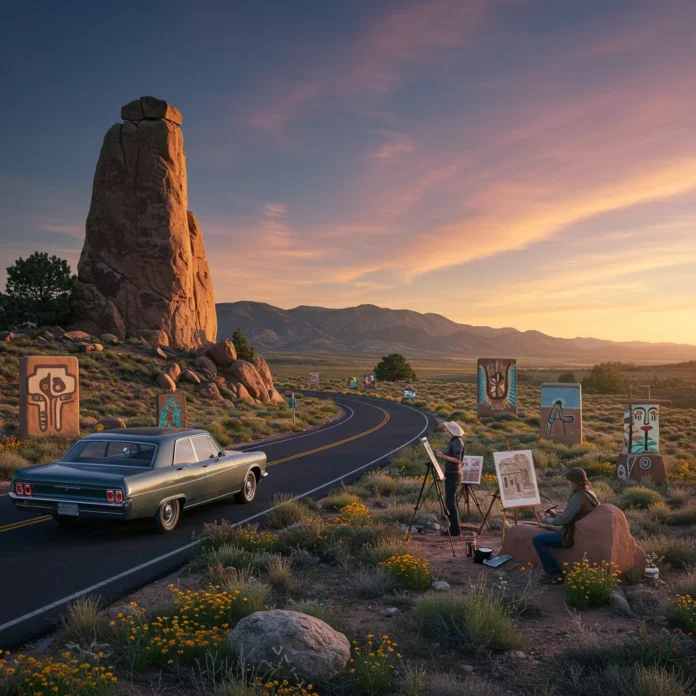

Introduction: Why Take a Road Trip from Albuquerque to Taos?
Few journeys combine vibrant culture and breathtaking landscapes as seamlessly as the road trip from Albuquerque to Taos. This route offers a rare synergy of artistic heritage and natural beauty, inviting travelers to experience New Mexico’s legendary skies, distinctive cuisine, and thriving creative communities. Whether we are seasoned road trippers or first-time explorers, this drive promises a tapestry of sensory delights, from adobe villages glowing in the sunlight to the scent of piñon pine drifting through the mountain air.
The journey is more than just a transfer between two destinations—it is a passage through history, creativity, and wilderness. Along the way, we encounter ancient traditions, contemporary art scenes, and geological wonders that make every mile memorable.
What Makes the Albuquerque to Taos Route Unique?
The Albuquerque to Taos route stands apart thanks to its blend of Indigenous, Spanish, and Anglo influences, evident in the architecture, cuisine, and local customs. The route traverses high desert plateaus, lush river valleys, and dramatic mountain passes, with each bend revealing a new facet of Northern New Mexico’s character.
Unlike many road trips that focus on a single theme, this journey offers an immersive encounter with both art and nature. We can stop to visit centuries-old churches, browse vibrant galleries, and gaze across sweeping canyons—all within a single day.
How Long Does the Drive from Albuquerque to Taos Take?
The direct drive from Albuquerque to Taos typically takes about 2.5 to 3 hours, covering roughly 135 miles. However, we recommend allowing extra time to savor the route’s many attractions. Depending on stops and chosen scenic routes, the trip can easily extend to a half-day or longer.
Travelers often find themselves pausing for roadside art studios, historic landmarks, and panoramic overlooks. The journey’s true richness lies not in its speed, but in the discoveries waiting along the way.
Best Time of Year for an Albuquerque to Taos Road Trip
Seasonal changes dramatically influence the atmosphere and experiences along this route. Autumn is particularly spectacular, with golden aspens lining the mountain roads and clear, crisp air perfect for outdoor exploration. Spring brings wildflowers and lively festivals, while summer offers warm days ideal for hiking and river activities.
Winter transforms Taos into a snowy wonderland, appealing to skiers and those seeking a cozy escape. Each season brings a different energy, so the best time depends on our interests—whether that’s art festivals, outdoor adventures, or simply soaking up the scenery.
Planning Your Road Trip: Key Considerations
Thoughtful planning enhances the experience of the Albuquerque to Taos road trip. We should consider our preferred pace, interests, and travel companions. Will we focus on art, nature, or a mix of both? Are we traveling as a family, with pets, or seeking a romantic getaway?
Advance reservations for accommodations and popular activities are recommended, especially during peak seasons. It’s also wise to check road conditions, as mountain weather can change quickly. For those interested in guided experiences, we can find tours and book activities to enrich our journey.
What to Pack for Your Art and Nature Adventure
Packing for this journey requires balancing comfort with preparedness for changing weather and spontaneous stops. We suggest bringing:
- Layered clothing for fluctuating temperatures
- Comfortable shoes for walking galleries and trails
- A camera or smartphone for capturing scenic vistas and art
- Reusable water bottles and snacks
- Sunscreen, hats, and sunglasses for high-altitude sun
- Notebooks or sketchpads for creative inspiration
Those planning to shop for local art may wish to bring protective packaging for delicate items. For more ideas on making the most of a creative road trip, our insights from the Insider Art Tour: Exclusive Street Art & Studio Visits post may inspire additional essentials.
Map Overview: Albuquerque to Taos Scenic Routes
Two famed routes connect Albuquerque and Taos: the High Road winds through mountain villages rich in culture, while the Low Road follows the Rio Grande, offering dramatic river and canyon views. A detailed map helps us visualize the journey and plan scenic detours or overnight stops.
Major waypoints include Española, Chimayo, and Truchas on the High Road, and Embudo and Pilar on the Low Road. Both routes promise a feast for the eyes and soul.
Choosing Your Route: High Road vs. Low Road to Taos
Choosing between the High Road and Low Road depends on our interests and desired pace. Each path offers its own set of highlights, from spiritual sanctuaries and artisan enclaves to riverside adventures and dramatic geology.
Which Route Should You Take: High Road or Low Road?
If we seek cultural immersion, historic landmarks, and local crafts, the High Road beckons. For those craving river views, outdoor activities, and quick access to Taos, the Low Road is ideal. Some travelers opt to drive one route north and return via the other, maximizing the experience.
Both routes offer numerous opportunities for memorable stops and photographs, making either choice rewarding.
High Road to Taos: An Artistic and Cultural Journey
The High Road to Taos is a meandering path through ancient villages, mission churches, and family-run studios. The aroma of roasting chiles lingers in the air, and adobe walls glow in the shifting light. This route is a pilgrimage for art lovers, history buffs, and anyone drawn to the creative heart of New Mexico.
Travelers can browse handwoven textiles, admire folk art, and meet artisans carrying on centuries-old traditions. The High Road’s tranquil ambiance encourages us to linger and connect with the region’s living heritage.
Low Road to Taos: Rivers, Cliffs, and Natural Wonders
In contrast, the Low Road hugs the Rio Grande, carving through rugged canyons and cottonwood groves. The rush of water and the calls of raptors create a thrilling soundtrack as we wind northward. This route is perfect for those who crave outdoor adventure and dramatic vistas.
Opportunities abound for kayaking, fishing, and riverside picnics. The landscape shifts rapidly, offering glimpses of volcanic cliffs, wildflower meadows, and distant peaks. For those who appreciate scenic drives, the Low Road rivals iconic routes such as the Hana Road Trip in terms of natural drama.
Must-See Stops Along the High Road
The High Road reveals a sequence of enchanting communities, each with its own artistic and historical treasures. We encourage travelers to pause frequently, as some of the most rewarding experiences lie just off the main road.
Chimayo: The Spiritual Heart of New Mexico
Chimayo is celebrated for its spiritual significance and artistic legacy. Nestled at the base of the Sangre de Cristo Mountains, the village welcomes visitors with a sense of peace and reverence.
Santuario de Chimayo: History and Pilgrimage
The Santuario de Chimayo is a renowned place of pilgrimage, drawing thousands each year who seek healing and inspiration. The sanctuary’s adobe walls, candlelit chapels, and sacred earth offer a contemplative atmosphere. We recommend arriving early to experience the site’s tranquility before the crowds.
Chimayo Weavers and Artisans
Chimayo is also home to generations of skilled weavers and artisans. Hand-loomed rugs, blankets, and tapestries fill local workshops, each piece reflecting a unique blend of tradition and innovation. The vivid colors and intricate patterns invite us to appreciate the artistry and labor behind each creation.
Cordova and Truchas: Hidden Artistic Villages
Continuing along the High Road, we find the villages of Cordova and Truchas. These quiet enclaves have long attracted artists seeking solitude and inspiration.
Local Art Galleries and Studios in Cordova
Cordova is famed for its woodcarvers, whose religious sculptures and folk art fill intimate galleries and studios. Visitors are often welcomed by the scent of fresh sawdust and the sight of artists at work. Exploring these creative spaces provides a glimpse into the enduring spirit of New Mexican craftsmanship.
Exploring Truchas Peaks and Surrounding Nature
The landscape around Truchas is defined by soaring peaks and open meadows. Hikers and photographers will find abundant inspiration in the shifting light and sweeping views. The village itself offers a peaceful respite, with charming adobe homes and occasional pop-up art shows.
Las Trampas: Preserving Spanish Colonial Heritage
Las Trampas preserves the legacy of early Spanish settlers, its streets lined with historic adobe structures and shaded by ancient cottonwoods.
San José de Gracia Church: A Historic Gem
The San José de Gracia Church is a masterpiece of Spanish Colonial architecture, renowned for its hand-carved altar and thick adobe walls. Stepping inside, we are transported by the scent of incense and the play of sunlight on centuries-old woodwork.
Scenic Overlooks and Photo Opportunities
The High Road is punctuated by scenic overlooks, each offering panoramic views of mountains, valleys, and distant mesas. These stops are ideal for photography, sketching, or simply pausing to appreciate the grandeur of the landscape. The interplay of light and shadow at different times of day creates endless opportunities for memorable images.
Must-See Stops Along the Low Road
The Low Road’s proximity to the Rio Grande makes it a haven for outdoor enthusiasts and those drawn to dramatic geology. Along the way, we encounter vibrant communities and hidden gems.
Embudo: The Gateway to the Rio Grande
Embudo is a small riverside village known for its creative spirit and connection to the land. The sound of flowing water and the scent of cottonwoods set the stage for relaxation and exploration.
Wine Tasting at Local Vineyards
The region around Embudo boasts several vineyards producing acclaimed wines. Tasting rooms offer a chance to sample local vintages and learn about the unique terroir of Northern New Mexico. We recommend pairing a glass of crisp white or robust red with a plate of regional cheese for the full experience.
Outdoor Activities: Kayaking and Fishing
The Rio Grande provides ample opportunities for kayaking, rafting, and fishing. Outfitters in Embudo can arrange rentals and guided trips, allowing us to experience the river’s power and serenity up close. The thrill of navigating rapids or casting a line against the backdrop of towering cliffs is unforgettable.
Pilar: Where River and Mountains Meet
At Pilar, the Rio Grande enters a dramatic canyon, flanked by rugged mountains and wildflower meadows. The area is a magnet for nature lovers and those seeking solitude.
Hiking Trails Near Pilar
Numerous hiking trails begin near Pilar, ranging from gentle riverside walks to challenging climbs. The sounds of songbirds and the scent of sagebrush accompany us as we explore hidden valleys and panoramic viewpoints.
Wildlife Watching Along the Rio Grande
The Rio Grande corridor supports a rich variety of wildlife, including bald eagles, herons, bighorn sheep, and mule deer. Early morning and dusk are the best times to spot animals, so we recommend bringing binoculars and moving quietly along the trails.
Cultural and Artistic Experiences in Taos
Arriving in Taos, we are greeted by a vibrant blend of history, artistry, and natural beauty. The town’s creative energy is palpable, from the adobe walls of Taos Pueblo to the contemporary galleries lining the plaza.
Taos Pueblo: Where History and Art Intertwine
Taos Pueblo is a UNESCO World Heritage Site and a living testament to centuries of Indigenous culture. The adobe buildings, some over a thousand years old, stand as a powerful symbol of resilience and creativity.
Guided Tours of Taos Pueblo
Guided tours offer insight into the history, customs, and daily life of the Taos people. Visitors are encouraged to listen respectfully, ask questions, and appreciate the profound connection between community, land, and art.
Native American Artisans and Crafts
Taos Pueblo artisans produce exquisite pottery, jewelry, and paintings. Many studios are open to visitors, providing an opportunity to meet creators and purchase authentic pieces. The tactile beauty of these works reflects the landscape and traditions of the region.
Downtown Taos: Art Galleries and Creative Spaces
Downtown Taos brims with art galleries, workshops, and creative spaces. We can wander from gallery to gallery, encountering everything from Southwestern landscapes to contemporary installations. The town’s artistic diversity rivals that of celebrated destinations such as San Miguel de Allende, as explored in our San Miguel de Allende walking tour feature.
Top Art Galleries to Visit in Taos
Notable galleries include the Harwood Museum of Art, the Taos Art Museum at Fechin House, and numerous independent spaces showcasing emerging local talent. Each gallery offers a unique perspective on the region’s creative pulse.
Meet Local Artists: Studio Tours and Workshops
Studio tours and hands-on workshops allow us to meet Taos artists, learn about their processes, and even create our own works. These experiences foster a deeper appreciation for the dedication and vision that define the Taos art scene.
Taos Art Colony: A Legacy of Creativity
The Taos Art Colony has drawn painters, writers, and musicians for more than a century. Its legacy is visible in the town’s lively cultural calendar and enduring commitment to the arts.
Influential Artists of Taos: Who Shaped the Scene?
Artists such as Georgia O’Keeffe, Ernest Blumenschein, and Mabel Dodge Luhan helped shape Taos into a creative epicenter. Their influence is felt in galleries, museums, and the enduring spirit of experimentation that pervades the town.
Events and Festivals Celebrating Art in Taos
Annual events such as the Taos Fall Arts Festival and studio tours celebrate the region’s creative energy. These gatherings offer a chance to meet artists, view new works, and engage with the community.
As experts often say:
“Art enables us to find ourselves and lose ourselves at the same time.” – Thomas Merton
Nature Encounters Near Taos
Beyond its artistic riches, Taos is surrounded by natural wonders that inspire awe and adventure. From deep gorges to snowy peaks, the area offers endless opportunities to connect with the land.
Rio Grande Gorge Bridge: A Must-See Landmark
The Rio Grande Gorge Bridge is one of New Mexico’s most iconic sights. Spanning a dizzying chasm, the bridge offers breathtaking views of the river far below and the mountains beyond. The wind here carries the scent of sage and the promise of adventure.
Best Spots for Photos and Sunsets
Sunset at the Gorge Bridge is a magical experience, as the sky ignites in hues of orange and violet. Designated overlooks and pedestrian walkways provide safe vantage points for photography and quiet reflection.
Hiking and Biking the Gorge Area
Trails along the gorge rim and into the canyon cater to hikers and bikers of all skill levels. The play of light on the basalt cliffs creates a moving spectacle throughout the day, reminiscent of the dramatic scenery described in our Sedona Sunset Secrets guide.
Taos Ski Valley: Year-Round Outdoor Adventure
Taos Ski Valley is a haven for outdoor enthusiasts, offering activities in every season. The crisp mountain air and scent of pine invigorate the senses, whether we are gliding over snow or trekking through wildflower meadows.
Winter Sports: Skiing and Snowboarding
In winter, skiers and snowboarders flock to Taos Ski Valley for its challenging slopes and powdery snow. Lessons and rentals are available for all ages and abilities, making it accessible to families and newcomers alike.
Summer Activities: Hiking and Mountain Biking
When the snow melts, the valley transforms into a paradise for hikers, mountain bikers, and nature lovers. Trails wind through alpine forests, past waterfalls, and up to panoramic viewpoints. The sense of accomplishment at the summit is matched only by the beauty of the journey itself.
Earthships: Sustainable Living Meets Art
Just outside Taos, the Earthship community showcases innovative approaches to sustainable living. These striking homes, built from recycled materials and powered by renewable energy, blur the line between architecture and art.
What Is an Earthship?
An Earthship is a passive solar home made of natural and upcycled materials, designed to operate off-grid. The structures are as visually compelling as they are environmentally responsible, featuring curving walls, colorful glass, and lush indoor gardens.
Visiting the Earthship Community
Guided tours of the Earthship community offer insight into sustainable design and the creative minds behind these unique dwellings. The experience is both inspiring and practical, appealing to those interested in art, ecology, or alternative lifestyles.
Where to Eat: Culinary Stops Along the Way
Food is an integral part of the Albuquerque to Taos experience, with each region offering its own flavors and specialties.
Best Restaurants in Albuquerque for a Road Trip Start
Before setting out, we recommend sampling Albuquerque’s renowned New Mexican cuisine. Breakfast burritos, green chile stew, and fresh sopapillas provide fuel for the journey ahead. Local favorites such as Frontier Restaurant and El Pinto offer hearty fare in welcoming settings.
Local Eateries and Cafés on the High Road
Along the High Road, family-run cafés and roadside stands serve up traditional dishes, homemade pastries, and locally roasted coffee. Don’t miss the chance to try red chile enchiladas or a slice of homemade pie in a cozy village eatery.
Must-Try Foods in Taos
Taos’ culinary scene reflects its multicultural heritage. We can savor blue corn pancakes, carne adovada, and inventive vegetarian options. The town’s farmer’s market and food trucks offer quick, delicious bites, while upscale bistros provide creative twists on regional classics.
Where to Stay: Accommodation Options
Choosing the right place to stay enhances our experience of the Albuquerque to Taos journey. Options range from historic inns to rustic campsites, each offering a unique perspective on the region.
Unique Lodging Experiences in Taos
Taos abounds with unique accommodations, from adobe casitas to artist-run guesthouses. Many lodgings feature original artwork, fireplaces, and gardens designed for relaxation and inspiration.
Charming Inns and B&Bs Along the High Road
Along the High Road, we can find charming bed-and-breakfasts nestled in historic buildings. Warm hospitality, homemade breakfasts, and local art collections add to the allure of these stays.
Camping and Outdoor Stays Near the Rio Grande
For those who prefer the outdoors, campgrounds and riverside cabins near the Rio Grande offer a peaceful retreat. Falling asleep to the sound of flowing water and waking to birdsong is a memorable way to connect with the landscape.
Road Trip Itinerary Suggestions: 1, 2, and 3-Day Plans
Tailoring our itinerary to the time available allows us to experience the best of the Albuquerque to Taos journey. Here are sample plans for different trip lengths.
Sample 1-Day Itinerary: Quick Highlights
For a single day, we recommend:
- Morning: Depart Albuquerque, take the High Road, stop in Chimayo for a brief visit to the Santuario
- Midday: Lunch in Truchas, quick gallery visit
- Afternoon: Arrive in Taos, stroll downtown, visit a gallery or two
- Evening: Sunset at the Rio Grande Gorge Bridge
Sample 2-Day Itinerary: Art and Nature Immersion
With two days, we can:
- Day 1: Explore Chimayo, Cordova, and Las Trampas; overnight in a High Road inn
- Day 2: Arrive in Taos, tour Taos Pueblo, hike the Gorge area, and enjoy a local dinner
This pace allows for deeper engagement with both artistic and natural attractions, similar in spirit to the immersive journeys highlighted in our Big Island Wonders feature.
Sample 3-Day Itinerary: Full Exploration
For a comprehensive experience:
- Day 1: High Road villages, art studios, overnight in Truchas or Chimayo
- Day 2: Arrive in Taos, visit museums, Taos Pueblo, and downtown galleries
- Day 3: Low Road return, with stops in Embudo and Pilar for outdoor activities
This itinerary maximizes opportunities for art, culture, and nature at a relaxed pace.
Tips for Making the Most of Your Road Trip
Preparation and curiosity are key to a rewarding Albuquerque to Taos road trip. Here are some expert tips for an unforgettable journey.
How to Find the Best Local Art and Nature Experiences
We recommend seeking out local galleries, artisan workshops, and farmers’ markets for authentic encounters. Engaging with residents and asking for recommendations often leads to memorable discoveries. Consider joining a guided tour to access private studios or hidden natural spots.
Safety and Travel Tips for New Mexico Roads
Mountain and canyon roads can be winding and remote. We should drive cautiously, especially in inclement weather or at night. Carrying extra water, a spare tire, and a paper map is wise, as cell coverage may be limited in some areas.
Packing Essentials for All Seasons
Given the region’s variable climate, packing for all conditions is essential. In addition to layered clothing, consider bringing rain gear in summer and warm accessories in winter. A compact first aid kit and portable charger can also be invaluable.
Frequently Asked Questions About the Albuquerque to Taos Road Trip
We have gathered answers to some common questions to help travelers plan with confidence.
Is the Albuquerque to Taos Road Trip Family-Friendly?
Absolutely. The journey offers activities for all ages, from interactive museums and gentle hikes to wildlife viewing and art workshops. Many stops are stroller- and wheelchair-accessible, though some historic sites may have uneven terrain.
Can You Do the Trip Without a Car?
While a personal vehicle provides the most flexibility, shuttle services and guided tours are available. These options can be booked in advance, allowing us to plan your trip even without driving yourself.
Are Pets Allowed at Major Stops?
Many outdoor attractions and some accommodations welcome pets, but it is important to check policies in advance. Taos Pueblo and certain galleries may restrict animal access, so we recommend researching each stop before bringing furry companions.
How to Book on Viator
Booking activities, guided tours, and unique experiences along the Albuquerque to Taos route is simple with Viator. This platform allows travelers to reserve everything from art workshops and historical tours to outdoor adventures in advance, ensuring a seamless trip.
To begin, visit Viator, browse available options, and select the activities that fit your interests and schedule. Viator’s user-friendly interface and verified reviews make it easy to find reputable guides and memorable excursions for every type of traveler.
Conclusion: Creating Lasting Memories Where Art Meets Nature
The road trip from Albuquerque to Taos offers an unparalleled blend of artistic discovery and natural splendor. Each mile introduces us to new perspectives, flavors, and friendships, all set against the backdrop of New Mexico’s legendary landscape. By traveling thoughtfully and engaging deeply, we return home with memories and insights that linger long after the journey ends.
For more travel inspiration, tips, and curated guides, we invite you to explore Izase at https://izase.com. Let your next adventure begin where creativity meets the open road.
Disclaimer: This information is accurate to the best of our knowledge; however, there may be changes or mistakes. Please verify exact details on the Viator booking page.