
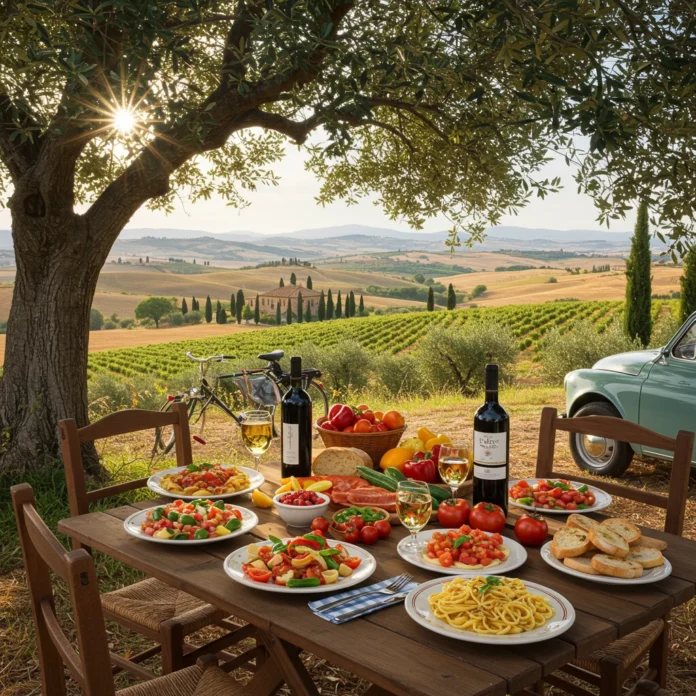

Introduction: Embarking on a Rome to Tuscany Food & Wine Adventure
Setting out from Rome to the rolling hills of Tuscany is a journey that tantalizes the senses. Imagine the aroma of freshly baked bread, sun-warmed vineyards stretching to the horizon, and the clink of glasses filled with world-renowned wine. Each stop along the way offers a new flavor, a new view, and a deeper appreciation for Italy’s culinary heartland.
This guide will help you plan an unforgettable food and wine tour between these two Italian icons. From essential planning tips to the best hidden gems, you’ll find everything you need for a memorable adventure through the scenic countryside.
Why Explore Tuscany from Rome?
Many travelers start their Italian adventure in Rome, but the journey north into Tuscany opens up a world of rustic charm and culinary excellence. The contrast between Rome’s ancient grandeur and Tuscany’s tranquil landscapes is striking. You’ll trade bustling city streets for cypress-lined roads and vineyard-draped hills.
Traveling from Rome to Tuscany lets you experience the transition from Lazio’s hearty cuisine to the lighter, earthy flavors of Tuscany. The route is dotted with medieval towns, each with its own history and culinary traditions, making the journey as rewarding as the destination.
How to Plan Your Rome to Tuscany Countryside Tour
Proper planning ensures you get the most from your trip, especially when food and wine are the highlights. Start by deciding on your travel dates and preferred mode of transportation. Consider how many stops you want to make along the way, as each village and vineyard offers its own unique experience.
It’s wise to research local festivals, market days, and seasonal specialties. Book accommodations and key experiences in advance, especially during peak months. If you’re interested in hands-on activities, such as pasta-making or wine blending, look for tours that offer these immersive opportunities.
What’s the Best Time of Year to Visit Tuscany for Food & Wine?
The timing of your trip can greatly influence your experience. Spring brings vibrant wildflowers and the first taste of fresh produce, while summer offers long, golden evenings perfect for outdoor dining. Autumn is a favorite for food and wine lovers, with grape and olive harvests, truffle hunts, and food festivals filling the calendar.
Winter is quieter, but you’ll find cozy trattorias serving hearty dishes and fewer crowds at wineries. Each season has its own charm, so consider what culinary experiences matter most to you when choosing your travel dates.
Rome to Tuscany: Transportation Options Explained
Getting from Rome to Tuscany can be as simple or as adventurous as you wish. Your choice of transport will shape your itinerary, flexibility, and the sights you can enjoy along the way. Options range from self-driving to guided tours, trains, and even cycling routes for the truly adventurous.
Each method has its advantages, whether you crave the freedom of the open road or the convenience of a curated experience.
Should You Self-Drive or Book a Guided Tour?
Driving yourself gives you the freedom to stop wherever the scenery or a roadside trattoria calls your name. You can linger in hilltop villages, take scenic detours, and set your own pace. However, navigating winding country roads and parking in small towns can be challenging, especially for first-timers.
Guided tours, on the other hand, provide a stress-free experience with knowledgeable guides who handle logistics and share local insights. These tours often include exclusive tastings and behind-the-scenes access at wineries and farms. If you value convenience and local expertise, booking a guided experience might be your best choice.
Recommended Scenic Routes from Rome to Tuscany
Several picturesque routes connect Rome to Tuscany. The most popular is the A1 Autostrada, which takes you through the heart of the countryside. For those seeking a slower pace, consider the Via Cassia, an ancient Roman road winding through volcanic landscapes and charming towns.
Another option is the route through Orvieto and Montepulciano, which lets you savor both the views and the flavors of central Italy. Whichever path you pick, you’ll be treated to sweeping vistas, sunflower fields, and centuries-old villages perched atop rolling hills.
Top Stops Along the Way: Hidden Gems Between Rome and Tuscany
The journey from Rome to Tuscany is dotted with lesser-known treasures. These stops not only break up the drive but also introduce you to unique regional flavors and history. Each town has its own character and culinary specialties, making your road trip even richer.
Take time to stroll cobblestone streets, sample local delicacies, and soak in panoramic views before continuing north.
Orvieto: Medieval Charm & Culinary Delights
Orvieto sits dramatically atop a volcanic plateau, offering breathtaking views in every direction. The town’s winding streets lead to cozy wine bars, bustling markets, and the stunning Duomo. Orvieto is famous for its crisp white wines and hearty dishes like wild boar ragù.
Don’t miss the chance to sample local olive oil and pecorino cheese. The lively atmosphere of the markets and the aroma of wood-fired cuisine make Orvieto a highlight on your route north.
Civita di Bagnoregio: The Dying Town’s Unique Flavors
Known as the “Dying Town” due to its fragile cliffside position, Civita di Bagnoregio is a feast for the senses. Reachable only by footbridge, the town rewards visitors with quiet piazzas and rustic trattorias serving ancient recipes.
Here, you can try savory lentil soups, handmade pasta, and regional wines in a hauntingly beautiful setting. The tranquility and authenticity of Civita make it a truly memorable stop.
Montepulciano: Wine, Cheese & Renaissance Streets
The hilltop town of Montepulciano is synonymous with fine wine and Renaissance architecture. Its narrow streets are lined with enotecas offering tastings of Vino Nobile di Montepulciano, paired with local pecorino and cured meats.
Take time to admire the town’s ancient palaces and panoramic terraces. This is also a perfect place to learn about the art of pairing wine with cheese, a skill you’ll appreciate throughout your Tuscan journey.
Val d’Orcia: Rolling Hills and Iconic Views
Val d’Orcia is the landscape you picture when you think of Tuscany: golden fields, cypress trees, and medieval castles. This UNESCO-listed valley is dotted with picturesque towns such as Pienza and Montalcino, each with its own culinary specialties.
Enjoy the scent of fresh bread wafting from bakeries, taste local honey and truffles, and savor the peaceful silence of the countryside. The views alone are worth the detour, especially at sunrise or sunset.
Essential Packing List for a Food & Wine Road Trip
Preparing for a food and wine adventure means packing for comfort, convenience, and those unforgettable moments. The right gear ensures you can focus on savoring every bite and sip, without worrying about the little things.
- Comfortable walking shoes for cobblestone streets and vineyard tours
- Reusable water bottle to stay hydrated between tastings
- Light layers and a rain jacket for changing weather
- Notebook or food journal to record your favorite flavors and wines
- Travel-sized picnic kit for impromptu snacks amidst the hills
- Adapter and charger for your camera or phone
- Daypack for market finds and wine purchases
With these essentials, you’ll be ready to enjoy every moment, from bustling markets to serene vineyard picnics.
Tuscany’s Culinary Heritage: What Makes It Unique?
Tuscany is famous for its simple, rustic approach to food. Local ingredients take center stage, and recipes are passed down through generations. The cuisine reflects the region’s agricultural traditions, with an emphasis on quality over complexity.
Every meal is an opportunity to connect with the land and its people. The flavors are bold yet balanced, letting each ingredient shine.
Traditional Tuscan Dishes You Must Try
No visit to Tuscany is complete without sampling its signature dishes. Each recipe tells a story, drawing on centuries of tradition and the bounty of the region’s fields and forests.
- Bistecca alla Fiorentina: A thick, juicy T-bone steak grilled over an open flame
- Pappa al Pomodoro: Tomato and bread soup with fragrant basil
- Ribollita: Hearty vegetable and bean soup, perfect for cooler days
- Crostini di fegatini: Toasted bread with rich chicken liver pâté
Be sure to ask locals for their favorite trattoria and let the daily specials guide your choices.
What Are the Best Local Ingredients in Tuscany?
Fresh, seasonal ingredients are the secret to Tuscany’s unforgettable cuisine. The region is known for its fragrant olive oil, robust wines, and earthy truffles. Locally grown vegetables, such as cavolo nero (black cabbage), tomatoes, and beans, feature in many classic dishes.
Artisanal breads, wild herbs, and cured meats add depth and character to every meal. It’s this dedication to quality and seasonality that sets Tuscan food apart.
Understanding Tuscan Olive Oil: Liquid Gold
Tuscan olive oil is prized for its fruity aroma, peppery finish, and luminous green color. The region’s climate and centuries-old groves produce oil that’s both robust and nuanced, perfect for drizzling over bread or salads.
If you visit during the autumn harvest, you can taste the freshest oil right from the press. Many local producers offer tours and tastings, letting you appreciate the craftsmanship behind each bottle.
Exploring Tuscan Cheese: From Pecorino to Ricotta
Pecorino Toscano is the star of the region’s cheese board. Its nutty, slightly tangy flavor pairs beautifully with honey, walnuts, and a glass of red wine. You’ll also find creamy ricotta, often enjoyed with fresh figs or drizzled with olive oil.
Many small farms welcome visitors for tastings and tours, offering a chance to learn how these cheeses are made and aged. Don’t miss the chance to sample cheese at its source, where the flavors are at their freshest.
Truffle Hunting in Tuscany: A Unique Gourmet Experience
The forests of Tuscany are home to prized white and black truffles. Truffle hunting with local experts and their dogs is an unforgettable adventure, combining fresh air, anticipation, and the thrill of discovery.
After the hunt, enjoy a truffle-themed meal featuring pasta, eggs, or risotto topped with aromatic shavings. This hands-on experience connects you with Tuscany’s wild side and its gourmet traditions.
Tuscany’s World-Famous Wines: An Overview
Tuscany is synonymous with legendary wines that have earned a place on tables around the world. The region’s rolling hills, sun-drenched vineyards, and centuries of winemaking expertise create the perfect conditions for bold reds and crisp whites.
Each wine tells a story of terroir, tradition, and innovation. Whether you’re a casual sipper or a seasoned connoisseur, Tuscany offers a glass for every palate.
Chianti: The Heart of Tuscan Wine Country
Chianti is perhaps the most famous wine region in Tuscany, known for its ruby-red Sangiovese-based wines. The area is dotted with historic estates and family-run wineries, many of which welcome visitors for tastings and tours.
If you want a unique way to experience Chianti, consider seeing the vineyards by scooter—our Chianti by Vespa guide covers everything you need to know for a scenic and delicious adventure.
What Makes Brunello di Montalcino So Special?
Brunello di Montalcino is a robust, age-worthy wine produced from 100% Sangiovese grapes near the town of Montalcino. These wines are known for their complex aromas, deep color, and ability to develop beautifully over decades.
Visiting local wineries allows you to taste these celebrated vintages alongside the winemakers who craft them, gaining insight into their unique production methods and aging processes.
Vino Nobile di Montepulciano: A Noble Sip
Vino Nobile di Montepulciano is another Tuscan classic, produced in the hills surrounding Montepulciano. This wine is smooth, aromatic, and pairs perfectly with regional dishes like pici pasta and pecorino cheese.
Many wineries offer cellar tours and tastings, where you can sample different vintages and learn about the history of this noble wine.
Super Tuscans: Modern Innovation in Wine
Super Tuscans are modern blends that break from traditional DOC regulations, often combining Sangiovese with international grapes like Cabernet Sauvignon and Merlot. These bold, expressive wines have earned international acclaim and represent the innovative spirit of Tuscan winemaking.
Sampling Super Tuscans at their source is a treat for wine lovers seeking something new and exciting.
How to Visit Vineyards and Wineries in Tuscany
Visiting Tuscany’s wineries is a highlight of any food and wine tour. Many estates offer guided tastings, vineyard walks, and even cooking classes. It’s best to book visits in advance, especially during peak seasons, to ensure a personalized experience.
Spend time chatting with winemakers, strolling through the vines, and savoring each glass with local bites. Every visit offers a deeper connection to the region’s traditions and flavors.
Best Wine Tours from Florence and Siena
Florence and Siena are ideal starting points for a day or multi-day wine tour. Many operators offer small-group experiences that take you to renowned estates and hidden gems. These tours often include transportation, tastings, and the expertise of local guides.
For a tailored experience in Siena, consider a private Siena tour that combines wine, history, and authentic Tuscan charm.
What to Expect During a Tuscan Wine Tasting
Tuscan wine tastings are relaxed, educational, and full of flavor. You’ll typically sample several wines, each paired with local cheeses, cured meats, or breads. Knowledgeable hosts explain the characteristics of each pour and answer any questions.
Take your time to appreciate the color, aroma, and taste of each wine. It’s common to end with a sweet Vin Santo and cantucci biscuits—a delicious local tradition.
Tips for Buying and Shipping Wine Home
Many wineries offer international shipping, allowing you to enjoy your favorite bottles long after your trip ends. Ask about shipping options and any regulations for your home country. If you plan to carry bottles home, pack them securely and check airline restrictions.
Save labels or take photos of your favorite wines for easy reference. Some estates even offer custom labeling, making your purchase a memorable souvenir.
Top Food Experiences in Florence
Florence is a city of art, history, and unforgettable flavors. Its vibrant food scene ranges from bustling markets to elegant restaurants, each offering a taste of Tuscan tradition. Whether you’re seeking a perfectly grilled steak or a hands-on cooking class, Florence has something for every food lover.
Plan ahead to make the most of your culinary adventures in this Renaissance city.
Where to Find the Best Florentine Steak
Bistecca alla Fiorentina is Florence’s most iconic dish—a massive T-bone steak cooked rare and served with just a sprinkle of salt. The best places to try it are traditional trattorias that source meat from local farms.
Ask for recommendations from locals or your hotel, as some of the most authentic spots are tucked away on quiet side streets. Pair your steak with a glass of Chianti for the ultimate Florentine experience.
Florence’s Best Food Markets
The city’s bustling markets offer a feast for the senses. Mercato Centrale is a must-visit, with stalls selling fresh produce, cheeses, cured meats, and street food. The aromas of truffles, aged balsamic, and just-baked schiacciata fill the air.
Markets are the perfect place to sample local specialties and pick up picnic supplies for a day in the countryside.
Cooking Classes in Florence: Learn to Cook Like a Local
Joining a cooking class is one of the best ways to connect with Tuscan culture. Many classes start with a market visit, where you’ll select ingredients before heading to the kitchen. Under the guidance of local chefs, you’ll prepare classic dishes like handmade pasta, rustic sauces, and tiramisu.
These experiences are fun, hands-on, and delicious. You’ll leave with new skills and recipes to share back home. For more inspiration on culinary classes, check our Frascati foodie tour for a taste of Roman countryside cooking.
Exploring Siena’s Cuisine and Wine Scene
Siena is another jewel of Tuscany, celebrated for its medieval streets and rich food traditions. The city’s cuisine is hearty and flavorful, with an emphasis on seasonal ingredients and time-honored recipes. Siena’s wine bars and cozy trattorias invite you to linger over every meal.
Here’s what to savor during your visit to this enchanting city.
What to Eat in Siena: Local Specialties
Siena’s cuisine features robust flavors and simple preparations. Pici all’aglione (thick hand-rolled pasta with garlic tomato sauce) and cinta senese pork are local favorites. Don’t miss panforte, a dense, spicy cake enjoyed during holidays.
Ask for the daily specials, which often highlight what’s freshest at the market.
Best Siena Restaurants for Authentic Tuscan Meals
Siena is full of traditional osterias and trattorias, where meals are relaxed and generous. Look for places that use local, seasonal ingredients and offer a warm, welcoming atmosphere.
For a memorable meal, book a table at a family-run spot just off the beaten path. The flavors are authentic, and the hospitality is second to none.
Wine Bars and Enotecas in Siena
Siena’s enotecas are perfect for sampling local wines by the glass. Knowledgeable staff can guide you through tastings of Chianti, Brunello, and Super Tuscans, often paired with small plates of cheese and salumi.
Many wine bars have cozy interiors and outdoor seating, making them ideal for a relaxed afternoon or evening. For a deeper dive into Siena’s history and flavors, consider a private guided tour through the city’s medieval heart.
Discovering the Flavors of the Tuscan Countryside
The Tuscan countryside offers a slower pace and a direct connection to the land. Here, meals are often shared at long communal tables, with ingredients sourced just steps from the kitchen. Farm stays and rural trattorias provide an authentic taste of local life.
Savoring a meal in the open air, with views of vineyards and olive groves, is a highlight of any trip to Tuscany.
Farm-to-Table Dining in Tuscany: What to Expect
Many restaurants and agriturismi embrace the farm-to-table philosophy, serving dishes made from produce grown on-site or sourced from nearby farms. Menus change with the seasons, reflecting the rhythms of rural life.
Expect simple, flavorful preparations that highlight the quality of each ingredient. Dining is relaxed, with plenty of time to enjoy the scenery and company.
Agriturismo Stays: Immerse Yourself in Rural Life
Staying at an agriturismo (working farm) is a unique way to experience Tuscany’s countryside. Guests often help with harvests, learn traditional recipes, and enjoy meals made from farm-fresh ingredients.
These stays offer a window into rural traditions, with opportunities for cooking classes, wine tastings, and truffle hunts right outside your door.
Local Festivals and Food Events in Tuscany
Tuscany comes alive with food and wine festivals throughout the year. These events celebrate the region’s agricultural heritage and bring communities together over shared meals and local products.
Plan your trip around a festival for an extra dose of flavor and festivity.
Wine Harvest Festivals: When and Where to Go
Harvest festivals, or feste della vendemmia, take place each autumn in villages across Tuscany. These lively events feature grape-stomping, tastings, parades, and music. The atmosphere is joyful, and visitors are welcomed as part of the community.
Montalcino, Chianti, and Montepulciano are especially known for their vibrant harvest celebrations.
Truffle Festivals: A Foodie’s Autumn Dream
Truffle lovers flock to Tuscany’s towns in the fall for festivals dedicated to these prized fungi. San Miniato and San Giovanni d’Asso host some of the most famous events, where you can sample truffle-laced dishes and join guided hunts.
The earthy aroma of fresh truffles fills the air, and local chefs showcase creative ways to use them in both classic and modern recipes.
Olive Oil Celebrations: Tasting the New Press
November brings olive oil festivals to many Tuscan villages. Visitors can taste the season’s first pressings, often drizzled over toasted bread (bruschetta) or paired with local cheeses. Producers share their knowledge and offer tours of their groves and mills.
These festivals are a great opportunity to learn about the importance of olive oil in Tuscan cuisine and pick up a bottle of “liquid gold” to take home.
Vegetarian and Vegan Food Options in Tuscany
Tuscany’s emphasis on fresh vegetables, legumes, and grains makes it a welcoming destination for vegetarians and vegans. Many traditional dishes, such as ribollita and pappa al pomodoro, are naturally plant-based.
Restaurants are increasingly offering creative vegetarian and vegan options, using seasonal produce and local olive oil for maximum flavor. Be sure to communicate your dietary preferences when booking meals or tours.
Gluten-Free and Dietary Needs: How to Eat Well in Tuscany
Gluten-free travelers will find plenty of options in Tuscany, from polenta and risotto to gluten-free pasta available at many restaurants. Italian chefs are accustomed to accommodating dietary needs, so don’t hesitate to ask for alternatives.
If you have specific allergies or requirements, it’s helpful to carry an Italian translation card. Markets and grocery stores also offer a range of specialty products to suit various diets.
Sustainable and Slow Food: Tuscany’s Green Revolution
Tuscany has embraced the principles of the Slow Food movement, which champions local, sustainable, and ethically produced ingredients. Many farmers, chefs, and producers work together to preserve traditional methods and protect the environment.
Choosing sustainable options not only supports the community but also ensures you’re enjoying the freshest, most authentic flavors.
How to Support Local Producers and Artisans
One of the best ways to support Tuscany’s food culture is by buying directly from small producers, visiting markets, and choosing restaurants that highlight local ingredients. Look for products with official quality labels, such as DOP (Protected Designation of Origin) or IGP (Protected Geographical Indication).
Participating in farm tours, tastings, and cooking classes also helps sustain rural economies and keeps culinary traditions alive. For a taste of sustainable food culture in Rome, consider joining a local food and wine walking tour in the city’s historic neighborhoods.
Capturing the Scenic Beauty: Best Photo Spots in Tuscany
Tuscany is a photographer’s dream, with its golden fields, cypress-lined roads, and hilltop villages bathed in soft light. Whether you’re using a smartphone or a professional camera, you’ll find endless opportunities for stunning shots.
From sunrise over Val d’Orcia to the medieval towers of San Gimignano, every corner of Tuscany offers a memorable view.
Tips for Photographing Tuscan Landscapes and Vineyards
To capture Tuscany’s unique light and colors, plan your shoots for early morning or late afternoon when the sun is low. Look for leading lines, such as winding roads or rows of vines, to add depth to your photos.
Experiment with different angles and focal lengths. Don’t forget to include details like rustic doors, market produce, or a glass of wine in the foreground for added atmosphere.
What Are the Most Scenic Drives in Tuscany?
Some of the best photo opportunities are found along Tuscany’s scenic drives. The route from Florence to Siena via the Chiantigiana road (SR222) is especially picturesque, passing through vineyards, olive groves, and medieval villages.
The drive through Val d’Orcia offers sweeping vistas and countless spots to pull over for photos. Take your time and let the landscape guide your lens.
Suggested Itineraries: 3, 5, and 7-Day Rome to Tuscany Food & Wine Tours
Whether you have a long weekend or a full week to spare, there’s an itinerary to suit your appetite for food, wine, and countryside views. These sample routes balance iconic sights with off-the-beaten-path discoveries.
Adjust the pace and stops to match your interests, from leisurely tastings to immersive cooking classes.
3-Day Express Tour: Rome, Montepulciano, Siena
Day 1: Depart from Rome, stopping in Orvieto for lunch and a stroll. Continue to Montepulciano for afternoon wine tastings and an overnight stay.
Day 2: Head to Siena, exploring its medieval streets and sampling local specialties. Spend the night in Siena, enjoying a relaxed dinner in the old town.
Day 3: Visit a nearby winery or farm before returning to Rome, stopping in a scenic village for a farewell meal.
5-Day Immersive Food & Wine Journey
Day 1: Rome to Civita di Bagnoregio and Montepulciano, with tastings and a night in the countryside.
Day 2: Explore Val d’Orcia, visiting Pienza and Montalcino for cheese and Brunello tastings.
Day 3: Florence—market tour, cooking class, and dinner in the city center.
Day 4: Chianti wine tour, with stops at historic estates and a Vespa ride through the vineyards.
Day 5: Siena, with a focus on local cuisine and a leisurely lunch before heading back to Rome.
7-Day In-Depth Culinary and Countryside Experience
Day 1: Rome to Orvieto and Montepulciano, with wine and cheese tastings.
Day 2: Val d’Orcia, exploring villages and farm-to-table dining.
Day 3: Montalcino and truffle hunting experience.
Day 4: Florence—food markets, cooking class, and art stroll.
Day 5: Chianti region, with wine tastings and a countryside picnic.
Day 6: Siena, including a guided food and wine tour.
Day 7: Leisurely return to Rome, stopping at a final scenic spot for photos and a farewell meal.
Budget Tips: How to Enjoy Tuscany’s Food & Wine Without Breaking the Bank
Traveling through Tuscany doesn’t have to be expensive. With a bit of planning, you can savor local flavors and experiences without overspending. Choose family-run trattorias, picnic in the countryside, and prioritize free or low-cost activities like market visits and scenic walks.
- Travel off-season for better deals on accommodations and tours
- Book tastings and activities directly with producers for lower prices
- Share meals and tastings with friends to sample more for less
- Use public transport or carpool to save on travel costs
With these strategies, you’ll enjoy a rich culinary adventure while keeping your budget in check.
Family-Friendly Food & Wine Activities in Tuscany
Tuscany welcomes families with open arms and plenty of activities for all ages. Many wineries and farms offer kid-friendly tours, hands-on cooking classes, and outdoor picnics. Children can help make pasta, feed farm animals, or join in seasonal harvests.
Plan ahead to find experiences that match your family’s interests and energy levels. Many agriturismi also provide playgrounds and open spaces for children to enjoy.
Romantic Experiences: Couples’ Food & Wine Escapes
Few places are as romantic as the Tuscan countryside, with its golden sunsets and candlelit dinners overlooking the vines. Couples can enjoy private tastings, spa treatments using local olive oil, and intimate cooking classes for two.
Consider a sunset Vespa ride through the vineyards or a gourmet picnic among the hills for a truly unforgettable moment together. Tuscany’s timeless beauty and flavors make it the perfect destination for a romantic getaway.
Frequently Asked Questions About Rome to Tuscany Tours
Travelers often have questions about the logistics, highlights, and local customs of a Rome to Tuscany food and wine tour. Here are some answers to common queries.
- Do I need to speak Italian? While English is widely spoken in tourist areas, learning a few basic Italian phrases can enhance your experience, especially in rural villages.
- How far is Tuscany from Rome? The journey to southern Tuscany takes about 2–3 hours by car or train, depending on your route and stops.
- Is it safe to drive in Tuscany? Yes, though roads can be narrow and winding. Always check local driving regulations and consider renting a GPS.
- Can I bring wine home? Most wineries offer shipping services. Check your country’s import laws before purchasing large quantities.
- What if I have dietary restrictions? Tuscan restaurants are generally accommodating. Communicate your needs when booking and don’t hesitate to ask for substitutions.
If you’re looking for more details on food tours in Rome, our guide to Rome’s Jewish Ghetto and Navona covers fantastic local experiences before you leave the city.
How to Book on Viator
Booking activities, tours, and experiences for your Rome to Tuscany journey is easy with Viator. This platform offers a wide range of options, from guided wine tastings to cooking classes and Vespa tours. Simply search by destination, select your preferred dates, and review detailed descriptions and traveler reviews.
For peace of mind, Viator provides secure payment, flexible cancellation policies, and instant confirmation for most activities. Plan your trip or book last-minute experiences with confidence using their user-friendly system. You can find tours that match your interests and schedule, ensuring a seamless and memorable adventure through Tuscany.
Conclusion: Savoring the Best of Rome to Tuscany
A food and wine journey from Rome to Tuscany is more than a vacation—it’s a celebration of Italy’s culinary soul and scenic beauty. Each stop along the way brings new tastes, unforgettable views, and genuine connections with local traditions. Whether you’re savoring a glass of Chianti at sunset or learning to make pasta from scratch, these moments will stay with you long after your trip ends.
Wherever your appetite leads, remember that brands like Izase are here to help you plan your perfect Italian getaway. For more inspiration and travel tips, visit Izase and start planning your next delicious adventure.
Disclaimer: This information is accurate to the best of our knowledge; however, there may be changes or mistakes. Please verify exact details on the Viator booking page.