
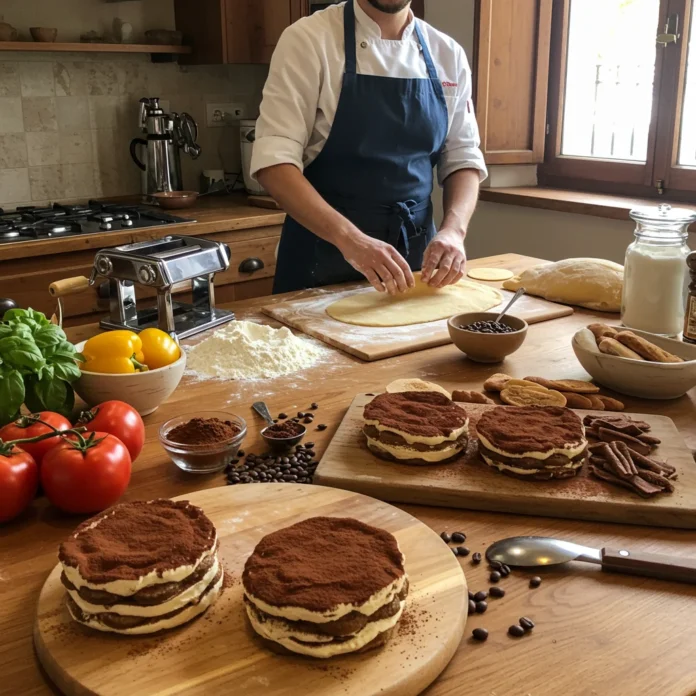

Introduction: Discover Rome’s Ultimate Cooking Class
Rome’s culinary reputation draws visitors from around the world, eager to experience authentic Italian food at its source. There’s something truly special about preparing classic dishes in the heart of the city, surrounded by the aromas of fresh basil, simmering sauces, and sweet mascarpone. A hands-on cooking class offers not just a meal, but a lasting memory and a taste of Roman tradition you can bring home.
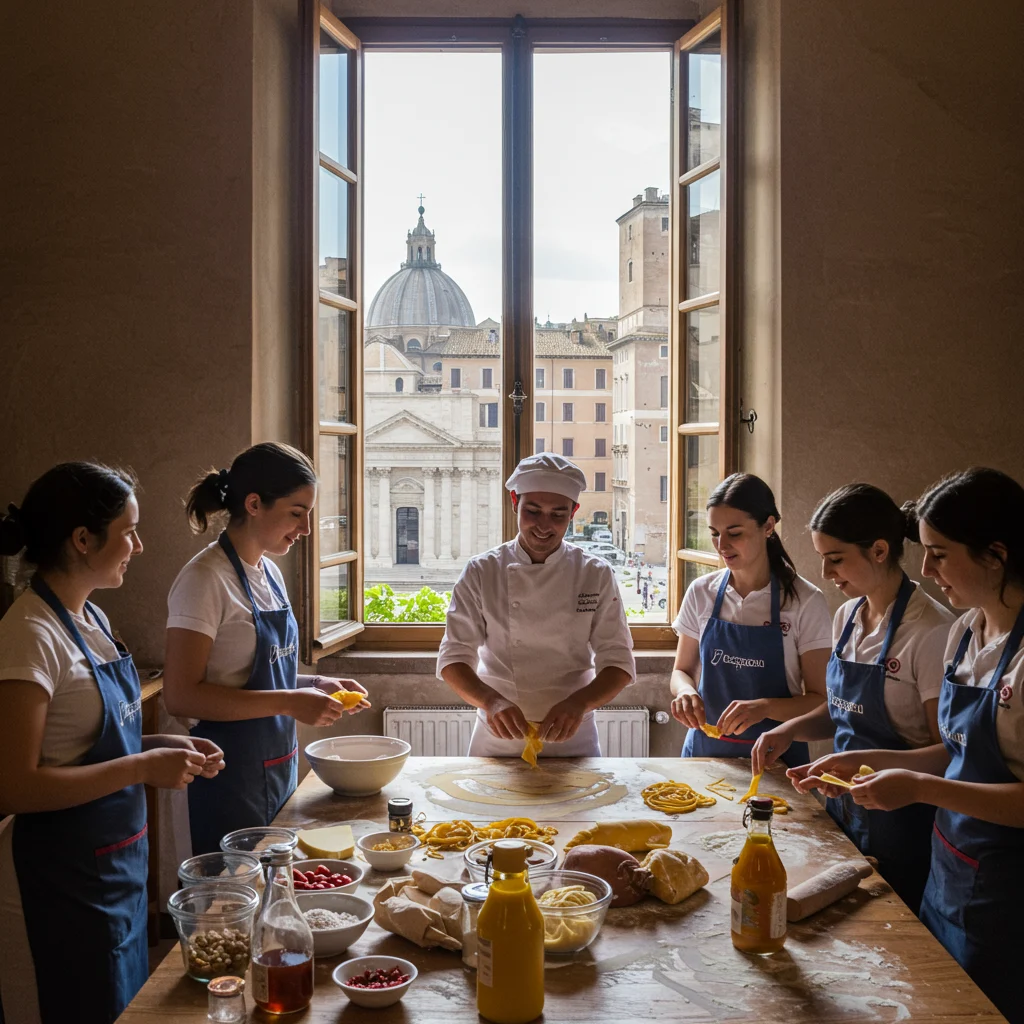
From pasta dough to tiramisu layers, you’ll find yourself immersed in an atmosphere buzzing with laughter, learning, and the clinking of wine glasses. Let’s look at why joining a Roman cooking class is an unforgettable way to deepen your connection with Italy’s capital.
Why Take a Cooking Class in Rome?
Participating in a cooking class in Rome is more than a culinary lesson—it’s a cultural experience. You gain insight into the rhythms of local life, learn treasured family recipes, and connect with fellow food lovers from around the globe.
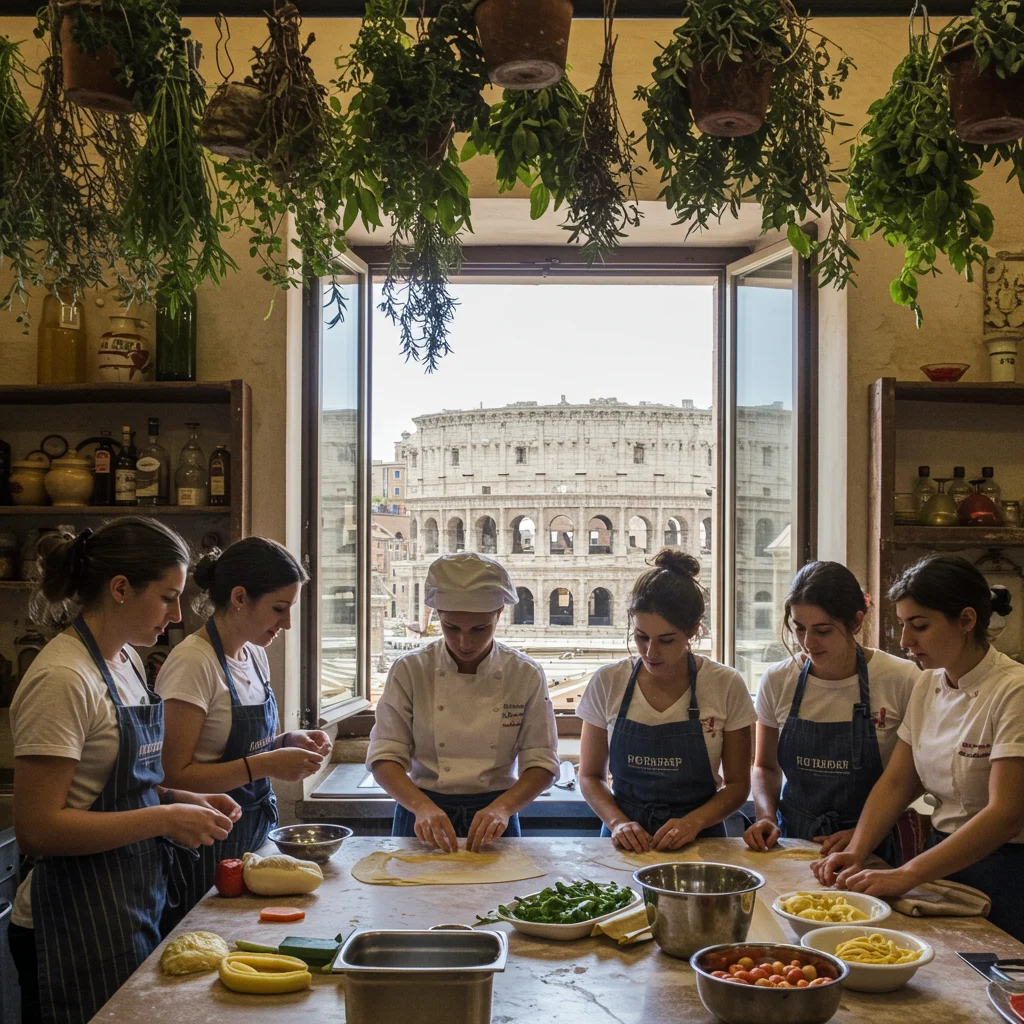
Whether you’re a seasoned cook or a curious beginner, these classes provide a relaxed, fun environment where mistakes become part of the story. Plus, the skills you acquire will serve as a delicious souvenir long after your trip ends.
What Makes Roman Cuisine Unique?
Roman cuisine stands out for its simplicity, bold flavors, and focus on quality ingredients. Traditional recipes rely on a handful of locally sourced components, transforming humble elements into unforgettable meals.
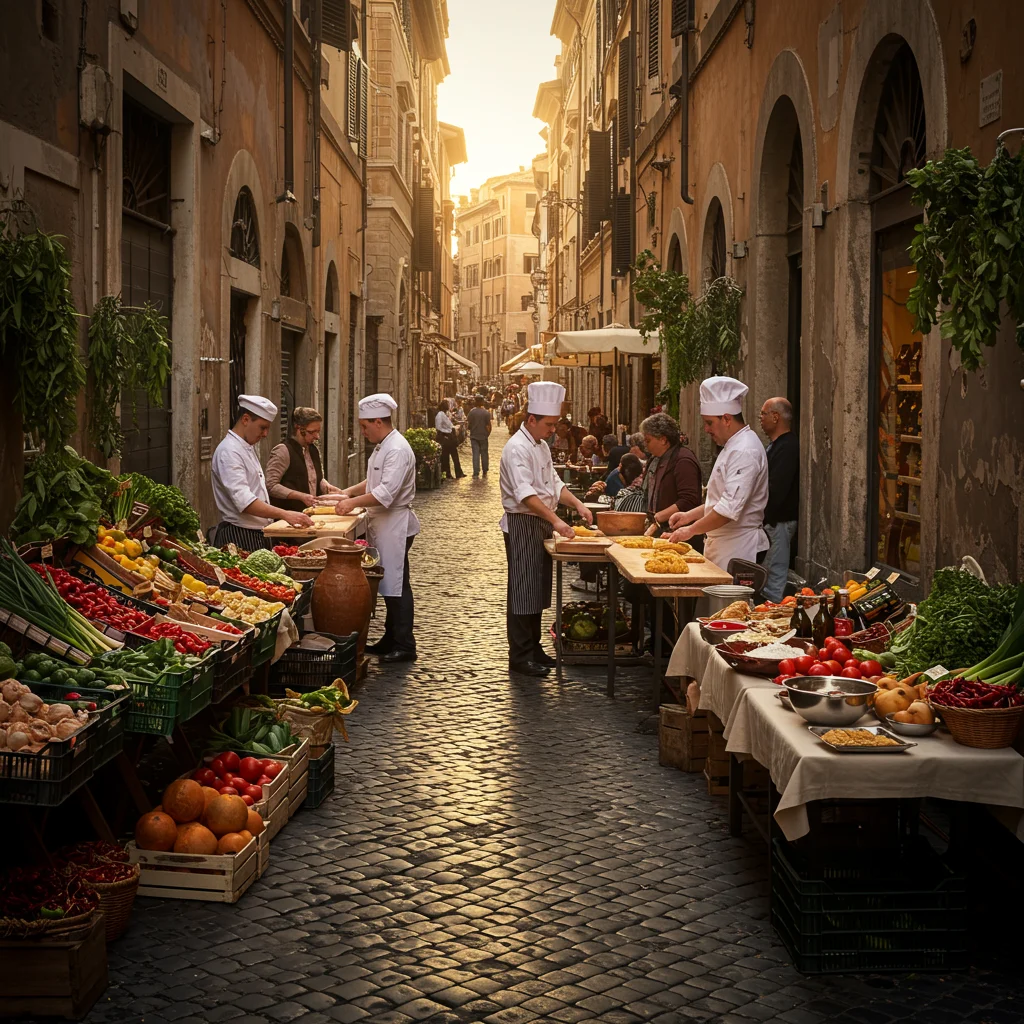
Expect dishes that highlight sharp cheeses, cured meats, and fresh produce, all tied to the city’s storied past. This commitment to authenticity and seasonality is what sets Roman food apart from other regional Italian fare.
Overview: Pasta & Tiramisu – Rome’s Signature Dishes
Two dishes define the Roman table: fresh pasta and tiramisu. Each represents the best of Italian cooking—simple processes, a focus on texture, and perfect balance between savory and sweet.
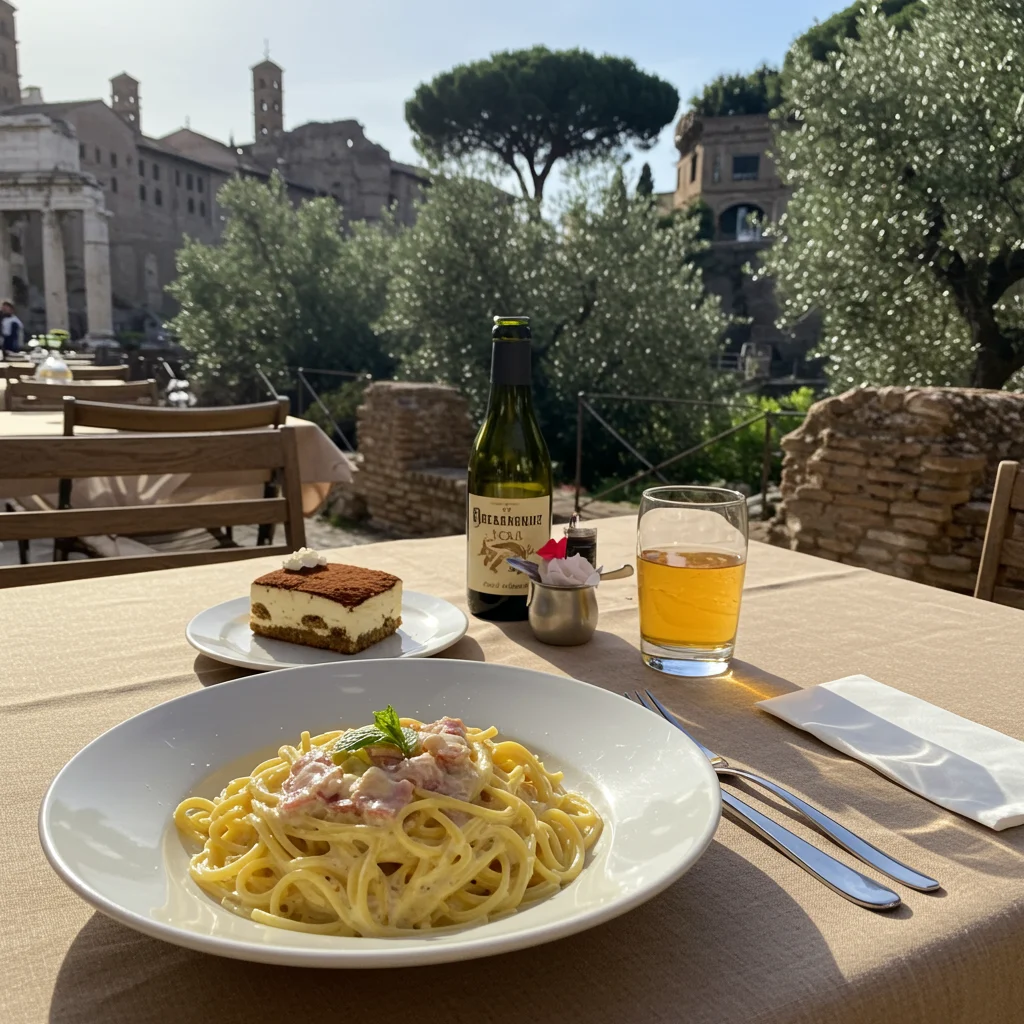
In your cooking class, you’ll learn the secrets behind silky pasta strands and the cloud-like layers of tiramisu. These classics are the highlight of any Roman meal and a joy to prepare with expert guidance.
Meet Your Roman Chef: Who Will Guide Your Experience?
Your culinary journey will be led by a passionate local chef, often with generations of experience in Roman kitchens. These instructors don’t just teach techniques—they share stories, tips, and a genuine love for their craft.
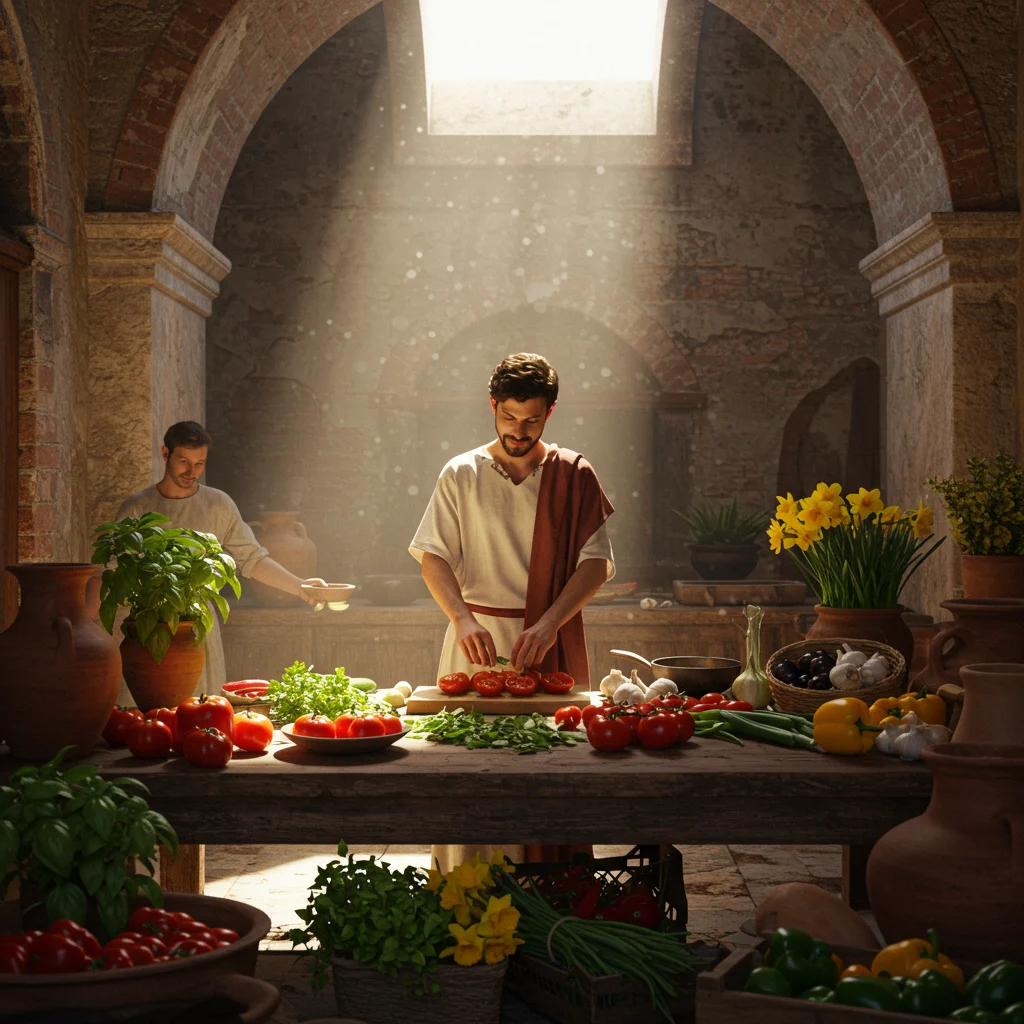
As you cook together, you’ll pick up professional tricks and personal anecdotes, making the experience richer and more personal. The chef’s enthusiasm is contagious, ensuring every participant feels welcomed and engaged.
Where Are Rome’s Best Cooking Classes Located?
Cooking classes in Rome are typically held in atmospheric locations, such as historic apartments, rooftop terraces, or cozy kitchens near bustling piazzas. The setting enhances the authenticity and makes every step of the process more memorable.
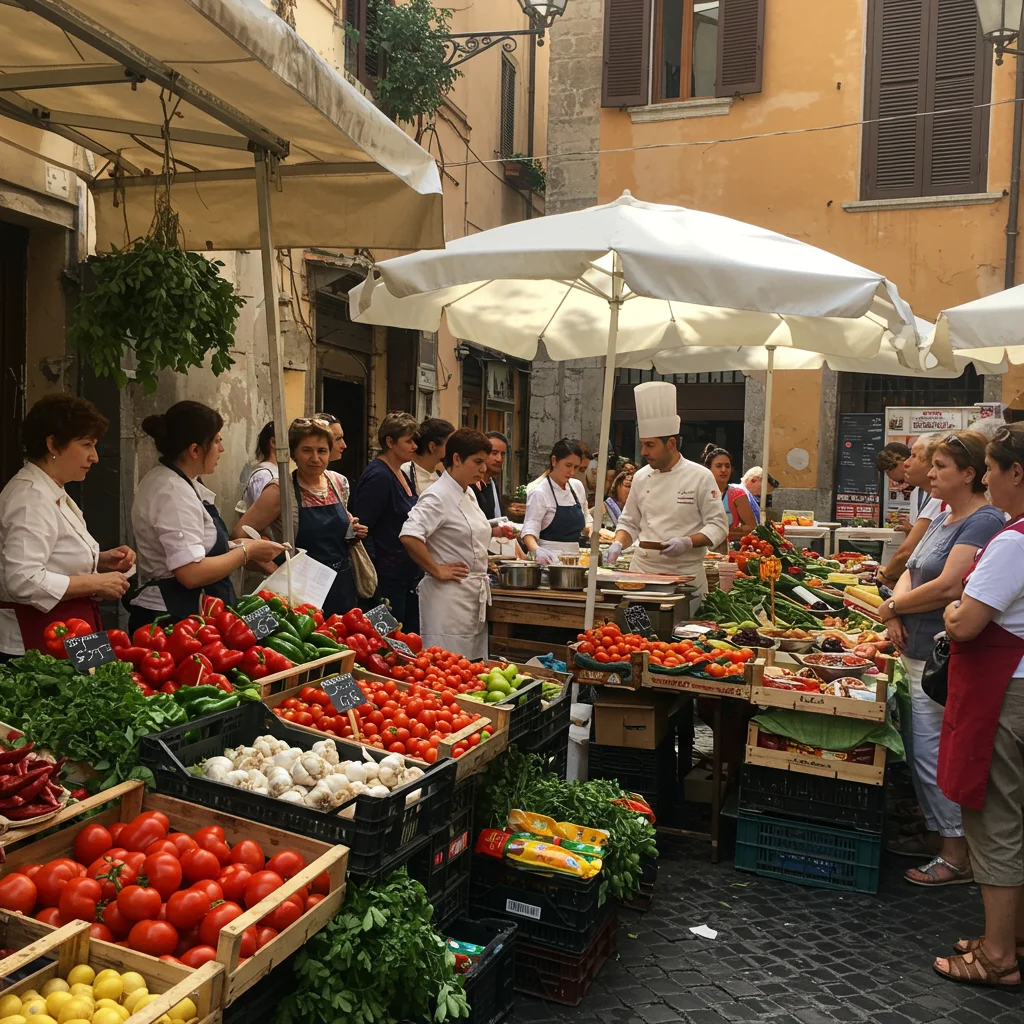
Some classes even take you to vibrant local markets, where the colors and aromas of fresh produce create an unforgettable sensory experience. Location can shape the entire mood of your culinary adventure.
Choosing the Right Cooking Class for You
With so many options available, selecting the ideal class depends on your interests and schedule. Some focus solely on pasta, while others pair hands-on cooking with food tours or wine tastings.
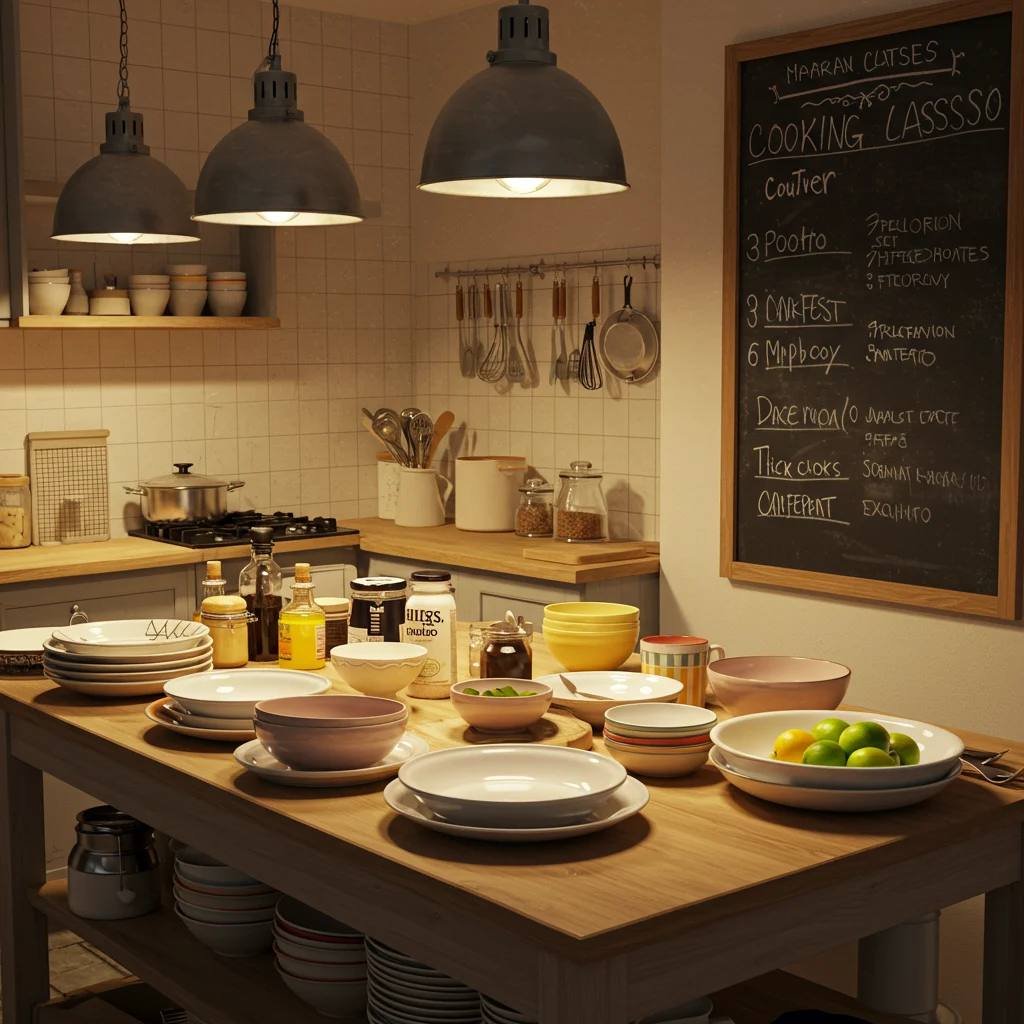
If you’re interested in pairing your lesson with a broader exploration of Roman flavors, you might enjoy a class that includes a market visit or a combined culinary and history tour. For inspiration, see how different experiences are combined in our review of the Rome’s Jewish Ghetto & Navona Food, Wine & History Tour.
How to Prepare for Your Roman Cooking Adventure
Preparation is simple but key to getting the most from your class. Wear comfortable clothing and closed-toe shoes, as you’ll be on your feet for much of the session.
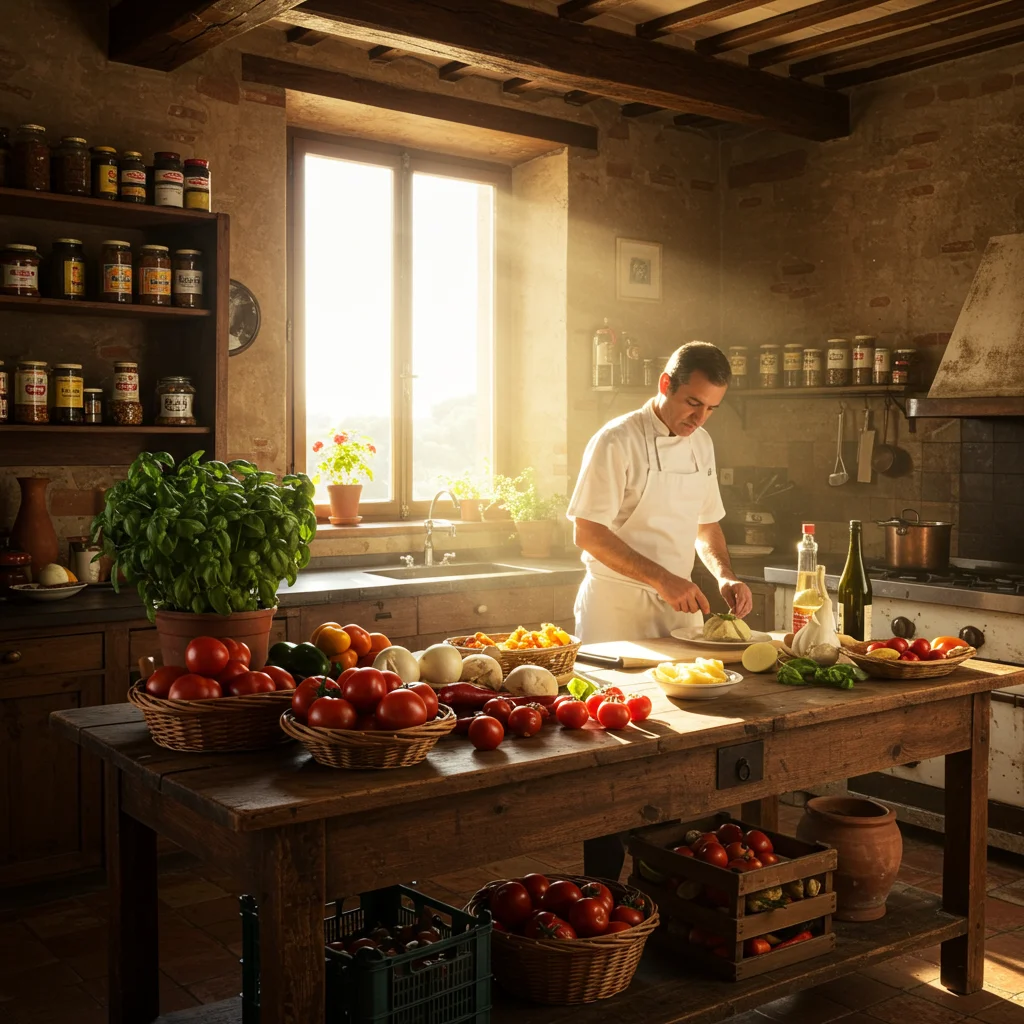
Bring your curiosity and a hearty appetite. Many classes provide aprons and all necessary tools, so you can focus on enjoying the process and learning new skills.
What to Expect on the Day of the Class
On the day of your cooking class, expect a warm welcome and a relaxed atmosphere. You’ll meet your chef and fellow participants, setting the stage for a collaborative culinary experience.

Most sessions begin with an introduction to the menu and ingredients, followed by hands-on cooking, plenty of tasting, and a communal meal to celebrate your creations.
Welcome & Introduction: Setting the Culinary Scene
As the session begins, your chef will introduce the dishes you’ll prepare and share stories about their origins. The kitchen fills with the inviting scents of olive oil, garlic, and fresh herbs.
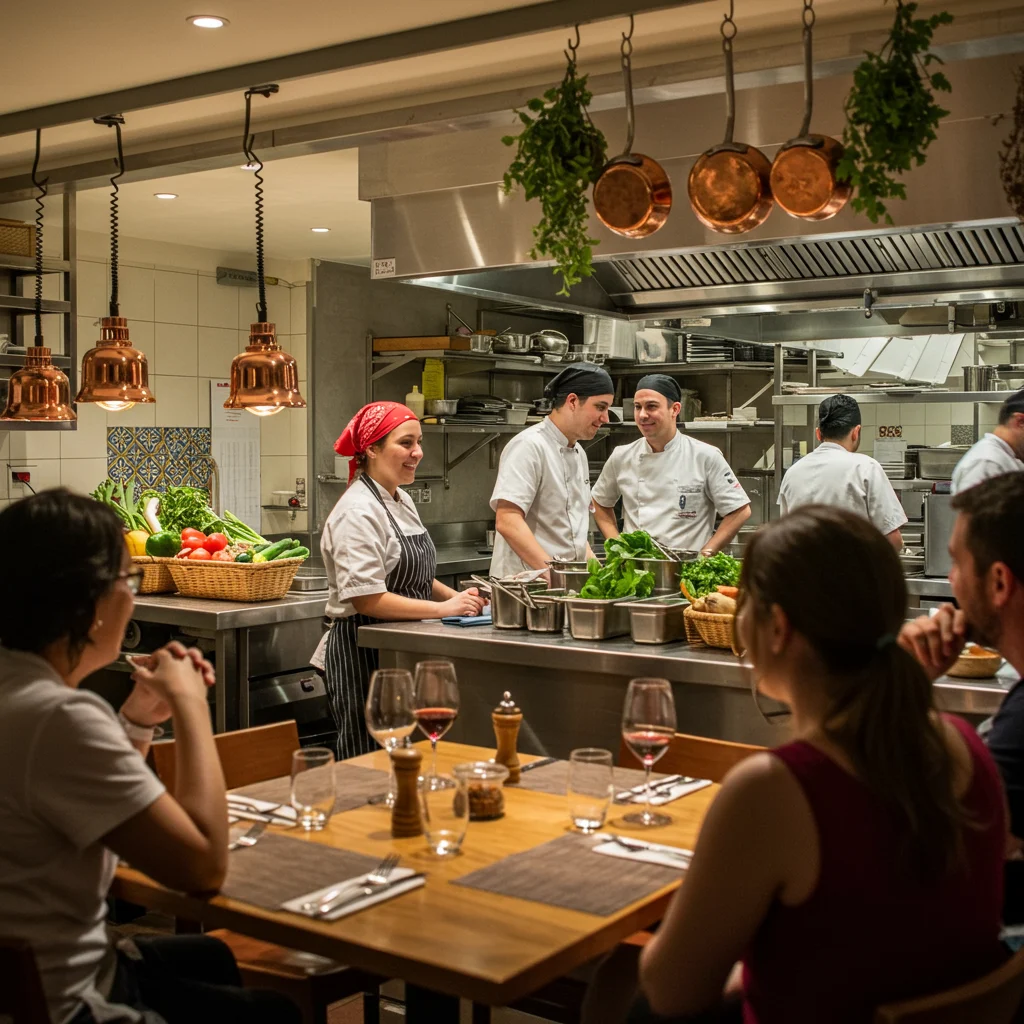
This introduction helps set expectations and builds excitement for the hands-on portion to come. You’ll quickly feel at home as you roll up your sleeves and get started.
Ingredient Spotlight: Freshness & Authenticity in Roman Cooking
Authentic Roman cuisine relies on the freshest possible ingredients. Tomatoes picked at peak ripeness, creamy pecorino, and farm-fresh eggs all contribute to the rich flavors you’ll create.
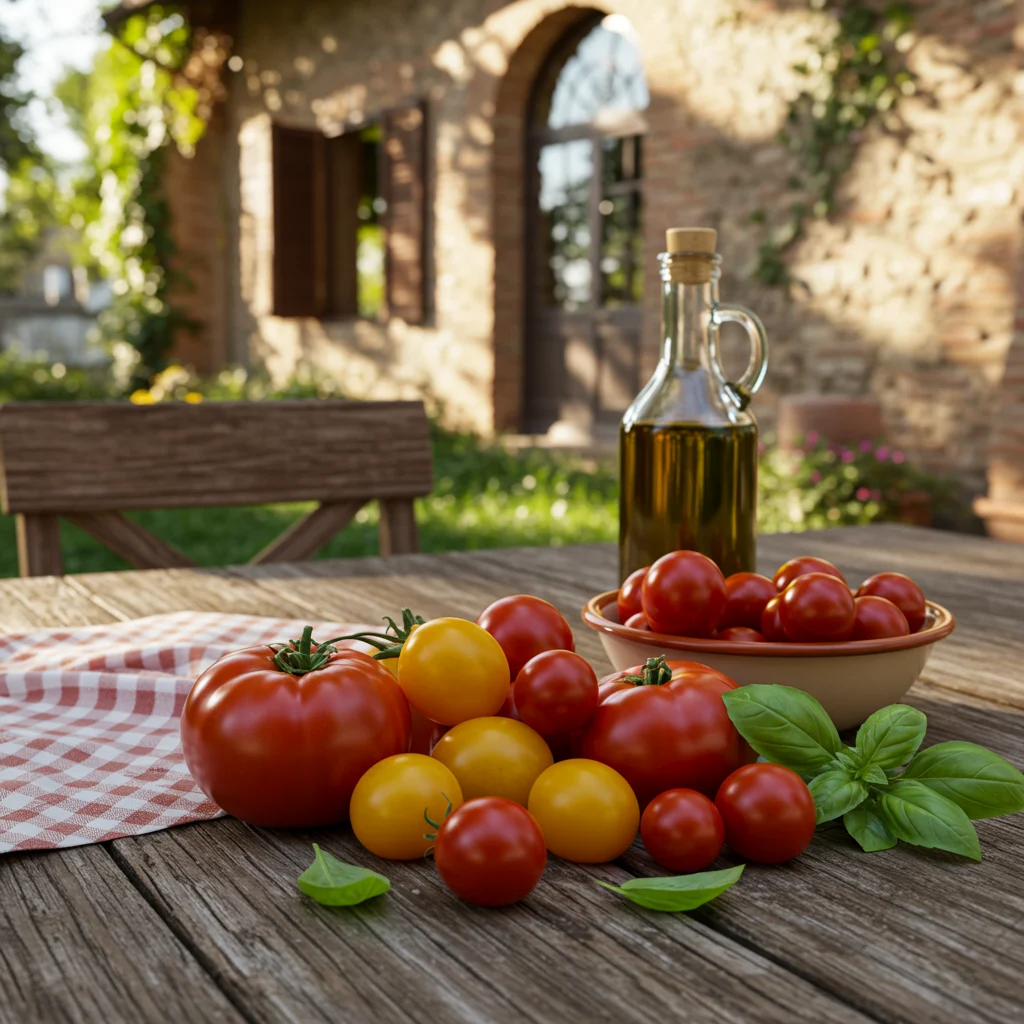
Your chef may showcase the ingredients, letting you touch, smell, and even taste them before cooking begins. This sensory introduction brings a deeper appreciation for the quality and care behind each dish.
How to Select the Best Ingredients for Pasta and Tiramisu?
Choosing the right ingredients is the foundation of great cooking. For pasta, look for fine semolina or “00” flour and farm-fresh eggs. For tiramisu, high-quality mascarpone, robust espresso, and crisp ladyfingers are essential.
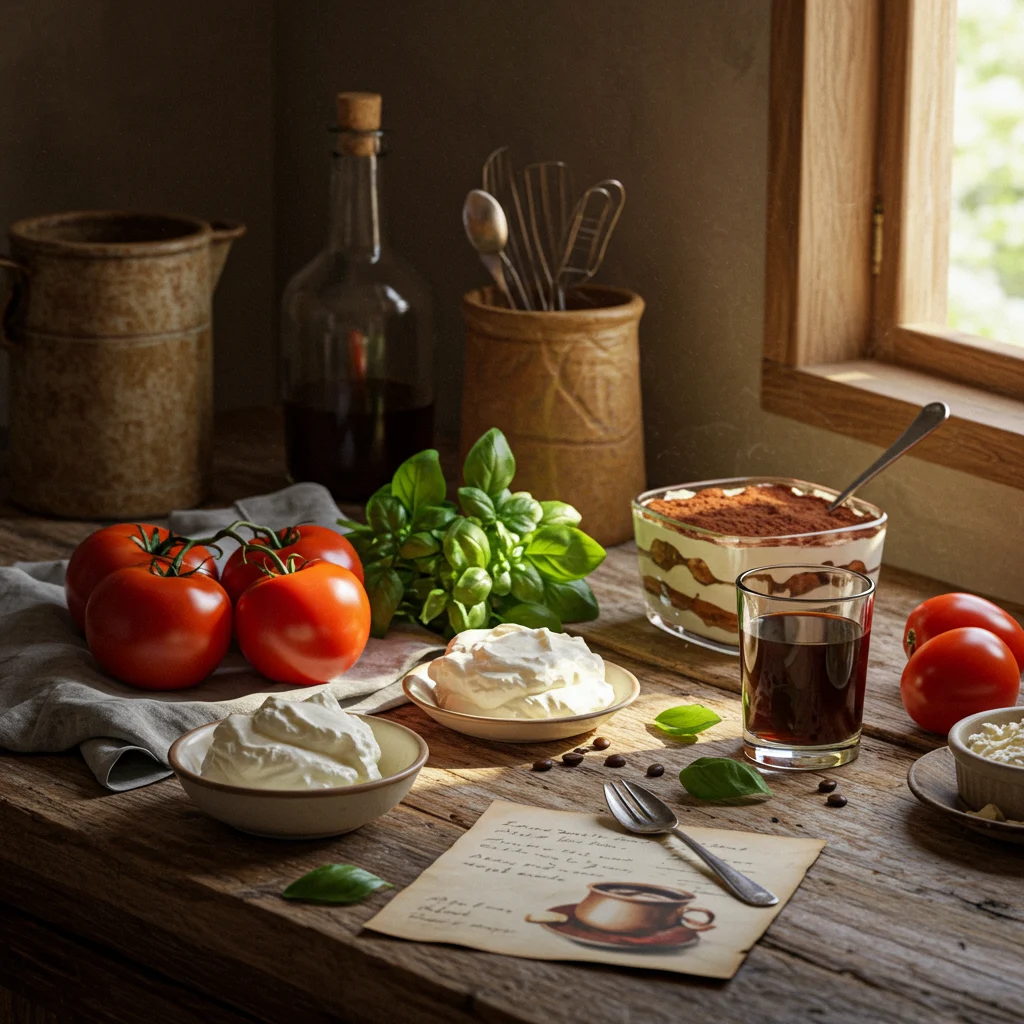
Your chef will guide you on how to identify the freshest produce and the best sources for cheese and dairy. These tips will help you recreate authentic flavors at home, even outside Italy.
Hands-On Pasta Making: Step-by-Step Guide
Making pasta from scratch is a tactile, rewarding process. You’ll mix, knead, and shape dough under expert supervision, learning each step through demonstration and practice.
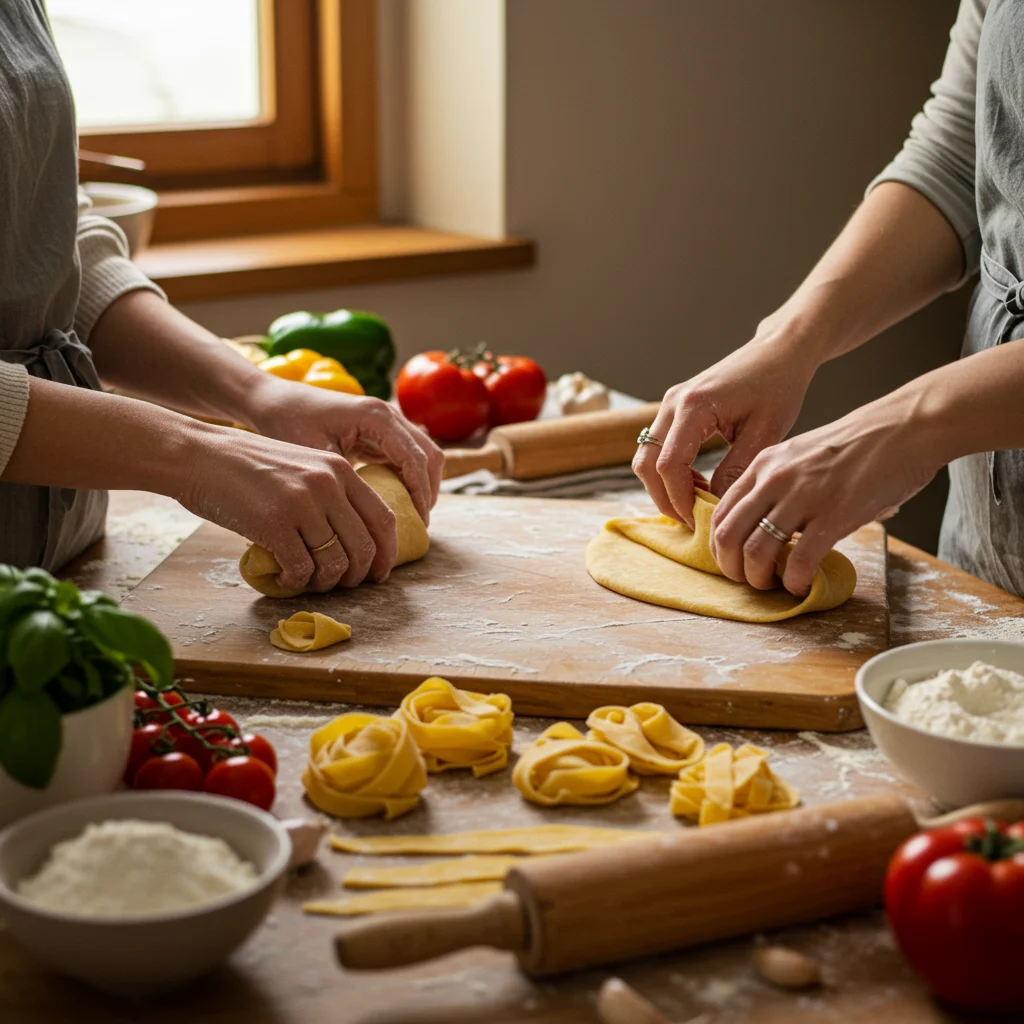
The joy comes in feeling the dough transform beneath your hands, the flour dusting your work surface, and the anticipation of tasting your finished dish.
Which Types of Pasta Will You Learn to Make?
Most Roman cooking classes focus on classic shapes like fettuccine, tonnarelli, or ravioli. The chef may introduce you to lesser-known varieties as well, depending on the season and menu.
Each pasta type offers a unique texture and is suited to specific sauces, ensuring your meal is both traditional and delicious.
Classic Roman Pasta: Cacio e Pepe, Carbonara, and Amatriciana
These three dishes form the backbone of Roman pasta. Cacio e Pepe features sharp cheese and cracked pepper, Carbonara combines eggs, guanciale, and pecorino, while Amatriciana adds tomatoes and cured pork for a rich, savory flavor.
You’ll learn the secrets to each sauce, from timing to technique, so you can recreate these classics with confidence.
Secrets to Perfect Pasta Dough
The key to perfect pasta dough lies in the mix of flour, eggs, and a little patience. Your chef will show you how to achieve the right texture—smooth, elastic, and never sticky.
Understanding the feel of well-kneaded dough is essential, and with hands-on guidance, you’ll master this foundational skill.
How to Knead, Roll, and Shape Pasta Like a Pro?
Once the dough is ready, you’ll learn to knead, roll, and cut it into even strands or shapes. Using a rolling pin or pasta machine, you’ll find a rhythm that makes the process both efficient and enjoyable.
These tactile steps are often a favorite part of the class, as you see raw ingredients transform before your eyes.
Cooking Techniques: Boiling, Saucing, and Serving
Proper cooking is vital for great pasta. You’ll learn how much salt to use in boiling water, how to test for perfect doneness, and how to combine pasta with sauce for even coating.
Serving tips—like finishing with a sprinkle of cheese or a drizzle of olive oil—ensure your dish looks as good as it tastes.
Pro Tips: Avoiding Common Pasta-Making Mistakes
Your chef will highlight pitfalls such as overworking dough, under-salting water, or letting pasta sit too long before cooking. These insights help you avoid frustration and achieve restaurant-quality results.
With practice, these tips become second nature, setting you up for success every time you cook.
The Art of Sauces: Elevating Your Pasta Dish
The right sauce can elevate homemade pasta to a new level. Roman sauces are known for their bold flavors and simple ingredient lists, letting the quality of each element shine.
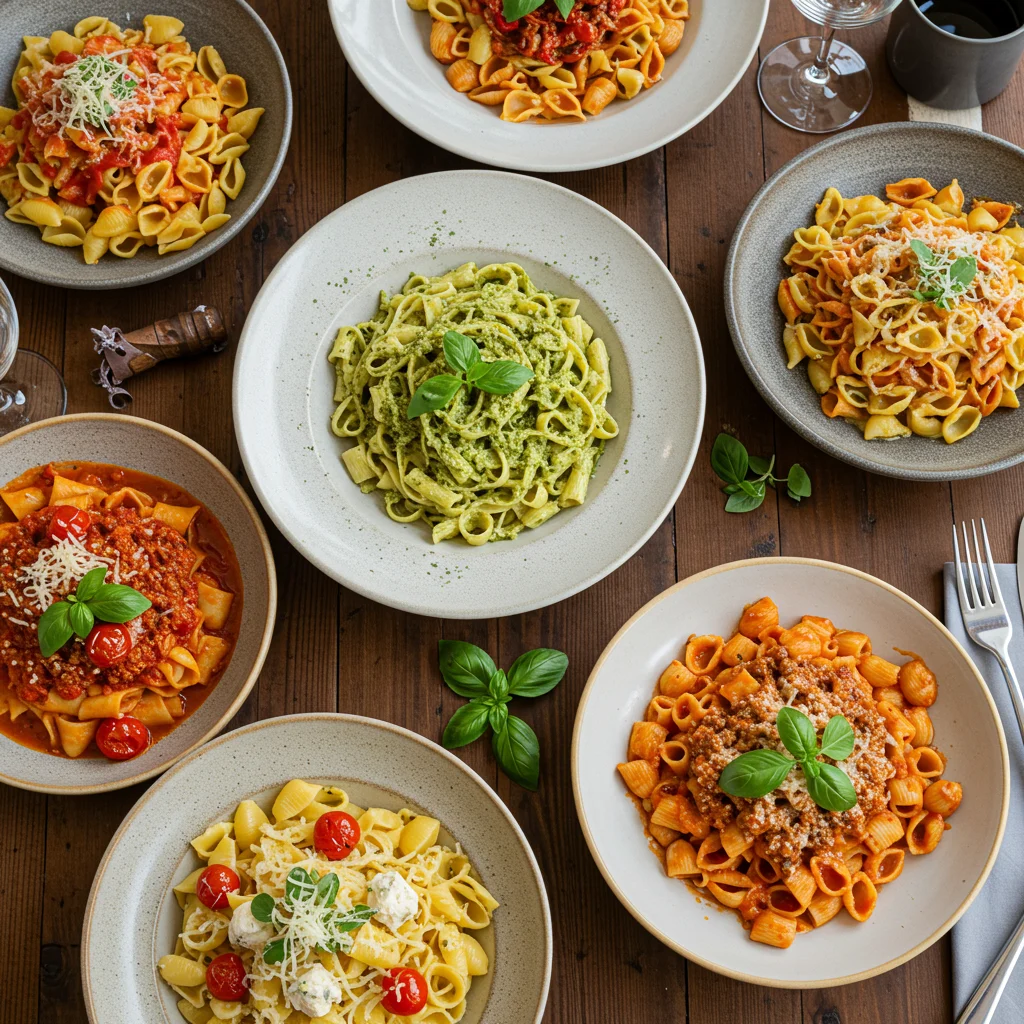
Mastering these sauces adds versatility and depth to your home cooking, impressing friends and family at your next dinner party.
How to Make Authentic Roman Sauces from Scratch?
From sautéing garlic in olive oil to melting cheese gently, you’ll learn each step of sauce preparation. Authentic recipes call for patience and careful attention to heat and timing.
Following traditional methods yields robust, nuanced flavors that pair perfectly with your fresh pasta.
Balancing Flavors: Salt, Pepper, and Pecorino
Roman sauces rely on balance. Too much salt or pecorino can overpower, while too little leaves dishes bland. Your chef will demonstrate how to taste and adjust for the perfect combination.
This focus on seasoning helps you develop your palate, a skill you’ll use in many future recipes.
Pairing Pasta with the Right Sauce
Certain pasta shapes hold sauce better than others. You’ll learn which combinations work best, such as tonnarelli with Cacio e Pepe or rigatoni with Amatriciana.
These pairings are more than tradition—they enhance the eating experience, ensuring every bite is full of flavor.
Tiramisu Masterclass: Crafting Italy’s Favorite Dessert
No Roman meal is complete without tiramisu. Light, creamy, and rich with coffee flavor, this dessert is a highlight of any cooking class.
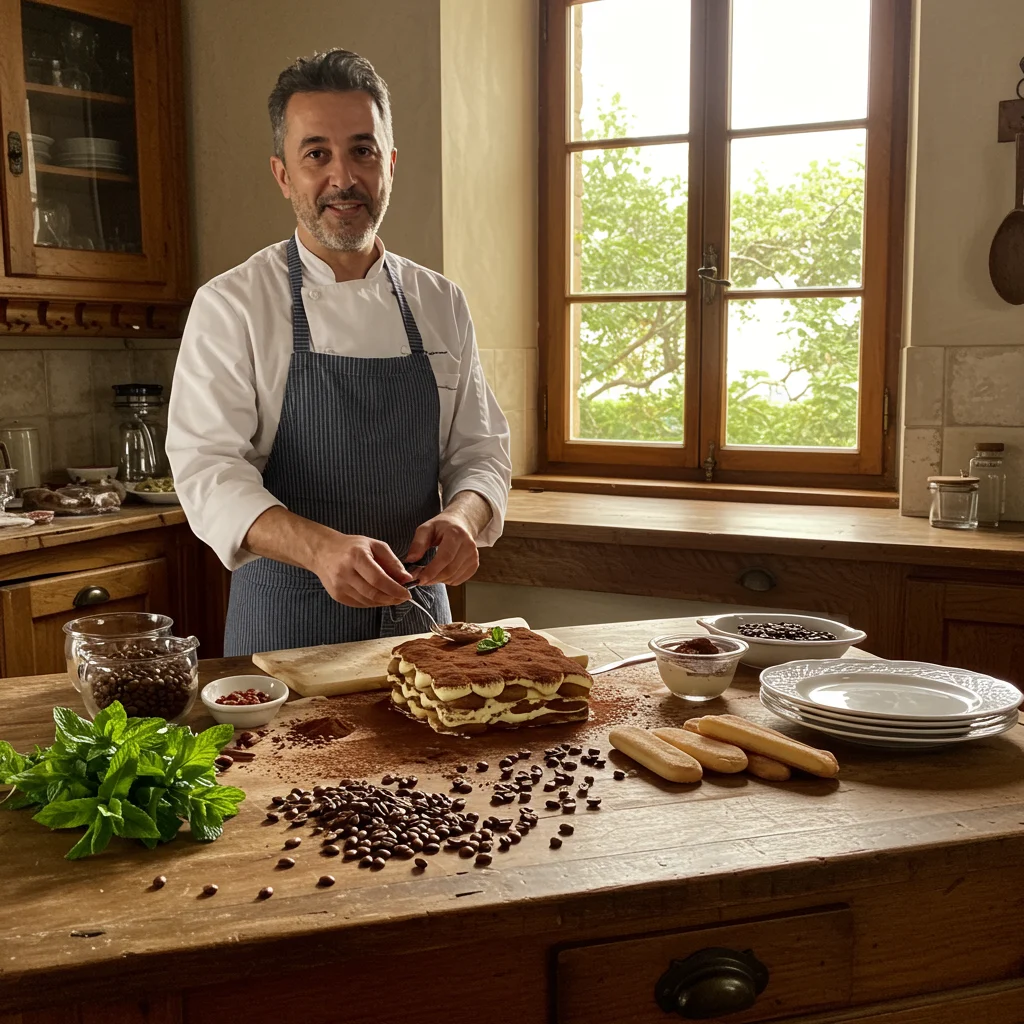
Making tiramisu from scratch is surprisingly approachable, and with expert guidance, you’ll learn each step to perfection.
What Is the History of Tiramisu?
Tiramisu’s origins are the subject of much debate, but most agree it became popular in the Veneto region in the 1960s. The name means “pick me up,” a nod to its energizing combination of coffee and sugar.
Though not originally Roman, tiramisu has found a home on tables across Italy, beloved for its balance of textures and flavors.
Essential Ingredients for Classic Tiramisu
Authentic tiramisu uses just a few ingredients: mascarpone cheese, eggs, sugar, espresso, ladyfingers, and cocoa powder. Each plays a crucial role in creating the dessert’s signature taste and texture.
Your chef will show you how to select the best quality ingredients for the creamiest result.
Step-by-Step: How to Assemble Tiramisu Perfectly
The assembly process involves layering coffee-soaked ladyfingers and mascarpone cream, finishing with a dusting of cocoa. Timing is key—let the dessert chill so flavors meld and layers set.
Learning the proper ratio of cream to biscuit ensures a dessert that’s both light and satisfying.
Tips for the Creamiest Mascarpone Layer
For a smooth mascarpone layer, ingredients should be at room temperature and gently folded, not beaten. Overmixing can cause the cream to separate, while gentle handling keeps it airy.
Your chef’s advice will help you achieve a luscious, cloud-like texture every time.
How to Achieve the Perfect Coffee-Soaked Ladyfingers?
Ladyfingers should absorb enough espresso to soften but not so much that they become soggy. Quick dipping is the secret, creating a moist yet structured base that supports the creamy layers above.
This balance is key to tiramisu’s signature mouthfeel and flavor.
Creative Tiramisu Variations to Try at Home
Once you’ve mastered the classic, experiment with variations like adding chocolate chips, swapping in flavored liqueurs, or using seasonal fruits. These twists keep the dessert exciting and customizable.
For more inspiration on Italian desserts and creative classes, read about the Vatican Pasta & Gelato Class for a sweet take on Roman food experiences.
Wine Pairing: What to Drink with Your Homemade Pasta & Tiramisu?
No Roman meal is complete without the right wine. Your chef may introduce you to local varietals, explaining how acidity, body, and flavor complement different dishes.
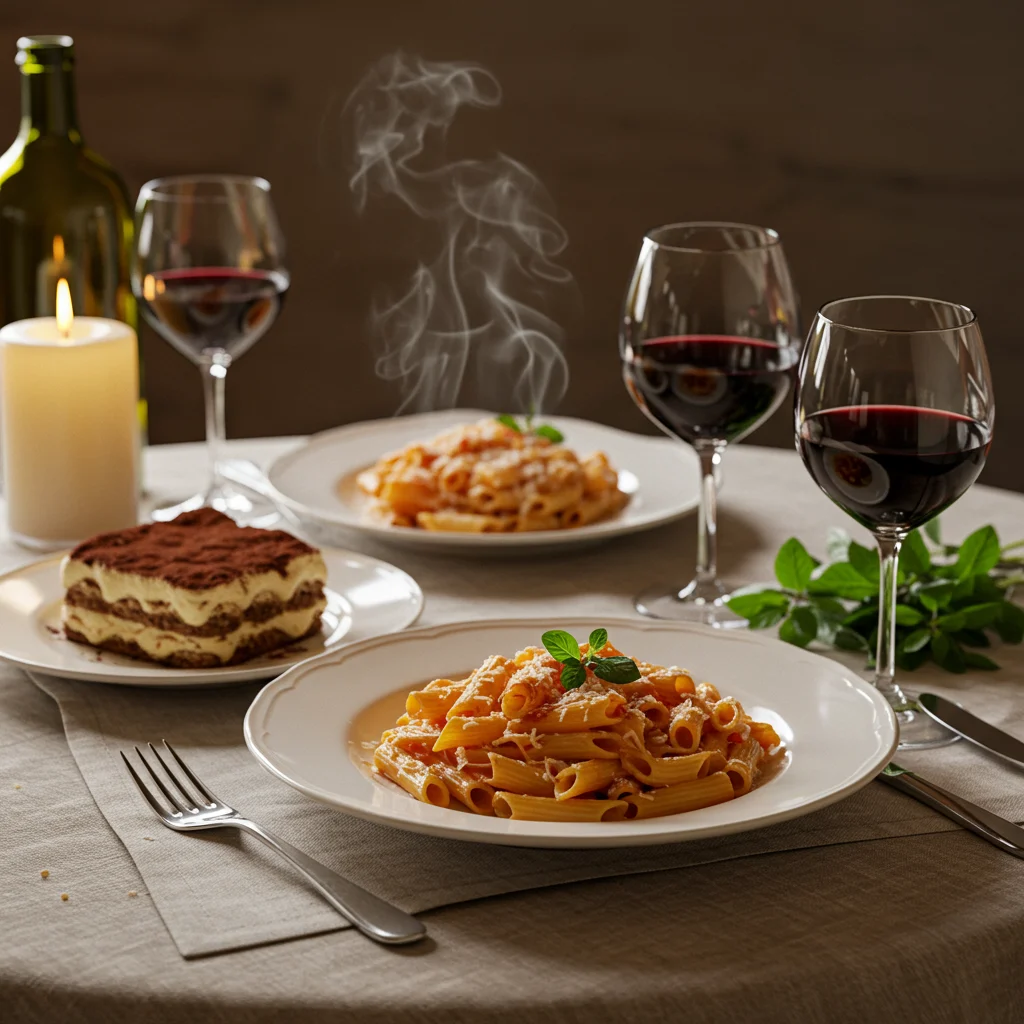
For pasta, crisp whites or light reds are often recommended, while a sweet dessert wine or espresso pairs beautifully with tiramisu.
Dining Together: Enjoying the Fruits of Your Labor
One of the highlights of any cooking class is sitting down to enjoy the meal you’ve created. The shared table becomes a place of laughter, storytelling, and new friendships.

As you savor your pasta and tiramisu, you’ll appreciate the flavors even more, knowing the effort and care that went into every bite.
What Are the Social Benefits of Cooking Classes in Rome?
Cooking together encourages teamwork, communication, and cultural exchange. You’ll meet fellow travelers and locals, sharing stories and tips throughout the session.
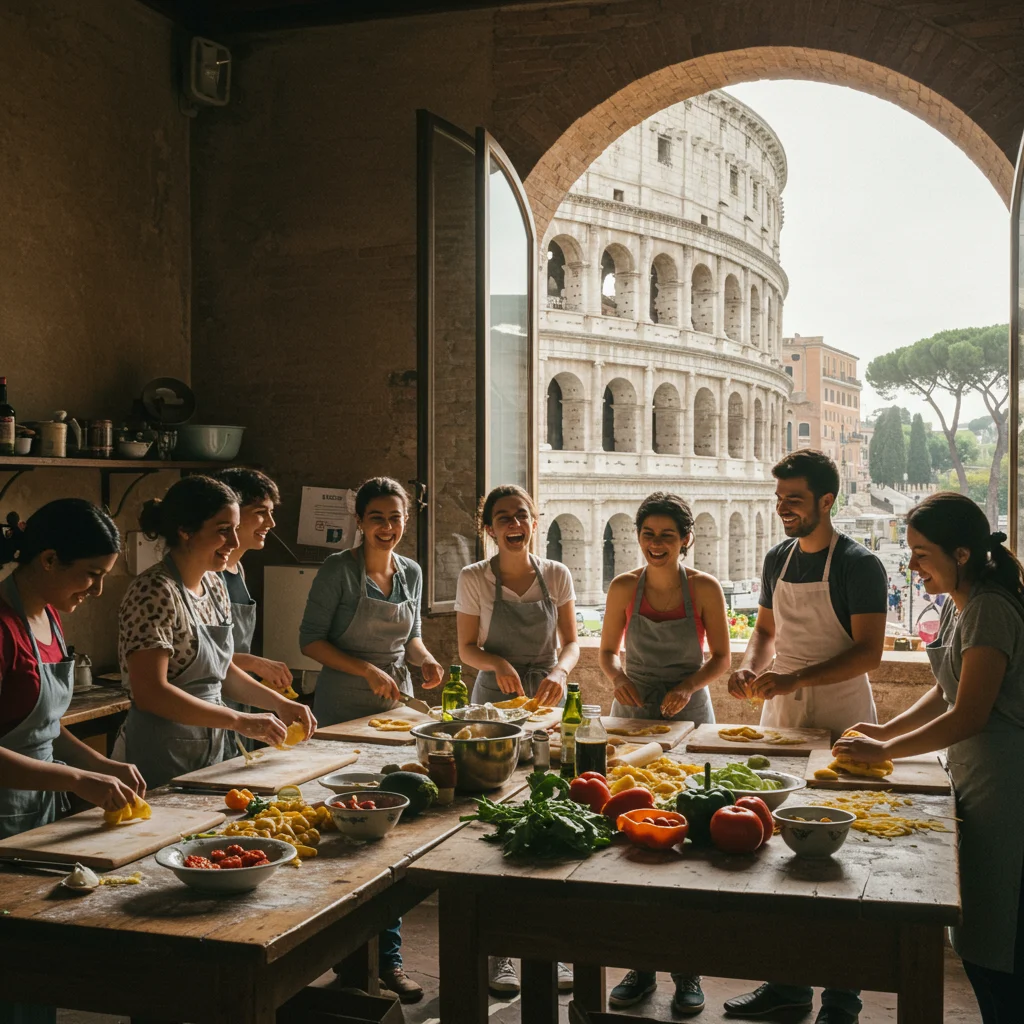
These connections often last beyond the class, as food has a unique way of bringing people together in a relaxed, joyful setting.
Capturing the Experience: Photos, Memories, and Recipes
Many chefs encourage you to take photos during the class, capturing the colorful ingredients, your pasta creations, and the final plated dishes.
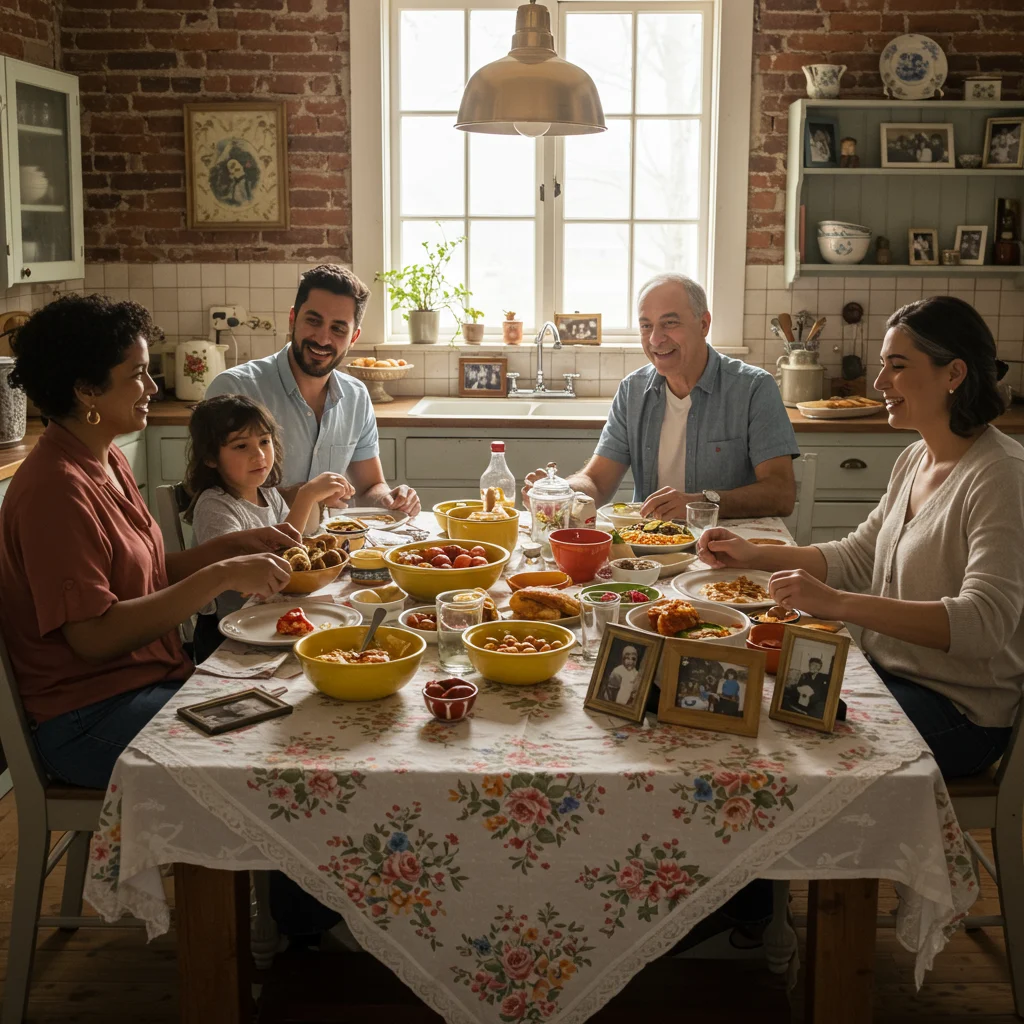
You’ll also receive recipes to take home, ensuring you can recreate the experience and flavors long after you’ve returned from Rome.
Taking the Flavors Home: Recipes & Souvenirs
Beyond memories, you’ll leave with authentic recipes and perhaps a few culinary souvenirs, like a special rolling pin or local olive oil. These items are reminders of your time in Rome and the new skills you’ve gained.
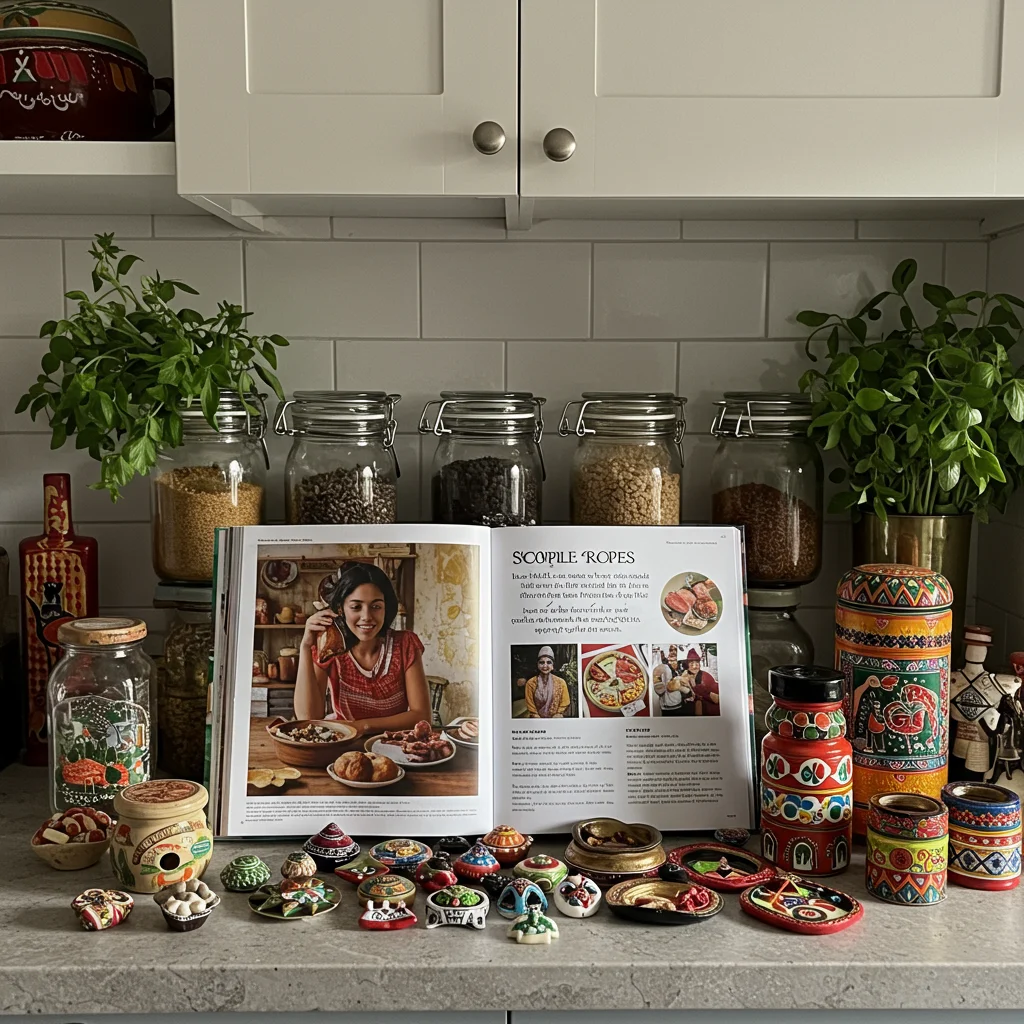
They also make thoughtful gifts for friends and family who appreciate genuine Italian flavors.
How to Recreate Roman Pasta & Tiramisu in Your Own Kitchen?
Armed with new techniques and insider tips, you’ll find it easier than ever to prepare Roman pasta and tiramisu at home. Remember to focus on quality ingredients and take your time with each step.
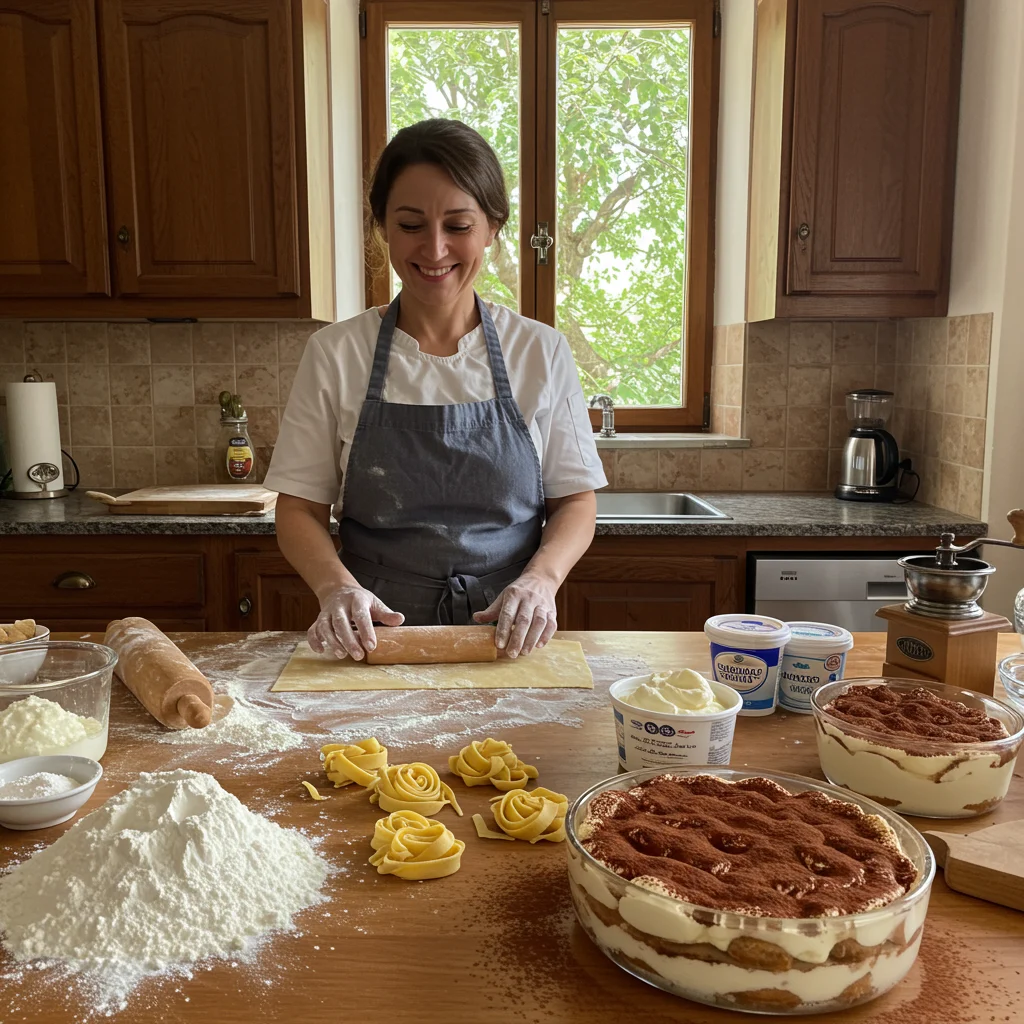
If you’re interested in expanding your skills beyond Rome, you might enjoy learning how to cook like a local on the Amalfi Coast for even more Italian culinary inspiration.
Frequently Asked Questions About Rome’s Cooking Classes
Travelers often have questions before booking a cooking class. Common concerns include dietary restrictions, class sizes, language barriers, and cancellation policies.
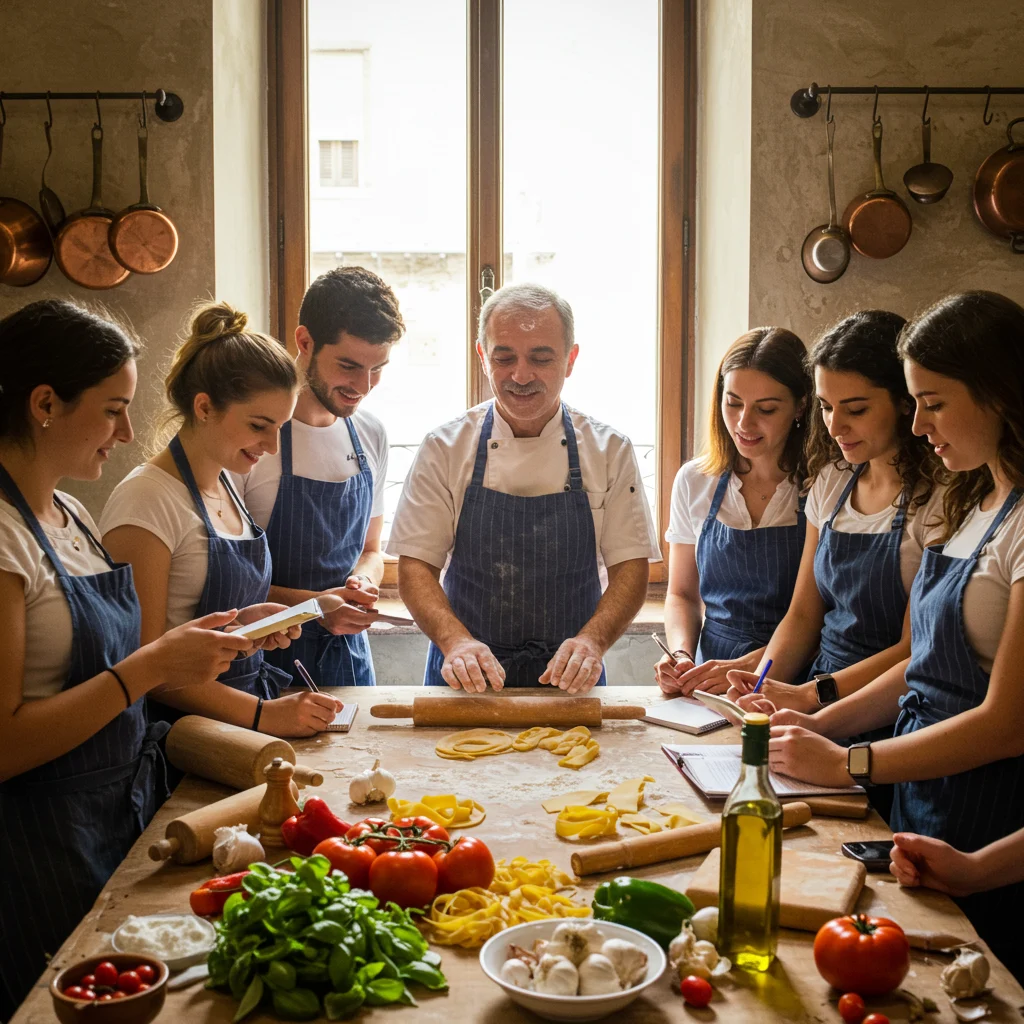
Most providers are happy to accommodate special requests, offer classes in English, and provide flexible booking options. Always check the details before reserving your spot.
Tips for Booking the Best Cooking Class in Rome
Research different providers and read recent reviews to find a class that matches your interests and schedule. Look for small group sizes for a more personalized experience.
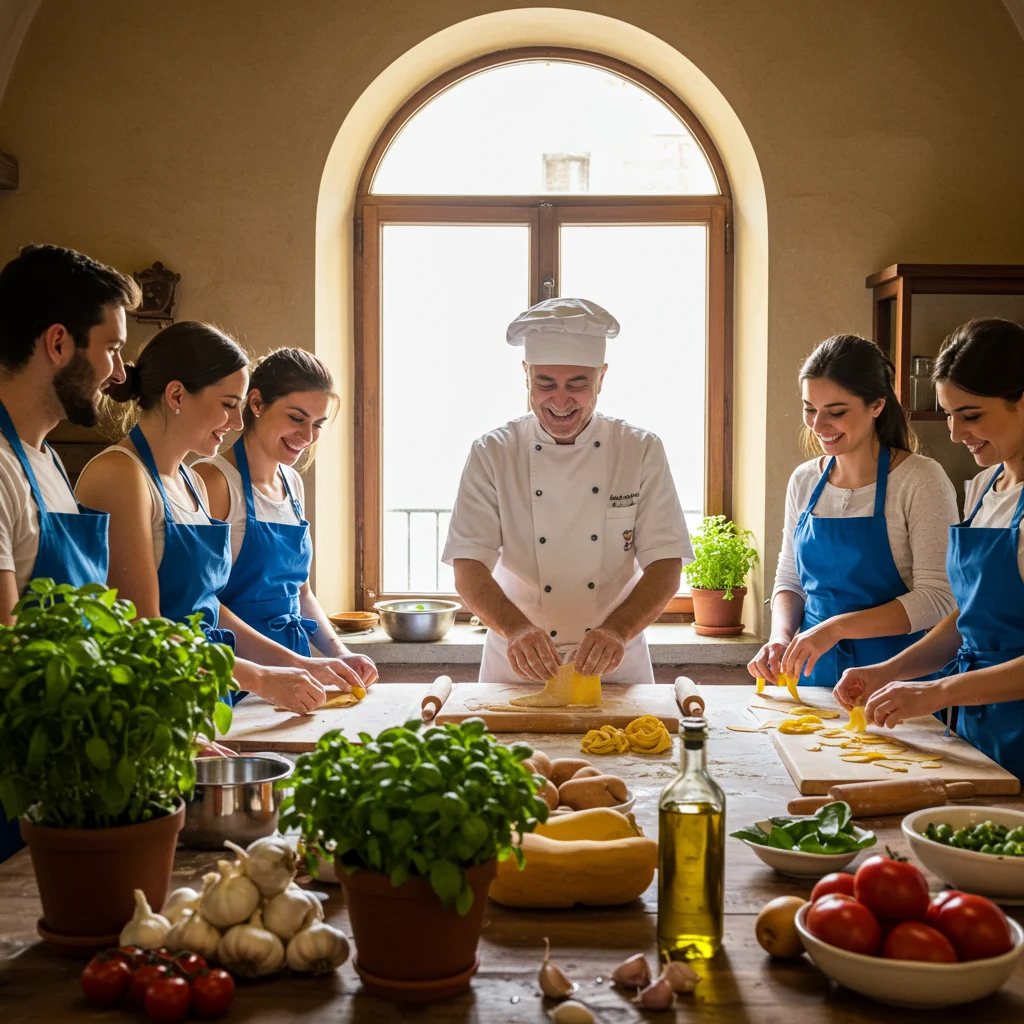
Consider booking activities through platforms like Viator, which offers verified reviews and a wide selection of classes for every taste and budget.
What Are the Costs and Inclusions of Cooking Classes?
Cooking class prices in Rome vary depending on length, group size, and location. Most include all ingredients, equipment, instruction, and a full meal at the end.
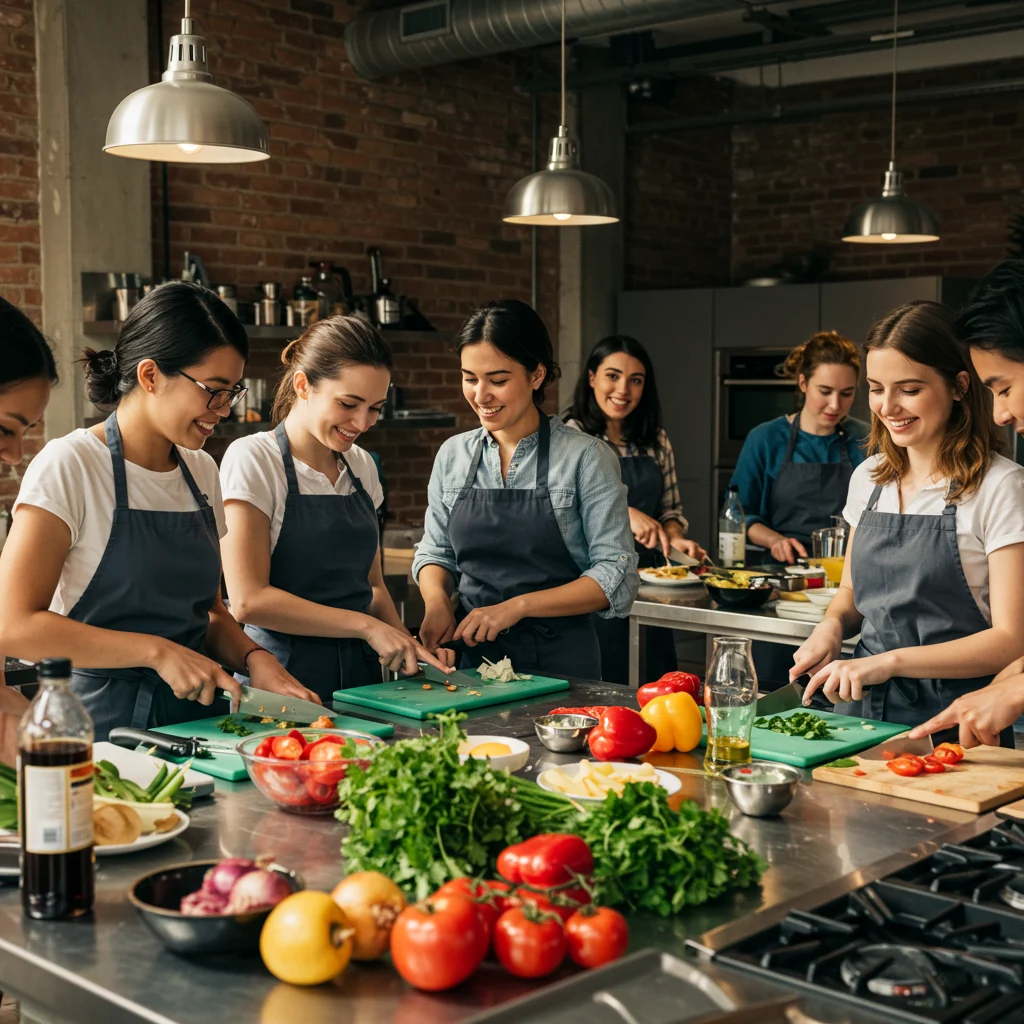
Some premium experiences add extras like market tours or wine tastings. Always confirm what’s included before booking to avoid surprises.
Are Cooking Classes in Rome Family-Friendly?
Many cooking classes welcome families with children, offering simplified recipes and hands-on activities for younger participants. These sessions are a fun way for kids to learn about Italian food and culture.
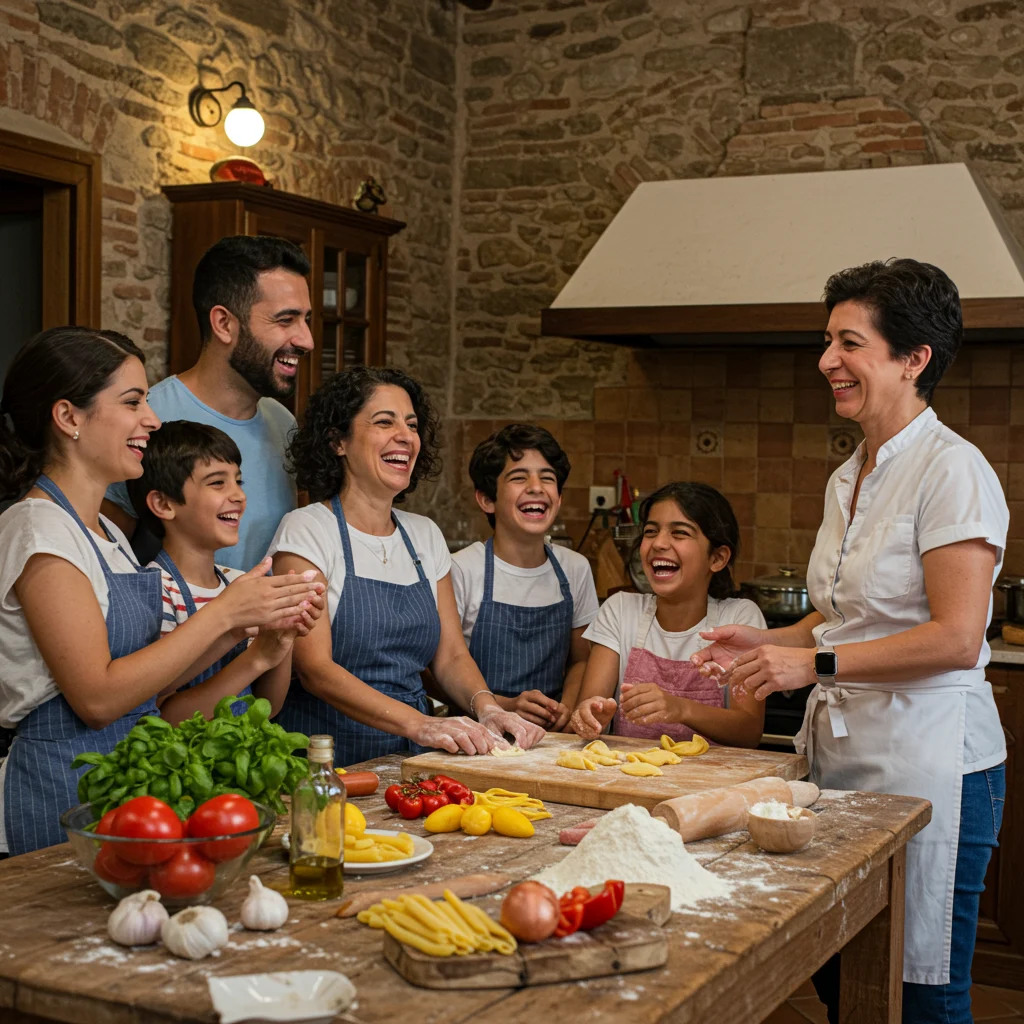
Check with the provider about age limits or special arrangements to ensure everyone in your group feels comfortable and included.
Accessibility: Can Everyone Participate in These Classes?
Accessibility varies by location. Some venues are equipped with ramps or elevators, while others may have stairs or narrow spaces.

If you have mobility concerns or other needs, contact the provider in advance to confirm the class is suitable. Many are happy to accommodate with advance notice.
Reviews: What Past Participants Are Saying
Participants consistently praise the warmth of the chefs, the quality of instruction, and the delicious results. Many call their cooking class a highlight of their trip to Rome.

For a different perspective on food experiences outside the city, read about the Frascati Foodie Tour, which combines pasta-making with wine tasting in the countryside.
Sustainability in Roman Cooking: Supporting Local Producers
Many Roman cooking classes source ingredients from local farmers and artisans, supporting the region’s food economy and reducing environmental impact. This commitment to sustainability ensures fresher flavors and a positive impact on the community.
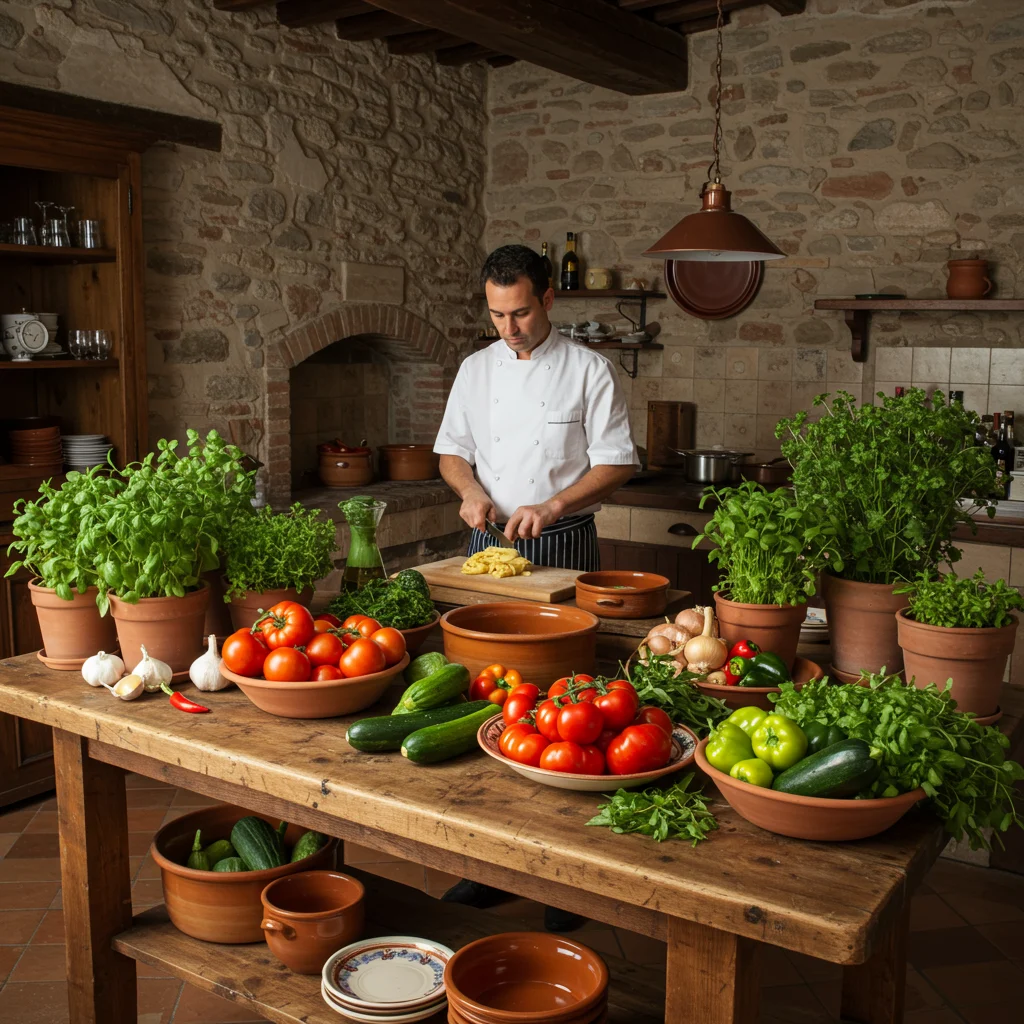
Your participation helps promote these values, making your meal meaningful in more ways than one.
Beyond the Kitchen: Exploring Rome’s Food Culture
Rome’s food culture extends far beyond the kitchen. Street markets, family-run trattorie, and neighborhood bakeries all contribute to the city’s culinary identity.
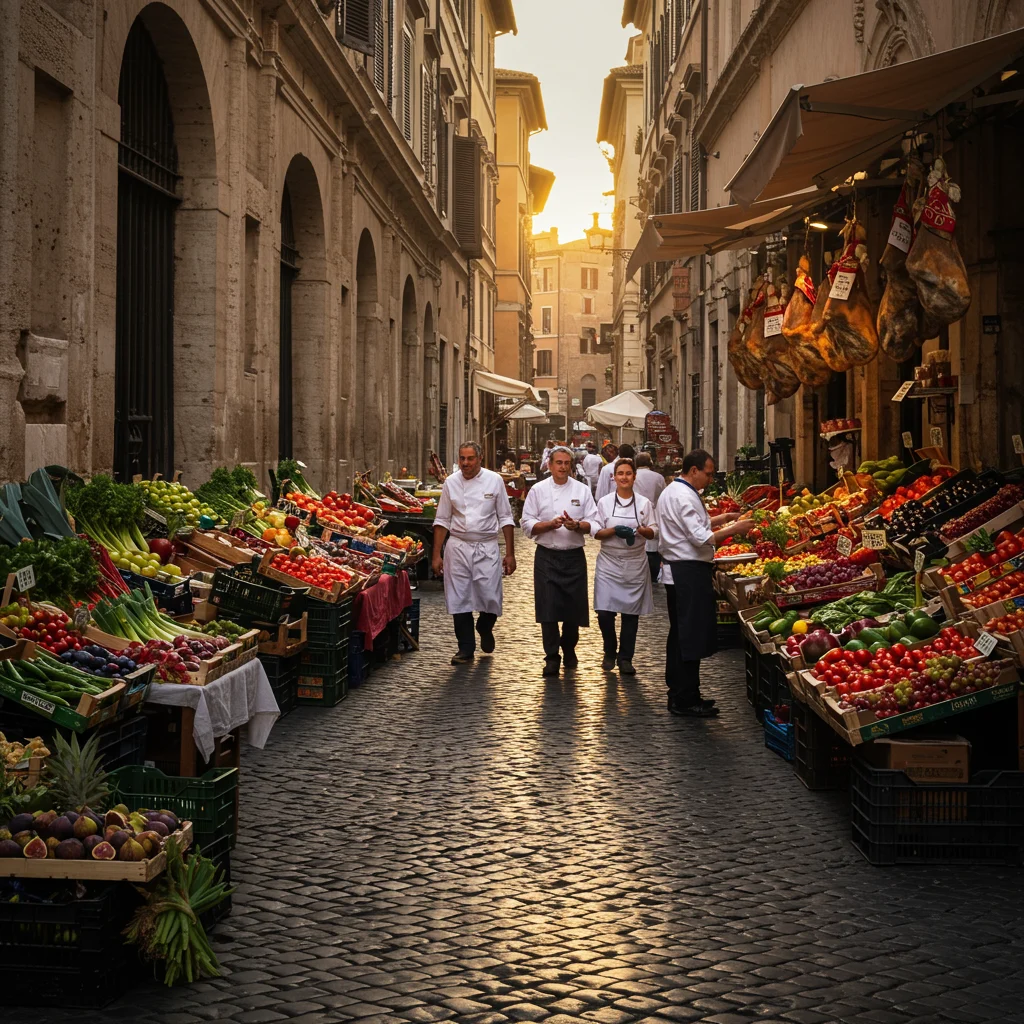
After your class, you’ll appreciate these experiences even more, recognizing the craftsmanship and tradition behind every dish.
How to Combine a Cooking Class with a Rome Food Tour?
If you want to deepen your understanding of Roman food, consider pairing your cooking class with a guided tour. Many providers offer packages that include both hands-on lessons and tastings at local markets or historic eateries.
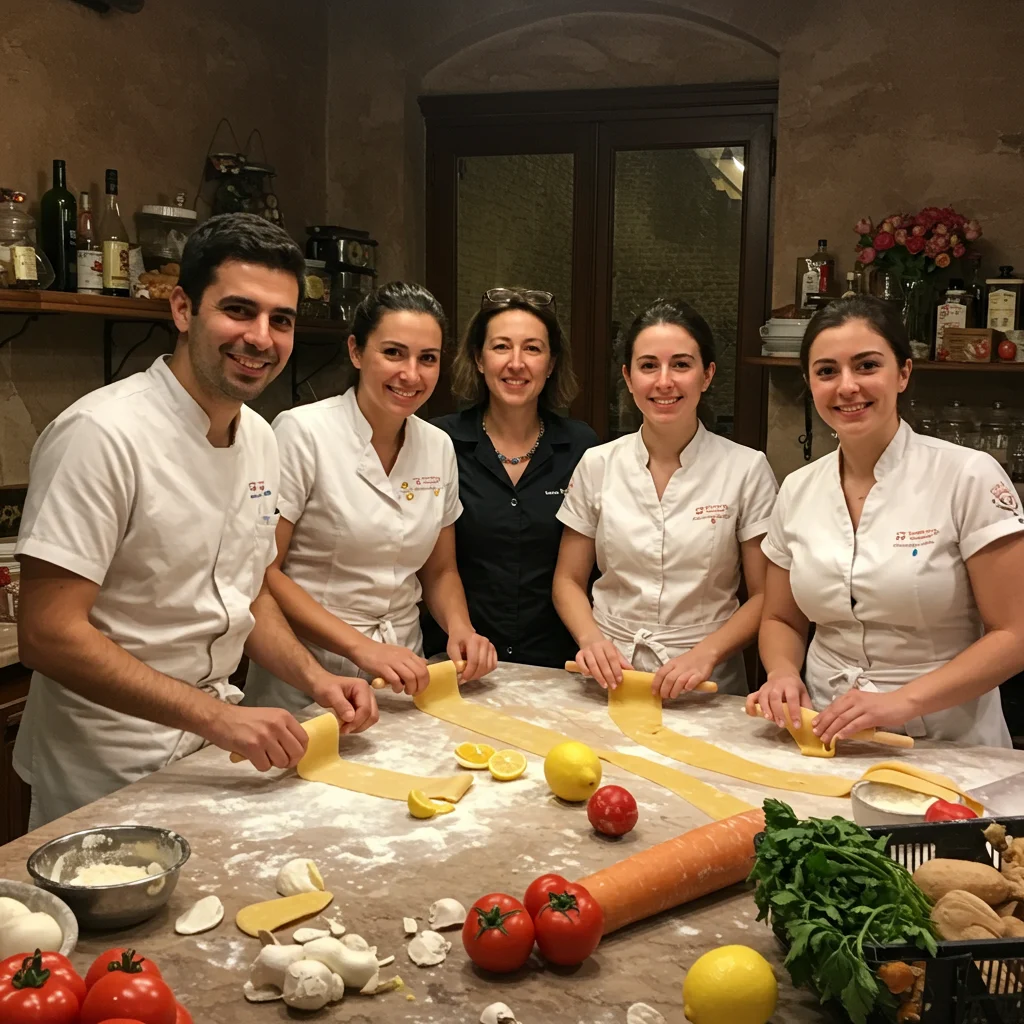
Combining these experiences gives you a well-rounded view of the city’s flavors, history, and daily life. For more ideas, see our review of the Jewish Ghetto & Navona Food, Wine & History Tour.
How to Book on Viator
Booking your Rome cooking class is easy and secure through Viator. Simply search for your preferred date, select the class that fits your interests, and complete the online reservation process.

Viator offers verified reviews, transparent pricing, and flexible cancellation policies, making it a trusted choice to plan your trip and find tours that match your style. Be sure to review all details and inclusions before confirming your booking.
Conclusion: Why Rome’s Cooking Class Is a Must-Try Experience
Joining a cooking class in Rome offers much more than a meal. It’s a chance to learn from passionate chefs, connect with fellow travelers, and take home the skills to recreate iconic dishes again and again. The laughter, aromas, and flavors will stay with you long after your journey ends.
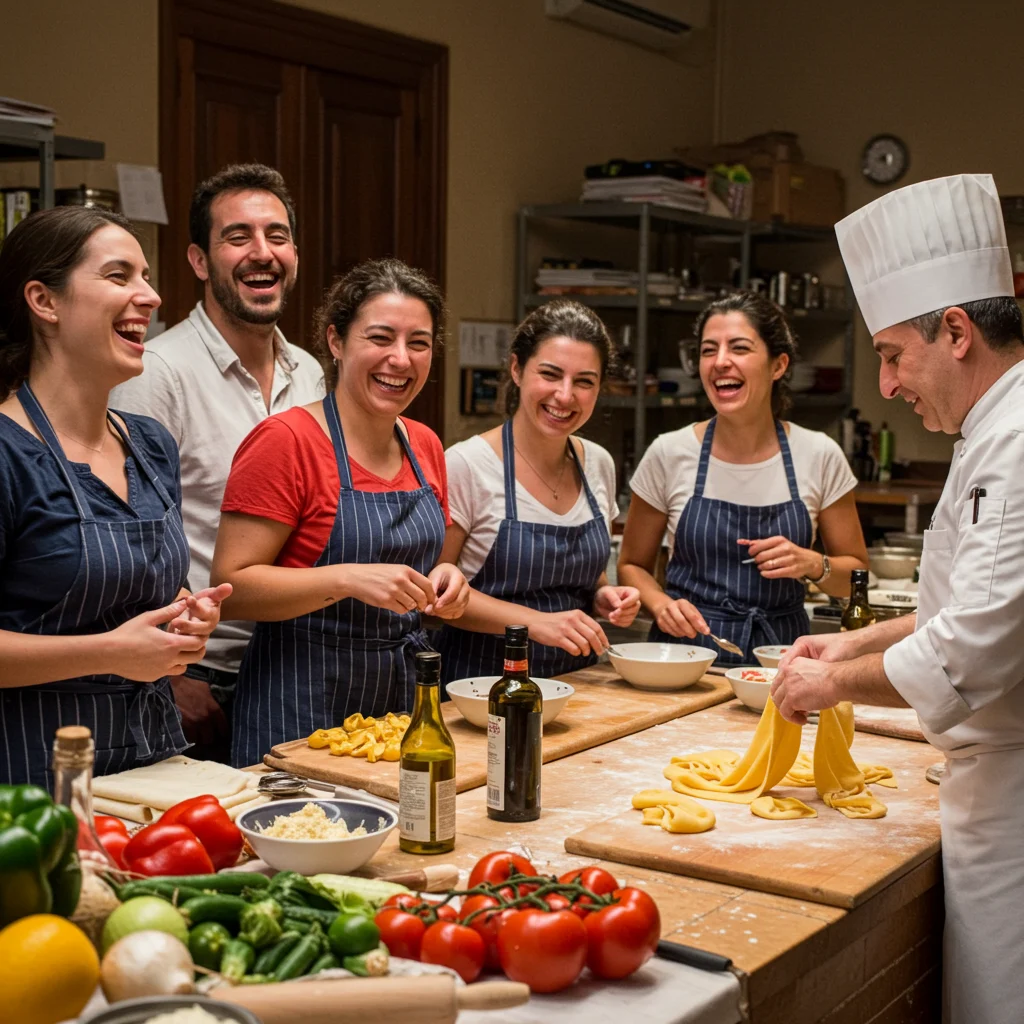
For more travel tips and inspiration, visit Izase—your trusted guide to memorable Italian experiences.
Disclaimer: This information is accurate to the best of our knowledge; however, there may be changes or mistakes. Please verify exact details on the Viator booking page.