

Introduction: Discovering Sapa, Vietnam
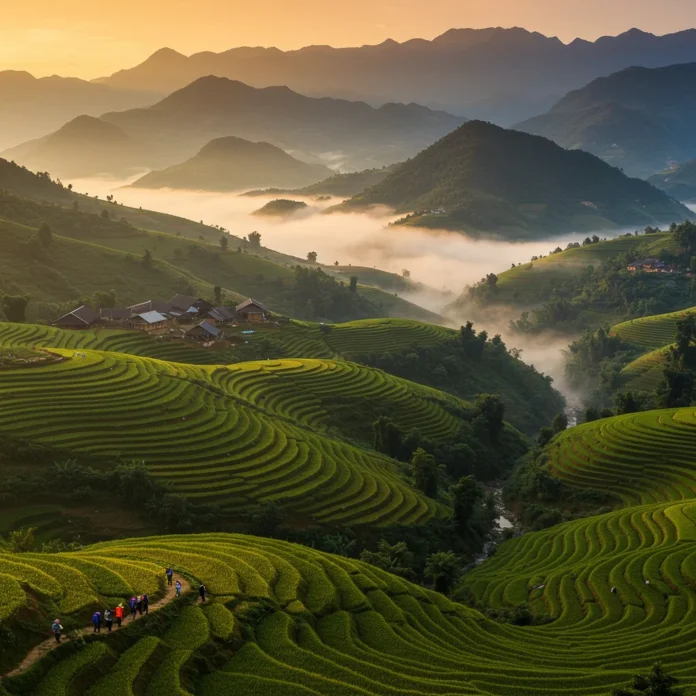
Nestled high in the Hoàng Liên Son mountains, Sapa enchants travelers with its mist-shrouded valleys, vibrant hill tribe cultures, and legendary trekking routes. As the morning sun rises, clouds drift lazily among emerald rice terraces, revealing a landscape as mystical as it is breathtaking.
Whether we seek adventure or a deeper connection with local traditions, Sapa offers a journey that stirs the senses and ignites the spirit of exploration. The cool mountain air, the sound of distant waterfalls, and the sight of colorfully dressed villagers weaving through the fields create a destination unlike any other in Vietnam.
Why Sapa Is Known as the Land Among the Clouds
Many refer to Sapa as “the land among the clouds” for its unique geography and weather, which often cloak the town in a magical mist. This nickname reflects not just the climate, but also the dreamlike beauty that draws trekkers from around the globe.
Where Is Sapa Located?
Sapa lies in the far northwest of Vietnam, close to the border with China. Perched at an altitude of about 1,500 meters (4,921 feet), it serves as the gateway to the Hoàng Liên Son mountain range and the famed Fansipan peak. The town is part of Lào Cai province, a region celebrated for its natural and cultural diversity.
The Unique Climate and Weather Patterns
The weather in Sapa is famously unpredictable. Mornings often begin cool and foggy, with clouds weaving through the valleys, while afternoons may bring bursts of sunshine or sudden rain. Temperatures can shift dramatically, especially from summer’s lush green to winter’s occasional snowfall. This ever-changing climate gives Sapa its mystical, “cloud kingdom” reputation.
What Makes Sapa a Trekking Paradise?
Sapa’s topography, with its steep mountains, terraced rice fields, and hidden villages, offers a trekking paradise for all abilities. Trails meander through bamboo forests, cross gurgling streams, and connect remote ethnic communities. The combination of dramatic scenery and cultural encounters makes every trek in Sapa a rewarding experience.
For those who enjoy mountain adventures, Sapa shares a kinship with Himalayan trekking destinations. Readers interested in similar journeys might want to see our ideas for trekking in Nepal beyond Everest.
A Brief History of Sapa
Understanding Sapa’s history adds depth to every step taken along its trails. The region’s past is woven from threads of colonial influence and the enduring presence of indigenous cultures.
Colonial Influences and Early Exploration
In the early 20th century, French colonists were drawn to Sapa’s cool climate and mountain air, establishing it as a hill station retreat. They built villas, roads, and gardens, some of which still stand today, lending the town a unique architectural character amidst its rugged surroundings.
The Indigenous Communities of Sapa
Long before the French arrived, Sapa was home to diverse ethnic groups, including the Hmong, Red Dao, Tay, and Giay peoples. Their traditions, languages, and festivals continue to shape daily life, offering visitors a chance to witness authentic cultural practices on every trek.
How to Get to Sapa
Reaching Sapa is part of the adventure, with options ranging from scenic train rides to winding mountain roads. Each mode of transport offers its own perspective on the region’s evolving landscapes.
Traveling from Hanoi to Sapa: Options and Tips
Most visitors start their journey in Hanoi, traveling northwest to Sapa. The distance is approximately 320 kilometers (200 miles), and the route climbs gradually from the Red River Delta into the highlands.
By Train: Overnight Journeys Explained
The overnight train from Hanoi to Lào Cai is a popular choice for comfort and convenience. Soft sleeper cabins provide a restful night’s journey, and upon arrival in Lào Cai, a short bus or taxi ride completes the trip to Sapa town.
By Bus: Comfort, Schedules, and Costs
Several bus companies operate comfortable sleeper and limousine buses between Hanoi and Sapa. These buses offer direct service, with travel times ranging from five to seven hours. Choosing a reputable provider is important for safety and reliability.
Private Car and Motorbike Adventures
For those seeking more independence, hiring a private car or riding a motorbike allows for stops at viewpoints and local villages along the way. However, the mountain roads can be challenging, especially in fog or rain, so caution and experience are essential.
When Is the Best Time to Visit Sapa?
Choosing the right season can transform a Sapa trek from enjoyable to unforgettable. The region’s weather and cultural calendar both play a role in planning a memorable visit.
Seasonal Weather Guide
Sapa’s climate is defined by four distinct seasons. Spring (March–May) brings blooming flowers and mild temperatures. Summer (June–August) is lush, but rain showers are frequent. Autumn (September–November) is ideal for trekking, with golden rice terraces and clear skies. Winter (December–February) can be chilly, with misty mornings and rare dustings of snow.
Festivals and Cultural Events
Sapa hosts unique festivals such as the “Gau Tao” of the Hmong and the Red Dao’s “Tet Nhay,” offering insight into local traditions. Timing a trip around these events provides a deeper connection with the region’s heritage.
Essential Packing List for Sapa Treks
Proper preparation is key for a safe and comfortable trek in Sapa’s variable mountain environment. Packing thoughtfully ensures we’re ready for any weather or trail conditions.
Clothing for Changing Mountain Weather
Layering is essential. Pack moisture-wicking shirts, a warm fleece or down jacket, rain gear, and quick-drying pants. Temperatures can shift from warm midday sun to chilly, foggy evenings.
Footwear: Choosing the Right Trekking Shoes
Sturdy, waterproof hiking boots with good ankle support are recommended. Trails can be muddy and uneven, especially after rain. Bring extra socks to keep feet dry and comfortable.
Gear and Accessories You Shouldn’t Forget
Important items include a daypack, refillable water bottle, sun protection (hat, sunglasses, sunscreen), insect repellent, headlamp, and lightweight trekking poles for stability on steep descents.
Health and Safety Essentials
A basic first-aid kit, personal medications, and hand sanitizer are vital. If trekking during the rainy season, consider packing a dry bag to protect electronics and important documents.
Trekking Routes in Sapa: An Overview
Sapa’s network of trails offers something for every trekker, from gentle village walks to challenging ascents. Each route showcases the region’s stunning landscapes and diverse cultures.
What Are the Most Popular Treks in Sapa?
Several treks stand out for their beauty and cultural encounters, attracting both first-time visitors and seasoned hikers.
Fansipan Mountain: Conquering the Roof of Indochina
At 3,143 meters, Fansipan is the highest peak in Indochina. The multi-day trek to the summit is physically demanding but rewards climbers with sweeping views above the clouds. For those with less time, a cable car offers a quicker ascent.
Cat Cat Village Trek
A short, scenic walk from Sapa town leads to Cat Cat Village, home to the Black Hmong people. The route descends through rice terraces and across wooden bridges, offering glimpses of traditional daily life and local handicrafts.
Lao Chai – Ta Van Trek
This popular trek passes through Black Hmong and Giay villages, following the Muong Hoa river. Travelers are treated to panoramic views of terraced fields and vibrant local markets.
Y Linh Ho – Muong Hoa Valley Trek
The Muong Hoa Valley route is renowned for its dramatic scenery. The trek winds through bamboo forests and hillside hamlets, with opportunities to meet friendly villagers along the way.
Silver Waterfall and Love Waterfall Trails
These shorter treks lead to two of Sapa’s most beautiful cascades. The sound of rushing water and the scent of damp earth create a refreshing contrast to the open rice fields.
Multi-Day Trekking Itineraries
Multi-day treks allow for deeper immersion in local culture and nature. Overnight stays in homestays or basic lodges offer a chance to experience village hospitality and savor home-cooked meals.
Day Treks vs. Overnight Treks: Which Is Right for You?
Day treks are ideal for those with limited time or who prefer lighter walks. Overnight treks suit adventurous travelers eager for a more authentic, off-the-beaten-path experience.
What to Expect on a Guided Trek
Hiring a local guide can transform a trek from a simple hike into a meaningful journey of discovery. Guides provide safety, cultural context, and access to hidden gems.
Benefits of Hiring a Local Guide
Local guides offer invaluable knowledge about the region’s history, culture, and natural environment. They can facilitate genuine interactions with villagers and help navigate less-traveled trails.
As experts often say:
“The best way to understand a new place is through the eyes of someone who calls it home.”
Group Treks vs. Private Treks
Group treks are a great way to meet fellow travelers and share costs, while private treks offer flexibility and a more personalized experience. Both options provide opportunities to learn from experienced guides and create lasting memories.
Cultural Encounters Along the Trails
Trekking in Sapa is as much about cultural exchange as it is about nature. Each village visit offers insight into the traditions and daily life of the region’s diverse ethnic communities.
Meeting the Hmong People
The Black Hmong are among Sapa’s most visible ethnic groups, known for their indigo-dyed clothing and intricate embroidery. Visitors often find themselves welcomed with smiles and stories, especially along the main trekking routes.
Red Dao and Other Ethnic Groups
The Red Dao people, easily recognized by their elaborate red headdresses, are skilled in herbal medicine and textile arts. Other groups such as the Tay and Giay also contribute to the region’s rich cultural mosaic.
Traditional Crafts and Souvenirs
Handmade textiles, silver jewelry, and bamboo crafts are popular souvenirs. Purchasing directly from artisans helps support local families and preserves traditional skills.
Homestay Experiences: Living Like a Local
Staying in a homestay is a highlight of any Sapa trek, offering a window into daily village life and true Vietnamese hospitality.
What Is a Sapa Homestay Like?
Homestays range from rustic wooden houses to more modern accommodations, often set amidst rice terraces or overlooking river valleys. Guests sleep in shared or private rooms, enjoy home-cooked meals, and participate in family activities.
How to Choose the Right Homestay
When selecting a homestay, consider the location, level of comfort, and reviews from previous guests. Some homestays offer cultural experiences such as cooking classes or traditional music performances.
Etiquette and Cultural Tips for Staying with Locals
Respect local customs by dressing modestly, removing shoes indoors, and asking permission before taking photos. Showing appreciation for your hosts’ hospitality creates a warm and memorable experience for everyone.
Sapa’s Breathtaking Landscapes
Few places in Vietnam rival Sapa’s natural beauty. The region’s landscapes inspire awe, from rolling rice terraces to rugged mountain peaks.
Terraced Rice Fields: When and Where to See Them
The best time to view terraced rice fields is late September, when the paddies turn a brilliant gold before harvest. Villages like Lao Chai, Ta Van, and Y Linh Ho offer panoramic views of these iconic landscapes.
Panoramic Mountain Views and Sunrise Spots
Early risers are rewarded with spectacular sunrises over the mountains, as morning mist drifts through the valleys. Popular viewpoints include Ham Rong Mountain and the summit of Fansipan.
Photography Tips for Capturing Sapa’s Beauty
Bring a camera with a wide-angle lens to capture sweeping vistas. The interplay of light and cloud creates dramatic scenes, particularly at dawn and dusk. Patience and timing are key for the perfect shot.
Wildlife and Flora of Sapa
Sapa’s forests are home to rare orchids, giant ferns, and a variety of birds. Lucky trekkers may spot mountain goats or hear the melodic calls of native songbirds as they wind through the hills.
Local Cuisine: What to Eat in Sapa
Sampling local dishes is an essential part of the Sapa experience, with flavors as bold and varied as the region’s landscapes.
Must-Try Dishes and Street Food
Signature dishes include “thang co” (a hearty stew), grilled meats, sticky rice in bamboo, and fresh mountain vegetables. Street stalls offer snacks like sweet potatoes, chestnuts, and corn roasted over open flames.
Where to Eat: Best Restaurants and Markets
Sapa town boasts a range of restaurants, from casual eateries to upscale dining with mountain views. Local markets are bustling with energy and the aroma of freshly cooked specialties.
Vegetarian and Dietary Considerations
Vegetarians will find options such as tofu stir-fries, vegetable soups, and rice dishes. It’s helpful to communicate dietary needs clearly, as some traditional meals include meat or fish-based broths.
Sapa Town: Exploring Beyond the Trails
After a day of trekking, Sapa town offers plenty of opportunities to unwind, shop, and soak in the local atmosphere.
Markets and Shopping in Sapa
The central market is a lively hub where villagers sell fresh produce, handicrafts, and textiles. Bargaining is common, and shopping here supports local artisans.
For those who enjoy discovering unique local shops, you might appreciate our insights into hidden gems in Morrisville, PA, where local markets also play a central role.
Cafés and Nightlife: What to Do After Dark?
Charming cafés line the streets, offering Vietnamese coffee and pastries with a view. In the evenings, live music venues and bars provide a relaxed atmosphere to share stories with fellow travelers.
Cultural Sites and Attractions
Explore the beautiful stone church, visit local temples, or take in a traditional dance performance. Each site reflects a blend of history and cultural pride.
Staying Safe While Trekking in Sapa
Safety should always be a priority when trekking in the mountains. Preparation and awareness can help prevent most common issues.
Dealing with Changing Weather Conditions
Weather can shift rapidly in Sapa. Always check forecasts before setting out, pack rain gear, and be prepared to adjust plans if conditions deteriorate.
Altitude Sickness: What You Need to Know
While Sapa’s altitude is generally safe, some may experience mild symptoms such as headaches or fatigue. Staying hydrated and allowing time to acclimatize can help minimize discomfort.
Emergency Contacts and Medical Facilities
Carry a list of emergency numbers and know the location of the nearest clinic or hospital. Guides and homestay hosts can assist in case of illness or injury.
Responsible Tourism and Sustainable Trekking
Travelers play an important role in preserving Sapa’s environment and culture. Small actions can have a lasting positive impact.
How to Respect Local Culture and Environment
Learn basic greetings in the local language, ask before entering homes, and avoid photographing people without permission. Observing local customs fosters goodwill and deeper connections.
Minimizing Your Environmental Impact
Stick to established trails, avoid picking plants, and use refillable water bottles to reduce plastic waste. Responsible trekking helps protect Sapa’s fragile ecosystems for future generations.
Supporting Local Communities
Choose local guides, stay in family-run homestays, and purchase crafts directly from artisans. Supporting community-based tourism ensures that economic benefits remain in the region.
Packing Out What You Pack In
Always carry your trash out with you, including food wrappers and bottles. Leaving no trace is a simple but powerful way to preserve Sapa’s beauty.
Travel Costs: How Much Does a Sapa Trekking Trip Cost?
Budgeting for a Sapa trek involves several factors, from accommodation and food to guide services and transport.
Budgeting for Accommodation, Food, and Guides
Homestays and guesthouses offer affordable rates, while luxury hotels and eco-lodges are available for higher budgets. Meals at local restaurants are reasonably priced, and guide fees vary depending on group size and trek length.
Money-Saving Tips for Sapa Travelers
- Travel during the shoulder seasons for lower prices and fewer crowds.
- Book treks and accommodation in advance, especially during peak periods.
- Join group tours to split costs on guides and transportation.
- Eat at local markets for authentic, budget-friendly meals.
Families planning a Vietnam adventure may also find value in exploring options like Vinpearl Land for family-friendly activities.
What Are the Best Places to Stay in Sapa?
Sapa offers a variety of accommodations, from backpacker hostels to luxury resorts, each with its own charm and amenities.
Hotels, Hostels, and Luxury Resorts
Sapa town features comfortable hotels and hostels within walking distance of restaurants and markets. Upscale resorts on the outskirts offer panoramic views and premium services.
Unique Accommodations: Eco-Lodges and Boutique Stays
Eco-lodges and boutique homestays provide an immersive experience, often set amid rice fields or perched on hillsides. These lodgings focus on sustainability and local character.
Booking Tips and Peak Season Advice
Book early for the best choice of rooms, especially during harvest season or major festivals. Reading recent reviews can help ensure a pleasant stay.
Solo, Group, or Family Trekking: What Should You Consider?
Choosing the right trekking style depends on group composition, fitness levels, and personal preferences.
Trekking with Kids: Is It Suitable?
Sapa offers family-friendly treks with shorter distances and gentle terrain. Guides can tailor routes to suit children and ensure a safe, enjoyable experience.
Women-Only and Solo Female Treks
Solo and women-only treks are increasingly popular. Local guides and homestays provide a safe, welcoming environment for all travelers.
Making Friends on the Trail
Group treks, shared meals, and village homestays create natural opportunities to connect with fellow adventurers from around the world.
Essential Vietnamese Phrases for Trekkers
Learning a few key phrases can make interactions smoother and more rewarding, especially in remote villages where English is less common.
Useful Words for Navigating Sapa
- Xin chào (Hello)
- Cảm ơn (Thank you)
- Nhà vệ sinh ở đâu? (Where is the bathroom?)
- Giá bao nhiêu? (How much is it?)
- Nước (Water)
Communicating with Locals: Tips and Resources
Speaking slowly, using gestures, and smiling go a long way. Translation apps and phrasebooks can bridge language gaps when needed.
How to Plan Your Sapa Trekking Itinerary
A well-planned itinerary maximizes both adventure and relaxation, allowing for cultural immersion and scenic highlights.
Sample 3-Day and 5-Day Itineraries
A 3-day trek might include visits to Cat Cat, Lao Chai, and Ta Van, with a night in a local homestay. A 5-day itinerary allows for deeper exploration of more remote villages and a possible Fansipan summit attempt.
Customizing Your Trek for Interests and Fitness
Tailor your trek by selecting routes that match your interests, whether photography, culture, or challenging climbs. Guides can help adjust distances and difficulty levels to suit all ages and abilities.
Frequently Asked Questions About Trekking in Sapa
Many first-time visitors have questions about permits, guides, and practicalities. Here are some of the most common concerns.
Do You Need Permits for Trekking?
Permits are required for certain routes and national parks. Most guides and tour operators arrange these on your behalf.
Can You Trek Without a Guide?
While independent trekking is possible on some routes, hiring a guide is recommended for safety, navigation, and cultural insights.
What About Internet and Mobile Connectivity?
Mobile coverage is generally good in Sapa town and along main trekking routes, though it may be limited in remote areas. Many homestays offer Wi-Fi, but speeds can be variable.
How to Book on Viator
Booking your Sapa trekking adventure is simple with Viator. Their platform allows you to find tours, compare options, and read verified reviews from fellow travelers.
We recommend using Viator to plan your trip for peace of mind and a wide selection of guided trekking experiences.
Final Thoughts: Why Sapa Should Be on Your Bucket List
Sapa’s misty mountains, terraced fields, and warm-hearted communities create an experience that touches both body and soul. Whether we seek adventure, culture, or natural beauty, Sapa offers memories that last a lifetime.
At Izase, we believe every traveler deserves to witness the magic of Sapa at least once. For more inspiration and resources, visit Izase and let your own journey among the clouds begin.
“Disclaimer: This information is accurate to the best of our knowledge; however, there may be changes or mistakes. Please verify exact details on the Viator booking page.”