
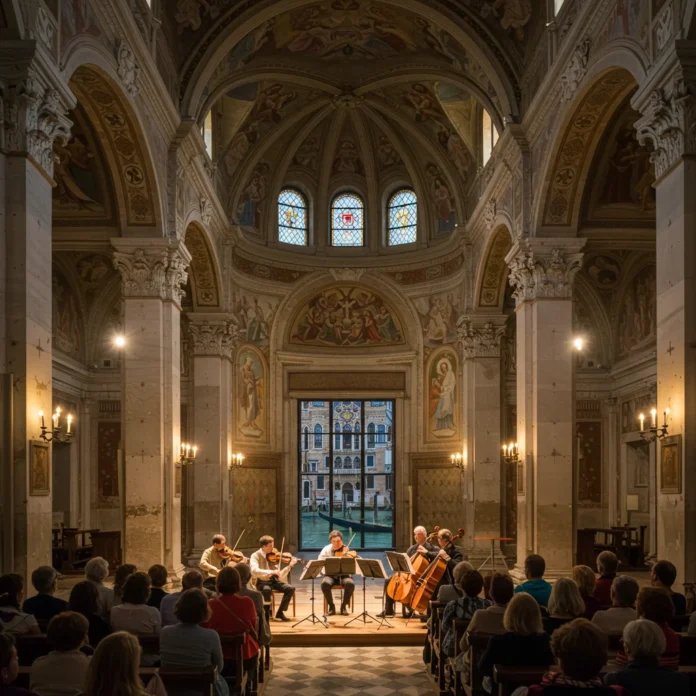

Introduction to the Venice Concert Experience
Attending a Vivaldi concert in Venice is an evocative sensory journey. The city’s labyrinthine canals, centuries-old architecture, and the faint scent of saltwater in the air combine to create a setting unlike any other for classical music. As dusk settles, the warm glow of lanterns and the gentle lapping of gondolas provide a backdrop that heightens every note played within Venice’s historic churches.
What Makes Venice a Unique Setting for Classical Music?
Venice is a city shaped by its waterways and rich artistic heritage. The interplay of stone, water, and light has inspired composers, painters, and poets for centuries. Listening to music here, especially pieces written by native son Antonio Vivaldi, brings the past vividly to life. The resonance of strings against ancient stone walls creates an atmosphere impossible to replicate elsewhere.
Why Attend a Concert in a Venetian Church?
Venetian churches offer an intimate and atmospheric alternative to conventional concert halls. The sense of history within these sacred spaces is palpable—the flicker of candles, intricate frescoes, and the lingering echo of prayers all combine to deepen the emotional impact of the music. Concerts held in these venues allow us to experience Vivaldi as his contemporaries might have, surrounded by the same architecture and spiritual ambiance.
Overview of Vivaldi’s Four Seasons
Vivaldi’s Four Seasons stands as one of the most recognizable and beloved works in the classical canon. This set of violin concertos paints a vivid sonic portrait of the changing year, capturing the essence of each season with energy and imagination.
Who Was Antonio Vivaldi?
Antonio Vivaldi was a Venetian composer, violinist, and priest, born in 1678. Known as “The Red Priest” for his distinctive hair, Vivaldi was both a prolific composer and a charismatic performer. He taught and wrote music for the Ospedale della Pietà, a renowned girls’ orphanage, shaping the city’s musical culture for generations.
The Historical Context of The Four Seasons
Composed in 1723, The Four Seasons was revolutionary for its time. These concertos were published as part of Vivaldi’s Opus 8 and quickly became popular throughout Europe. Their vivid musical storytelling and emotional immediacy set new standards for instrumental music.
What Inspired Vivaldi’s Four Seasons?
Vivaldi drew inspiration from the rhythms of nature, daily Venetian life, and his own poetic imagination. Each concerto was paired with a sonnet—possibly written by Vivaldi himself—that describes the sights and sensations of each season. These sonnets provide a literary roadmap for the musical journey, guiding listeners through spring rains, summer storms, autumn harvests, and winter’s chill.
Structure and Movements of The Four Seasons
Each of the four concertos consists of three movements, typically following a fast-slow-fast structure. This format allows for dramatic contrasts and expressive depth within each piece.
Spring
The Spring concerto bursts forth with lively melodies that evoke birdsong, gentle breezes, and the awakening of nature. The music shimmers with optimism and renewal, painting a landscape of blossoming flowers and playful streams.
Summer
In Summer, the music shifts to sultry heat and sudden thunderstorms. Listeners can almost feel the oppressive warmth and the electric tension in the air, followed by exhilarating musical depictions of thunder and rain.
Autumn
Autumn celebrates the harvest with rustic dances and jubilant themes. The concerto captures scenes of grape gathering, festive celebrations, and the gradual descent into the cooler months.
Winter
Winter is marked by icy textures and brisk, swirling passages that conjure images of shivering travelers, crackling fires, and the stark beauty of a snow-covered landscape.
Symbolism and Imagery in the Music
Vivaldi’s use of musical imagery is masterful. He employs specific techniques—trills to mimic birds, rapid scales for flowing water, and dissonances for storms—to create a vivid, almost cinematic experience. The result is a work that appeals both intellectually and emotionally, allowing listeners to “hear” the seasons unfold.
Venetian Churches as Concert Venues
Venice’s historic churches are more than just architectural treasures; they are living spaces where music and spirituality intersect. These venues offer a sense of intimacy and grandeur that amplifies the power of live performance.
Which Churches Host Vivaldi Concerts in Venice?
Several Venetian churches regularly host Vivaldi concerts. These include both grand basilicas and smaller, lesser-known chapels. The choice of venue can influence the overall experience, from the acoustics to the visual setting.
History of Sacred Music in Venetian Churches
Sacred music has flourished in Venice for centuries. Churches served as both places of worship and cultural centers, where composers like Vivaldi, Monteverdi, and Gabrieli premiered new works. This tradition continues today, with concerts offering a bridge between past and present.
Acoustics and Atmosphere: What to Expect
The acoustics in Venetian churches are shaped by their high ceilings, marble floors, and vaulted naves. Sound lingers and blooms, creating a lush, enveloping effect that enhances the emotional impact of the music. The interplay of candlelight and shadow adds to the sense of occasion, making each concert a multisensory event.
The Role of Architecture in the Concert Experience
Architectural features such as domes, arches, and ornate altars play a vital role in shaping the sound and atmosphere of a concert. The layout of each church affects how music travels and where the best listening spots are located. These elements combine to make each performance unique, even when the same program is performed.
Famous Venetian Churches for Concerts
While many churches host concerts, a few stand out for their history and beauty.
Chiesa di San Vidal
The Chiesa di San Vidal is one of Venice’s most popular venues for Vivaldi concerts. Its central location and superb acoustics make it a favorite among both locals and visitors. The church’s understated elegance allows the music to take center stage.
Santa Maria della Pietà
Santa Maria della Pietà holds special significance as the church where Vivaldi himself worked and taught. Attending a concert here offers a direct connection to the composer’s legacy. The church’s luminous interior and excellent sound quality create a memorable listening experience.
Other Notable Venues
Other venues, such as San Giovanni Evangelista and San Stae, also host regular concerts. Each offers its own unique blend of history, acoustics, and ambiance. For those interested in a broader exploration of Venice’s sacred sites, our post on Venice’s most iconic landmarks provides further insights.
Planning Your Venice Vivaldi Concert Visit
Organizing a visit to a Vivaldi concert in Venice requires some thoughtful planning. From selecting the right performance to understanding the logistics, a little preparation goes a long way in ensuring a rewarding experience.
How to Choose the Best Concert for You?
With multiple performances taking place each week, it’s important to consider factors such as location, ensemble size, and program details. Some concerts feature full orchestras, while others offer more intimate chamber performances. Reading reviews and checking schedules can help you find the option that best fits your preferences.
Types of Vivaldi Concerts Available
There are several formats in which The Four Seasons is performed in Venice. Understanding the differences between them will help you make an informed choice.
Soloists vs. Ensembles: What’s the Difference?
Some concerts spotlight a single virtuoso violinist, while others feature small ensembles or full chamber orchestras. Solo performances tend to be more intimate, with greater emphasis on individual artistry. Ensemble performances offer a richer, more layered sound.
Daytime vs. Evening Performances
Daytime concerts provide a serene atmosphere, often accompanied by natural light filtering through stained glass. Evening performances, on the other hand, are imbued with a sense of romance and drama, enhanced by candlelight and the gentle hush of the city at night.
How to Book Tickets for a Vivaldi Concert in Venice?
Securing tickets in advance is highly recommended, especially during peak tourist seasons. Several options are available for booking.
Online Booking Platforms
Many visitors choose to book activities through reputable online platforms. These sites offer a range of dates, venues, and seating options, making it easy to compare choices and secure your spot ahead of time.
Purchasing at the Venue
Some churches sell tickets directly at the door, but availability is not guaranteed. Arriving early can increase your chances, but last-minute purchases carry the risk of sold-out performances, especially during popular times.
Tips for Securing the Best Seats
To enjoy optimal acoustics and sightlines, consider the following tips:
- Book as early as possible, especially for front-row or central seats.
- Check seating charts when available, as some venues have reserved and general admission sections.
- Arrive at least 30 minutes before the concert to select your preferred spot.
What to Wear to a Church Concert in Venice?
Dress codes for church concerts tend to be respectful but not overly formal. Comfort and modesty are key, especially given the sacred setting.
Dress Code Guidelines
We recommend smart-casual attire. Shoulders should be covered, and shorts or revealing outfits are best avoided. For men, a collared shirt and trousers are appropriate; for women, a blouse or dress with a shawl or cardigan is ideal.
Seasonal Considerations
Venetian churches can be cool in winter and warm in summer. Layering is advisable so you can adjust to the temperature inside. Comfortable shoes are also a wise choice, as getting to the venue often involves walking over bridges and cobblestones.
Arriving at the Venue: What to Expect
Arriving at a Venetian church for a concert is part of the experience. The anticipation builds as you approach the softly lit entrance, greeted by the gentle murmur of fellow concertgoers and the distant strains of tuning instruments.
Navigating Venice to Reach the Church
Venice’s winding streets and canals can be confusing, especially after dark. Allow extra time for navigation, and consider using a map or GPS-enabled phone. Vaporetto (water bus) stops are often located near major churches, providing a scenic and convenient way to arrive.
Accessibility for Visitors
Many churches make accommodations for visitors with mobility challenges, though some older buildings may have steps or uneven flooring. Check in advance with the venue or your booking platform for specific accessibility information.
Experiencing the Concert: A Step-by-Step Guide
Attending a Vivaldi concert in a Venetian church is a layered experience, from the moment you enter the sacred space to the final standing ovation.
Pre-Concert Atmosphere and Rituals
As the audience gathers, a hush falls over the church. The air is tinged with anticipation and the faint aroma of incense. Musicians tune their instruments, and the gentle hum of conversation fades as the lights dim. This ritual sets the stage for an immersive musical journey.
Seating and Acoustics Inside the Church
Seating is typically arranged to maximize the listening experience. The sound envelops listeners, with notes reverberating off ancient stone and wood. Every subtle nuance of the performance is amplified by the unique acoustics of the church, lending the music an ethereal quality.
How Does the Setting Enhance the Performance?
The interplay of music and architecture creates a synergy that heightens the emotional impact of the concert. The sacred space inspires both performers and audience, forging a connection that transcends time and place.
As experts often say:
“Music in Venice is not just heard—it is felt in the bones, carried through the marble and the air until it becomes part of the city’s soul.”
Audience Etiquette During Performances
Maintaining respectful silence during the performance is customary. Applause is typically reserved for the end of each movement or piece. Photography and phone use are discouraged, preserving the integrity of the experience for all.
Meet the Musicians: Who Performs Vivaldi in Venice?
The musicians who bring Vivaldi’s Four Seasons to life in Venice are among the city’s most talented. Their dedication and artistry are evident in every note, whether performed by a seasoned ensemble or a rising soloist.
Renowned Ensembles and Soloists
Venice is home to several acclaimed chamber orchestras and soloists, many of whom specialize in Baroque music. Performers often have international reputations and bring a deep understanding of Vivaldi’s style to each concert.
Profiles of Featured Performers
Featured soloists are often graduates of prestigious conservatories, boasting extensive experience with Baroque repertoire. Ensembles such as Interpreti Veneziani and I Virtuosi Italiani are known for their passionate interpretations and technical mastery.
The Role of the Conductor
In these intimate settings, the conductor may also perform as a soloist or violinist. Their leadership shapes the tempo, dynamics, and emotional arc of the performance, ensuring a unified interpretation of Vivaldi’s vision.
Instruments Used in Authentic Vivaldi Performances
Many Venetian ensembles use period instruments to achieve an authentic Baroque sound. The warm, mellow tones of gut strings and historical bows differ noticeably from their modern counterparts.
Baroque Instruments vs. Modern Instruments
Baroque violins, cellos, and harpsichords have distinct timbres that evoke the world of 18th-century Venice. Some concerts feature a mix of modern and period instruments, offering a broader sonic palette.
The Violin’s Significance in The Four Seasons
The violin takes center stage in The Four Seasons. Its expressive range and agility allow the soloist to convey everything from birdsong to thunder. The violin’s prominence is a testament to Vivaldi’s own virtuosity and his deep connection to the instrument.
Behind the Scenes: Rehearsals and Preparation
Behind every performance lies hours of rehearsal and careful coordination. Musicians work together to refine phrasing, balance, and interpretation, often drawing inspiration from historical research and the unique qualities of each venue. This dedication ensures that every concert remains fresh and compelling.
The Legacy of Vivaldi in Venice
Antonio Vivaldi’s influence continues to shape Venice’s musical identity. His works are a living testament to the city’s vibrant cultural life, drawing audiences from around the world.
Vivaldi’s Influence on Venetian Music Culture
Vivaldi’s prolific output and innovative techniques left a lasting mark on both sacred and secular music in Venice. His approach to melody, rhythm, and orchestration inspired generations of composers and continues to be celebrated in the city’s concert halls and churches.
The History of Vivaldi’s Orphan Choirs
Vivaldi’s association with the Ospedale della Pietà is legendary. Here, he composed for and directed all-female ensembles of orphaned girls, many of whom became highly skilled musicians. Their performances were renowned throughout Europe and played a crucial role in Venice’s musical life.
Modern Revival of Vivaldi’s Works in Venice
In recent decades, there has been a renewed interest in performing Vivaldi’s music as it was originally intended. This revival has led to historically informed performances, the restoration of Baroque instruments, and a surge in international visitors seeking authentic musical experiences.
For those interested in how Vivaldi’s legacy extends beyond Venice, our article on the Vivaldi concert tradition in Vienna offers a fascinating comparison.
Why Is The Four Seasons So Popular Today?
The enduring popularity of The Four Seasons lies in its universal appeal. The music’s vivid depictions of nature, emotional range, and technical brilliance resonate with audiences of all ages and backgrounds. Each performance offers new insights and sensations, ensuring the work remains fresh and exciting.
Visitor Reviews: What Do Audiences Say?
Feedback from concertgoers consistently highlights the transformative quality of hearing Vivaldi’s Four Seasons in Venice. Many describe it as a highlight of their trip, praising not only the musicianship but also the setting and atmosphere.
Firsthand Experiences and Testimonials
Visitors often mention the thrill of sitting in centuries-old pews, surrounded by frescoes and candlelight. The immediacy of live music, combined with the beauty of the churches, creates an experience that lingers long after the final note.
Common Highlights and Memorable Moments
Frequent highlights include the virtuosity of the soloists, the dramatic contrasts between movements, and the haunting reverberation of the final chords. Many guests appreciate the opportunity to witness a living tradition in the very city where it began.
Tips for Making the Most of Your Concert Night
To maximize the enjoyment of your concert evening, consider pairing your musical experience with other Venetian delights.
Combining Your Concert with a Venetian Dinner
Many visitors choose to start or end their evening with a meal at a local trattoria. Sampling Venetian cuisine—from fresh seafood to risotto and cicchetti—adds another layer of pleasure to the night. For those seeking recommendations, our guide on authentic Venetian food experiences offers valuable insights.
Other Nighttime Activities in Venice
After the concert, Venice’s nocturnal charm awaits. A stroll along the Grand Canal, a late-night gelato, or even a moonlit gondola ride can round out a perfect evening. The city’s quieter nighttime atmosphere allows for peaceful reflection and a deeper appreciation of its beauty.
Photography and Souvenirs: What’s Allowed?
Most venues prohibit photography during the performance, but you may be able to capture a few images before or after the concert. Programs and CDs are often available for purchase, serving as tangible reminders of your evening.
If you’re inspired by the idea of memorable nights in Europe, our article on the Paris evening cruise with dinner offers another perspective on combining music, dining, and atmosphere.
Frequently Asked Questions About Venice Vivaldi Concerts
We’ve gathered answers to some of the most common questions to help you plan your visit with confidence.
Are Children Welcome at Church Concerts?
Most concerts are family-friendly, though the formal setting may not suit very young children. Older children with an interest in music are likely to find the experience inspiring and enjoyable.
Is Photography Permitted During the Performance?
Photography, video, and phone use are generally not allowed during the concert. This policy preserves the atmosphere and minimizes distractions for both performers and audience members.
How Long Do the Concerts Last?
Most Vivaldi concerts last between 60 and 90 minutes, often including a brief intermission. This length allows for a full performance of The Four Seasons and, in some cases, additional Baroque works.
Can You Meet the Musicians After the Show?
In some cases, musicians are available to greet audience members after the performance, especially in smaller venues. This provides a wonderful opportunity to express appreciation and ask questions about the music or instruments.
How to Book on Viator
Booking your Vivaldi concert tickets is straightforward with Viator. Their user-friendly platform allows you to find tours, compare options, and secure your seats with confidence. Simply select your preferred date and venue, review the available programs, and complete your reservation online.
Viator also provides detailed information about each concert, including accessibility, duration, and cancellation policies. We recommend using their platform for a seamless and reliable booking experience.
Conclusion: Why a Vivaldi Concert in a Venetian Church Is Unforgettable
Attending a Vivaldi concert in Venice is more than a musical event—it is a journey through history, art, and emotion. The interplay of world-class musicianship, breathtaking architecture, and the lingering spirit of Antonio Vivaldi creates memories that endure long after the final note fades.
For those seeking a truly special cultural experience, we wholeheartedly recommend adding a church concert to your Venetian itinerary. And if you’re looking for more inspiration or travel tips, the team at Izase is dedicated to helping you plan unforgettable adventures across Europe.
Disclaimer: This information is accurate to the best of our knowledge; however, there may be changes or mistakes. Please verify exact details on the Viator booking page.