
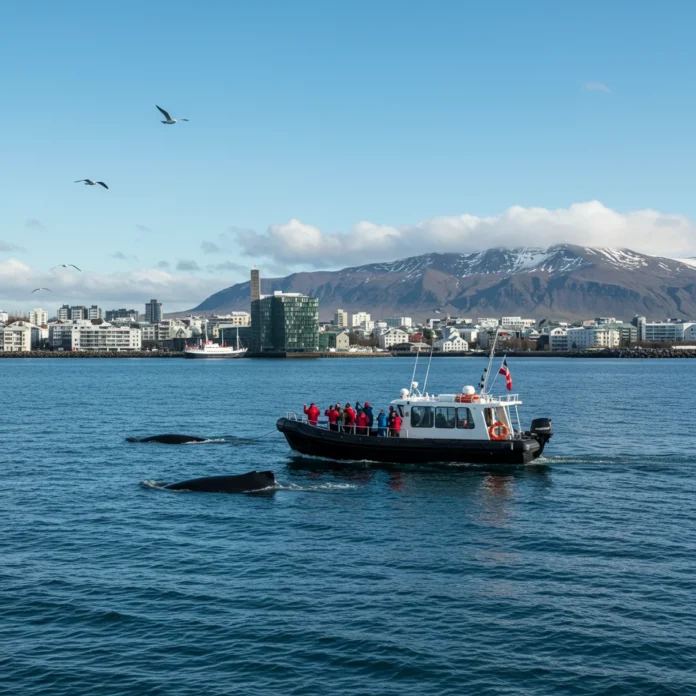

Introduction to Whale Watching in Reykjavik
Whale watching is one of the most exhilarating experiences available in Reykjavik, offering visitors a chance to witness the majesty of marine life in Iceland’s pristine waters. The city’s proximity to abundant feeding grounds makes it an ideal starting point for both first-time observers and seasoned enthusiasts. From the bustling harbor, tours set out daily, promising breathtaking encounters with some of the ocean’s most impressive creatures.
The anticipation begins as soon as you step onto the dock—the crisp air tinged with salt, the distant calls of seabirds, and the gentle rocking of boats moored at the pier. Few activities rival the excitement of scanning the horizon for a telltale spout or the sudden arc of a whale’s back breaking the surface.
Why Choose Reykjavik for Whale Watching?
Reykjavik stands apart as a whale watching destination due to its unique geographical location and ease of access. The rich waters just off the coast attract a variety of whale species, and tours depart directly from the city’s central harbor, eliminating the need for lengthy transfers.
In addition to the stunning natural environment, Reykjavik offers modern amenities, experienced guides, and a vibrant cultural scene to complement your marine adventure. Pairing your whale watching tour with other local attractions, such as the Lava Show in Reykjavik, can create a truly memorable itinerary.
What Makes Reykjavik’s Classic Whale Watching Tours Unique?
Classic whale watching tours from Reykjavik are renowned for their comfort, educational value, and high probability of sightings. Operators typically use large, stable boats equipped with indoor and outdoor viewing areas, ensuring a pleasant journey regardless of weather conditions.
Knowledgeable guides offer insightful commentary, sharing facts about local marine life and the history of Icelandic seafaring. The combination of expert guidance and dramatic North Atlantic scenery makes each trip both informative and awe-inspiring.
Types of Whales You Can See Near Reykjavik
The waters surrounding Reykjavik are home to a diverse range of whale species. Depending on the time of year, you may encounter anything from playful dolphins to massive baleen whales during your tour.
Which Whale Species Are Most Common?
Among the most frequently spotted species are minke whales, humpback whales, and white-beaked dolphins. Minke whales, in particular, are known for their curious nature and may approach boats for a closer look.
Humpback whales often delight passengers with acrobatic breaches and tail slaps, offering incredible photo opportunities. White-beaked dolphins are commonly seen darting alongside vessels, their sleek bodies glistening in the northern sunlight.
Rare and Seasonal Whale Sightings
While less common, sightings of orca (killer whales), blue whales, and fin whales are possible, especially during peak feeding periods in summer. These appearances are considered special highlights by both guides and guests.
Seasonal migrations influence which species are present in the bay, so each tour can offer a unique mix of encounters.
Other Marine Life You Might Spot
Beyond whales, the bay teems with life. Harbor porpoises are often seen darting through the waves, while seals sometimes lounge on rocky outcrops near the shore. Bird enthusiasts may also spot puffins, gannets, and arctic terns soaring overhead or nesting on nearby islands.
When Is the Best Time for Whale Watching in Reykjavik?
Timing plays a key role in maximizing your whale watching experience. Seasonal shifts affect which species are present and how easy they are to spot. Weather conditions can also influence visibility and comfort while on the water.
Seasonal Differences in Whale Watching
Summer months from April to September are considered prime whale watching season in Reykjavik. The extended daylight and abundant food attract a greater variety of whales, increasing your chances of memorable sightings.
Winter tours are still available, often with fewer crowds and a special chance to witness the serene beauty of Iceland’s coastal landscapes under a soft, low sun.
Monthly Whale Watching Calendar
Each month brings its own highlights. For example:
- April–June: Minke whales and dolphins are most common.
- July–August: Peak time for humpback whales and occasional orca sightings.
- September–March: Fewer species, but tours still operate with good chances for minke and dolphins.
Weather Conditions and Their Impact
The North Atlantic can be unpredictable, with conditions ranging from calm, glassy seas to brisk winds and choppy waves. Overcast skies or light rain are common but rarely diminish the excitement of a whale watching trip.
We recommend dressing in layers and preparing for possible changes in weather. For those interested in pairing their whale watching with other natural phenomena, Northern Lights tours in Iceland are a popular evening activity during the winter months.
How to Choose the Right Whale Watching Tour
Selecting the ideal tour involves considering factors such as boat type, group size, tour length, and the operator’s commitment to responsible practices. Each element can shape your overall experience on the water.
Classic vs. Express Tours: What’s the Difference?
Classic tours typically use larger vessels, offering a steadier ride and ample indoor seating. These tours last between 2.5 to 3.5 hours, making them suitable for families and those who prefer a relaxed pace.
In contrast, express tours use faster, smaller RIB boats that zip across the waves, reaching feeding grounds quickly. While thrilling, they are best suited for adventurous travelers who don’t mind braving the wind and occasional spray.
Group Size and Boat Types
Some tours cater to small groups, providing a more personalized atmosphere and easier access to guides for questions. Others operate with larger groups, which can be livelier but may feel less intimate.
Boat types range from traditional fishing vessels with open decks to modern catamarans equipped with multiple viewing platforms and heated lounges.
Eco-Friendly and Responsible Tours
Many Reykjavik operators prioritize sustainable whale watching by adhering to local regulations and minimizing disturbance to wildlife. Look for companies that use fuel-efficient vessels, avoid chasing or crowding whales, and support marine research or conservation efforts.
What to Look for in a Tour Operator
When evaluating operators, we suggest checking for the following:
- Experienced, knowledgeable guides with a passion for marine life
- Clear communication regarding safety and environmental policies
- Positive reviews from past travelers
- Commitment to customer comfort and satisfaction
Choosing a reputable operator enhances your experience and contributes to the long-term health of Iceland’s marine ecosystem.
How Much Do Whale Watching Tours Cost in Reykjavik?
Tour prices in Reykjavik vary based on duration, vessel type, and included amenities. On average, classic tours range from 10,000 to 15,000 ISK per adult, with discounts often available for children or families.
What’s Included in the Price?
Most tours include:
- Guided commentary in English (and sometimes other languages)
- Use of warm overalls or rain gear
- Access to indoor and outdoor seating
- Onboard restrooms
Are There Discounts or Family Packages?
Operators frequently offer reduced rates for children, students, or seniors. Some tours provide family packages that bundle tickets for parents and children at a lower overall price.
It’s wise to check for special promotions when booking, especially during shoulder seasons or in conjunction with other local experiences such as the Golden Circle and Secret Lagoon tours.
Booking Your Whale Watching Tour
To secure your preferred date and time, booking in advance is recommended, particularly during the busy summer months. Both online and in-person booking options are available, each with its own advantages.
How Far in Advance Should You Book?
We suggest reserving your spot at least a week ahead during high season. For last-minute travelers, some spaces may be available on the day, but popular time slots can fill quickly.
Booking Online vs. In Person
Booking online allows you to compare different operators, read detailed descriptions, and secure your tickets with ease. In-person booking at the harbor is also possible, but may involve waiting in line or limited availability for preferred tours.
For those looking to streamline their planning, platforms like Viator offer a convenient way to browse and book activities in Reykjavik.
Cancellation and Refund Policies
Most operators offer flexible cancellation policies, with full refunds provided if the tour is canceled due to weather or if you notify them within a specific time frame—usually 24 to 48 hours in advance. Always review the fine print before confirming your reservation.
Preparing for Your Whale Watching Trip
Proper preparation can make your whale watching adventure more comfortable and enjoyable. Pay close attention to clothing, essential items, and any special considerations for children or dietary needs.
What Should You Wear on a Whale Watching Tour?
Layering is key. Start with a thermal base, add a warm sweater or fleece, and top off with a waterproof jacket. Don’t forget gloves, a hat, and sturdy shoes with good grip, as decks can become slippery.
What to Pack for the Trip
We recommend bringing:
- Camera or binoculars
- Sunscreen and sunglasses (even in overcast conditions)
- Motion sickness tablets if you are prone to seasickness
- Reusable water bottle
Some travelers also bring a small backpack for extra layers or snacks.
Is Whale Watching Suitable for Children?
Most classic tours welcome children and provide life jackets in appropriate sizes. The experience can be thrilling and educational for young travelers, though we recommend discussing the length and nature of the trip with your family in advance.
Can You Bring Food and Drinks Aboard?
Policies vary by operator, but light snacks and non-alcoholic drinks are usually permitted. Some boats offer onboard cafés or vending machines for additional refreshments.
Getting to the Reykjavik Harbor
The central harbor is easily accessible from most parts of Reykjavik, making it convenient for visitors staying in the city.
Directions from Downtown Reykjavik
The harbor is a short walk from downtown hotels and attractions. Simply follow signs for “Old Harbor” or “Reykjavik Harbour,” and you’ll soon see the distinctive boats lined up along the pier.
Parking and Transportation Options
For those driving, paid parking is available near the harbor. Public buses and taxis also provide reliable service from other parts of Reykjavik. If you’re planning to combine your whale watching with a visit to the Blue Lagoon, consider arranging transportation in advance to maximize your day.
What to Expect on a Classic Whale Watching Tour
A classic tour from Reykjavik typically offers a well-paced itinerary, comfortable onboard amenities, and engaging commentary from experienced crew members. The journey itself is as memorable as the wildlife sightings.
Tour Duration and Itinerary
Most tours last between 2.5 and 3.5 hours. The boat heads out into Faxaflói Bay, where guides scan the sea for signs of whales and dolphins. The captain may adjust the route based on recent sightings and prevailing conditions to give guests the best possible chance of success.
Onboard Facilities and Amenities
Modern vessels are equipped for passenger comfort, even in brisk or rainy weather. Indoor lounges, heated cabins, and open decks allow you to choose your preferred vantage point.
Are There Restrooms on Board?
Yes, virtually all classic whale watching boats feature clean, accessible restrooms for passenger convenience.
Is Food or Drink Available During the Tour?
Many boats have small cafés or snack bars, offering coffee, tea, and light refreshments. You are usually welcome to bring your own snacks as well, but do check with your operator in advance.
Meet the Crew and Guides
Guides and crew are typically marine biologists or seasoned naturalists. Their enthusiasm is infectious, and their commentary provides valuable context for each sighting. Feel free to ask questions—they’re eager to share their knowledge and stories.
As experts often say:
“Whale watching is not just about seeing whales, but about connecting with the ocean and understanding our place in the natural world.”
What Safety Measures Are in Place?
Safety is a top priority for Reykjavik’s whale watching operators. Boats are maintained to high standards, and all crew are trained in emergency procedures and first aid.
Life Jackets and Safety Briefings
Life jackets are provided for all passengers, including children. Before departure, the crew delivers a clear safety briefing, outlining emergency protocols and the proper use of safety equipment.
Seasickness Prevention and Remedies
To minimize the risk of seasickness, choose a seat near the center of the boat and keep your eyes on the horizon. Some travelers benefit from motion sickness tablets, ginger candies, or acupressure bands. If you start to feel unwell, inform a crew member—they are trained to assist.
Accessibility for People with Disabilities
Several operators offer accessible tours with wheelchair-friendly boarding and facilities. We recommend contacting your chosen company in advance to discuss specific needs and make suitable arrangements.
Tips for Spotting Whales Successfully
Spotting whales requires patience, sharp eyes, and a bit of luck. However, a few simple strategies can increase your chances of witnessing these magnificent animals in action.
Where Should You Stand on the Boat?
Position yourself on the upper deck or at the bow for the widest view of the surrounding sea. Move quietly and avoid crowding, as sudden movements can startle wildlife and disrupt other passengers.
How to Use Binoculars Effectively
Bring a pair of binoculars with good magnification and a wide field of view. Scan the water slowly, looking for spouts, splashes, or the glint of a whale’s back. Practice focusing quickly, as sightings can be fleeting.
Listening to the Guide’s Announcements
Guides will alert passengers to sightings over the loudspeaker. Pay close attention and be ready to move to the recommended side of the boat. Their experience and sharp eyes are invaluable assets during the tour.
Photography Tips for Whale Watching
Capturing a stunning whale photo can be challenging, but with the right preparation and technique, you’ll bring home impressive memories of your adventure.
Best Camera Settings for Whale Photography
Set your camera to a fast shutter speed (at least 1/1000s) to freeze motion. Use burst mode to capture a series of shots in quick succession, improving your chances of getting the perfect frame. If possible, adjust ISO and aperture to balance brightness and depth of field.
How to Capture the Perfect Whale Shot
Stay alert and keep your camera ready. Anticipate the whale’s movements—watch for spouts or ripples, and aim just ahead of where you expect the animal to surface. Don’t forget to enjoy the moment with your own eyes between shots.
Protecting Your Gear from the Elements
The marine environment can be harsh on electronics. Use a weatherproof camera bag, lens covers, and microfiber cloths to protect against sea spray and sudden showers. Wipe down your gear after the trip to prevent salt buildup.
What If You Don’t See Any Whales?
Despite the high success rate, whale sightings can never be guaranteed. Fortunately, operators in Reykjavik are upfront about this possibility and offer alternatives if luck is not on your side.
Tour Operator Sighting Guarantees
Many companies provide a sighting guarantee—if you don’t see whales, you’re offered a complimentary ticket for another tour. This policy reflects their confidence in local conditions and commitment to customer satisfaction.
Other Experiences on the Water
Even without a whale sighting, the trip offers opportunities to observe dolphins, seabirds, and the dramatic Icelandic coastline. The sense of adventure and connection to nature make every outing worthwhile.
Sustainable Whale Watching Practices
Responsible tourism is essential for the preservation of Iceland’s marine environment. Leading operators work closely with researchers and conservation organizations to protect whales and their habitats.
How Do Tours Minimize Environmental Impact?
Operators minimize impact by maintaining slow speeds near whales, using environmentally friendly fuels when possible, and educating guests about marine conservation. Some companies also participate in citizen science initiatives, collecting data on whale sightings and behavior.
Supporting Marine Conservation in Iceland
By choosing ethical tours, travelers help fund research and advocacy efforts that benefit Iceland’s marine life. Supporting local organizations and respecting the natural environment ensures these experiences remain available for future generations.
Whale Watching Etiquette: How to Respect Wildlife
Respecting whales and their environment is a shared responsibility for all passengers. Simple guidelines help protect wildlife and promote a positive experience for everyone on board.
Dos and Don’ts on the Water
- Do follow crew instructions at all times.
- Do keep noise to a minimum during sightings.
- Don’t throw anything overboard.
- Don’t attempt to touch or feed wildlife.
How Close Can You Get to the Whales?
Operators maintain a respectful distance from whales, only approaching as closely as regulations allow. Sometimes, curious whales may approach the boat on their own terms, creating unforgettable moments while ensuring their well-being.
Combining Whale Watching with Other Reykjavik Activities
Whale watching pairs perfectly with many of Reykjavik’s attractions, making for a full and varied day of adventure. Consider building your itinerary around complementary experiences to get the most from your visit.
Popular Day Trip Combinations
Many travelers enjoy combining whale watching with a trip along the Golden Circle or a relaxing soak at the Blue Lagoon. For those seeking more excitement, a Jeep and snowmobile tour on Iceland’s glaciers delivers a thrilling contrast to the marine environment.
Dining and Attractions Near the Harbor
After your tour, savor fresh seafood at one of the harbor’s cozy restaurants or visit nearby museums and galleries. The lively atmosphere makes it easy to linger and reflect on your adventure.
Frequently Asked Questions About Whale Watching in Reykjavik
We’ve gathered answers to some of the most common queries to help you plan your whale watching experience with confidence.
Is Whale Watching Ethical in Iceland?
Yes, when conducted by responsible operators, whale watching in Iceland adheres to strict guidelines that prioritize animal welfare and habitat preservation.
Can You Whale Watch Year-Round?
While summer offers the greatest variety of sightings, tours operate year-round from Reykjavik, with good chances for minke whales and dolphins even in winter.
Do You Need to Speak Icelandic on Tours?
No—most tours are conducted in English, with multilingual guides available on some boats. You’ll find it easy to follow commentary and ask questions regardless of your language background.
Personal Stories: Memorable Whale Watching Experiences
Hearing from fellow travelers and guides can inspire confidence and heighten anticipation for your own tour. Each trip offers its own blend of excitement and discovery.
Traveler Testimonials and Reviews
Guests often describe the thrill of seeing a whale breach just meters from the boat or the peacefulness of drifting in the open bay surrounded by mountains and sea birds. Many mention the warmth and professionalism of the crew as a highlight of their day.
Guide Insights and Fun Facts
Guides love to share anecdotes about recurring whale visitors, unusual sightings, and the quirks of different species. One guide recounted a playful pod of dolphins that followed the boat for nearly an hour, captivating everyone on board with their antics.
How to Book on Viator
Booking your whale watching tour is simple and secure with Viator. The platform allows you to compare operators, read authentic reviews, and select the best time for your adventure.
To reserve your spot, visit Viator’s website, choose your preferred date and tour, and complete the secure online booking. You’ll receive instant confirmation and detailed instructions for arrival. Viator’s customer support team is available to assist with any questions or changes to your reservation.
Final Tips for a Successful Whale Watching Adventure
Arrive early to check in and settle aboard before departure. Dress for changing weather, and keep your camera ready for spontaneous moments. Listen to your guides—they are your best resource for spotting whales and making the most of your time on the water.
Lastly, approach the experience with patience and curiosity. Nature rewards those who are attentive and respectful, and even a single whale sighting can create lasting memories.
Summary: Making the Most of Your Reykjavik Whale Watching Tour
Whale watching in Reykjavik offers a rare opportunity to connect with Iceland’s wild beauty and witness majestic marine life in its natural habitat. By preparing thoughtfully, choosing a responsible operator, and staying open to the wonders of the North Atlantic, you’ll create an unforgettable highlight for your Icelandic journey.
For more expert travel tips and inspiration, we invite you to visit Izase—your trusted guide to extraordinary experiences in Iceland and beyond.
Disclaimer: This information is accurate to the best of our knowledge; however, there may be changes or mistakes. Please verify exact details on the Viator booking page.