
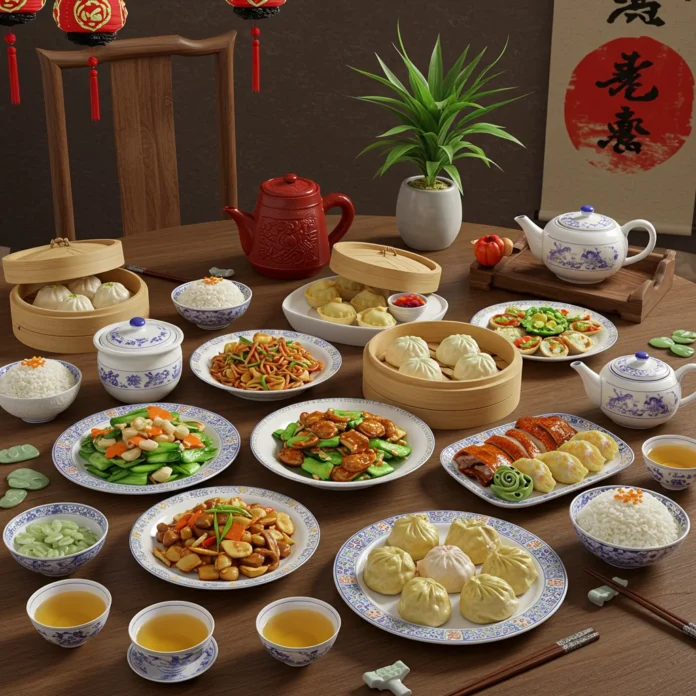

Introduction to China Dish: Understanding the Term
The term China dish often conjures images of delicate, beautifully decorated plates and bowls that grace tables during special occasions. But what exactly defines a “China dish”? This term has evolved over centuries and holds rich cultural significance, reflecting not only craftsmanship but also the heritage of an entire nation.
Understanding what makes a dish “China” involves exploring its materials, history, and the artistry embedded in each piece. In this article, we break down the meaning, origins, and cultural impact of China dishes, providing a thorough guide for enthusiasts and curious readers alike.
What Does ‘China Dish’ Mean?
The phrase China dish refers to tableware made from high-quality ceramic materials, most notably porcelain. These dishes are renowned for their translucency, smooth glaze, and their association with refined dining. The name “China” comes from the country where porcelain was first invented and perfected, and over time, the word became synonymous with fine ceramics worldwide.
Today, when we speak of a China dish, we generally mean porcelain or bone china tableware, but the term can sometimes be used more loosely to include other types of ceramic ware.
Is ‘China Dish’ the Same as Porcelain?
While all porcelain is considered China, not all China dishes are strictly porcelain. “China” serves as an umbrella term for several types of fine ceramics, with porcelain being the most prestigious and widely recognized. Porcelain is prized for its whiteness, translucency, and strength, while bone china introduces bone ash for a warmer hue and added durability.
The distinction often lies in composition and tradition, but both are celebrated for their craftsmanship and aesthetic appeal.
Brief History of China Dishes
The story of China dishes begins deep in ancient Chinese history, where innovation in ceramic technology led to the creation of some of the world’s most coveted tableware. From imperial courts to everyday households, these dishes have played a vital role in Chinese society and beyond.
Origins of Porcelain in China
Porcelain was first developed during the Tang Dynasty (618–907 CE), though the earliest forms date back even earlier. Chinese artisans experimented with kaolin clay and high-temperature kilns, eventually producing ceramics with a glass-like finish. The city of Jingdezhen became the epicenter of porcelain production, earning the moniker “Porcelain Capital.”
The innovation of porcelain was so influential that it transformed not only local crafts but also global trade networks.
How Did China Dishes Spread Globally?
China dishes gained international acclaim through the Silk Road and maritime trade routes. Merchants from Persia, the Middle East, and Europe were captivated by the beauty and durability of Chinese porcelain. These goods quickly became luxury items, treasured by royalty and elite families across continents.
As we saw in our exploration of cultural exchange during the historical walking tour in San Miguel de Allende, global trade often brings artistic influences and prized artifacts to new shores, enriching both local and foreign traditions.
When Did China Dishes Arrive in the West?
The arrival of China dishes in the West began in earnest during the 16th century, when Portuguese and Dutch traders introduced porcelain to European nobility. The rarity and exquisite craftsmanship of these wares made them status symbols, fueling a demand that would eventually inspire European attempts at porcelain production, such as Meissen in Germany and Sèvres in France.
By the 18th century, China dishes had become fixtures in aristocratic households throughout Europe.
Types of China Dishes
Not all China dishes are created equal. The term encompasses a variety of materials, techniques, and uses, each with its unique characteristics and cultural associations. Let’s examine the main types found both historically and in modern settings.
Porcelain vs. Bone China: What’s the Difference?
Both porcelain and bone china are prized for their elegance, but they differ in composition. Porcelain is made from kaolin clay, feldspar, and quartz, fired at extremely high temperatures to achieve its signature translucency. Bone china, developed in England in the 18th century, incorporates bone ash, resulting in a slightly warmer color and even greater strength.
Collectors and hosts often choose between these based on desired aesthetics and practical use.
Stoneware and Earthenware: Are They Considered China?
Stoneware and earthenware are other ceramic types sometimes grouped with China dishes, though they differ substantially in properties and prestige. Stoneware is denser and less translucent, while earthenware is more porous and typically thicker. Neither achieves the fineness of porcelain or bone china, but both have their place in traditional and rustic dining contexts.
In the same way that regional cuisines influence table settings, as discussed in our post on Mexican food traditions, the choice of material can reflect local preferences and customs.
Fine China vs. Everyday China
The distinction between fine China and everyday China often comes down to quality, design, and intended use. Fine China is usually reserved for special occasions, featuring intricate patterns and sometimes gold or platinum trim. Everyday China, while still elegant, is designed for durability and frequent use, often with simpler motifs.
Households may keep both types, using them to mark the difference between daily meals and festive gatherings.
Traditional Chinese Dishes: A Cultural Overview
China dishes are not merely functional items; they are vessels of tradition, artistry, and symbolism. The forms, colors, and motifs found on these wares communicate stories from Chinese history and culture.
What Are the Most Iconic Chinese Dish Styles?
Some of the most iconic Chinese dish styles include blue and white porcelain, famille rose, and celadon. Each style reflects a particular era, region, and aesthetic philosophy. Blue and white porcelain, for example, is instantly recognizable and admired worldwide for its crisp, cobalt designs on a white background.
Other styles, such as the colorful famille rose and famille verte, showcase the evolution of overglaze enameling techniques.
Blue and White Porcelain: A Symbol of Chinese Artistry
Blue and white porcelain stands as a hallmark of Chinese ceramic art. Originating in the Yuan Dynasty and perfected during the Ming and Qing periods, these wares feature intricate floral, landscape, and narrative scenes painted in vibrant cobalt blue. The contrast of blue motifs against a luminous white body creates a visual clarity that is both striking and serene.
Collectors and museums prize these pieces for their historical and artistic value.
Famille Rose, Famille Verte, and Other Color Palettes
Beyond blue and white, famille rose and famille verte porcelain showcase the mastery of color in Chinese ceramics. Famille rose, developed during the Qing Dynasty, uses a palette dominated by soft pinks and pastels, while famille verte features bold greens and yellows. These pieces often depict flowers, birds, and mythological scenes, each telling a story through color and composition.
Other palettes, such as famille noire and famille jaune, offer further diversity in design and symbolism.
Shapes and Forms of China Dishes
The shapes of China dishes are as varied as their colors and patterns. Function, tradition, and aesthetic preferences all influence the design of plates, bowls, cups, and more.
Plates, Bowls, and Cups: Essential Pieces
The essentials of a China dish set include plates for serving food, bowls for rice or soup, and cups for tea or wine. Each shape serves a specific purpose, with subtle variations in rim, depth, and size reflecting regional dining customs.
The tactile pleasure of holding a finely crafted bowl or cup adds to the sensory experience of a meal, enhancing both taste and atmosphere.
Teapots and Tea Sets: The Role in Chinese Culture
Teapots and tea sets occupy a special place in Chinese culture, symbolizing hospitality and harmony. The ritual of serving tea—whether in a simple gathering or a formal ceremony—relies on beautifully crafted porcelain or Yixing clay teapots, often decorated with auspicious motifs. Sharing tea from a delicate, translucent cup is a cherished tradition that fosters connection and respect.
In much the same way that sacred spaces like Istanbul’s Blue Mosque are revered for their artistry and meaning, the Chinese tea set is both functional and deeply symbolic, as we noted in our discussion of masterpiece cultural landmarks.
Serving Dishes and Platters
Large serving dishes and platters are designed for communal dining, a cornerstone of Chinese cuisine. These pieces, often oval or round, allow for the sharing of multiple dishes, fostering a sense of unity and abundance at the table. Decorative motifs and inscriptions on these platters may express wishes for prosperity or happiness, adding a layer of meaning to every meal.
The Art of Making China Dishes
The creation of a China dish is an intricate process that combines artistry, science, and tradition. Each stage, from selecting raw materials to applying the final glaze, demands skill and patience.
Materials Used in China Dish Production
The primary materials for China dish production are kaolin clay, feldspar, and quartz. Bone china adds calcined animal bone for added strength and translucency. The purity and composition of these materials determine the final product’s color, texture, and durability.
Local resources and centuries-old recipes give each workshop its unique signature.
The Porcelain-Making Process Explained
Making porcelain involves several precise steps:
- Mixing and refining raw materials
- Forming the clay into the desired shapes, often using molds or potter’s wheels
- Drying and initial firing (bisque firing) to harden the piece
- Applying glazes or underglaze designs
- Final firing at temperatures exceeding 1,200°C (2,192°F)
The result is a translucent, glassy surface that is both beautiful and functional.
Hand-Painted vs. Machine-Printed Designs
Hand-painted China dishes are highly valued for their individuality and artistry. Each brushstroke reflects the artist’s skill and vision, making every piece unique. Machine-printed designs, while more uniform and affordable, lack the subtle variations and depth of hand-painted wares.
Collectors often seek out hand-painted pieces for their authenticity and connection to tradition.
Firing Techniques: Kilns and Temperature
Firing is a crucial stage in China dish production. Traditional wood-fired kilns, such as the dragon kiln, impart unique textures and color variations, while modern electric or gas kilns offer precise temperature control. The firing temperature influences the final strength, translucency, and glaze of the dish.
Mastery of firing techniques is essential to achieving the signature qualities of fine porcelain.
Decorative Techniques and Motifs
The decoration of China dishes is a field where artistry and symbolism intersect. Designs range from simple geometric borders to elaborate scenes teeming with meaning.
What Are Common Patterns on China Dishes?
Popular China dish patterns include floral motifs, dragons, phoenixes, and scenic landscapes. Blue and white designs remain the most iconic, but colored enamels, lattice borders, and repeating geometric shapes are also widespread. Each pattern tells a story, rooted in Chinese tradition and beliefs.
Symbolism in Chinese Dish Designs
Many motifs on China dishes are symbolic. The lotus flower, for example, represents purity, while the dragon symbolizes power and good fortune. Fish often appear as emblems of abundance, and bats are considered lucky. These symbols transform everyday objects into vessels of meaning and hope.
As experts often say:
“Every brushstroke on a China dish is a wish—sometimes for prosperity, sometimes for peace, but always for beauty in daily life.”
Cultural and Historical Motifs
China dishes frequently depict scenes from literature, folklore, and history. Images of scholars in gardens, legendary heroes, and mythical creatures preserve cultural narratives and values. The use of such motifs connects diners to the past, making each meal a reminder of a shared heritage.
Similar to the way sacred spaces reflect a culture’s beliefs, as described in our review of the Blue Mosque in Istanbul, China dish motifs serve as visual storytellers at the table.
Gold Trim and Gilded Accents
Gold trim and gilded accents elevate the elegance of China dishes, especially those intended for imperial courts or special occasions. These delicate applications of gold leaf or paint require precision and care, and they often symbolize wealth and celebration. While more common in fine China, gilded accents can be found on a variety of pieces.
China Dishes in Chinese Culture
The role of China dishes in Chinese culture extends far beyond the dining table. These objects participate in rituals, ceremonies, and social customs, marking important milestones and expressing respect.
How Are China Dishes Used in Chinese Dining?
In Chinese dining, China dishes are chosen for both form and function. The arrangement of plates, bowls, and chopsticks follows traditions meant to encourage harmony and balance. Shared dishes placed at the center of the table foster interaction and community, while the use of fine China elevates the meal’s significance.
Ceremonial and Festive Uses of China Dishes
Special China dishes are reserved for festivals, family reunions, and religious observances. Their designs often incorporate auspicious symbols and seasonal motifs, setting the tone for the occasion. Using these dishes signals respect for tradition and a desire to honor the event.
In Malaysia, for instance, ceremonial tableware also plays a vital role during religious festivities, a topic we touched on in our overview of the Batu Caves cultural tour.
Gift-Giving Traditions and China Dishes
China dishes are popular gifts for weddings, birthdays, and housewarmings. Their beauty and utility make them cherished presents, often symbolizing wishes for prosperity and happiness. Gifting a set of fine porcelain is seen as a gesture of respect and goodwill.
China Dishes in Chinese Weddings
In Chinese weddings, the presentation of China dishes is laden with symbolism. Red and gold motifs appear frequently, representing joy and fortune. Couples may receive tea sets or dinnerware as gifts, items that will accompany them through married life and family celebrations.
China Dishes in Religion and Ancestral Worship
Porcelain bowls and plates are also important in religious rituals and ancestral worship. Offerings of food and incense are presented in fine China, reflecting reverence for ancestors and deities. The use of special dishes in these contexts underscores their spiritual significance.
China Dishes as Status Symbols
Throughout history, the ownership of fine China dishes has indicated social status and wealth. Elaborate designs, imperial marks, and imported wares distinguish the collections of the elite from everyday tableware. Even today, certain brands and patterns remain highly coveted among collectors and connoisseurs.
Collecting China Dishes: A Global Hobby
Collecting China dishes has become a passion for enthusiasts worldwide. The allure lies not only in the beauty of each piece but also in the history and craftsmanship they represent.
Why Do People Collect China Dishes?
Collectors are drawn to China dishes for their artistic value, historical significance, and the pleasure of curating unique sets. Each piece tells a story, whether it’s a family heirloom or a rare antique found at a market. The thrill of discovery and the satisfaction of preservation fuel this enduring hobby.
How to Identify Authentic China Dishes
Identifying authentic China dishes requires attention to detail. Key indicators include the translucency of the porcelain, the quality of the glaze, and the presence of maker’s marks or signatures. Studying the style, motifs, and even the sound produced when tapping the dish can reveal clues about its origin and age.
Famous Chinese Porcelain Makers and Marks
Renowned porcelain makers such as Jingdezhen, Imperial Kilns, and contemporary studios uphold centuries-old traditions. Authentic pieces often bear distinctive marks, including reign marks or workshop stamps, which help date and authenticate the ware. Knowledge of these marks is crucial for serious collectors.
Tips for Caring for and Displaying China Dishes
Proper care is essential to preserving the beauty and value of China dishes. We recommend:
- Hand-washing with mild detergent and soft sponges
- Avoiding sudden temperature changes to prevent cracking
- Storing pieces with padding to prevent chips
- Displaying in cabinets or on shelves away from direct sunlight
These practices help ensure that your collection remains a source of pride for years to come.
China Dishes in Modern Times
Modern lifestyles and tastes have influenced the design, production, and use of China dishes. While tradition remains important, contemporary innovation and global influences are shaping new trends.
How Has the Design of China Dishes Evolved?
Today’s China dishes reflect a blend of classic motifs and modern aesthetics. Minimalist patterns, unconventional shapes, and collaborations with contemporary artists have expanded the possibilities of porcelain design. Advances in technology allow for greater precision and variety, meeting the demands of both collectors and home cooks.
Contemporary Artists and China Dish Innovation
Contemporary ceramicists experiment with glazes, textures, and forms, pushing the boundaries of what a China dish can be. Limited-edition series and art installations have brought renewed attention to the medium, making it a dynamic field within the art world.
China Dishes in Restaurants and Hospitality
High-end restaurants and hotels continue to use fine China to elevate the dining experience. The weight, sound, and appearance of a porcelain plate can transform a meal into a memorable event. Chefs and designers work together to create custom tableware that complements their cuisine and brand.
China Dishes in Popular Culture and Media
China dishes frequently appear in film, television, and literature as symbols of refinement, tradition, or nostalgia. Their presence in popular culture reinforces their status as enduring icons of elegance and craftsmanship.
Sustainability and Environmental Impact
As environmental awareness grows, questions arise about the sustainability of traditional China dish production. The industry faces both challenges and opportunities as it adapts to modern concerns.
Are China Dishes Eco-Friendly?
Porcelain production is energy-intensive, especially during the high-temperature firing process. However, China dishes are highly durable and long-lasting, reducing the need for frequent replacement. Many manufacturers are adopting eco-friendly practices, such as recycling materials and using cleaner energy sources.
Modern Alternatives to Traditional China Dishes
Modern alternatives include bamboo, glass, and melamine tableware, which offer lightweight and shatter-resistant options. While these materials may suit casual settings, they lack the tactile pleasure and visual appeal of traditional China. The choice often depends on personal preference, intended use, and sustainability priorities.
How to Choose the Right China Dish for Your Home
Selecting the perfect China dish set involves balancing aesthetics, practicality, and personal taste. A well-chosen set can elevate daily meals and special gatherings alike.
Factors to Consider When Buying China Dishes
When purchasing China dishes, consider:
- Material (porcelain, bone china, stoneware)
- Design and pattern
- Durability and intended use
- Budget
- Care requirements
Taking time to assess these factors will help ensure a satisfying and lasting investment.
Matching China Dishes with Table Settings
Matching your China dishes to your table setting enhances visual harmony and sets the mood for any occasion. Consider the color palette, style of flatware, and choice of linens. Mixing and layering patterns can add interest, while a unified look creates elegance and simplicity.
Caring for Your China Dishes
Proper care extends the life and beauty of your China dishes, whether they are cherished heirlooms or new acquisitions.
Cleaning and Storing China Dishes Safely
We recommend gentle hand-washing with a mild detergent and soft cloth to prevent scratches. Avoid abrasive sponges and harsh chemicals. When storing, use padded dividers or cloth between pieces to prevent chipping and stacking damage.
Repairing and Restoring Damaged China
Minor chips and cracks can sometimes be repaired with specialty adhesives, but major restoration should be left to professionals. Preserving the integrity of valuable or sentimental pieces may require expert attention, ensuring they remain part of your collection for generations.
Frequently Asked Questions About China Dishes
Many readers have questions about the care, value, and practical use of China dishes. Here, we address some of the most common queries.
Are China Dishes Microwave and Dishwasher Safe?
While some modern China dishes are labeled as microwave and dishwasher safe, traditional or antique pieces may be more fragile. Gold trim, hand-painted designs, and older glazes can be damaged by harsh detergents or rapid temperature changes. Always check manufacturer guidelines and, when in doubt, opt for gentle hand-washing and air-drying.
How Can I Tell if My China Dish Is Valuable?
Value is determined by age, maker, rarity, condition, and provenance. Look for marks or signatures, examine the quality of the glaze, and research similar items. Consulting a reputable appraiser or guide can provide additional insights into your piece’s worth.
How to Book on Viator
If you are inspired by the cultural richness of China dishes and wish to enrich your travels with similar experiences, you can find tours and book activities on Viator. Viator offers curated experiences around the world, including museum visits, cultural workshops, and culinary adventures where you can see and use China dishes in authentic settings.
For those planning a trip, plan your trip with Viator to access a wide range of cultural and artistic activities that can deepen your appreciation for traditional crafts.
Conclusion: The Enduring Legacy of China Dishes
China dishes embody centuries of artistry, innovation, and cultural significance. Their delicate forms and intricate designs have inspired collectors, artists, and everyday diners worldwide. Whether used in grand ceremonies or daily meals, these dishes connect us to history and tradition in a tangible, beautiful way.
As we continue to appreciate and care for our China dishes, we honor the legacy of those who crafted them and the stories they carry. For more insights and resources on cultural heritage, visit Izase.
“Disclaimer: This information is accurate to the best of our knowledge; however, there may be changes or mistakes. Please verify exact details on the Viator booking page.”