
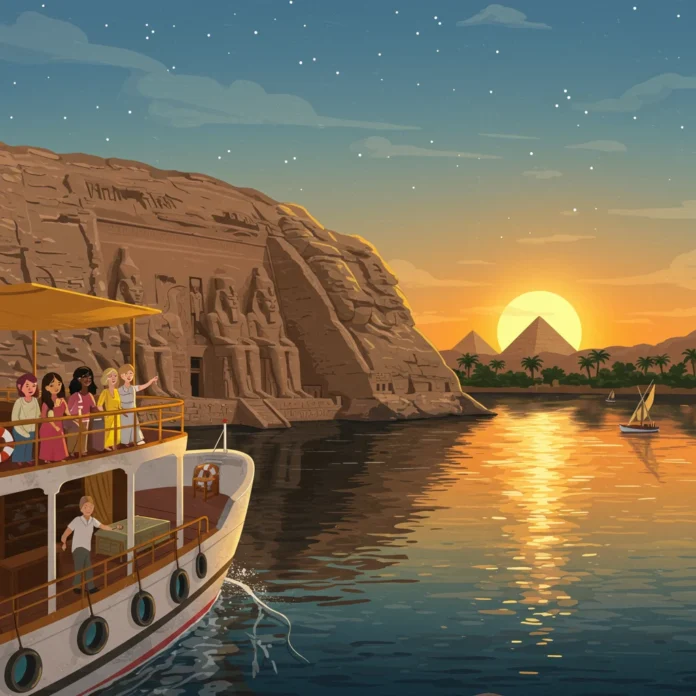

Why Choose a Nile Cruise from Abu Simbel to Luxor?
Considering a Nile cruise from Abu Simbel to Luxor means choosing a journey rich in history, scenery, and comfort. This route offers a seamless way to witness some of Egypt’s most iconic ancient sites while enjoying the tranquility of river travel.
Travelers find this cruise particularly appealing for its blend of convenience and adventure. The voyage allows you to visit world-famous temples, local villages, and breathtaking landscapes without the hassle of constant packing and transfers.
What Makes This Journey Unique?
This particular cruise stands out because it begins at the legendary Abu Simbel Temples, then sails northward along the Nile through a series of extraordinary archaeological treasures. Unlike shorter cruises, this itinerary covers lesser-visited stretches of the river, giving you deeper insight into both history and modern life along the Nile.
Every day brings a new highlight—whether it’s the colossal statues of Ramses II, the romantic beauty of Philae Island, or the bustling souks of Luxor. The shifting scenery, from golden desert to lush riverbanks, creates a sense of constant discovery.
Who Should Consider This Trip?
This cruise is perfect for history enthusiasts, culture seekers, and anyone who appreciates travel with a strong sense of place. It’s also a good fit for those who prefer structured itineraries, as most excursions are included and expertly guided.
Couples, solo travelers, and families alike can find options to suit their needs. If you cherish in-depth storytelling, comfort, and the chance to meet like-minded travelers, this journey is a compelling choice.
Best Time to Take a Nile Cruise in Egypt
Timing can make a significant difference in your overall experience on a Nile cruise. Egypt’s seasons affect everything from crowd sizes to comfort during excursions, so planning ahead is wise.
While cruises operate year-round, some months offer more favorable weather and a livelier atmosphere, while others provide serenity and fewer tourists.
How Does the Season Affect Your Experience?
The peak season for Nile cruises runs from October to April, when temperatures are milder and sightseeing is pleasant. During these months, expect more travelers and a vibrant social scene onboard and at major sites.
From May to September, the heat intensifies, but you’ll benefit from quieter attractions and potentially lower prices. Those who handle high temperatures well may enjoy the extra space and slower pace.
Weather Considerations Along the Nile
Temperatures along the Nile can fluctuate greatly. Winters are generally warm during the day but cool at night, while summer days can be extremely hot, especially in southern locations like Abu Simbel and Aswan.
Pack accordingly, with light layers for daytime and warmer clothing for evenings. Sun protection is essential year-round due to the region’s intense sunlight.
Planning Your Nile Cruise: Essential Tips
Organizing your Nile cruise requires thoughtful preparation. Choices about itineraries, cruise lines, and what to bring can shape your overall experience.
Taking a few steps before departure ensures a smooth and memorable adventure on the river.
How to Choose the Right Nile Cruise Itinerary?
With multiple routes and durations available, selecting the right itinerary can feel overwhelming. Consider your interests, available time, and preferred pace when making this decision.
Some cruises focus on the main highlights, while others add off-the-beaten-path sites or unique experiences such as village visits or onboard workshops.
What Length of Cruise Is Best?
Nile cruises from Abu Simbel to Luxor usually range from three to seven nights. Shorter trips cover key temples efficiently, but longer itineraries allow for deeper exploration and more relaxed days.
If you want ample time at each stop and the chance to unwind on deck, opt for a five- or seven-night cruise. Those with limited vacation days might prefer a shorter journey that still covers the essentials.
Which Cruise Lines Operate This Route?
Several reputable cruise lines run between Abu Simbel and Luxor, offering varying degrees of luxury and inclusivity. Look for operators with experienced guides, modern safety standards, and positive guest reviews.
Some well-known brands focus on tailored service and gourmet dining, while others emphasize cultural immersion and value. Comparing amenities and inclusions can help you find the right fit.
Luxury vs. Budget Nile Cruises: Which Is Better?
Both luxury and budget cruises have their merits. Luxury vessels provide spacious cabins, fine dining, and a higher staff-to-guest ratio for personalized service. Extras like spas, pools, and private balconies add comfort and sophistication.
Budget cruises, while simpler, still offer comfortable accommodations and guided excursions. They’re a great choice for those who prioritize sightseeing over onboard indulgence. Consider your travel style and budget to decide which works best for you.
What to Pack for Your Nile Cruise Adventure?
Pack light, breathable clothing for daytime excursions and modest outfits for temple visits. A hat, sunglasses, sunscreen, and sturdy walking shoes are essential for comfort and protection.
Bring a swimsuit for the onboard pool, a light jacket for cool evenings, and a power adapter suitable for Egyptian outlets. Don’t forget a camera and extra batteries to capture your journey in detail.
Visa and Entry Requirements for Egypt
Most travelers need a tourist visa to enter Egypt. You can obtain one online (e-visa) or on arrival at the airport, depending on your nationality.
Check passport validity and entry requirements before booking. Having printed copies of your visa, passport, and travel insurance documents is a good precaution. For more details on travel paperwork, read our Cairo day tour insights.
Embarking at Abu Simbel: Gateway to Ancient Wonders
Your Nile cruise begins at Abu Simbel, one of Egypt’s most impressive archaeological sites. The atmosphere here is both serene and awe-inspiring, thanks to the site’s remote location and dramatic history.
Arriving early allows you to take in the monumental temples before the crowds, setting the tone for the days ahead.
History and Significance of Abu Simbel Temples
The twin temples of Abu Simbel, commissioned by Ramses II over 3,000 years ago, are marvels of ancient engineering. The colossal statues at the entrance, hewn directly from the mountainside, leave a lasting impression on every visitor.
These temples were famously relocated in the 1960s to prevent flooding from Lake Nasser, a feat that remains a testament to modern preservation efforts. The temples’ alignment with the sun on specific dates adds to their mystique.
How to Get to Abu Simbel?
Most travelers reach Abu Simbel by air from Cairo or Aswan, with regular flights offered by EgyptAir and other carriers. Alternatively, you may opt for a road transfer, which takes about three hours from Aswan through the desert landscape.
Some cruise packages include transfers, so confirm details with your provider. Arriving by air offers sweeping views of Lake Nasser and the surrounding desert, adding excitement to your arrival.
Top Things to See and Do in Abu Simbel
Besides the main temples, visit the small museum detailing the relocation project. Early morning and late afternoon visits offer the best light for photography and a more peaceful experience.
Consider attending the Sound and Light Show in the evening to appreciate the temples’ grandeur under the stars. The nearby village also offers opportunities to sample local cuisine and crafts.
First Impressions: Boarding Your Nile Cruise Ship
Stepping onto your cruise ship, you’ll notice a blend of modern comfort and classic elegance. The gentle lapping of the river, the scent of polished wood, and the welcoming smiles of the crew create an inviting atmosphere.
Most ships feature spacious decks, panoramic lounges, and well-appointed cabins, ensuring a comfortable stay as you travel between ancient sites.
What to Expect During Check-In?
Check-in is usually quick and efficient. Staff greet you with refreshing drinks and help with luggage, making you feel at home instantly.
You’ll receive your cabin assignment, daily schedule, and information about safety procedures. Take a moment to settle in and explore the ship before your first excursion.
Onboard Amenities and Facilities
Modern Nile cruise ships offer a range of amenities, from sun decks and swimming pools to fitness centers and spa services. Dining rooms serve both international and Egyptian cuisine, with attentive service throughout.
Many ships feature lounges with panoramic windows, perfect for watching river life unfold as you sail. Wi-Fi, laundry, and boutique shops add convenience to your journey.
Meet the Crew: Hospitality on the Nile
The crew plays a vital role in making your cruise memorable. From expert guides to attentive housekeeping, their warmth and professionalism create a welcoming environment.
Don’t hesitate to ask questions or request assistance—staff are eager to share their knowledge of the Nile’s history and traditions.
Cruising the Nile: Day-by-Day Itinerary Overview
Each day on a Nile cruise offers a carefully curated mix of sightseeing, relaxation, and cultural experiences. Here’s what a typical journey from Abu Simbel to Luxor might look like.
While itineraries may vary slightly depending on your cruise line, most include stops at key temples and time to enjoy life onboard.
Day 1: Abu Simbel to Aswan
After exploring Abu Simbel, you’ll set sail north toward Aswan. The journey takes you across the tranquil waters of Lake Nasser before joining the main Nile channel.
Enjoy your first sunset on deck, with the desert landscape glowing gold in the fading light. Dinner onboard often features traditional Egyptian dishes, setting the culinary tone for the trip.
Day 2: Exploring Aswan
Aswan’s relaxed pace and scenic beauty provide a refreshing contrast to the grandeur of Abu Simbel. Highlights include a visit to the Philae Temple, the Aswan High Dam, and a stroll through the vibrant local souks.
You may also have the opportunity to take a felucca ride or visit a Nubian village. Aswan is a gateway to unique cultural encounters and beautiful river views.
Day 3: Kom Ombo and Edfu Temples
On the third day, your ship stops at Kom Ombo and Edfu, two of Egypt’s best-preserved temples. Guided tours reveal the stories behind these ancient sites, from crocodile gods to falcon-headed deities.
Between excursions, relax on deck or enjoy a refreshing swim. The journey between temples offers some of the most picturesque stretches of the Nile.
Day 4: Arrival in Luxor
The cruise culminates in Luxor, often called the world’s greatest open-air museum. Here, you’ll visit the vast temple complexes and explore the legendary tombs of the pharaohs.
Luxor’s lively atmosphere and rich history make it a fitting finale to your Nile adventure. Plan some extra time to fully appreciate its monuments and museums.
Must-See Sights Along the Nile Route
The stretch from Abu Simbel to Luxor features some of Egypt’s most iconic and photogenic landmarks. Each site offers a unique perspective on the country’s rich cultural heritage.
From island sanctuaries to riverside temples, these stops highlight the diversity and depth of ancient Egyptian civilization.
Philae Temple: The Island Sanctuary
Located on Agilkia Island, Philae Temple is dedicated to the goddess Isis. Its elegant columns and intricate reliefs are surrounded by the shimmering waters of the Nile, creating a magical setting.
Arriving by boat, you’ll enjoy cool breezes and birdsong, adding to the temple’s peaceful atmosphere. The site’s relocation to save it from flooding is a story of modern engineering and cultural preservation.
Kom Ombo Temple: Dual Deities and Crocodile Museum
Kom Ombo is unique for its double design, honoring both Sobek (the crocodile god) and Haroeris (the falcon god). The temple’s symmetry and riverside location make it a favorite among travelers and photographers.
Don’t miss the Crocodile Museum, which displays mummified crocodiles and artifacts from the ancient cult of Sobek.
Edfu Temple: The Temple of Horus
The Temple of Horus at Edfu is one of the best-preserved ancient structures in Egypt. Towering pylons, massive courtyards, and detailed hieroglyphs transport visitors to the time of the pharaohs.
Guided tours help interpret the temple’s myths and rituals, bringing its history to life. Edfu’s lively market is also worth a visit for local crafts and snacks.
Scenic Views and Landscapes from the Nile
The Nile’s scenery is ever-changing, from lush palm groves to arid desert hills. Early mornings often bring a soft mist over the water, while evenings paint the sky in shades of orange and pink.
Keep your camera ready for glimpses of fishermen casting nets, water buffalo grazing, and children waving from the riverbanks. These moments add a personal touch to the journey.
Cultural Experiences on Board
Life on a Nile cruise extends beyond sightseeing. Onboard activities offer a chance to connect with Egyptian culture through food, music, and learning opportunities.
Whether you’re sampling local delicacies or joining a dance performance, every day has something new to offer.
Egyptian Cuisine: What Will You Eat on a Nile Cruise?
Dining is a highlight of any Nile cruise. Expect a mix of international dishes and authentic Egyptian specialties, such as koshari, grilled meats, and fresh salads.
Buffet-style meals are common, with themed nights that celebrate regional flavors. Be sure to try desserts like basbousa and baklava for a sweet finish.
Entertainment and Evening Activities
Evenings on the Nile are lively and social. Many cruises feature traditional music performances, belly dancing, or themed costume parties that invite guests to join in the fun.
Some nights may include movie screenings, trivia contests, or simply relaxing on deck under the stars, with the gentle sounds of the river all around.
Workshops and Lectures: Learning Onboard
Many ships offer talks and workshops led by experts in Egyptian history, archaeology, or art. These sessions add depth to your understanding of the sites you visit.
Participate in cooking demonstrations, hieroglyphic workshops, or storytelling sessions for a hands-on cultural experience.
Life Along the Nile: Villages and Local Encounters
The Nile is not just a river of history—it’s a lifeline for communities that have thrived here for centuries. Your cruise offers glimpses into daily life along its banks.
From bustling markets to tranquil villages, these encounters reveal the enduring connection between people and river.
Opportunities to Visit Nubian Villages
Many Nile cruises include a visit to a Nubian village, where you can meet local families, tour colorful homes, and learn about traditional crafts. These visits are a highlight for travelers seeking genuine cultural exchange.
Sampling homemade bread and tea, listening to stories, and browsing handmade jewelry and textiles create lasting memories.
How to Respect Local Customs and Traditions?
Respect is key when visiting rural communities. Dress modestly, ask permission before taking photos, and greet hosts with a smile and polite words.
Purchasing local crafts supports artisans and helps preserve traditional skills. For more on how to engage respectfully with Egypt’s heritage, check out our private tour guide to Dahshur, Memphis, and Saqqara.
Wildlife and Nature on the Nile
The Nile’s natural environment is as rich as its history. The river supports a wide array of birds, animals, and plants, offering opportunities for wildlife observation at every turn.
From riverbanks to islands, keep your eyes open for nature’s subtle surprises.
Birdwatching and Animal Spotting
The Nile Valley is a haven for birdwatchers. Look for herons, kingfishers, ibises, and the striking pied kingfisher as you glide past reed beds and sandbars.
Other wildlife includes water buffalo, camels, and the occasional Nile monitor lizard basking on the banks. Early mornings and late afternoons provide the best conditions for sightings.
Flora and Fauna Unique to the Nile Region
The river’s fertile banks are lined with date palms, acacias, and papyrus reeds. In spring, wildflowers add bursts of color to the landscape.
Traditional farming methods sustain a variety of crops, from wheat to sugar cane, supporting both wildlife and local communities.
Arriving in Luxor: The World’s Greatest Open-Air Museum
Your cruise concludes at Luxor, home to some of Egypt’s most remarkable temples and tombs. The city’s vibrant energy and rich history make it a must-visit destination for anyone interested in ancient civilizations.
Luxor’s compact layout makes it easy to explore on foot or by local transport, with plenty of cafes and shops to enjoy between sightseeing stops.
Top Attractions in Luxor
Luxor is packed with historical landmarks, each offering a unique window into ancient Egyptian life and beliefs. Plan your time wisely to cover the highlights.
Whether you’re fascinated by towering columns or intricate tomb paintings, you’ll find something to inspire you here.
Karnak Temple Complex: What Not to Miss?
Karnak is one of the world’s largest temple complexes, featuring massive columns, sacred lakes, and hidden chapels. Highlights include the Great Hypostyle Hall and the Avenue of Sphinxes.
Arrive early to avoid crowds and enjoy the magical play of light and shadow across the ancient stonework.
Luxor Temple: Evening Illumination
Luxor Temple is particularly striking at night, when spotlights highlight its grand colonnades and statues. The atmosphere is serene, with the city’s sounds providing a gentle soundtrack.
An evening visit allows for stunning photographs and a more contemplative experience.
Valley of the Kings: Exploring Ancient Tombs
The Valley of the Kings houses the tombs of Egypt’s greatest pharaohs, including Tutankhamun. Intricate wall paintings and hieroglyphics tell stories of the afterlife.
Guided tours provide fascinating context and help you appreciate the artistry and symbolism of each burial chamber.
Valley of the Queens and Hatshepsut’s Temple
The Valley of the Queens contains beautifully decorated tombs of royal women, while the nearby Temple of Hatshepsut stands out for its unique terraced design against the cliffs.
Both sites offer insight into the role of women in ancient Egypt and showcase impressive feats of architecture.
Practical Tips for Visiting Luxor’s Monuments
Wear comfortable shoes and bring plenty of water, as some sites require walking over uneven terrain. Early mornings or late afternoons offer cooler temperatures and softer light for photography.
Consider hiring a licensed local guide for deeper insights into the monuments’ history and significance.
How to Make the Most of Your Time in Luxor?
Pace yourself to avoid fatigue, especially in hot weather. Mix sightseeing with leisure—enjoy a felucca ride on the Nile or relax at a riverside café between excursions.
Luxor’s markets are great for souvenirs, from alabaster carvings to colorful textiles. If you have extra time, consider joining a specialized tour, such as a day trip to the Red Sea for snorkeling or dolphin watching. You can find inspiration in our guide to Hurghada’s best sea adventure.
Photography Tips for Nile Cruise Travelers
Capturing the magic of a Nile cruise requires some planning. With the right techniques, you’ll return home with stunning images that reflect the journey’s beauty and atmosphere.
Remember to balance your time behind the lens with simply enjoying the moment.
Capturing Sunsets and River Views
Sunsets on the Nile are unforgettable, with warm hues reflecting off the water and silhouetting palm trees and temples. Use a tripod or steady hand for crisp, vibrant shots.
Early mornings offer a different mood, with mist and soft light creating a dreamlike quality. Experiment with angles from the ship’s deck or shoreline.
Best Spots for Monument Photography
For dramatic temple shots, arrive early to minimize crowds and take advantage of gentle, directional light. Wide-angle lenses help capture the scale of monuments like Karnak and Abu Simbel.
Don’t forget to photograph daily life along the riverbanks—these candid moments add depth and context to your travel album. If you’re interested in aquatic photography, check out our Hurghada marine adventure tips.
Safety and Health Considerations on a Nile Cruise
Staying healthy and safe enhances your enjoyment of the cruise. Modern ships maintain high standards, but it’s wise to take a few precautions.
Being prepared helps you focus on the journey rather than unexpected hassles.
Staying Healthy: Food, Water, and Sun Protection
Stick to bottled water and avoid raw vegetables or unpeeled fruit to reduce the risk of stomach upset. Most cruise kitchens follow strict hygiene protocols, but it’s always good to be cautious.
Apply sunscreen regularly, wear a hat, and stay hydrated, especially during shore excursions. Hand sanitizer and basic medications are useful additions to your travel kit.
How Safe Are Nile Cruises?
Nile cruises are generally very safe, with security checks at ports and attentive crew members on board. Follow staff instructions during excursions and keep valuables secure in your cabin safe.
Travel insurance is recommended for added peace of mind. For more tips on safe travel, you might appreciate our article on unmissable tours and safety tips.
Tips for Solo Travelers and Families
Solo travelers often find Nile cruises welcoming and social, with plenty of opportunities to meet others. Families benefit from structured activities and attentive staff, making logistics simpler.
Check if your cruise line offers child-friendly amenities or babysitting services for added convenience.
Budgeting for Your Nile Cruise: Costs and Value
Understanding the costs involved helps you plan a cruise that matches your expectations and budget. Nile cruises offer a range of options, from all-inclusive luxury to affordable packages with essential services.
Careful budgeting ensures you can enjoy your trip without financial stress.
What’s Included in the Cruise Price?
Most Nile cruise packages include accommodation, meals, guided excursions, and onboard entertainment. Some also cover airport transfers, entry fees, and gratuities.
Read the fine print to know exactly what is and isn’t included, and factor in spending for souvenirs, drinks, and optional activities.
Tipping and Extra Expenses
Tipping is customary in Egypt, especially for guides, drivers, and ship staff. Some cruises collect a communal tip at the end, while others leave it to individual discretion.
Budget for extra costs such as drinks, laundry, Wi-Fi, and personal purchases. Carry small denominations of Egyptian pounds for convenience.
Booking Your Nile Cruise: Step-by-Step Guide
Booking your cruise is straightforward with a bit of research and advance planning. Knowing where to look and what to compare helps you secure the best experience for your needs.
Start early to secure your preferred dates and cabin type, especially during peak travel months.
How to Find the Best Deals and Discounts?
Look for early booking promotions, last-minute deals, or package offers that include flights and transfers. Comparing prices across several reputable platforms ensures you get good value.
Travel agents specializing in Egypt often have access to exclusive rates and can help with visa and flight arrangements.
Recommended Travel Agencies and Online Platforms
When planning your trip, choose well-established agencies with positive reviews and transparent policies. Online platforms like Viator allow you to compare itineraries, read verified guest feedback, and book activities with confidence.
Many travelers find it helpful to plan their trip using a mix of online research and expert advice, especially for complex itineraries.
What to Expect After Your Nile Cruise Ends?
Finishing your cruise doesn’t mean your Egyptian adventure has to end. Many travelers extend their stay to see more of the country’s rich heritage or relax by the sea.
Planning ahead for post-cruise options can turn your trip into a truly comprehensive experience.
Continuing Your Egyptian Adventure
Popular post-cruise destinations include Cairo, Alexandria, and the Red Sea coast. Whether you’re interested in pyramids, museums, or snorkeling, Egypt offers plenty to fill your itinerary.
For a deeper dive into Cairo’s highlights, consider our private Cairo day tour insights.
Popular Extensions: Red Sea, Cairo, and More
The Red Sea resorts of Hurghada and Sharm El Sheikh are ideal for beach relaxation, diving, and marine adventures. Many travelers combine a Nile cruise with a few days by the sea.
For family-friendly aquatic fun, our article on a Hurghada marine adventure offers practical tips and inspiration.
Frequently Asked Questions About Nile Cruises
First-time travelers often have questions about the logistics and suitability of a Nile cruise. Here are answers to some of the most common queries.
Knowing what to expect helps you prepare and travel with confidence.
Is a Nile Cruise Suitable for Children?
Yes, most Nile cruises welcome families and offer amenities for children, such as kid-friendly menus and entertainment. However, the focus on historical sites means older children may appreciate the experience more.
Check with your cruise provider about age restrictions and available facilities before booking.
How Accessible Are Nile Cruises for Seniors or Disabled Travelers?
Many modern ships are equipped with elevators, ramps, and accessible cabins. Shore excursions, however, may involve uneven ground and stairs at archaeological sites.
If you have mobility concerns, communicate with your tour operator in advance to arrange support or alternative activities.
Packing Checklist for a Nile Cruise
Packing smart ensures you’re comfortable and prepared for any situation during your journey. Focus on versatility and practicality when assembling your suitcase.
Keep your luggage light and organized for ease throughout your trip.
Essential Clothing and Gear
Bring lightweight, breathable clothing for daytime and a warmer layer for cool evenings. Modest attire is required for temple visits—long pants or skirts and covered shoulders are ideal.
Other essentials include a sun hat, sunglasses, sunscreen, sturdy walking shoes, a reusable water bottle, and a swimsuit.
Travel Documents and Currency Tips
Carry your passport, visa, travel insurance, and printed copies of important documents. Egyptian pounds are used for most purchases; bring some cash in small denominations for tips and markets.
ATMs are available in major cities, but less common in rural areas. A money belt or hidden pouch adds a layer of security.
Sustainable Travel: How to Cruise the Nile Responsibly?
Responsible travel benefits both the environment and local communities. Choosing eco-friendly options and supporting small businesses helps preserve the Nile for future generations.
Small actions, from reducing plastic use to mindful shopping, make a meaningful difference.
Eco-Friendly Cruise Options
Some cruise lines have adopted green practices, such as solar panels, water-saving systems, and reduced waste initiatives. Ask about these features when booking your trip.
Bring a reusable water bottle and avoid single-use plastics to minimize your environmental footprint.
Supporting Local Communities
Buy souvenirs directly from artisans and seek out tours that employ local guides. Participating in village visits and cultural workshops provides economic benefits and meaningful connections.
Travel with respect for local customs and a willingness to learn. For a comprehensive look at responsible travel, our Dahshur, Memphis, and Saqqara tour article offers additional tips.
How to Book on Viator
Booking your Nile cruise is simple with trusted platforms. Viator is a popular choice, offering a wide selection of cruise packages, day tours, and activities along the Nile.
To get started, visit the Viator website, search for “Nile cruise Abu Simbel to Luxor,” compare itineraries, and read verified guest reviews. You can also book activities and plan your trip at the same time for added convenience.
Look for flexible cancellation policies and clear inclusions to make your booking experience stress-free.
Final Thoughts: Is a Nile Cruise from Abu Simbel to Luxor Worth It?
A Nile cruise from Abu Simbel to Luxor is an unforgettable journey through the heart of Egypt’s ancient history and living culture. You’ll travel in comfort, enjoy delicious food, and witness some of the world’s greatest archaeological treasures—all while relaxing on the storied river that shaped civilization.
Whether you’re a seasoned explorer or a first-time visitor, this cruise offers the perfect blend of adventure and ease. For more expert travel inspiration and personalized recommendations, visit Izase at izase.com.
Disclaimer: This information is accurate to the best of our knowledge; however, there may be changes or mistakes. Please verify exact details on the Viator booking page.