
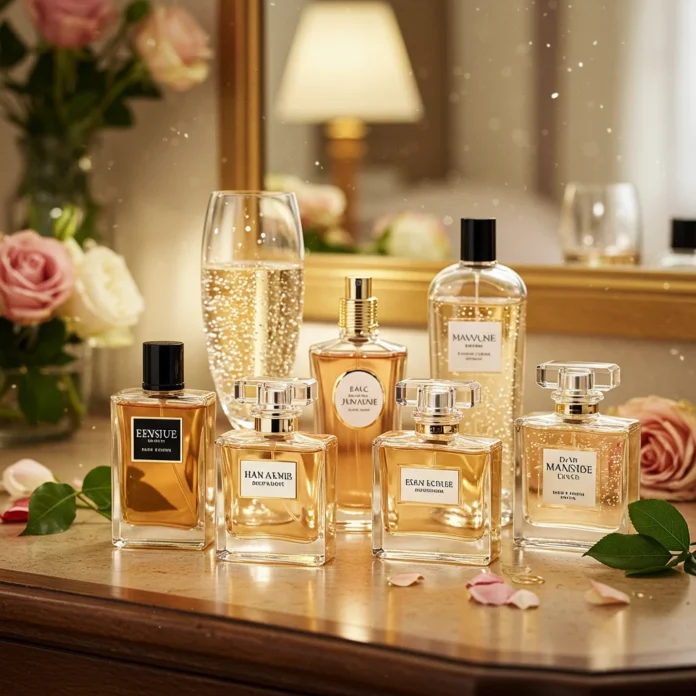

Introduction to Timeless Fragrances
Classic perfumes hold a unique status in the world of fragrance. Their enduring appeal lies not only in their timeless scents but also in the emotions and memories they evoke. These iconic bottles have graced countless vanities, been passed down through generations, and become synonymous with sophistication and elegance. Whether it’s the whisper of powdery florals or the warmth of rich spices, classic perfumes create an invisible aura that speaks volumes without a word.
We often reach for these scents not just for their fragrance, but for the sense of nostalgia, confidence, and artistry they provide. Their presence in our daily routines and special occasions connects us to a broader cultural history of beauty and personal expression.
What Makes a Perfume ‘Classic’?
A perfume earns the title of “classic” through a combination of longevity, influence, and universal appeal. These fragrances have stood the test of time, remaining relevant and beloved even as trends shift. A classic is not defined by age alone, but by its ability to inspire loyalty, evoke strong emotions, and serve as a benchmark for quality and creativity in perfumery.
We recognize a classic perfume by its distinctive character and the way it sets standards for others. These scents often introduce innovative compositions or memorable accords that are instantly recognizable, making them timeless choices for fragrance enthusiasts.
The History of Classic Perfumes
The story of classic perfumes is intertwined with the evolution of fashion, art, and society. From the opulent courts of Europe to the glamour of Hollywood’s golden age, these fragrances have played a central role in personal adornment and self-expression.
Pioneering houses like Chanel, Guerlain, and Estée Lauder have created masterpieces that reflect the spirit of their eras, using the finest ingredients and groundbreaking techniques. Their creations have become cultural touchstones, often referenced in literature, film, and art.
Why Do Classic Perfumes Remain Popular?
Classic perfumes maintain their popularity due to their timeless appeal and emotional resonance. These scents often evoke cherished memories or aspirations, creating a powerful connection with the wearer. Their carefully crafted compositions offer a sense of familiarity and comfort, while their elegance never feels dated.
As experts often say:
“A great perfume is a work of art. It’s a silent way to communicate, to make a statement, or to leave a memory behind.”
We find ourselves returning to these fragrances because they transcend fleeting trends, offering a sense of identity and continuity in a changing world.
How to Identify a Classic Perfume
Identifying a classic perfume involves looking for several telltale signs. First, consider the fragrance’s history and reputation. Has it been celebrated for decades? Is it often cited as an industry standard? Next, examine the bottle design—classic perfumes usually feature elegant, enduring packaging that reflects their legacy.
Finally, trust your senses. Classic perfumes offer a balanced, memorable scent that lingers and evolves beautifully on the skin. They often receive praise from both critics and everyday wearers, solidifying their place in fragrance history.
Key Characteristics of Timeless Scents
Timeless scents share several defining characteristics that set them apart. They exhibit excellent balance between top, heart, and base notes, resulting in a harmonious and lasting composition. Their sillage—the scent trail they leave—tends to be distinctive yet refined, never overwhelming.
These perfumes are also versatile, suitable for multiple occasions and seasons. Their ingredients are of high quality, and their formulas often feature a blend of natural and synthetic materials that create a unique signature.
The Influence of Classic Perfumes on Modern Fragrances
Modern perfumery owes much to the trailblazing creations of the past. Many contemporary scents draw inspiration from classic formulas, reinterpreting their signature accords with new ingredients or techniques. The enduring popularity of aldehydic florals, spicy orientals, and chypre compositions can be traced directly to these iconic predecessors.
For those interested in how fragrance creation continues to evolve, our post on the Florence perfume class provides an inside look at crafting your own signature scent.
Top 5 Classic Perfumes That Never Go Out of Style
Certain perfumes have become legends, remaining favorites across generations. Let’s explore the unique stories and qualities that make these five fragrances enduring icons.
1. Chanel No. 5
Chanel No. 5 is perhaps the most recognized perfume in the world, celebrated for its sophisticated blend and storied history.
The Story Behind Chanel No. 5
Launched in 1921, Chanel No. 5 was the result of Coco Chanel’s desire for a “woman’s perfume with a woman’s scent.” She collaborated with perfumer Ernest Beaux to create a groundbreaking fragrance that redefined modern perfumery. The use of aldehydes was revolutionary, lending an abstract, clean freshness that set it apart.
Signature Notes and Olfactory Profile
Chanel No. 5 opens with sparkling aldehydes, followed by a heart of jasmine and May rose, and a warm, woody base of sandalwood and vetiver. The result is a powdery, floral bouquet that feels both classic and contemporary.
Why Chanel No. 5 Is Iconic
Its enduring appeal lies in its unique balance: both bold and delicate, familiar yet mysterious. Chanel No. 5 has become synonymous with elegance and femininity, gracing the vanity tables of style icons for over a century.
Famous Fans and Pop Culture References
From Marilyn Monroe’s famous declaration of wearing nothing but Chanel No. 5 to Andy Warhol’s pop art tributes, this fragrance has left an indelible mark on popular culture.
When to Wear Chanel No. 5
We find Chanel No. 5 perfectly suited for evening events, romantic dinners, or any moment when you want to feel effortlessly chic. Its refined sillage lingers beautifully in cooler weather.
2. Guerlain Shalimar
Guerlain Shalimar is celebrated as the quintessential oriental fragrance, blending sensuality and sophistication in every drop.
The Inspiration for Shalimar
Created in 1925 by Jacques Guerlain, Shalimar was inspired by the legendary love story of Emperor Shah Jahan and Mumtaz Mahal, for whom the Taj Mahal was built. This romantic narrative is reflected in the perfume’s exotic and opulent composition.
Key Notes and Scent Composition
Shalimar features a luminous opening of bergamot, a heart of iris and jasmine, and a sumptuous base of vanilla, tonka bean, and incense. The combination creates a warm, powdery, and slightly smoky aura.
Shalimar’s Enduring Legacy
Guerlain’s masterpiece is revered for its innovative use of vanilla and its rich, velvety texture. It set the standard for oriental perfumes and continues to inspire countless new creations.
Who Wears Shalimar?
Shalimar appeals to those who appreciate deep, enveloping fragrances with a touch of mystery. Its wearers often have a bold, artistic spirit and a love of vintage glamour.
Occasions for Wearing Shalimar
We recommend Shalimar for formal evenings, cool autumn nights, or whenever you wish to make a memorable impression.
3. Dior J’adore
Dior J’adore is a luminous floral fragrance that has become a contemporary classic since its release.
The Creation of J’adore
Launched in 1999, J’adore was crafted by perfumer Calice Becker for the house of Dior. Its sleek, amphora-shaped bottle evokes feminine curves and timeless elegance, echoing the fragrance within.
Signature Notes and Fragrance Pyramid
J’adore dazzles with top notes of ylang-ylang and bergamot, a lush heart of damask rose and jasmine, and a sensual base of cedar and musk. The blend is radiant and uplifting, with a golden, sunlit quality.
Why J’adore Stands the Test of Time
Its universal appeal comes from its fresh, modern take on classic florals. J’adore is both sophisticated and approachable, making it a favorite for daily wear and special occasions alike.
Celebrity Endorsements of J’adore
Famed actress Charlize Theron has long been the face of J’adore, embodying its spirit of confidence and grace in stunning advertisements.
Best Times to Wear J’adore
We find J’adore ideal for daytime events, spring celebrations, and moments when you want to radiate positivity and elegance.
4. Yves Saint Laurent Opium
Yves Saint Laurent Opium is a bold, spicy oriental perfume that has made headlines since its dramatic debut.
The Controversial Launch of Opium
Released in 1977, Opium’s name and provocative marketing sparked global conversation. Despite—or perhaps because of—its controversy, the fragrance quickly achieved cult status.
Opium’s Scent Profile and Notes
Opium opens with a burst of mandarin and coriander, followed by a heart of myrrh, jasmine, and carnation. Its base features deep amber, patchouli, and opoponax, creating a smoky, intoxicating finish.
Opium’s Place in Perfume History
This fragrance redefined what a women’s scent could be: daring, mysterious, and unapologetically strong. Opium paved the way for a new generation of bold perfumes.
Who Loves Opium?
Opium’s fans are often drawn to its exotic intensity and statement-making presence. It’s a favorite among those who appreciate daring fashion and unforgettable style, as we discussed in our post on fashion essentials.
How to Wear Opium for Maximum Impact
We suggest applying Opium sparingly, as its powerful sillage can easily fill a room. It’s best reserved for evenings, dramatic occasions, or whenever you want to command attention.
5. Estée Lauder Youth-Dew
Estée Lauder Youth-Dew stands as a pioneering fragrance, transforming how women approached perfume in the mid-20th century.
Youth-Dew’s Revolutionary Origins
Introduced in 1953 as a bath oil that doubled as perfume, Youth-Dew offered women a new way to wear fragrance every day. Estée Lauder’s innovation broke social taboos and made perfume an accessible luxury.
Main Notes and Lasting Appeal
Youth-Dew is a rich oriental blend, opening with spicy aldehydes, a heart of rose, ylang-ylang, and cinnamon, and a base of patchouli, amber, and balsam. Its warmth and complexity give it remarkable staying power.
Why Youth-Dew Remains a Favorite
Its unique formula continues to win fans for its boldness and versatility. Youth-Dew’s legacy lies in its ability to be both comforting and seductive, making it suitable for a wide range of moods and occasions.
Famous Faces Associated with Youth-Dew
Youth-Dew has found admirers among Hollywood legends and everyday women alike, remaining a staple in many personal collections.
Perfect Moments for Wearing Youth-Dew
We recommend Youth-Dew for cozy evenings, winter gatherings, or whenever you want an enveloping, memorable scent.
Honorable Mentions: Other Timeless Perfumes
While the five fragrances above are icons, several others deserve mention for their enduring popularity and artistry. Scents like Hermès Caleche, Lancôme Trésor, and Fragonard’s Belle de Nuit have brought joy to countless wearers, each offering a unique olfactory journey. For those interested in exploring fragrance creation further, a visit to the Fragonard Museum offers a fascinating glimpse into the world of perfumery.
What Are the Key Notes in Classic Perfumes?
Classic perfumes often feature a harmonious blend of floral, woody, spicy, and aldehydic notes. Florals such as rose, jasmine, and iris create softness and elegance. Woody notes like sandalwood and vetiver add structure and warmth. Spices and resins, including cinnamon, myrrh, and amber, provide depth and sensuality, while aldehydes lend brightness and a modern touch.
These carefully balanced notes ensure that classic perfumes remain sophisticated and memorable, with compositions that evolve beautifully throughout the day.
How to Choose the Right Classic Perfume for You?
Selecting the perfect classic perfume involves considering your personal style, scent preferences, and lifestyle. Begin by sampling a range of fragrances, paying attention to how each one develops on your skin over time. Think about the occasions you wish to wear your perfume—some classics are ideal for everyday wear, while others shine on special nights.
We also suggest seeking inspiration from fashion and accessories that resonate with your personality, as discussed in our piece on accessories that elevate any look.
Tips for Wearing Classic Perfumes
To make the most of your classic fragrance, apply it to pulse points such as the wrists, neck, and behind the ears. Avoid rubbing your wrists together, as this can alter the scent’s evolution. For a lighter effect, mist the perfume into the air and walk through it.
- Apply to moisturized skin for better longevity.
- Layer with matching body products for a stronger impression.
- Store your perfume away from direct sunlight and heat.
How to Layer Classic Scents for a Unique Signature
Layering perfumes allows you to create a customized scent that reflects your individuality. Start with a classic as your base, then add a complementary fragrance to highlight specific notes. For example, pair a floral classic with a citrusy or musky scent for added freshness or depth.
Experimenting with layering can help you achieve a truly personal signature, especially when paired with thoughtful wardrobe choices.
Caring for and Storing Your Classic Perfumes
Proper care extends the life of your favorite fragrances. Store bottles in a cool, dry place away from sunlight and temperature fluctuations. Keep the cap tightly closed to prevent evaporation and oxidation.
If you collect vintage perfumes, consider decanting a small amount for regular use to preserve the original bottle and formula. This approach helps maintain the integrity and value of your classic scents.
How to Spot Authentic Classic Perfumes vs. Imitations
Distinguishing genuine classics from imitations requires careful attention. Check for high-quality packaging, accurate labels, and batch codes. Authentic perfumes should have a consistent color and a refined scent profile. If purchasing from a retailer, buy from authorized sellers or reputable boutiques.
We also recommend researching bottle designs and signature marks specific to each brand, as counterfeiters often overlook these details.
The Role of Classic Perfumes in Fashion and Culture
Classic perfumes are inseparable from the worlds of fashion and culture. They have defined eras, influenced trends, and become part of the visual language of style. Major fashion houses often release fragrances that complement their clothing lines, reinforcing brand identity and artistic vision.
For more on how fashion and fragrance intersect, our guide to sustainable fashion explores the importance of mindful choices in both style and scent.
Are Classic Perfumes Suitable for All Ages?
Absolutely—classic perfumes transcend age. While some scents may appeal more to certain generations due to nostalgia or personal associations, their balanced compositions and universal appeal make them suitable for anyone. The key is to find a fragrance that resonates with your personality and complements your lifestyle.
We encourage experimenting with different classics to discover which ones feel most authentic to you, regardless of age.
Classic Perfumes for Men: Do They Exist?
Many classic perfumes are marketed to women, but there is a rich tradition of timeless men’s fragrances as well. Scents like Guerlain Habit Rouge, Chanel Pour Monsieur, and Dior Eau Sauvage have become staples in men’s grooming, celebrated for their sophistication and versatility.
These fragrances often feature notes of citrus, woods, leather, and spices, offering a refined alternative to contemporary colognes.
How Have Classic Perfumes Evolved Over the Decades?
Classic perfumes have evolved through changes in ingredients, regulations, and consumer preferences. While many houses strive to preserve the original spirit of their masterpieces, some have reformulated their scents to meet modern safety and sustainability standards.
Despite these changes, the essence of what makes a perfume “classic” endures: quality, artistry, and the ability to evoke emotion.
Sustainability and Reformulations in Classic Perfumes
Sustainability is increasingly important in the fragrance industry. Many brands are sourcing ingredients responsibly, using eco-friendly packaging, and reducing their environmental impact. Reformulations may be necessary to comply with regulations or protect endangered natural resources, but the goal remains to maintain the integrity of the original scent.
We encourage supporting brands that prioritize ethical practices while continuing to create beautiful, enduring perfumes.
Frequently Asked Questions About Classic Perfumes
Q: How long do classic perfumes last?
A: With proper storage, classic perfumes can retain their quality for years. Some vintage bottles are prized by collectors for their longevity.
Q: Can I wear classic perfumes daily?
A: Yes, many classics are versatile enough for everyday wear. Adjust the amount you apply based on the occasion and environment.
Q: Are classic perfumes expensive?
A: Prices vary, but classics often represent a worthwhile investment due to their quality and heritage.
How to Book on Viator
Booking experiences related to fragrance and fashion is simple with Viator. To find tours, workshops, or museum visits, visit Viator and search for your desired activity or destination.
Viator allows you to compare options, read reviews, and secure your spot with just a few clicks. Whether you want to attend a perfume workshop, tour a fragrance house, or book activities for your next trip, Viator offers a convenient, trusted platform to plan your adventure.
Conclusion: Why Classic Perfumes Will Always Be in Style
The enduring allure of classic perfumes lies in their ability to transcend time, trends, and generations. These masterpieces offer more than just beautiful scents—they provide a sense of identity, artistry, and emotional connection. As our tastes evolve, these fragrances continue to inspire and delight, proving that true style is eternal.
For more expert insights and inspiration, we invite you to visit Izase at izase.com and explore our curated collection of guides on fragrance, fashion, and beyond.
“Disclaimer: This information is accurate to the best of our knowledge; however, there may be changes or mistakes. Please verify exact details on the Viator booking page.”