
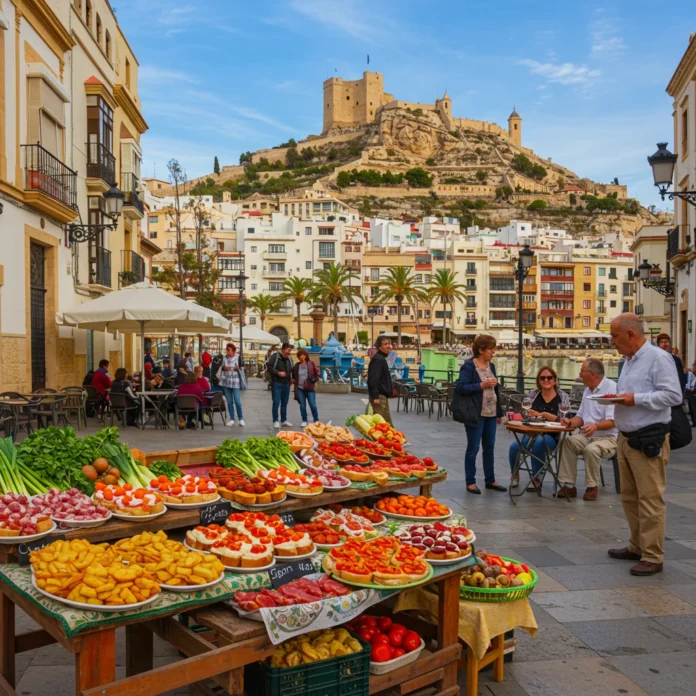

Introduction to the Alicante Tour Experience
A visit to Alicante offers far more than sun-soaked beaches and sparkling Mediterranean waters. The city’s layered history, celebrated gastronomy, and lively street life create an immersive experience for travelers seeking both culture and flavor. From ancient fortresses to bustling tapas bars, every corner of Alicante tells a story waiting to be savored.
On a well-curated tour, we can trace the city’s transformation through centuries, taste authentic local dishes, and connect with the traditions that shape daily life. Whether you’re a seasoned explorer or a first-time visitor, Alicante’s blend of history, food, and vibrant culture promises a journey that lingers in memory long after you leave.
Why Choose an Alicante History, Tapas & Local Culture Tour?
Selecting a history, tapas, and local culture tour in Alicante allows us to experience the city in a way that goes beyond sightseeing. These tours offer opportunities to engage with passionate guides, taste regional specialties, and walk through neighborhoods that pulse with authentic energy.
For those who appreciate immersive travel, combining history with culinary exploration provides context and connection. We not only see iconic landmarks but also understand their place in the city’s living culture, while sampling the best tapas Alicante has to offer.
What Makes Alicante Unique?
Alicante stands out for its seamless union of ancient heritage and modern Mediterranean lifestyle. The city’s hilltop castle, centuries-old streets, and lively markets offer a glimpse into the past, while its bustling plazas and beachfront promenades showcase the local zest for life.
Every sense is engaged here: the salty breeze from the port, the vibrant hues of tiled avenues, the aroma of grilled seafood drifting from tapas bars, and the joyful sounds of festivals filling the air. Alicante’s ability to honor tradition while embracing the present is what makes it truly special.
A Brief Overview of Alicante’s Rich History
Alicante’s story stretches back thousands of years, shaped by Roman, Moorish, and Christian civilizations. Its strategic coastal location made it a coveted port for traders, conquerors, and settlers alike. The city’s architecture, language, and cuisine all bear traces of these diverse influences.
From the imposing Castillo de Santa Bárbara to the hidden remnants of ancient settlements, Alicante’s past is woven into its very fabric. Exploring this heritage provides valuable insight into the city’s enduring spirit and cosmopolitan character.
How to Plan Your Alicante Tour: Essential Tips
To make the most of your visit, thoughtful planning is essential. We recommend considering your interests—whether they lean toward history, food, or both—and selecting a tour that balances guided experiences with time for personal exploration.
- Book activities in advance, especially during peak travel seasons.
- Wear comfortable shoes for walking on cobbled streets and hills.
- Bring sun protection, as Alicante enjoys abundant sunshine year-round.
- Set aside time for spontaneous discoveries in local markets and neighborhoods.
If you’re interested in food-focused excursions in other cities, you might enjoy our insights from the Barcelona Market Walk: La Boqueria Foodie Secrets for inspiration on market experiences.
Best Time of Year to Visit Alicante
Alicante boasts a mild Mediterranean climate, making it a pleasant destination throughout the year. However, spring and early autumn are particularly appealing, with warm temperatures, fewer crowds, and a host of local festivals.
Summer brings lively beach scenes and vibrant nightlife, while winter offers a quieter, more relaxed atmosphere—perfect for exploring museums and historic sites without the bustle.
Getting to Alicante: Transportation Options
Reaching Alicante is convenient thanks to its well-connected airport, efficient rail links, and major highways. The city’s international airport welcomes direct flights from across Europe, while high-speed trains connect Alicante to Madrid, Barcelona, and beyond.
For those arriving by sea, the port accommodates cruise ships and ferries, making Alicante an accessible stop on Mediterranean itineraries.
Where to Start Your Alicante Tour
We recommend beginning your exploration in the city center, where history, gastronomy, and local life converge. The bustling Explanada de España promenade, the old town’s winding streets, and the foot of Castillo de Santa Bárbara all offer excellent starting points.
From here, it’s easy to join guided tours, find tapas bars, and orient yourself before venturing deeper into Alicante’s neighborhoods and landmarks.
Alicante’s Historical Landmarks You Can’t Miss
Alicante’s rich heritage is best appreciated through its iconic sites, each offering a distinct perspective on the city’s past and present. Below, we highlight the must-see landmarks that anchor any comprehensive tour.
Castillo de Santa Bárbara: Alicante’s Iconic Fortress
Dominating the skyline, the Castillo de Santa Bárbara is both a symbol of Alicante and a testament to its strategic importance through the ages.
History of the Castle
The castle’s origins trace back to the 9th century, when the Moors constructed its earliest fortifications. Over the centuries, it was expanded and fortified by successive rulers, each leaving their mark on its sturdy walls and towers.
Best Ways to Explore the Castle
We suggest ascending by foot for a rewarding climb or using the convenient elevator carved into the mountain. Guided tours reveal hidden chambers, dungeons, and stories from the castle’s dramatic history.
Panoramic Views from the Fortress
From the ramparts, panoramic vistas stretch across the city’s rooftops, marina, and the Mediterranean Sea. The breeze carries the scent of salt and wild herbs, making this a perfect spot for reflection and photography.
Exploring Barrio de Santa Cruz: The Old Town
Nestled at the castle’s base, Barrio de Santa Cruz charms visitors with its labyrinthine streets, whitewashed houses, and bursts of color from painted doors and flowerpots.
Colorful Streets and Local Murals
The old town is renowned for its vibrant street art and murals, each telling a story or celebrating local legends. We recommend wandering at a leisurely pace, taking in the intricate details and lively atmosphere.
Traditional Houses and Architecture
Characteristic balconies, wrought-iron railings, and tiled facades give the neighborhood a distinct sense of place. Many homes have been lovingly preserved, offering a window into Alicante’s architectural past.
The Basilica of Santa Maria: A Gothic Gem
Rising above the old town, the Basilica of Santa Maria stands as Alicante’s oldest active church, blending Gothic, Baroque, and Renaissance elements.
Historic Significance of the Basilica
Built on the remains of a former mosque, the basilica reflects the city’s layered religious history. Its ornate altarpiece, soaring nave, and sculpted portals invite contemplation and admiration.
Guided Tours and Visitor Tips
Visitors can join guided tours to learn about the basilica’s art, relics, and restoration efforts. Modest dress and respectful behavior are appreciated inside this sacred space.
Strolling Along the Explanada de España
The Explanada de España is Alicante’s most iconic promenade, lined with palm trees and bustling with locals and visitors alike.
Mosaic Tiles and Promenade History
Underfoot, over six million colorful tiles form a mesmerizing wave pattern, creating a sense of movement and delight. The promenade’s history dates back to the 19th century, serving as a gathering place for socializing and celebration.
Cultural Events on the Explanada
Throughout the year, the Explanada hosts concerts, artisan markets, and open-air festivals. The lively energy here is palpable, especially as evening falls and the city comes alive with music and laughter.
Discovering Alicante’s Roman and Moorish Roots
Alicante’s archaeological sites reveal the city’s ancient origins, offering tangible links to the civilizations that shaped its destiny.
Archaeological Sites Worth Visiting
Sites such as the Lucentum Ruins and the remains beneath the Plaza del Ayuntamiento transport us back to Roman and Moorish times. These excavations showcase city planning, mosaics, and artifacts that illuminate daily life in centuries past.
How Did Different Civilizations Shape Alicante?
Roman engineers laid out the original city grid, while the Moors introduced advanced irrigation, architecture, and culinary traditions. Each wave of inhabitants enriched Alicante’s language, culture, and cuisine, creating a city that thrives on diversity and innovation.
Alicante’s Museums: Where History Comes Alive
For those eager to deepen their understanding, Alicante’s museums provide interactive and engaging ways to connect with the city’s past and present.
Museo Arqueológico Provincial de Alicante (MARQ)
The MARQ stands as one of Spain’s most acclaimed archaeological museums, renowned for its immersive exhibits and cutting-edge technology.
Exhibits and Collections
The museum’s permanent collection spans prehistory, Roman times, the Middle Ages, and the modern era. Intricately displayed artifacts, models, and multimedia presentations bring each period to life.
Interactive Experiences for Visitors
Hands-on activities, digital reconstructions, and themed workshops make MARQ a favorite for families and history enthusiasts. These features encourage visitors to engage with Alicante’s heritage in meaningful ways.
Museo de Hogueras: The Fire Festival Museum
This unique museum celebrates Alicante’s most famous festival, Las Hogueras de San Juan, through a dazzling array of costumes, papier-mâché figures, and multimedia displays.
Festival Traditions and Displays
Visitors can admire the artistry of ninots (effigies), learn about festival rituals, and trace the evolution of this beloved celebration. The museum highlights the creativity and community spirit that define Alicante’s festive traditions.
Local Culture: Traditions, Festivals, and Daily Life
Alicante’s culture is shaped by its festivals, social customs, and the rhythm of daily life. Participating in these traditions offers an authentic window into the city’s heart.
What Are Alicante’s Most Famous Festivals?
Festivals punctuate the Alicante calendar, filling the streets with color, music, and joy. These events bring locals and visitors together in shared celebration.
Las Hogueras de San Juan
Each June, Alicante erupts in fire, fireworks, and revelry for the Hogueras de San Juan. Monumental effigies are paraded and then burned, symbolizing renewal and community spirit.
Semana Santa (Holy Week)
Processions wind through the city during Holy Week, blending solemnity and pageantry. Participants don traditional robes and carry religious floats, creating a moving spectacle of devotion and artistry.
Moorish and Christian Parades
Reflecting the city’s multicultural past, these parades feature elaborate costumes, mock battles, and music that tell the story of centuries-old rivalries and alliances.
How Do Locals Celebrate Daily Life?
Beyond the festivals, Alicante’s daily life is marked by cherished rituals and communal gatherings.
Siesta Culture and Social Gatherings
Afternoons slow down for the traditional siesta, as locals pause to rest and recharge. Evenings are for lively conversations at outdoor cafés, where friends and families linger over drinks and tapas.
Local Markets and Artisan Shops
Markets such as Mercado Central buzz with activity, offering the freshest produce, seafood, and regional specialties. Artisan shops showcase crafts from ceramics to textiles, reflecting Alicante’s creative legacy.
For a deeper look at market culture in Spain, we share more ideas in our article on the secrets of Barcelona’s La Boqueria market.
Alicante’s Tapas Scene: A Culinary Adventure
No visit to Alicante is complete without experiencing its tapas culture. These small plates represent the city’s culinary creativity, inviting us to sample a variety of flavors in a convivial setting.
What Is Tapas Culture in Alicante?
Tapas are more than just food—they’re a way of life, encouraging sharing, conversation, and exploration of local ingredients.
History and Evolution of Tapas
The tradition of serving small bites with drinks dates back centuries, originally meant to “cover” glasses and keep out dust. Over time, tapas evolved into a sophisticated culinary art form, with each region adding its own twist.
How to Order Tapas Like a Local
When ordering, we suggest asking for the house specialties and embracing the casual, social nature of tapas dining. Sharing plates and sampling a range of dishes enhances the experience.
Must-Try Tapas Dishes in Alicante
Alicante’s proximity to the sea and fertile countryside ensures a rich variety of ingredients, resulting in a vibrant array of tapas options.
Salazones: Salted Fish Specialties
Look for salazones—salt-cured tuna, mullet, and anchovies—a tradition inherited from Roman times and still beloved today.
Tortilla Española and Other Classics
No tapas crawl is complete without a slice of golden tortilla española or plates of patatas bravas, croquetas, and jamón ibérico.
Seafood Tapas Unique to Alicante
Local favorites include calamares a la romana (fried squid), grilled sardines, and the distinctive arroz a banda, a flavorful rice dish simmered in fish stock.
Vegetarian and Vegan Tapas Options
Alicante’s markets provide seasonal produce for delicious options like escalivada (roasted vegetables), salmorejo (chilled tomato soup), and marinated olives.
Best Tapas Bars and Restaurants in Alicante
The city boasts an eclectic mix of traditional taverns and contemporary eateries, each with its own specialties and ambiance.
Hidden Gems in the Old Town
In the winding alleys of Barrio de Santa Cruz, family-run tapas bars serve recipes passed down through generations. The intimate setting and warm hospitality make each meal memorable.
Trendy Spots for Modern Tapas
For a more contemporary take, we recommend visiting stylish venues near the marina or in the city center, where innovative chefs put creative spins on classic dishes.
If you’re interested in hands-on culinary experiences, you might also appreciate our review of the Paella Masterclass in Barcelona for inspiration.
Tapas Tours: Guided vs. Self-Guided Experiences
Both guided and self-guided tapas tours offer unique advantages, depending on your interests and style of travel.
What to Expect on a Guided Tapas Tour
Guided tours provide expert insight into local ingredients, culinary history, and the best spots for authentic dishes. Guides often share personal stories and recommendations, making the experience richer and more informative.
As experts often say:
“Food is the universal language that brings people together, connecting us to places, people, and traditions in a way nothing else can.”
Tips for Planning Your Own Tapas Crawl
If you prefer a self-guided adventure, research top-rated bars, set a leisurely pace, and be open to trying unfamiliar dishes. Chatting with locals and bar staff often leads to memorable finds.
Pairing Tapas with Local Wines and Beverages
Complementing your tapas with the right drink elevates the entire experience. Alicante’s wine region is renowned for robust reds, crisp whites, and the distinctive sweet Fondillón.
Alicante Wines: What Should You Try?
Look for D.O. Alicante wines, especially Monastrell-based reds and Moscatel whites. Many tapas bars offer tasting flights or recommend pairings for each dish.
Those interested in wine-focused excursions may enjoy our impressions of the Santorini Wine & Sunset Tour for ideas on combining tastings with scenic views.
Traditional Drinks: Horchata and More
Beyond wine, sample local favorites like horchata (a refreshing tiger nut drink), vermouth, and artisanal beers. These beverages reflect Alicante’s Mediterranean heritage and innovative spirit.
Meeting the Locals: Engaging with Alicante’s People
One of the most enriching aspects of an Alicante tour is connecting with the city’s residents—chefs, artisans, and everyday locals—who infuse daily life with warmth and creativity.
How to Connect with Local Artisans and Chefs
Workshops, market tours, and cooking classes provide opportunities to learn directly from passionate locals. These experiences foster genuine connections and a deeper appreciation for Alicante’s traditions.
Language Tips for Visitors
While many residents speak English, learning a few Spanish phrases or greetings in Valencian goes a long way. Simple gestures of respect and curiosity are always appreciated.
Cultural Etiquette and Customs
Alicante’s culture values friendliness, punctuality for meals, and relaxed conversation. When visiting homes or small businesses, it’s customary to greet with a warm “buenos días” and thank your hosts sincerely.
If you’re passionate about culinary connections, our overview of the Rome’s Ultimate Cooking Class highlights how food can bridge cultures in memorable ways.
Exploring Alicante’s Neighborhoods Beyond the City Center
Alicante’s charm extends well beyond its historic core. Each neighborhood offers unique experiences, flavors, and atmospheres that add depth to your visit.
El Barrio: Alicante’s Vibrant Nightlife District
By night, El Barrio transforms into a lively district filled with bars, music venues, and open-air terraces. The energy is infectious, drawing locals and visitors to dance, mingle, and enjoy the city’s spirited nightlife.
San Juan Beach: Sun, Sand, and Chiringuitos
Stretching for kilometers, San Juan Beach is famous for its golden sand and inviting waters. The beachfront promenade is lined with chiringuitos (beach bars) serving fresh seafood and cocktails, perfect for a relaxing afternoon or sunset stroll.
Mercado Central: The Heart of Local Gastronomy
Alicante’s Mercado Central is a sensory delight—fragrant with spices, vibrant with seasonal produce, and bustling with the sounds of friendly exchanges. It’s the ideal place to sample local products, chat with vendors, and soak up the city’s culinary spirit.
What Souvenirs Can You Bring Home from Alicante?
Alicante offers a wealth of meaningful souvenirs that capture the essence of the region, from hand-crafted goods to gourmet treats.
Traditional Crafts and Local Products
Look for ceramics, handwoven baskets, and embroidered linens crafted by local artisans. These items reflect the region’s artistic heritage and make lasting mementos.
Gourmet Gifts: Olive Oil, Wine, and Sweets
Alicante’s olive oils, D.O. wines, and turrón (nougat) are celebrated throughout Spain. These gourmet gifts offer a delicious way to share your experience with friends and family back home.
Sustainable and Responsible Tourism in Alicante
Travelers today are increasingly mindful of their impact, and Alicante offers many ways to visit responsibly and support the local community.
Eco-Friendly Tour Options
Look for walking tours, bicycle rentals, and public transportation to minimize your carbon footprint. Many local operators prioritize sustainability and partner with community initiatives.
Supporting Local Businesses
Choosing family-run restaurants, artisan shops, and independent guides keeps tourism revenue within the community. This approach helps preserve Alicante’s unique traditions and fosters meaningful connections.
Practical Tips for a Seamless Alicante Tour
A little preparation goes a long way in ensuring a comfortable and memorable Alicante adventure.
What to Pack for Your Alicante Adventure?
We recommend packing lightweight clothing, a hat, sunscreen, and comfortable walking shoes. A reusable water bottle and camera will also enhance your experience.
Safety and Accessibility Information
Alicante is generally safe and welcoming, with well-lit streets and helpful signage. Many attractions are accessible, but some historic areas may feature steep or uneven terrain, so plan accordingly.
Sample Itinerary: One Perfect Day in Alicante
For those short on time, this sample itinerary offers a taste of Alicante’s highlights, blending history, cuisine, and culture into a single, unforgettable day.
Morning: Historic Sites and City Strolls
Begin with a visit to the Castillo de Santa Bárbara, followed by a leisurely walk through the Barrio de Santa Cruz and a stop at the Basilica of Santa Maria. Pause for coffee on the Explanada de España and soak in the vibrant atmosphere.
Afternoon: Tapas Tasting and Market Visits
Head to Mercado Central for a sensory feast of local products, then embark on a tapas crawl through nearby bars. Sample everything from salted fish to tortilla, pairing each bite with a glass of Alicante wine.
Evening: Festivals, Culture, and Nightlife
As the sun sets, join the festivities if your visit coincides with a local celebration, or unwind in El Barrio’s lively bars. The city’s energy is infectious, inviting you to savor every moment.
If you’re inspired by culinary journeys, you may enjoy our reflections on the Rome’s Jewish Ghetto & Navona Food, Wine & History Tour for more ideas on blending food and culture in travel.
Frequently Asked Questions About Alicante Tours
Is English widely spoken in Alicante? Yes, especially in tourist areas, though learning a few Spanish phrases is appreciated.
Can I book activities in advance? Absolutely. We recommend using reputable platforms like Viator to find tours and secure spots ahead of your visit.
Are dietary restrictions accommodated on tapas tours? Most guides and restaurants are happy to suggest vegetarian, vegan, or gluten-free options if notified in advance.
What’s the best way to get around the city? Alicante is very walkable, with reliable public transportation and taxi services available for longer journeys.
How to Book on Viator
Booking your Alicante tour is simple with Viator. Their user-friendly platform lets you browse, compare, and reserve top-rated activities, guided walks, and culinary experiences. You can filter by interests, read verified reviews, and receive instant confirmation for peace of mind.
To plan your trip, visit Viator and search for Alicante tours that match your interests. Many options offer free cancellation and flexible scheduling, making it easy to tailor your itinerary.
Conclusion: Why Alicante Is the Ultimate History, Tapas & Culture Destination
Alicante’s allure lies in its harmonious blend of history, tapas, and local culture. From ancient castles to bustling markets and lively festivals, the city invites us to savor every moment and connect with its vibrant heart. Whether you’re drawn by culinary curiosity, a passion for heritage, or a desire for authentic encounters, Alicante delivers an experience that is both enriching and unforgettable.
At Izase, we believe in the power of travel to inspire and connect. For more expert tips and curated experiences, visit Izase and start planning your next adventure.
“Disclaimer: This information is accurate to the best of our knowledge; however, there may be changes or mistakes. Please verify exact details on the Viator booking page.”