
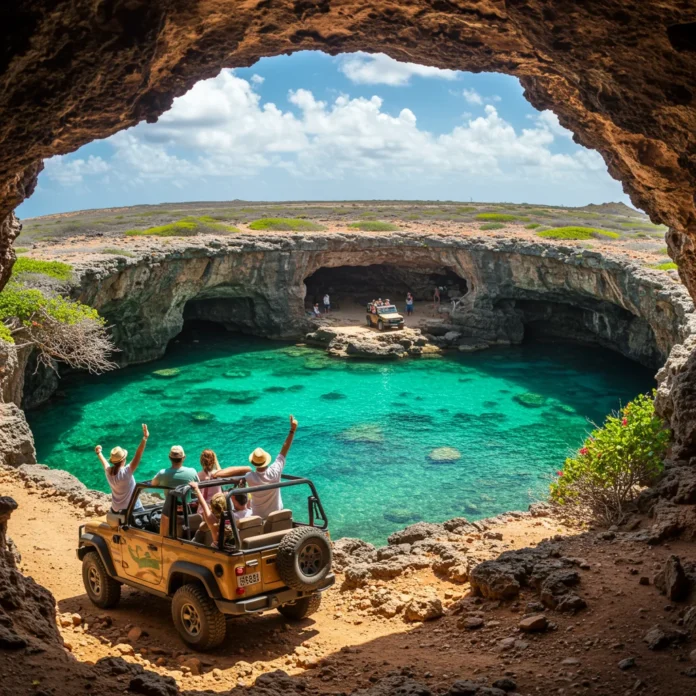

Aruba Jeep Safari: Natural Pool & Caves Adventure Overview
An Aruba Jeep Safari offers a thrilling way to reach the island’s most spectacular natural attractions. These tours transport guests across bumpy trails, wind-carved coastlines, and secluded desert landscapes in rugged 4×4 vehicles. The highlight for many is the chance to swim in the Natural Pool (Conchi) and explore mysterious limestone caves—all in a single adventurous day.
As we journey through Aruba’s wild terrain, we’ll share what makes this experience unique, how to prepare, and what to expect along the way. Whether you’re seeking family fun or an adrenaline rush, a Jeep Safari delivers a memorable escape from the ordinary.
Why Choose a Jeep Safari in Aruba?
Seeking something beyond the usual beach holiday? An Aruba Jeep Safari lets us access parts of the island unreachable by standard vehicles. The excitement of off-roading through rocky paths, splashing through shallow streams, and feeling the salty breeze makes this adventure unforgettable.
Unlike traditional sightseeing, a Jeep Safari immerses us in the island’s raw beauty—arid hills, dramatic cliffs, and hidden spots that few travelers see. The sense of freedom and discovery is hard to match, much like the exhilaration described in our post about off-road ATV tours in the Nevada desert.
What Makes Aruba’s Natural Pool & Caves Unique?
The Natural Pool, known locally as “Conchi,” is a volcanic rock basin where turquoise waves crash and swirl. Tucked away on Aruba’s rugged northeast coast, this secluded pool offers a rare chance to swim in a natural, ocean-fed lagoon surrounded by dramatic black lava formations.
Aruba’s caves—such as Guadirikiri, Fontein, and Huliba—hold centuries-old secrets. Ancient Arawak drawings, mysterious tunnels, and colonies of bats invite us to experience the island’s wild side in a way that’s both educational and exciting.
History of Jeep Safaris in Aruba
Jeep safaris began as a solution for exploring Aruba’s rough, undeveloped terrain. Early adventurers sought ways to reach the island’s hidden gems, and rugged vehicles quickly became the preferred method. Over time, local guides began offering organized tours, sharing their knowledge of Aruba’s geology and history.
Today, Jeep safaris are a staple of the island’s tourism, blending outdoor adventure with cultural insights and environmental appreciation.
Where Is Aruba’s Natural Pool Located?
The Natural Pool sits within Arikok National Park, on Aruba’s northeast coast. Accessible only by off-road vehicles or on foot, it lies far from the main resort areas, surrounded by volcanic rock and desert vegetation.
This remote location is part of what makes the pool so alluring. The journey itself—over rocky hills and through cacti-studded landscapes—adds to the sense of discovery.
How to Book an Aruba Jeep Safari Tour
Booking a Jeep Safari in Aruba is straightforward. Most travelers reserve tours online through trusted platforms or directly with local operators. It’s best to book in advance, especially during peak travel seasons, to guarantee your preferred date and time.
If you want the convenience of browsing options, comparing prices, and reading verified reviews, you can find tours on Viator that fit every interest and group size.
Popular Jeep Safari Tour Operators in Aruba
Several reputable operators run Jeep Safaris in Aruba, each offering slightly different routes and experiences. Some focus on the Natural Pool and caves, while others include stops at historic gold mines, natural bridges, and local villages.
- De Palm Tours – Known for their well-maintained vehicles and knowledgeable guides.
- ABC Tours Aruba – Offers both group and private options, with a strong emphasis on eco-friendly practices.
- Around Aruba Tours – Specializes in customized experiences and small group adventures.
Comparing Guided vs. Self-Drive Jeep Safaris
Should you choose a guided tour or rent a Jeep and explore on your own? Guided safaris provide expert narration, safety support, and the camaraderie of a group. Self-drive options offer flexibility and independence but require a sense of adventure and navigation skills.
For most visitors, a guided safari is ideal, especially if you’re unfamiliar with Aruba’s challenging roads or want to learn about the island’s history and ecology as you go.
What to Expect on Your Jeep Safari Adventure
A typical Jeep Safari adventure begins with a safety briefing and vehicle orientation. Expect to travel in a convoy, bouncing over rugged dirt paths, and stopping at key sights such as the Natural Pool, caves, and panoramic lookout points.
The ride itself is exhilarating—the wind in your hair, the scent of salt and desert sage, and the constant change of scenery set the tone for an unforgettable day.
Is the Jeep Safari Suitable for Families and Kids?
Many Jeep Safaris welcome families with children. The excitement of off-road travel and the chance to swim in a natural pool or explore caves make it appealing for all ages.
However, parents should consider the bumpy ride and sun exposure, and check age restrictions with their chosen tour operator before booking.
Preparing for Your Jeep Safari: Essential Tips
To make the most of your adventure, preparation is key. Wear comfortable, quick-drying clothing and sturdy shoes. Apply sunscreen before leaving your hotel, and bring extra for reapplication during the day.
- Pack a refillable water bottle for hydration.
- Secure cameras and electronics in waterproof bags.
- Bring snacks, especially for kids.
What Should You Pack for a Jeep Safari in Aruba?
A successful Jeep Safari calls for smart packing. Essentials include:
- Swimsuit and towel for the Natural Pool.
- Lightweight long-sleeve shirts for sun protection.
- Hat and sunglasses.
- Water shoes or sandals with grip for rocky areas.
- Small first aid kit and any personal medications.
For those interested in similar adventures elsewhere, our Dominican cave and ATV adventure guide offers more packing insights.
Best Time of Year for a Jeep Safari in Aruba
Aruba boasts a warm, dry climate year-round, making it ideal for outdoor adventures. The best months for a Jeep Safari are January through September, when rainfall is minimal and the skies are clear.
Avoiding the midday heat by booking morning or late afternoon tours can make the experience more comfortable.
Safety Tips for Off-Roading in Aruba
Safety is a top priority on all Jeep Safaris. Always follow your guide’s instructions and stay within designated trails to protect both yourself and the fragile environment.
- Wear seatbelts at all times.
- Keep arms and legs inside the vehicle while moving.
- Use caution when walking on uneven or slippery surfaces.
Understanding Aruba’s Terrain and Climate
Aruba’s landscape is a striking blend of desert, volcanic rock, and coastal cliffs. The northeast coast, where the Natural Pool is located, features rougher terrain and stronger winds.
Expect daytime temperatures between 80-90°F (27-32°C) and occasional brief rain showers, especially in October to December.
Jeep Safari Route: Must-See Stops Along the Way
A classic Jeep Safari includes several unforgettable stops:
- Natural Pool (Conchi) – Swim and snorkel in a sheltered ocean basin.
- Guadirikiri Cave – Explore chambers filled with sunlight and bats.
- Fontein Cave – View ancient petroglyphs and dramatic stalactites.
- Huliba Cave – Walk through the romantic “Tunnel of Love.”
- Historic gold mine ruins and wild beaches.
Each stop reveals a new side of Aruba’s wild beauty.
Exploring Arikok National Park by Jeep
Arikok National Park covers nearly 20% of Aruba’s land and is the setting for most Jeep Safari adventures. The park features a unique mix of desert, volcanic hills, and limestone caves.
Guided tours provide insight into the park’s geology, rare wildlife, and conservation efforts.
Natural Pool (Conchi): Aruba’s Hidden Gem
The Natural Pool is a secluded oasis, encircled by jagged volcanic rock. Here, waves crash over the protective rim, filling the pool with crystal-clear water. The sensation of swimming surrounded by wild surf and dramatic cliffs is unforgettable.
On calm days, the pool is perfect for a refreshing dip or snorkeling. When the surf is high, guides may limit swimming for safety.
How to Swim Safely in the Natural Pool
Safety comes first when enjoying the Natural Pool. Always enter and exit the water with care, using the designated steps or rocks. Watch for sudden waves, and follow your guide’s advice regarding current conditions.
- Never swim alone.
- Keep an eye on children at all times.
- Wear water shoes to protect your feet from sharp rocks.
Can You Snorkel at the Natural Pool?
Yes, snorkeling is popular in the Natural Pool when the water is calm. The sheltered basin is home to colorful fish and spiny sea urchins. Bring your own snorkel gear, or check if your tour operator provides equipment.
Visibility is excellent on sunny days, offering a close-up view of Aruba’s vibrant marine life.
Cave Adventures: Exploring Aruba’s Fascinating Caves
Aruba’s caves are a compelling part of the Jeep Safari experience. Each cave has its own story, from ancient legends to geological wonders. Entering these cool, shadowy chambers is a stark contrast to the sun-drenched desert above.
Guadirikiri Cave: Myths, Legends, and Bats
Guadirikiri Cave is famous for its twin chambers, illuminated by shafts of sunlight. Local legend speaks of forbidden love and secret meetings, while today, visitors marvel at the swirling clouds of harmless bats overhead.
The walls are decorated with mysterious markings, adding to the cave’s allure.
Fontein Cave: Ancient Drawings and Stalactites
Fontein Cave is best known for its ancient Arawak petroglyphs, etched into the stone centuries ago. Stalactites hang from the ceiling, and the air is cool and slightly damp.
Guides share fascinating stories about the cave’s history and the people who once called it sacred.
Huliba Cave: The Tunnel of Love
Nicknamed the “Tunnel of Love” for its heart-shaped entrance, Huliba Cave is a favorite for couples and explorers alike. The winding tunnel offers a sense of mystery and adventure.
Flashlights are essential, as some passages are completely dark.
What Wildlife Might You See on a Jeep Safari?
Aruba’s outback is alive with unique wildlife, from curious birds to sunbathing iguanas. The dry, open landscape supports species found nowhere else in the Caribbean.
Flora and Fauna of Aruba’s Outback
You’ll spot hardy desert plants and animals adapted to the island’s arid climate. Keep your eyes peeled for movement among the rocks and cacti.
Spotting Native Birds and Iguanas
Colorful Aruban parakeets, bright orange trupials, and stealthy burrowing owls are common sights. Iguanas bask on sun-warmed rocks, blending into the landscape with their mottled green and gray scales.
Cacti and Unique Desert Plants
Towering candelabra cacti and spindly divi-divi trees dot the terrain. Their strange shapes and resilience are a testament to Aruba’s harsh yet beautiful environment.
Aruba Jeep Safari Photography Tips
Capturing the spirit of a Jeep Safari means being ready for action, dramatic landscapes, and fleeting wildlife moments. Bring a camera with a wide lens and extra batteries.
As experts often say:
“The best photos come from being present in the moment and anticipating the unexpected—whether it’s a sudden splash, a shaft of sunlight, or a bird in flight.”
Best Spots for Photos on the Route
Iconic shots include the Natural Pool from above, the sun streaming into Guadirikiri Cave, and panoramic views from Arikok’s highest peaks. Don’t forget candid photos of your group enjoying the ride.
Capturing Action Shots and Landscapes
Use fast shutter speeds for moving vehicles and splashing water. Early morning and late afternoon light provide the richest colors for landscapes.
For inspiration on capturing dramatic outdoor moments, see our post about Iceland’s Golden Circle Jeep & Glacier Tour.
What to Wear for Comfort and Protection
Dress in layers to stay comfortable throughout the day. Quick-dry fabrics are best for moving between hot, dusty trails and cool caves or pools.
Recommended Footwear for Cave and Pool Exploration
Sturdy sandals or water shoes with grips are ideal. Avoid flip-flops, as they offer little protection on rocky paths or inside caves.
Sun Protection and Hydration Advice
Apply broad-spectrum sunscreen before the tour and reapply every two hours. A wide-brimmed hat and UV-blocking sunglasses add extra protection.
Drink water frequently, even if you don’t feel thirsty. Aruba’s dry climate can quickly lead to dehydration.
What Amenities Are Available on the Jeep Safari?
Amenities vary by operator, but most provide bottled water and basic first aid supplies. Some tours include snacks or picnic lunches.
Restrooms and Food Stops Along the Way
Restroom facilities are limited in the national park. Many tours schedule stops at visitor centers or partner cafes for restroom breaks and refreshments.
Is There Cell Service on the Safari Route?
Cell service can be spotty, especially in remote parts of Arikok National Park. Guides carry radios for emergencies, but it’s wise to inform someone of your plans beforehand.
Accessibility: Can Everyone Join the Adventure?
Most Jeep Safaris require moderate mobility, as guests must climb in and out of vehicles and walk on uneven ground. Some operators offer modified tours for guests with limited mobility—always inquire ahead of time to discuss your needs.
Are Jeep Safaris Eco-Friendly?
Many tour operators in Aruba are committed to minimizing their environmental impact. They stick to established trails, educate visitors about conservation, and promote respect for wildlife and habitats.
Eco-conscious travelers can ask operators about their sustainability practices when booking.
Supporting Local Communities Through Tourism
Jeep Safaris support Aruba’s economy by employing local guides, sourcing supplies from small businesses, and encouraging guests to visit rural communities. Responsible tourism helps preserve the island’s cultural and natural heritage for future generations.
How Long Does an Aruba Jeep Safari Last?
Most Aruba Jeep Safaris last between four and eight hours, depending on the route and number of stops. Full-day tours allow more time for swimming, exploring, and photography, while half-day options suit those with tight schedules.
Sample Itinerary: Full Day Jeep Safari Adventure
A full day adventure typically includes:
- Morning pickup and safety briefing
- First stop at gold mine ruins or Arikok National Park visitor center
- Swim and snorkel at the Natural Pool
- Guided tours of Guadirikiri, Fontein, and Huliba Caves
- Lunch break at a local café
- Afternoon visit to wild beaches and scenic viewpoints
- Return transfer to hotel
Each stop offers a unique experience—ancient history, natural beauty, and local flavor.
Half-Day vs. Full-Day Tours: Which Is Best?
Half-day tours are perfect for those short on time or traveling with young children. They focus on a few highlights, such as the Natural Pool and one cave.
Full-day tours cover more ground and provide a richer, more relaxed experience. Consider your stamina, interests, and schedule when choosing.
What Are the Costs Involved?
Prices for Jeep Safaris in Aruba vary by operator, group size, and tour length. Expect to pay between $75 and $150 per person for most group tours. Private and customized experiences cost more but offer exclusivity and flexibility.
Some tours include lunch, snorkel gear, and park entrance fees; always check what’s included before booking.
Are There Any Age or Health Restrictions?
Most operators have minimum age requirements, often set at 6 or 8 years old. Pregnant travelers and those with back or neck issues should consult their doctor and the tour operator before participating, as the off-road ride can be jarring.
How to Reserve a Private Jeep Safari Experience
Private Jeep Safaris can be arranged directly with many operators. These tours cater to your group’s interests and pace, making them ideal for families, friends, or special occasions.
Booking in advance is strongly recommended, especially during busy travel periods.
Group vs. Private Jeep Safaris: Pros and Cons
Group safaris are more affordable and offer a social atmosphere, while private tours provide tailored experiences and greater flexibility. Consider your budget, group size, and desired level of personalization when deciding.
Aruba Jeep Safari: Real Traveler Reviews
Travelers rave about the thrill of off-roading, the stunning scenery, and the knowledge of local guides. Many highlight the Natural Pool swim and cave explorations as the stand-out moments of their trip.
Some recommend bringing extra snacks and a change of clothes for added comfort.
Top Tips for Making the Most of Your Adventure
To maximize your Jeep Safari experience:
- Book early, especially during holidays.
- Charge your camera and bring extra memory cards.
- Embrace the bumps and dust—it’s all part of the fun.
- Respect the environment by staying on trails and not disturbing wildlife.
If you enjoy combining adventure with scenic wonders, you might enjoy our suggestions in this guide to Iceland’s Golden Circle.
Frequently Asked Questions About Aruba Jeep Safaris
Do I need a driver’s license? Only for self-drive tours; guided tours are chauffeured.
Is lunch included? Often, but check with your operator.
Can I bring young children? Many tours allow kids over a certain age, but confirm before booking.
What happens if it rains? Tours usually proceed, as rain showers are brief and the vehicles are equipped for all weather.
How to Book on Viator
To secure your spot on an Aruba Jeep Safari, we recommend booking through Viator, a trusted platform for travel experiences. Simply visit Viator’s website, search for “Aruba Jeep Safari,” and compare available tours. You can view detailed itineraries, check availability, and read verified traveler reviews before making your reservation.
Viator allows you to plan your trip with confidence, knowing you have access to customer support and flexible cancellation policies.
Conclusion: Is the Aruba Jeep Safari Worth It?
An Aruba Jeep Safari is more than just a tour—it’s a day of adventure, discovery, and awe-inspiring scenery. From the exhilarating ride to the tranquil waters of the Natural Pool and the mysteries of Aruba’s caves, every moment delivers lasting memories.
For those seeking a break from the ordinary, we highly recommend adding this experience to your itinerary. To continue planning your next adventure, visit Izase for more expert travel guides and inspiration.
Disclaimer: This information is accurate to the best of our knowledge; however, there may be changes or mistakes. Please verify exact details on the Viator booking page.